
Last updated November 16, 2026
 Sweep & inspection
 Caps & crowns
 Flue relining
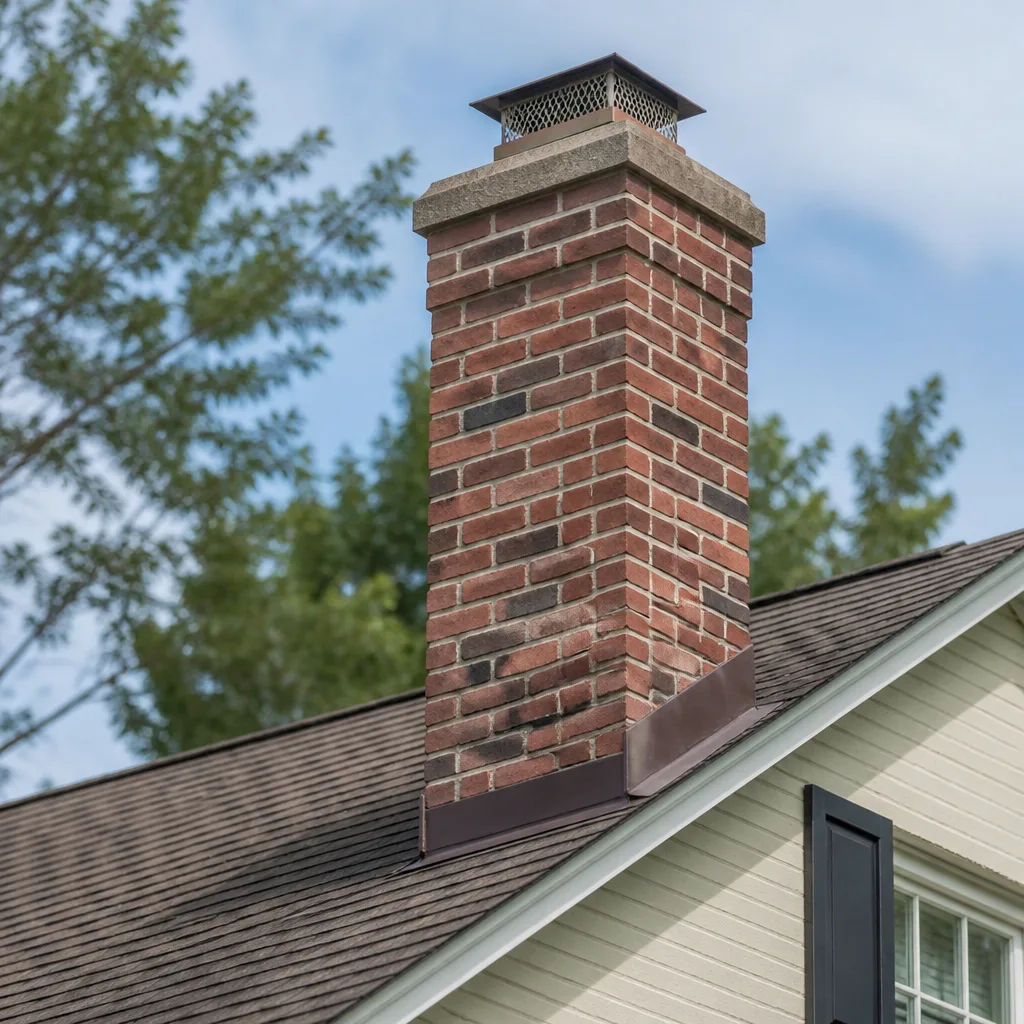 Masonry repair
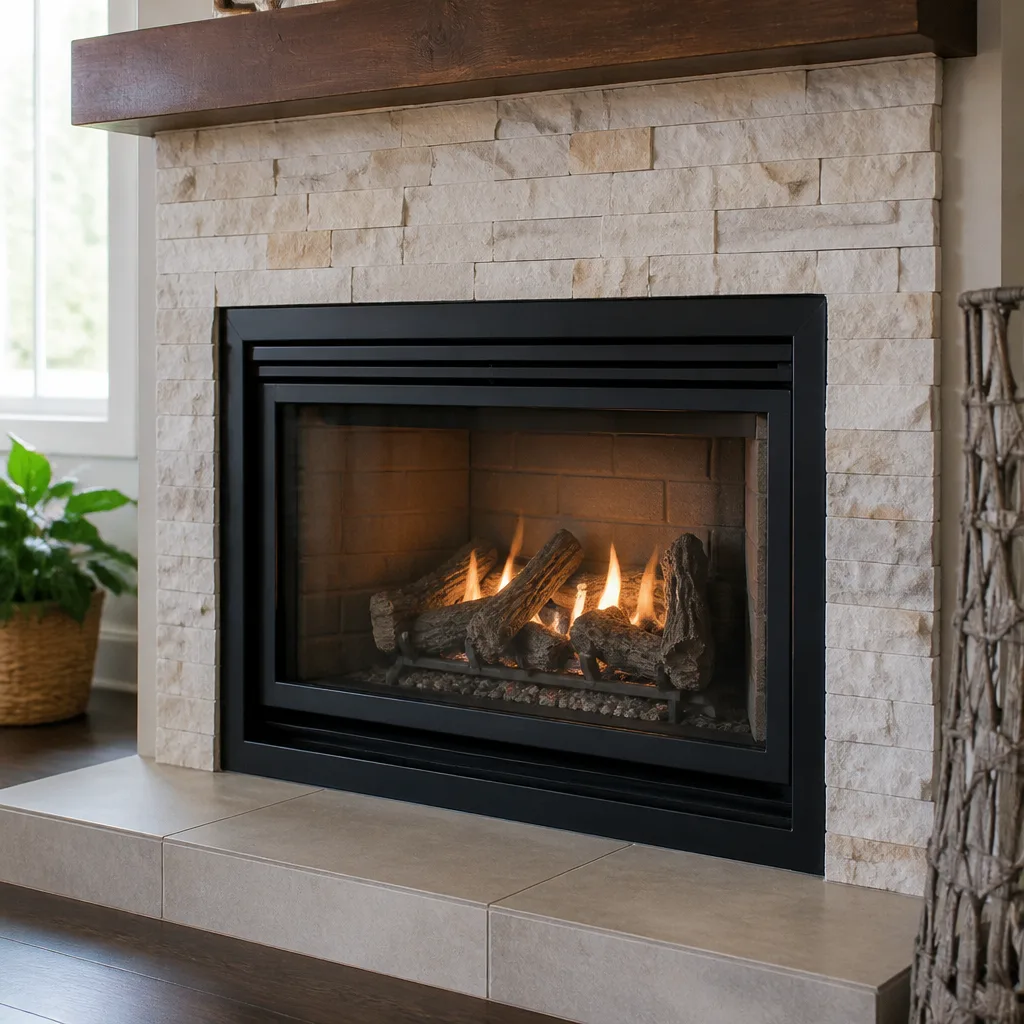 Gas fireplace service
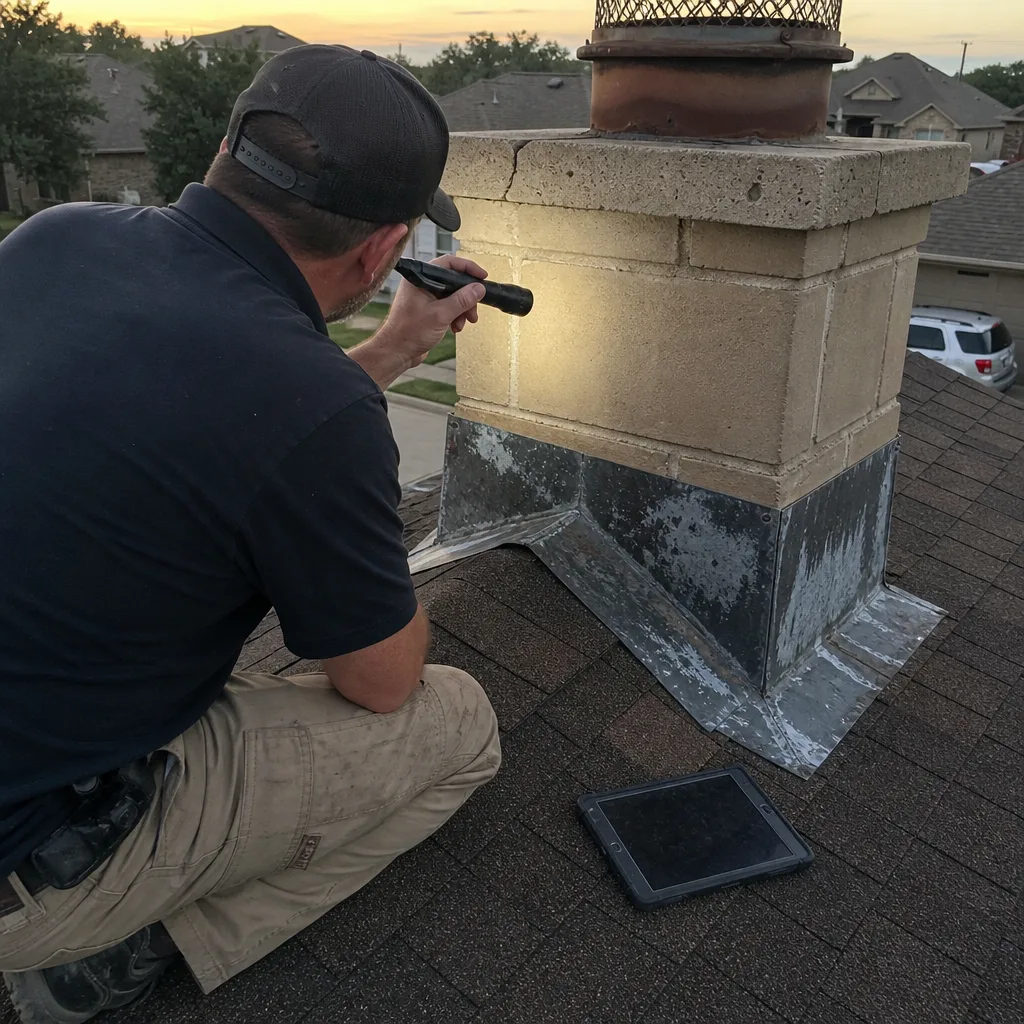
Level 1 sweep and inspection to the NFPA 211 annual standard - flue, crown, cap, and flashing checked and photographed
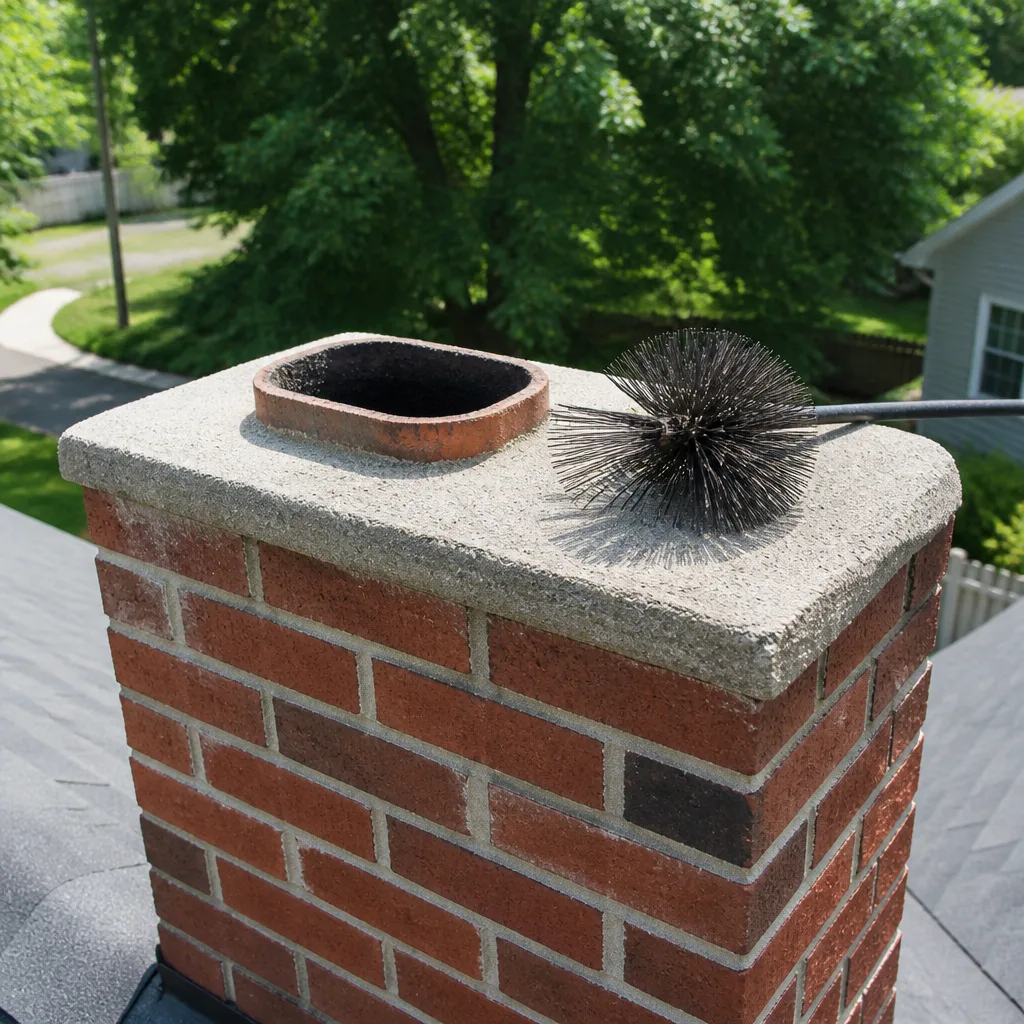
Chimney sweep logs do not sweep chimneys. They loosen some creosote - which then falls where a brush and vacuum still have to collect it.
The Complete Guide to Chimney Cleaning in Killeen
Most homeowners believe a chimney cleaning is one job: a brush goes up, soot comes down, done. That assumption is how houses catch fire. Third-degree creosote, the glazed tar-like stage that clings to flue tiles, cannot be removed by brushing alone, yet few people know there are three distinct creosote stages at all, let alone which one is sitting in their flue right now. A proper cleaning in Killeen is a diagnostic process, not a commodity chore. In this guide we map the full technical scope: creosote chemistry, liner condition, fuel type, inspection levels, and what a real post-cleaning report should document. You’ll finish knowing exactly what a legitimate cleaning entails and how to spot a quick brush-and-bill outfit before it costs you.
Quick Answer
Chimney cleaning in Killeen is a diagnostic service, not just a sweep. It should include creosote assessment and removal for the stage present in your flue, a check of terra cotta liner integrity, and an NFPA 211 inspection at the level your system requires. If your sweep brushes and leaves without documenting what they found, the job isn’t finished.
Styles & brands we work with
- Sweep & inspection
- Caps & crowns
- Flue relining
- Masonry repair
- Gas fireplace service
Table of Contents
- The Three Stages of Creosote and Why They Matter
- Killeen’s Clay Soil and Terra Cotta Liner Integrity
- Level 1, 2, and 3 Inspections: What Each One Covers
- Wood, Gas Logs, and Pellet Stoves: Different Byproducts, Different Cleaning
- What a Proper Cleaning Actually Involves
- What Your Post-Cleaning Report Should Document
- How Often Should a Killeen Chimney Be Cleaned?
- Common Mistakes to Avoid
The Three Stages of Creosote and Why They Matter
Creosote is the residue left behind when wood smoke cools and condenses on the inside of your flue. It forms in three recognizably different stages, and the stage in your chimney determines what kind of cleaning is even possible.
Stage one is soot and light flaky deposit. It brushes off easily with standard sweeping tools and represents the routine condition most annual cleanings address.
Stage two is a denser, crustier deposit, sometimes called clinkered creosote. It adheres to the flue surface and takes more mechanical effort, sometimes a rotary brush, to remove completely.
Stage three is glazed, tar-like, and hard. It looks almost like a shiny black varnish baked onto the tile. It cannot be brushed off, period. Stage three requires chemical treatment, often a product like Anti-Creo-Soot, applied over a period of time to soften the glaze before any mechanical cleaning can begin. Trying to force stage three off with a brush can damage the flue tile or leave behind a flammable layer that looks clean from below.
This is where the difference between a real chimney specialist and a generalist shows. A brush-and-go visit will either ignore stage three or falsely reassure you. A proper cleaning identifies the stage, treats it if needed, and documents what was removed. In our experience working through Killeen’s housing stock, stage two is common in older homes that burned frequently, and stage three appears in chimneys that have gone several seasons without service. If you don’t know which stage is in your flue, that is itself the reason to schedule a Chimney Sweep Killeen.
Killeen’s Clay Soil and Terra Cotta Liner Integrity
Killeen sits on expansive clay soil, the kind that swells when wet and shrinks when dry. That movement transmits into foundations and, over time, into the masonry above. Chimney stacks are especially vulnerable because they rise independently of the main structure and shift on their own plane. What this means practically: terra cotta liners, the standard flue tile used in most older Killeen homes, are prone to hairline cracks and offset joints as the chimney settles.
A cracked flue tile is not cosmetic. It lets heat and combustion gases reach the surrounding masonry and framing. It also lets creosote seep into cracks where no brush can reach it. When we sweep a chimney in Killeen, the liner check is not optional, because the soil conditions here make liner failure more likely than in regions with stable ground.
- Hairline cracks in flue tile allow heat transfer into surrounding wood framing.
- Offset joints create ledges where creosote accumulates and resists brushing.
- Spalling tile surfaces shed fragments that can obstruct the flue.
- Cracked tiles make a Level 2 inspection necessary even if a Level 1 was planned.
When we find deterioration, our first choice is resurfacing rather than demolition. HeatShield is a product designed specifically to restore cracked and spalled flue tiles by applying a resurfacing compound to the interior, sealing the flue back to a smooth, continuous surface without tearing out the existing chimney. For chimneys with damage too extensive for resurfacing, a flexible liner system like DuraFlex can reline the flue from top to bottom. Both are options most generalist outfits simply don’t offer, which is why liner work often gets pushed to a “we’ll refer you” conversation. We’d rather handle the whole scope in one visit.
Level 1, 2, and 3 Inspections: What Each One Covers
NFPA 211 defines three inspection levels, and which one accompanies your cleaning depends on what changed since the last service. Most cleanings pair with a Level 1. Not all.
Level 1 is the routine inspection for a chimney that has been serviced regularly, has no known changes, and is being checked for continued safe use. It covers readily accessible portions: the firebox, damper, smoke chamber, flue from the accessible side, and the exterior at ground level. A Level 1 is what a standard annual cleaning includes.
Level 2 covers everything a Level 1 does plus accessible portions of attics, crawlspaces, and other areas that require tools to reach. It’s required when a fuel type changes, when an appliance is replaced, after a chimney fire, after an earthquake or major structural event, or when the property changes hands. A Level 2 is also what a video camera inspection is designed to satisfy.
Level 3 is the most invasive: it’s used when a Level 1 or 2 reveals a serious hazard that requires access to concealed areas, which can mean removing parts of the chimney or surrounding structure. Level 3 is rare, and it’s the one to avoid needing by catching problems earlier.
- Level 1: routine, annual, readily accessible portions only.
- Level 2: adds attics, crawlspaces, and concealed-but-accessible areas; camera inspection; required after changes or chimney fires.
- Level 3: invasive access to concealed areas, triggered by hazards found at a lower level.
Ask which level your cleaning will include before you book. A sweep that does a Level 1 and calls it a full inspection is overstating the job, and a sweep that does nothing documented at all is not inspecting. For more detail on how repair decisions follow inspection findings, see our chimney repair page.
Wood, Gas Logs, and Pellet Stoves: Different Byproducts, Different Cleaning
Not every chimney produces creosote. The fuel and appliance type change the byproduct profile, and that changes what cleaning actually means.
Wood-burning fireplaces and wood stoves produce creosote in the three stages described above, along with soot and ash. Cleaning requires creosote assessment, brushing, and often chemical treatment for harder deposits. This is the most demanding cleaning scenario and the one where stage identification matters most.
Gas log sets don’t produce creosote in the same way, but they do produce moisture, carbon deposits, and sometimes a white powdery residue from combustion byproducts. Gas appliances vent differently and need to be checked for proper draft, vent condition, and any obstruction that could allow carbon monoxide to spill into the home. Gas cleaning is less about scraping and more about verifying that the vent is clear and the draft is working. This is a safety check as much as a cleaning.
Pellet stoves produce ash in larger quantities and a lighter, dustier byproduct than wood. The flue can clog with fly ash, especially in the horizontal runs and vent termination, and the appliance itself needs internal cleaning that a standard chimney brush won’t address. Pellet venting often uses different materials and configurations, so cleaning needs to match the system.
If a chimney company treats all three the same, they’re not paying attention to your system. A dedicated chimney specialist in Killeen adjusts tools, method, and inspection level to the fuel you actually burn.
What a Proper Cleaning Actually Involves
A legitimate chimney cleaning follows a sequence, and the sequence matters as much as the tools. Here is what a proper visit should look like from start to finish.
- Pre-cleaning inspection. The technician inspects the firebox, damper, smoke chamber, and flue for visible issues before any cleaning begins, so nothing gets missed or damaged.
- Creosote assessment. The technician identifies which creosote stage is present and decides whether standard brushing or chemical pretreatment is needed.
- Protection of the living space. Drop cloths, tarps, and a HEPA vacuum keep soot out of the home during the work.
- Mechanical cleaning. Brushes sized to the flue remove soot and stage one and two deposits. Rotary tools may be needed for harder crusting.
- Chemical treatment where required. Stage three deposits get treated with a softening agent before mechanical removal is attempted.
- Post-cleaning inspection. The flue, smoke chamber, and accessible exterior are re-checked and any findings are documented.
- Written report. The technician provides documentation of what was found, what was removed, and what (if anything) needs follow-up.
Compare that to the “quick brush” version: a brush up the flue, a sweep of the firebox, a verbal “all good,” and a bill. No creosote staging, no liner check, no documentation. In our experience, the cost difference between the two visits is small, but the outcome difference is significant. When you’re ready to book a proper visit, our chimney sweep service covers the full sequence above, and we use professional-grade brands like Gelco, Copperfield, DuraFlex, and HeatShield as the findings call for them.
What Your Post-Cleaning Report Should Document
The inspection report is the most underrated part of a chimney cleaning. It’s also the part most easily faked by an outfit that wants to move on to the next house. Here’s what a real report should contain.
- Which inspection level was performed and why that level was appropriate.
- Creosote stage observed at the time of cleaning, and whether treatment was applied.
- Liner condition, including any cracks, offset joints, or spalling observed.
- Smoke chamber and damper condition, including whether the damper seals.
- Exterior condition including cap, chase cover, and crown.
- Photographs of anything flagged as a concern, so you can see what the technician saw.
- Recommended follow-up with a clear distinction between “needs attention now” and “monitor at next service.”
A verbal “looks good” is a red flag. So is a report that recommends thousands of dollars in work without a single photograph to back it up. You should be able to see the same problems the technician describes. If you can’t, ask why. Our technicians have up to 11 years of experience, and in that time we’ve learned that the best report is one a homeowner can actually read and understand.
How Often Should a Killeen Chimney Be Cleaned?
The industry standard answer is once a year for a wood-burning appliance under normal use, but Killeen’s conditions and your burning habits can change that. Here’s how to think about it in this city.
If you burn regularly through the cooler months, annual cleaning is the floor, not the ceiling. Homes in Killeen that see heavy fireplace use, especially in the neighborhoods around the historic downtown and established residential areas, often benefit from a mid-season check in addition to the annual sweep. The expansive clay soil here also means liner condition should be reassessed each year even if the creosote load is light, because a chimney that looked fine last season may have shifted.
Gas log sets still need annual inspection to verify draft and vent condition, even if there’s little soot to remove. Pellet stoves typically need more frequent flue cleaning than wood because of fly ash accumulation. And any chimney that has experienced a chimney fire, however small, needs a Level 2 inspection before the next burn.
If it’s been more than a year, or if you can’t remember the last cleaning, treat it as overdue. Schedule a visit and let the inspection tell you what condition your flue is in.
Common Mistakes to Avoid
- Booking the cheapest brush-and-go. A low price often reflects a cleaning that skips creosote staging, liner checks, and documentation. The savings disappear the moment a real problem gets missed. Ask what the visit includes before you compare prices.
- Assuming a gas fireplace needs no service. Gas logs don’t produce creosote, but they do produce moisture and carbon deposits, and a blocked vent can allow carbon monoxide into the home. Annual inspection is a safety measure, not a nicety.
- Brushing stage three creosote and calling it clean. Glazed deposits don’t come off with a brush. If a sweep says your flue is clean after a quick brush without treating the glaze, get a second look. Stage three needs chemical softening first.
- Ignoring the liner because the fire draws fine. A cracked flue tile can draw adequately while still allowing heat and gases into the masonry and framing. Draft is not a liner test. Only visual inspection, or a camera at Level 2, reveals the condition.
- Treating the report as paperwork. The written report is your record of condition. Verbal summaries disappear; photographs and documented findings let you track changes season to season and spot whether a “problem” appeared suddenly to justify an upsell.
- Skipping the annual visit because the chimney “looks fine” from the room. The interior of a flue is invisible from the firebox. Creosote accumulates where you can’t see it, and Killeen’s clay soil shifts the masonry silently. A camera and an inspection tell you what the room can’t.
- Hiring a generalist because they were already there for another job. Chimney work is a trade with its own tools, standards, and brands. DuraFlex, HeatShield, Gelco, Copperfield, and Olympia Chimney products are professional supply-chain items, not big-box additions to a handyman’s menu. If liner or resurfacing work is on the table, confirm the company actually works with those brands.
See the difference
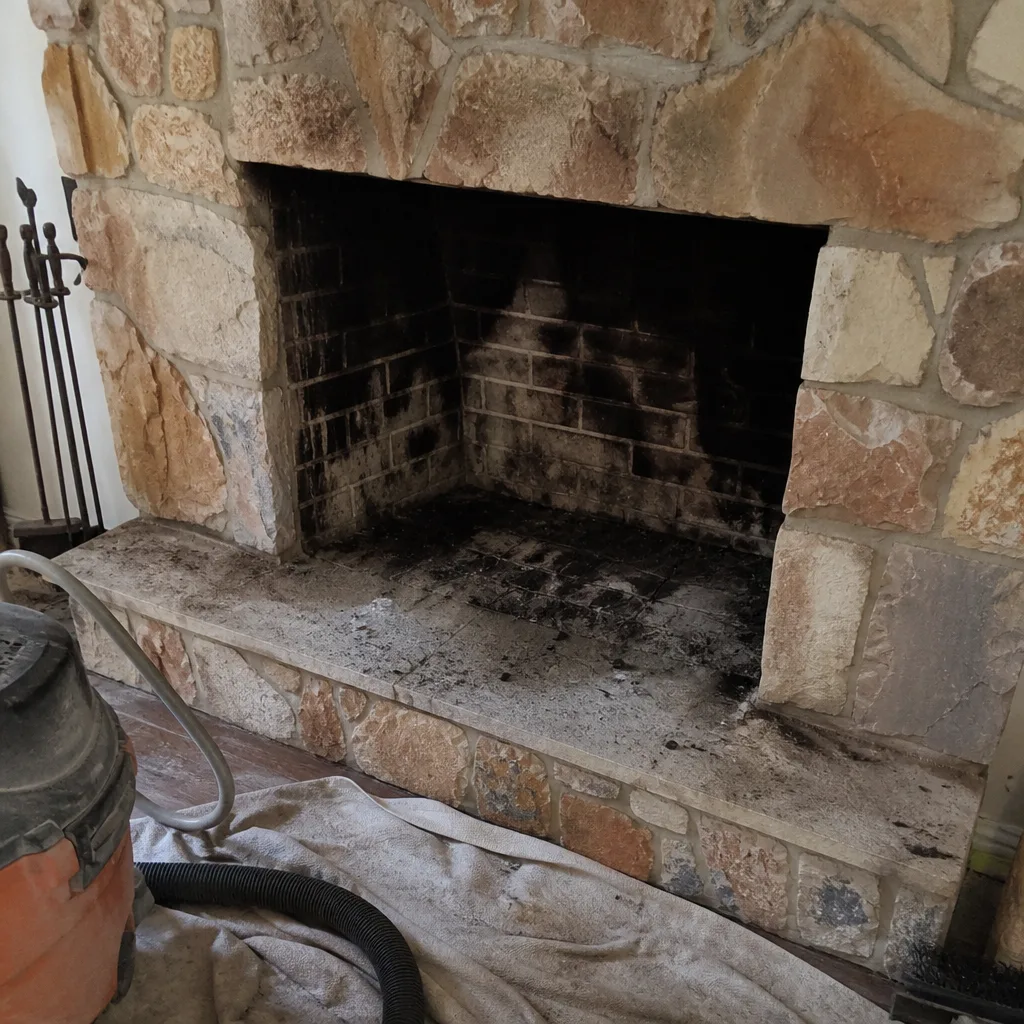 Before
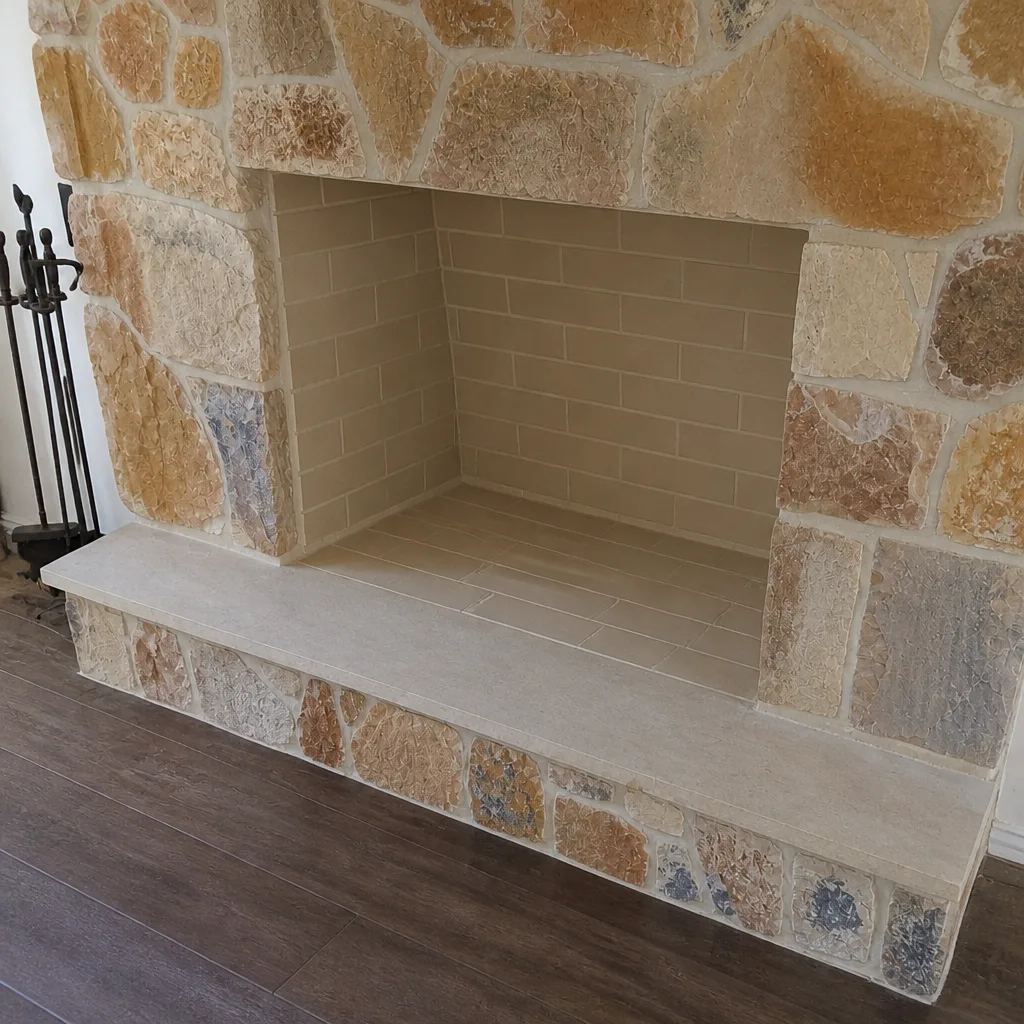 After
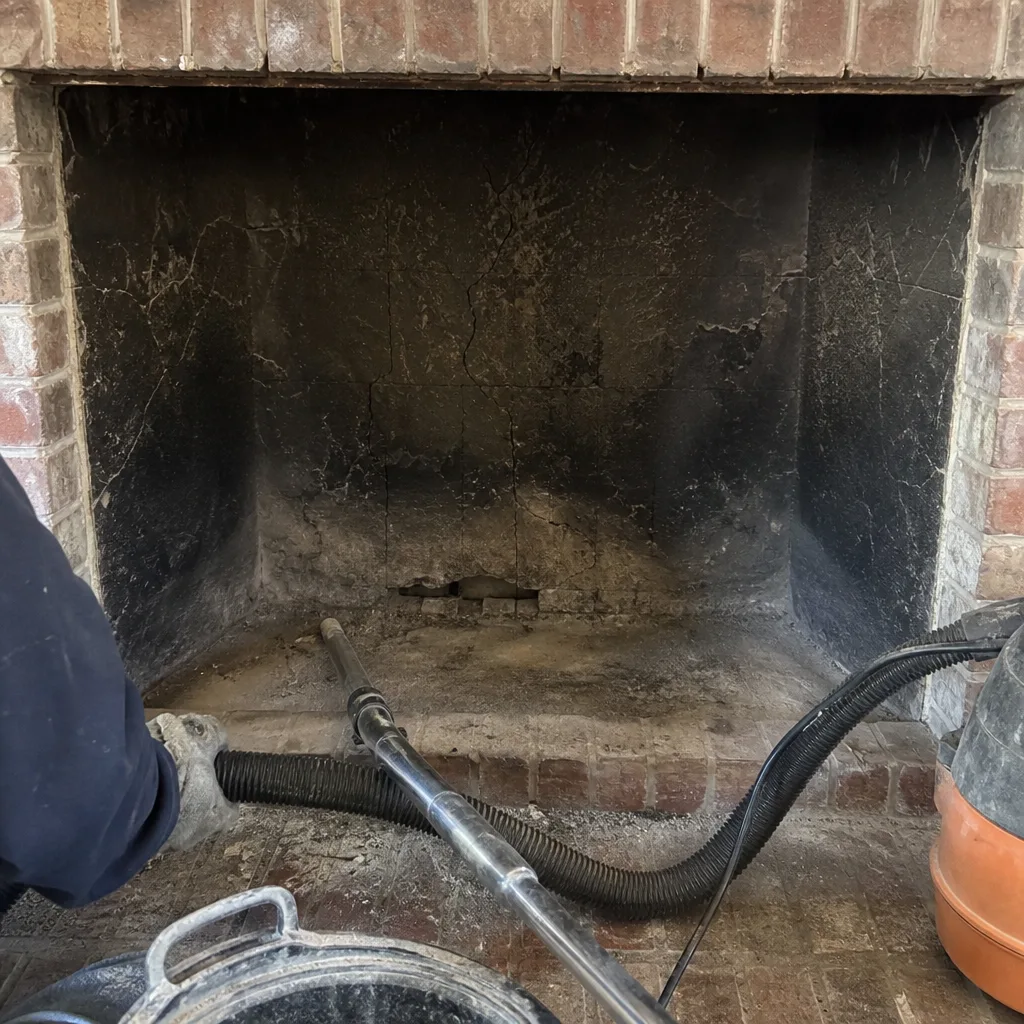 Before
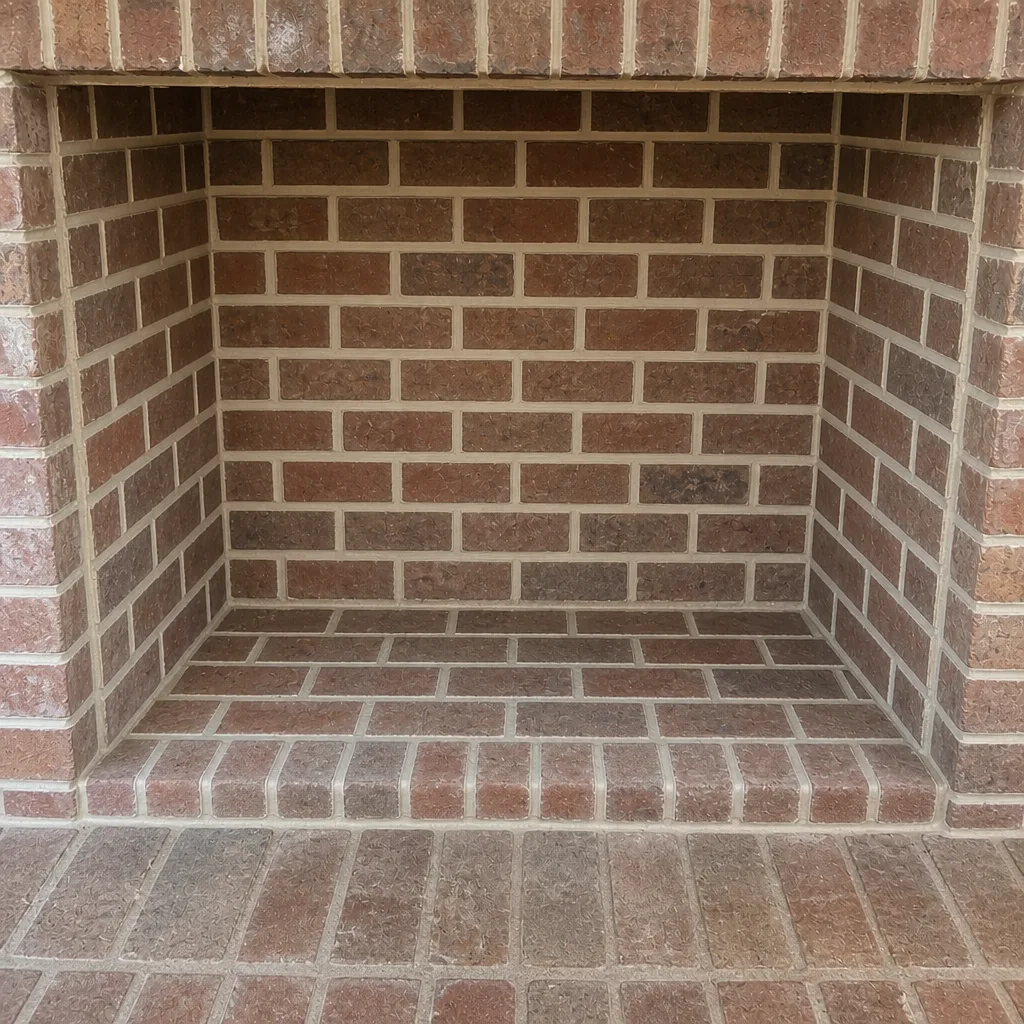 After
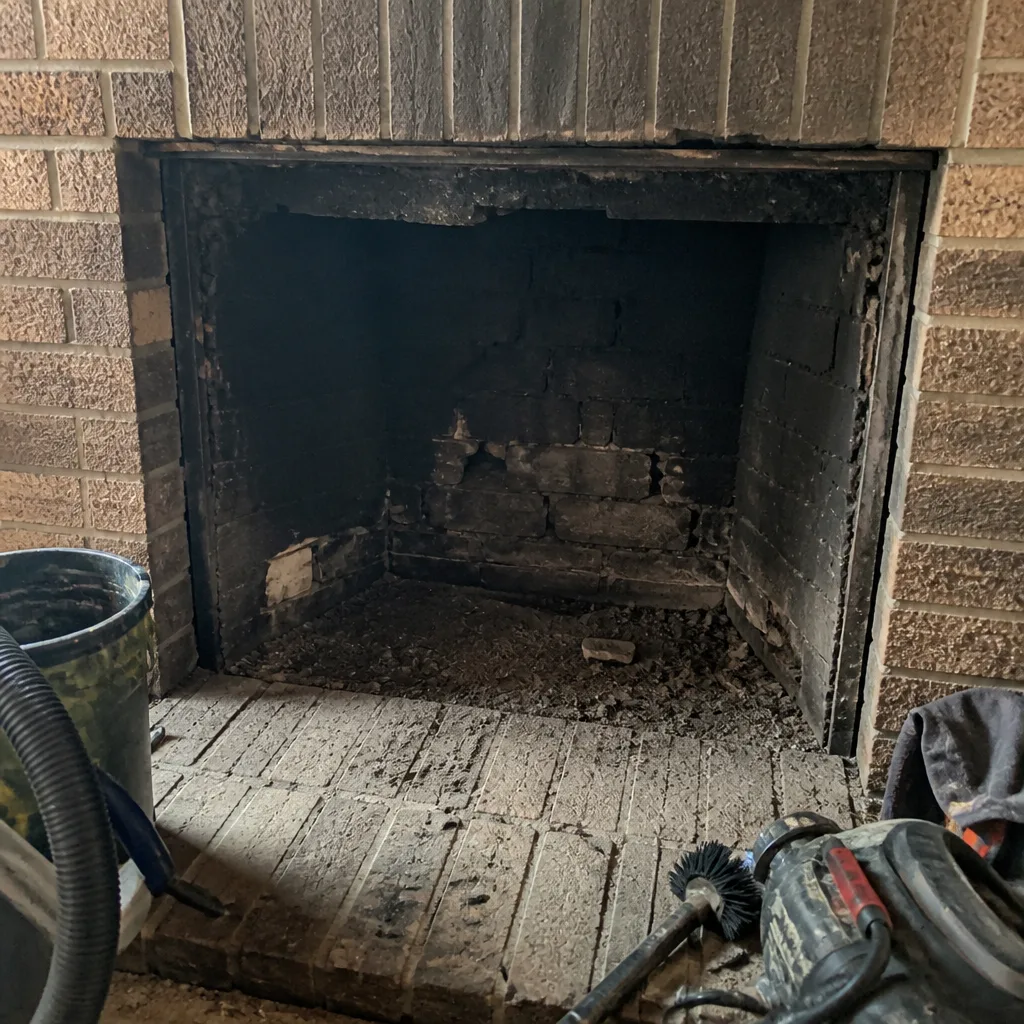 Before
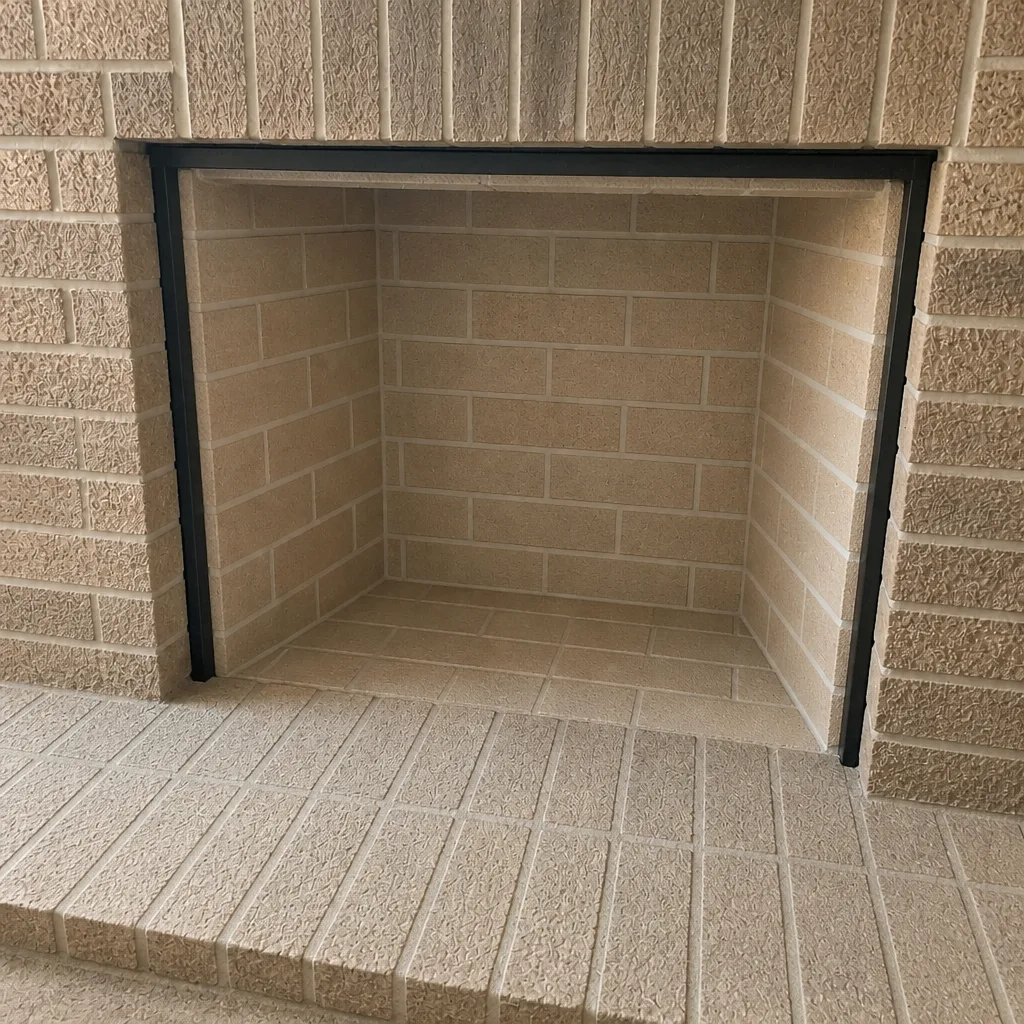 After
When to Call a Professional
Some situations call for a professional visit without hesitation: a chimney that hasn’t been cleaned in over a year, a fuel change (like switching from wood to gas or installing a new insert), any chimney fire no matter how small, a strong or unusual odor from the firebox, visible cracking in the firebox or smoke chamber, or a home purchase where the chimney history is unknown. Each of these either requires or benefits from an inspection level beyond what a basic cleaning provides, and each is best handled by a dedicated chimney technician rather than a generalist. Chimney Sweep Killeen offers free estimates in Killeen. Call (866) 942-9240. We answer 24/7. Fast dispatch from 7am to 7pm, Sunday through Friday. You can also learn more about our Killeen service area and what a visit covers.
Frequently Asked Questions
Once a year for wood-burning appliances under normal use, and annually for gas logs and pellet stoves for inspection even when cleaning is minimal. Killeen’s expansive clay soil makes a yearly liner check worthwhile regardless of how much creosote accumulates. If it’s been more than a year, book a visit before your next burn. Call (866) 942-9240 – estimates are free.
Stage one is light, flaky soot that brushes off easily; stage two is harder, crustier deposit; stage three is a glazed, tar-like layer that brushing cannot remove. Stage three requires chemical treatment, such as Anti-Creo-Soot, to soften the glaze before mechanical cleaning. Knowing the stage determines whether a cleaning can proceed normally or needs pretreatment. Call (866) 942-9240 for an exact quote – estimates are free.
Done correctly, no, but done carelessly, yes. Chimney brushes are sized and selected for the flue material, and rotary tools are used with care on fragile tile. Killeen’s clay soil makes hairline cracks more likely, so a proper visit includes a liner check before cleaning, not after. If you’re worried about liner condition, ask for a camera inspection. Call (866) 942-9240 – estimates are free.
A cleaning removes creosote, soot, and debris from the flue. An inspection evaluates the system’s condition and identifies problems. They’re different services that belong together: a proper cleaning includes an inspection at the appropriate NFPA 211 level so the findings get documented. Asking for one without the other leaves you with a clean flue and no information. Call (866) 942-9240 for an exact quote – estimates are free.
Often they can be resurfaced. HeatShield is designed specifically to restore cracked and spalled flue tiles without demolishing the chimney, and it’s a method most generalists can’t offer. Full relining with a product like DuraFlex is the choice when damage is more extensive. Nothing should be recommended without camera evidence you can see for yourself. Call (866) 942-9240 – estimates are free.
Ask four things: which inspection level the cleaning includes, whether the technician checks creosote stage and liner condition, whether you’ll receive a written report with photographs, and whether the company works with professional brands like HeatShield, DuraFlex, Gelco, and Copperfield for any repair work that follows. If the answers are vague, that’s a signal. Call (866) 942-9240 for an exact quote – estimates are free.
The Bottom Line
Chimney cleaning in Killeen is a diagnostic service, and the diagnostic half is what protects your home. Creosote stages, terra cotta liner condition, inspection level, fuel type, and a documented report all belong in a proper visit. Anything less and you’ve paid for a brush, not a service. We’re a chimney specialist, which means sweeping, repair, and inspection under one roof, with HeatShield resurfacing, DuraFlex relining, and professional brands like Gelco and Copperfield on hand when the findings call for them. Our technicians have up to 11 years of experience. If your chimney is overdue, start with an honest look.
Call Chimney Sweep Killeen at (866) 942-9240 for a free estimate. We answer 24/7. Fast dispatch from 7am to 7pm, Sunday through Friday.
Written by the team at Chimney Sweep Killeen.