
Last updated November 16, 2026
 Sweep & inspection
 Caps & crowns
 Flue relining
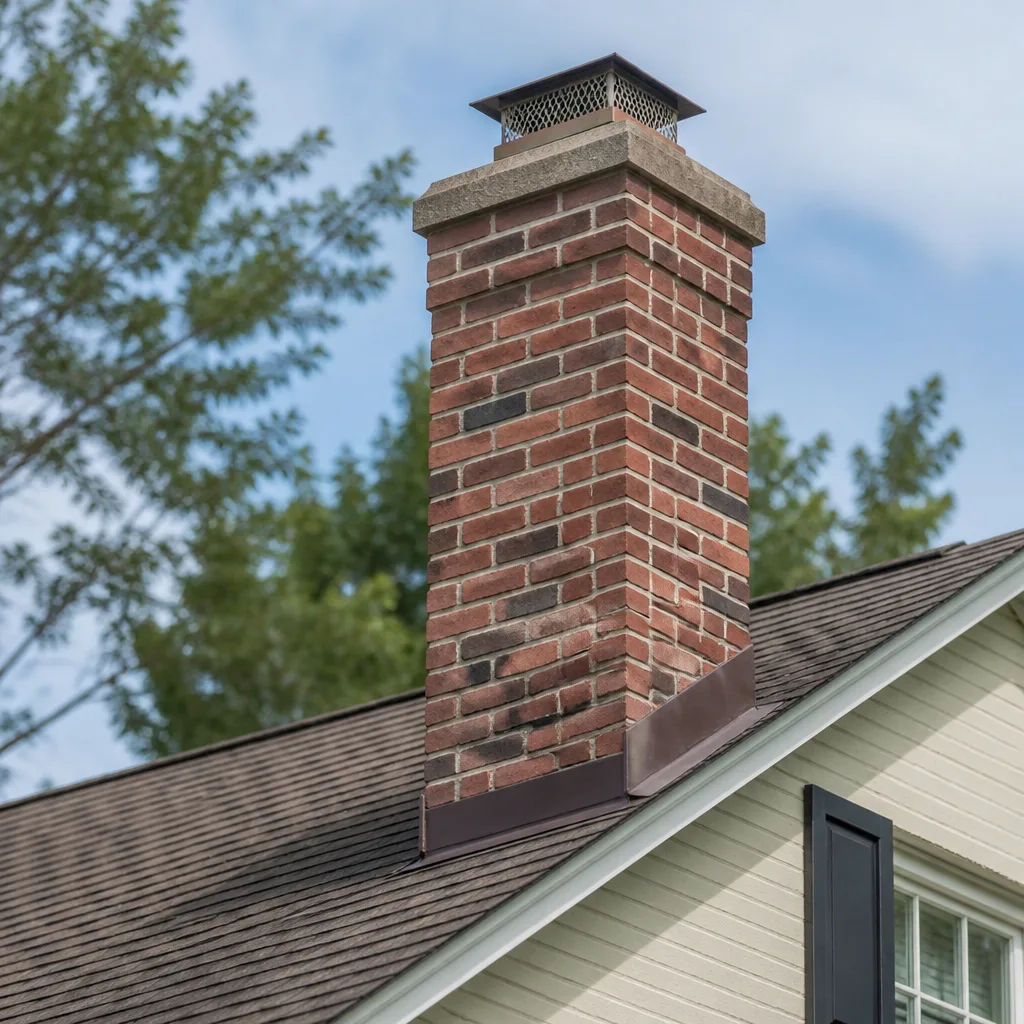 Masonry repair
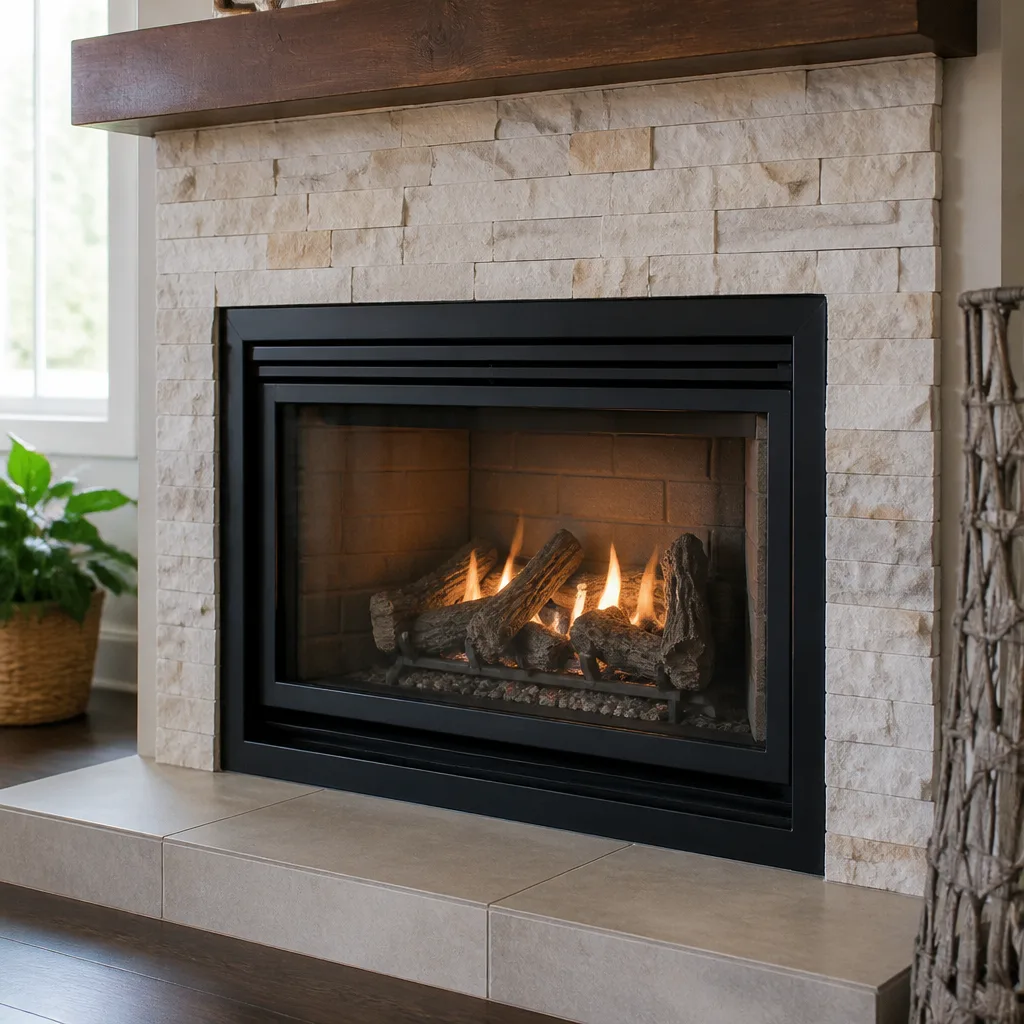 Gas fireplace service
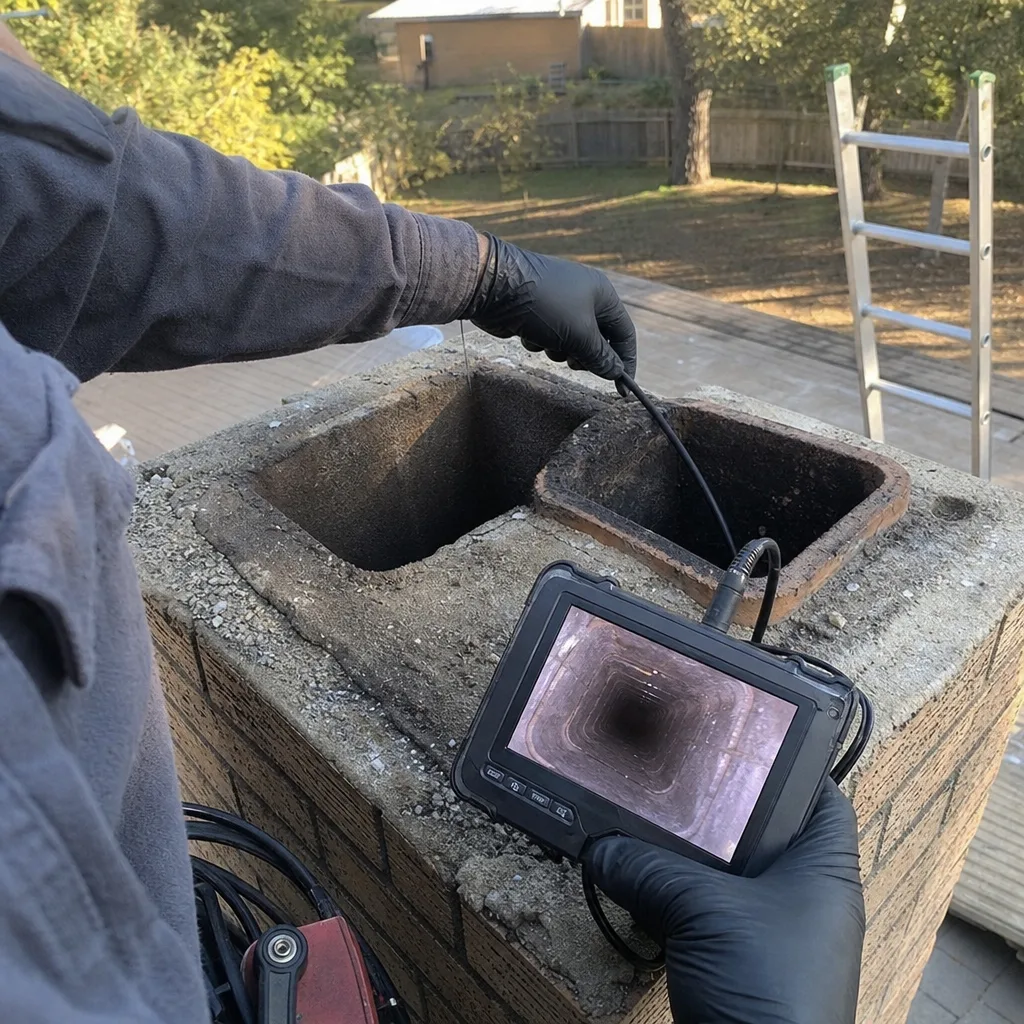
Level 1 sweep and inspection to the NFPA 211 annual standard - flue, crown, cap, and flashing checked and photographed
Chimney sweep logs do not sweep chimneys. They loosen some creosote - which then falls where a brush and vacuum still have to collect it.
DIY vs Professional Chimney Cleaning: The Killeen Homeowner’s Decision Guide
You can buy a chimney brush kit for about $60 and run it up your own flue this afternoon. Plenty of Killeen homeowners do exactly that, and the brush will come back down looking black and busy, which feels like proof the job worked. But here’s the part that doesn’t show up in the bucket: you were brushing a liner you never actually looked at, and you have no idea whether it has hairline cracks, a failed joint, or a glaze of creosote that brushing doesn’t touch. The cleaning is supposed to surface that information. A DIY sweep usually buries it. This guide walks through what you can safely handle yourself, what you can’t reach or judge, what the equipment really costs, and how to decide which path fits your fireplace in Killeen.
Styles & brands we work with
- Sweep & inspection
- Caps & crowns
- Flue relining
- Masonry repair
- Gas fireplace service
Quick Answer
A DIY chimney cleaning can remove loose soot and light creosote from an accessible, structurally sound flue, but it can’t assess liner integrity, identify stage-two glazed creosote, or spot early flashing failure. Professional cleaning costs more because it includes a diagnostic: a trained technician reads the flue while sweeping it, and that reading is what tells you whether the chimney is safe to keep using. If your chimney hasn’t been inspected in years, or you’ve never had it looked at since moving in, the sweep itself is the smaller part of the job.
Table of Contents
- What DIY Chimney Cleaning Actually Accomplishes
- The Conditions DIY Cleaning Requires to Be Safe
- What DIY Can’t Reach or Assess
- The Real Equipment Cost of a DIY Sweep
- Stage-One vs Stage-Two Creosote: Why It Changes Everything
- The False Confidence Problem
- Why Killeen’s Climate and Housing Shape the Decision
- How We Decide: A Step-by-Step Framework
- Common Mistakes to Avoid
- When to Call a Professional
- Frequently Asked Questions
- The Bottom Line
What DIY Chimney Cleaning Actually Accomplishes
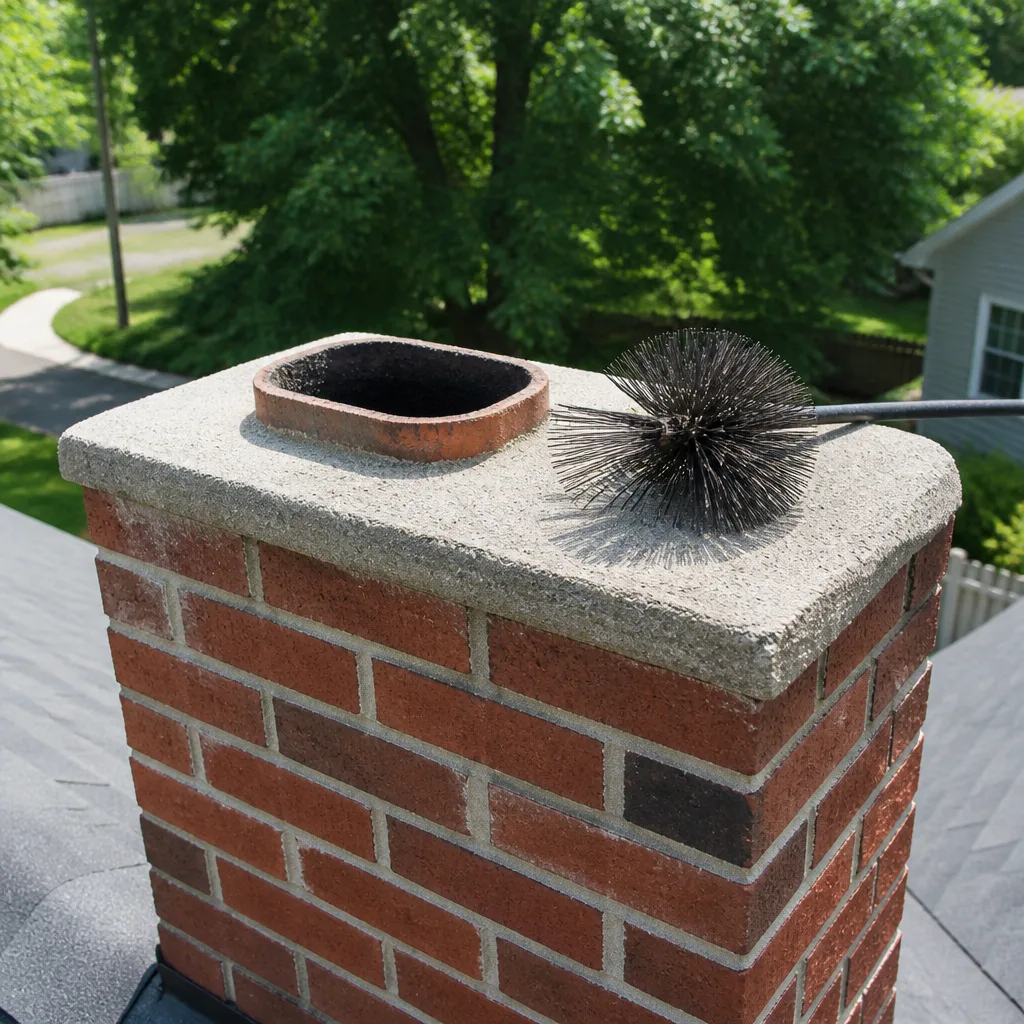
A homeowner with the right brush and a reasonable amount of patience can genuinely clean a chimney. That’s worth saying plainly, because a lot of chimney advice swings too far the other way and treats any DIY effort as reckless. It isn’t. A properly sized polypropylene or wire brush on a flexible rod, worked up and down a straight flue, will pull loose soot off the walls and knock down the crumbly, flaky creosote that forms after a season of fires. In a chimney that’s already in good shape, the result is close to what a technician produces on the same flue.
What the brush does well:
- Removes loose, powdery soot from the flue walls and smoke chamber.
- Knocks down stage-one creosote, the light, flaky, brushable layer that builds up on flues that are fired hot enough.
- Clears soot from the firebox and the damper area on a straight, unobstructed chimney.
- Gives you a rough sense of how much buildup you had, based on what comes down.
That last point is also the trap. What comes down tells you roughly how much buildup there was. It says nothing about what’s left behind, and nothing about the condition of the surface you just scrubbed. A flue with a cracked tile behind a layer of soot looks identical from the top of the ladder to a flue that’s perfectly sound. The brush doesn’t know the difference, and neither will you, standing at the bottom with a flashlight pointed up a dark tube.
For a Killeen homeowner with a wood-burning fireplace that’s been swept within the last year or two, and no reason to suspect a problem, a DIY touch-up is a reasonable option. For anyone who’s inherited a fireplace they don’t know the history of, the calculus changes, and that’s where the rest of this guide spends its time.
The Conditions DIY Cleaning Requires to Be Safe
Before you carry a brush onto the roof or up through the firebox, there are four conditions that need to be true. If any of them isn’t, the job belongs with a professional, and it isn’t a close call.
- The chimney has been inspected recently and pronounced sound. A cleaning on top of an uninspected flue is a cleaning on top of an unknown. If you don’t have a recent inspection report saying the tiles and joints are intact, get the inspection first. Our chimney sweep in Killeen includes a camera inspection for exactly this reason.
- The flue is straight and accessible. Straight flues with a clean-out at the base are manageable. Offsets, bends, and flues that require crossing a roof pitch introduce fall risk and rod-navigation problems that regularly end badly for homeowners.
- You can work from ground level or a stable, flat roof surface with proper fall protection. Roof access is where DIY chimney work turns dangerous. Sloped roofs, wet shingles, and ladder work near the chimney crown are responsible for a large share of the injuries in this trade. A technician doing this daily carries the right ladder setup and knows the roof.
- You have the right brush size and material for your flue. A brush that’s too small won’t contact the walls. One that’s too large will jam or, worse, damage a clay tile. Wire brushes on a metal liner will score the surface. Getting this wrong is common, and the damage isn’t visible from below.
One more condition that doesn’t fit neatly on the list: if you can see or feel glazed, shiny, tarlike creosote on the flue walls, stop. That’s stage-two or stage-three creosote, and brushing it is the wrong tool for the job. We’ll get to why in a section or two.
What DIY Can’t Reach or Assess
This is the heart of the matter, and it’s the part that most online advice skips. A brush cleans the flue. It doesn’t clean or evaluate the five areas of a chimney where problems usually start.
- The smoke shelf. That ledge at the back of the firebox, where the damper sits, collects soot like a shelf and is nearly impossible to reach from below with a rod and brush. It’s also where a lot of creosote accumulates in a fireplace that drafts poorly.
- Liner joints. The mortar joints between clay tiles are where cracks begin and where hot gases leak into the surrounding structure. You can’t see them from the firebox, and a brush can widen one without giving any indication it happened. Only a camera run up the flue reveals joint condition.
- The firebox back wall. The firebrick at the back of the firebox takes the most heat and fails first. Hairline cracks in firebrick are common and are a structural signal, not a cosmetic one. Spotting them requires a trained eye and a good light from the right angle.
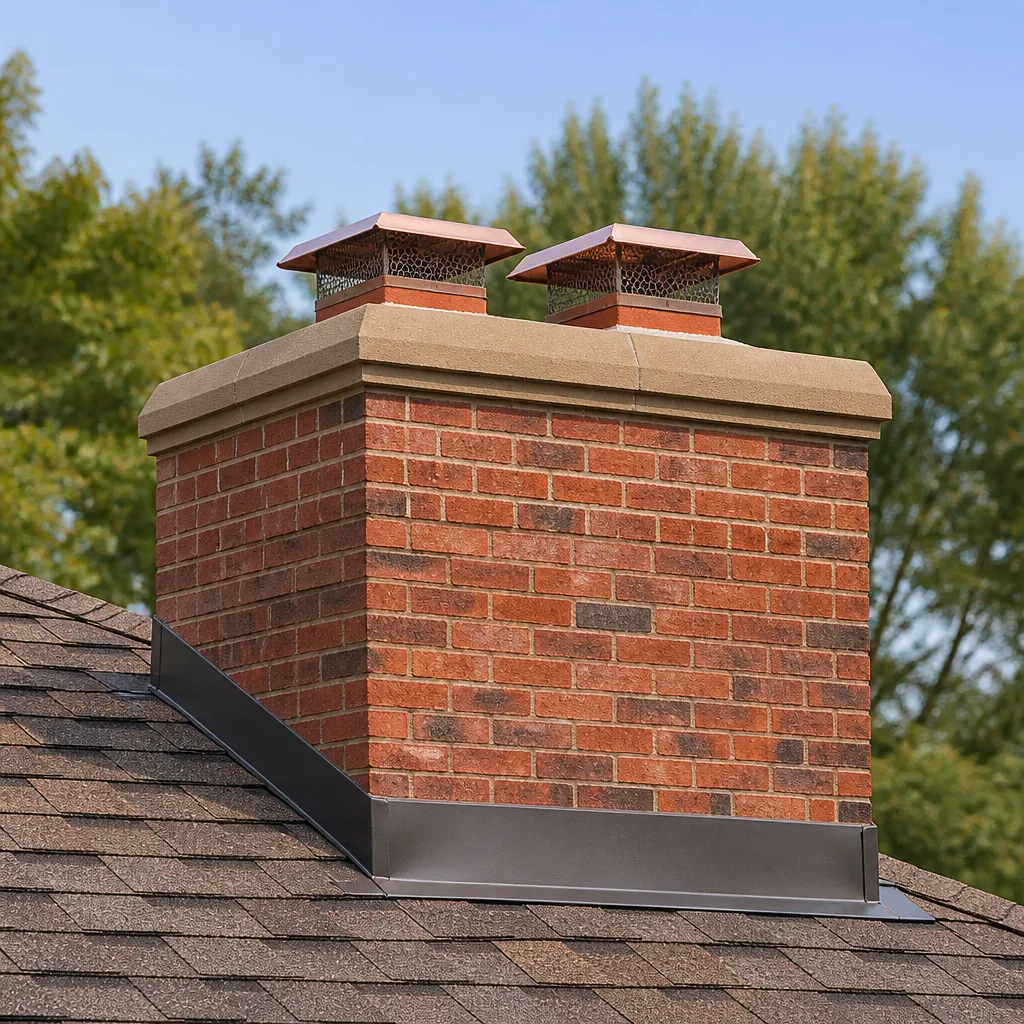
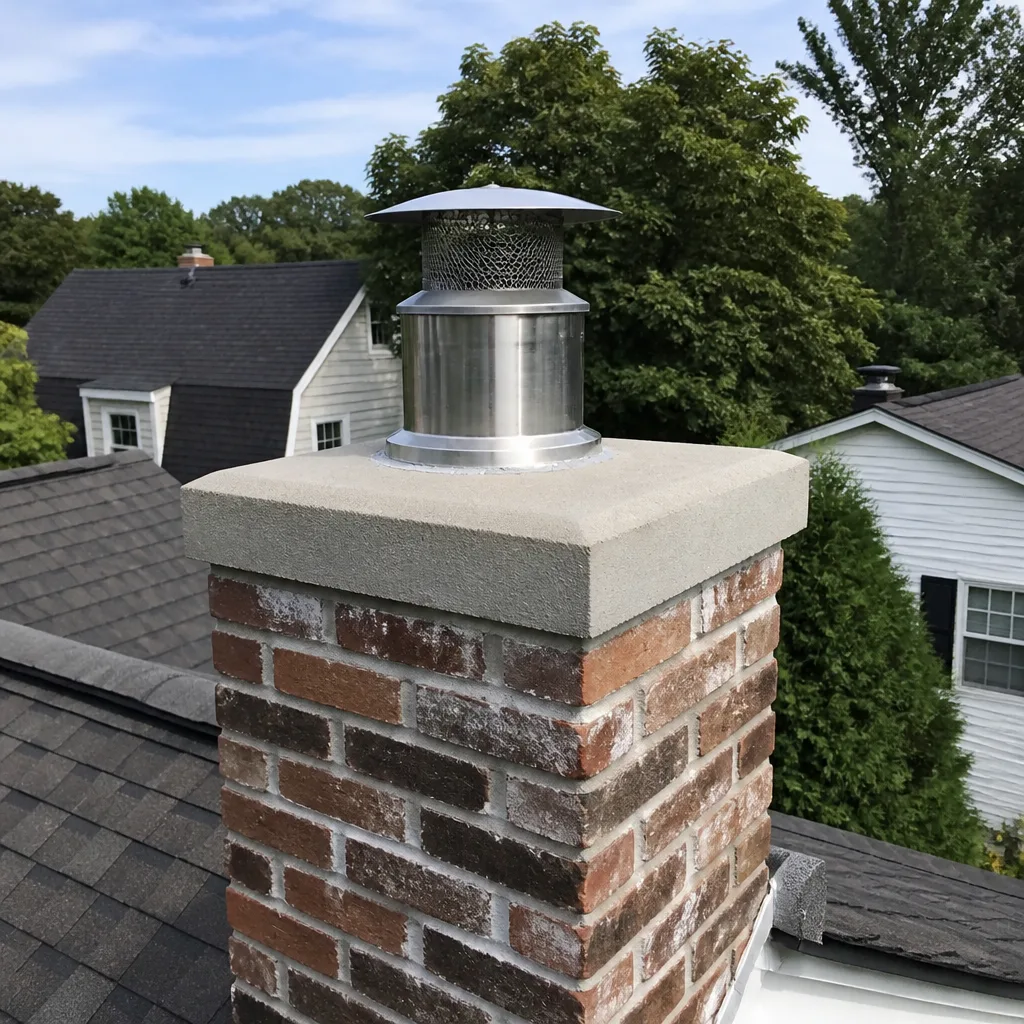
- The crown surface. The crown is the sloped concrete cap at the top of the chimney, and it cracks over time. A cracked crown lets water into the chimney structure, and in a Killeen spring thunderstorm that water finds every opening. You see the crown from the roof, not from inside the house.
- The flashing interface. Where the chimney meets the roof, the flashing and counter-flashing can pull away, and the first sign is usually a ceiling stain weeks later. A brush has nothing to say about this. A technician on the roof looking at the flashing seal does.
This is the argument for professional cleaning in one sentence: the cleaning is the vehicle, and the inspection is the point. A dedicated chimney sweep is trained to read all five of these areas during the same visit that removes the soot. That’s why our sweeps include a camera inspection and a photo report. The photos exist so you can see what we see, rather than taking our word for it.
The Real Equipment Cost of a DIY Sweep
The $60 brush kit is the entry ticket, not the total. Here’s what a proper one-time DIY setup actually runs, in typical ranges:
| Item | Typical cost |
|---|---|
| Rod-and-brush system sized to your flue | $60 – $120 |
| Drop cloths and floor protection | $20 – $40 |
| HEPA vacuum for cleanup | $60 – $120 |
| Inspection mirror and bright light | $15 – $30 |
| Respirator and eye protection | $20 – $40 |
Add it up and you’re in the $175 – $350 range for a setup you’ll use once or twice and then store in the garage next to the power washer you used in 2022. That’s roughly what the equipment costs. It doesn’t include the ladder setup for roof access, the camera for the flue, or the training to interpret what you’re looking at. And the equipment still can’t do the diagnostic work: the mirror and light will help you see a firebox wall, but they won’t tell you whether that hairline crack is a structural signal or a cosmetic mark, because that judgment is the skill.
We’re not arguing the equipment is a bad purchase on cost alone. We’re pointing out that the cost comparison people usually run (“$60 for a brush vs a service call”) leaves most of the real numbers out on both sides. If the goal is removing light soot from a known-sound flue, the DIY kit does the job affordably. If the goal is knowing whether your chimney is safe, the brush never got you there in the first place.
Stage-One vs Stage-Two Creosote: Why It Changes Everything
Creosote isn’t one substance. It forms in stages, and the stage matters more than the total amount. This is the distinction that makes DIY advice either sound or dangerously incomplete, so it’s worth slowing down on.
- Stage one: light, flaky, soot-like creosote. Brushes off with standard tools. This is the layer a homeowner with the right brush can genuinely remove.
- Stage two: crusty, harder deposits with a darker, sometimes slightly shiny surface. Brushing at the surface breaks the top layer but doesn’t fully remove it, and brushing can smear it further into the flue surface. Removal usually needs a chemical pre-treatment applied before sweeping, then a proper brush sequence to lift the softened layer. Homeowners generally don’t know this product exists, and applying it wrong is worse than not applying it at all.
- Stage three: glazed, tarlike, hard as a candle. This is a fire risk with almost no home remedy. It’s a professional removal problem, often with specialized tools or, in severe cases, liner replacement.
Here’s why stage two is the crux. A homeowner who brushes a stage-two flue and sees a bucket of black soot has every reason to believe the job worked. The surface looks darker and cleaner. But stage two partially removed and smeared is a worse condition than stage two left alone, because the glaze is now closer to the surface and easier to ignite. The cleaning didn’t cause a problem. It obscured one. That’s the mechanism behind the documented scenario where a DIY cleaning comes before a chimney fire, and it’s why we don’t recommend brushing a flue you haven’t had inspected.
Your flue’s stage is a function of how you burn more than how often you burn. Wet wood, closed dampers, choked air supply, and slow smoldering fires all push creosote toward the harder stages. A Killeen homeowner who burns properly seasoned hardwood with the damper open will often stay in stage one. One who burns green wood or smolders fires overnight will get to stage two much faster, and no amount of frequent brushing fixes it. That’s a firebox habit problem, and it’s something a technician can coach you on during the sweep.
The False Confidence Problem
The most dangerous outcome of a DIY sweep isn’t a botched cleaning. It’s a successful-looking one. A cleaning that removes soot and leaves a homeowner satisfied has done its job on the surface and possibly created a dangerous assumption underneath: that the chimney has been checked because it has been cleaned. Those are different things, and the gap between them is where problems hide.
Think about what a homeowner actually learns from a DIY sweep. The flue went in and out. Some soot came down. The fireplace still drafts. Everything looks fine. None of that tells you the joint at fourteen feet is open. None of that tells you the crown is cracked on the roof side or the firebox back wall has a hairline crack that’s been widening for a season. Those are the conditions that turn a fireplace into a problem, and they don’t announce themselves until they’re a real hazard.
We’ve seen this pattern in Killeen often enough to recognize it. A homeowner takes good care of their fireplace, sweeps it once a year, feels responsible. Meanwhile the liner has a joint issue that’s been leaking hot gas for a while. The sweeping was real work. It just wasn’t the work that mattered. The false confidence is more expensive than the brush kit because it delays the inspection that would have caught it.
The fix is simple in concept. Get a professional inspection with a camera, see the flue on a screen, and then decide what you want to do about cleaning going forward. Once you know the flue is sound, the DIY sweep is a reasonable option with no false confidence attached. You’re maintaining something you’ve verified, not guessing at a system you haven’t.
Why Killeen’s Climate and Housing Shape the Decision
Central Texas doesn’t demand chimneys the way colder regions do, and that changes how people use fireplaces here. Winters are mild, fires are occasional, and a lot of Killeen fireplaces sit idle for months and then get used on the handful of cold nights each season. Occasional use isn’t automatically safe use. A chimney that fires up fast on a cold night and then cools down is more likely to build creosote than one that runs consistently, because the flue never gets hot enough to burn off the deposits. Homeowners who only burn a dozen times a year sometimes assume they don’t need service. The flue doesn’t care how often you burn. It cares about what’s in it.
Housing stock in Killeen matters too. A lot of the area’s homes have masonry chimneys with clay tile liners, which are durable but develop joint problems over time, and those problems are invisible without a camera. Older chimneys in neighborhoods around Killeen often have crowns that have taken years of Texas sun and seasonal storms, and crowns crack. The dry, hot summers followed by wet springs are hard on the concrete surfaces at the top of a chimney. We routinely find crown cracks on chimneys whose interiors are fine, and the reverse, which is why we look at both.
What you can do with this local context: get a baseline inspection before your first fire of the season, then use that baseline to decide whether the DIY sweep makes sense for the next few years. On a masonry chimney in Killeen with a sound liner and a solid crown, a homeowner with the right brush can maintain the flue between professional inspections. On a chimney with unknown history, or one that hasn’t been looked at since the house was purchased, the inspection comes first. If you’re not sure where yours falls, our chimney repair and inspection team can tell you during a single visit.
How We Decide: A Step-by-Step Framework
When a Killeen homeowner asks us whether they should clean their own chimney, we run through the same sequence. It’s not complicated, but each step has to come before the next one.
- Has the chimney been inspected within the last year, and is the flue sound? If yes, move to step two. If no, get the inspection first. Nothing below matters until you know the flue is intact.
- What does the creosote stage look like? If it’s stage one and light, DIY is a reasonable option. If it’s crusty or glazed, it’s a professional job, and brushing it yourself can make it worse.
- Is the flue straight and accessible from either the firebox or a safe, flat roof position? If it has offsets or requires roof work on a pitch, use a professional.
- Do you have the right brush size and material for your liner? Clay liners, metal liners, and stainless flexible liners like the DuraFlex systems we install each call for a different brush. Get this wrong and you can damage the surface.
- Are you willing to store and maintain the equipment? The rod-and-brush set needs to stay clean and dry. Improvised tools or equipment left in a shed will underperform.
- Can you do it without roof risk? If reaching the top of the chimney means a ladder on a pitch or a wet roofline, it’s a professional job regardless of everything above.
If every step lands on the DIY side, the DIY sweep is a good call, and we’ll tell you so. Most homeowners land on the professional side at step one. That’s not a sales message; it’s how the order of operations works. The inspection precedes the decision, not the other way around.
Common Mistakes to Avoid
- Cleaning a flue you haven’t had inspected. This is the mistake that makes everything else worse, because it creates false confidence that the chimney has been checked. Get the inspection first; it costs less than the consequences and it’s the whole point of professional service.
- Using the wrong brush for your liner. Wire brushes on metal liners score the surface, and oversized brushes can crack a clay tile. A cracked tile is a repair, not a cleaning issue, so match the brush to the liner before you go up.
- Smearing stage-two creosote. If the walls are crusty or slightly shiny, a standard brush will smear the deposit deeper instead of removing it, and you’ll be closer to a fire hazard than when you started. Chemical pre-treatment comes first, and that’s a professional step.
- Ignoring the smoke shelf. The most common creosote trap in a fireplace is the ledge behind the damper, and it’s the hardest place to reach from below. It’s also one of the areas a camera inspection reads.
- Skipping the roof. A cleaning that never goes to the top of the chimney misses the crown and the flashing entirely, and those are where water damage and structural issues start. Water intrusion in a Killeen rainstorm can move through a cracked crown fast.
- Assuming mild winters mean less buildup. Occasional fires in a flue that never stays hot can build creosote faster than steady use. A Killeen homeowner who burns a dozen times a year is not exempt from the inspection schedule.
- Trusting a handyman with a brush. Chimney work has a distinct skill set: camera reading, liner assessment, and stage-two treatment. A generalist adding chimney cleaning to their menu will not have the tools or the training to see what’s inside your flue.
When to Call a Professional
Some situations have a clear answer. Call a professional if the chimney hasn’t been inspected in the last year; if you’ve moved into a home and don’t know the fireplace’s history; if the creosote looks crusty or glazed rather than flaky; if the firebox has visible cracks in the firebrick; if the crown looks cracked or the flashing pulled away from the roof; if smoke backs up into the room; if there’s a smell in the house when the fireplace isn’t in use; if you’re burning more than a cord or two a season; or if your roof isn’t flat and safe. Any one of those is enough to make the call.
The other scenario that gets overlooked: needing a formal inspection for insurance or a real estate transaction. That’s paperwork as much as cleaning, and a do-it-yourself sweep won’t produce the report. If a lender, insurer, or buyer is asking, you need the inspection service, not a brush.
Chimney Sweep Killeen offers free estimates in Killeen. Call (866) 942-9240. We answer 24/7. Fast dispatch from 7am to 7pm, Sunday through Friday. Our technicians have up to 11 years of experience, and every visit covers sweep, inspection, and a photo report so you can see what we found. We’re a chimney specialist, not a generalist, and our service lineup is the three things a chimney actually needs: sweeping, repair, and inspection.
Frequently Asked Questions
You can clean your own chimney if it’s already been inspected and pronounced sound, the flue is straight and accessible, and the creosote is light stage-one soot. You cannot safely clean it if the flue is uninspected, the creosote is crusty or glazed, or reaching the top requires roof work on a pitch. The inspection is the condition that has to be met first, and it’s the part DIY doesn’t cover.
Professional chimney cleaning in Killeen typically runs in the mid-hundreds for a sweep with an inspection included, and the exact price is set per job by a written estimate. Call (866) 942-9240 for a free estimate and we’ll price your specific chimney. Our estimates are free and our sweeps include a camera inspection and photo report, which means you’re paying for the diagnostic, not just the brushing.
Brushing itself doesn’t cause a fire, but brushing a stage-two flue can smear the creosote deeper and make it easier to ignite later, which is why a DIY cleaning can sit before a fire without having caused it. The mechanism is obscured symptoms, not a spark. The chimney had a problem the cleaning didn’t reveal, and the homeowner had no reason to keep looking.
The usual guidance is once a year for a chimney in regular use, and more often if you’re burning a lot of fires, burning unseasoned wood, or noticing buildup. For Killeen homeowners with occasional fires, the annual inspection still applies even when the sweep can be less frequent. The inspection is the appointment that tells you whether the sweep is needed this year.
Stage one is light, flaky, brushable soot that comes off with a standard brush. Stage two is a crustier, sometimes slightly shiny layer that a brush smears rather than removes, and it usually needs a chemical pre-treatment before sweeping. If the flue walls look shiny or tarlike, that’s stage two or stage three, and it’s a professional job.
Yes, and it should happen before the first DIY cleaning. The inspection tells you the flue is sound, which is the condition that makes DIY cleaning safe in the first place. Without it, you’re brushing a surface you haven’t evaluated, which is exactly the false-confidence problem this guide exists to prevent.
It depends on the liner and the damage. We use HeatShield resurfacing to restore deteriorated flue tiles without full demolition, and DuraFlex flexible liner systems when the liner needs replacing rather than resurfacing. A camera inspection tells you which repair applies. If you’re not sure what’s in your flue, that inspection is the place to start.
The Bottom Line
DIY chimney cleaning is real work that does real cleaning, on a flue you’ve already verified is sound. The problem is that most homeowners who reach for a brush haven’t done the verification, which means the cleaning removes soot while leaving the actual condition of the chimney unknown. The equipment costs $175 – $350 for a one-time setup, the stage-two creosote problem makes brushing riskier than it looks, and the areas that matter most, the liner joints, crown, flashing, smoke shelf, and firebox wall, can’t be evaluated from the bottom of a flue. The professional visit is worth it because the sweep carries the inspection. If you’re in Killeen and haven’t had your chimney looked at, start there. Call (866) 942-9240 for a free estimate. We answer 24/7. Fast dispatch from 7am to 7pm, Sunday through Friday. Serving homeowners in Killeen.
Written by the team at Chimney Sweep Killeen.
See the difference
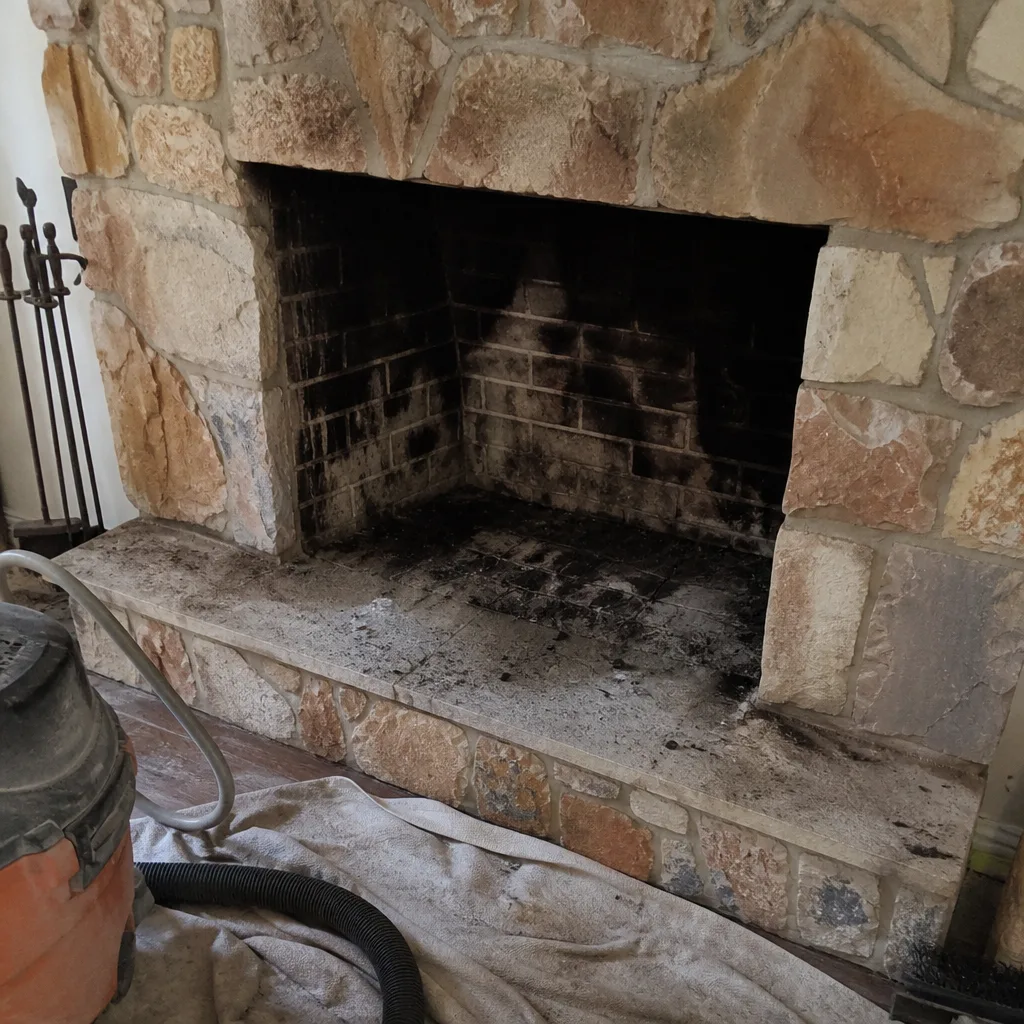 Before
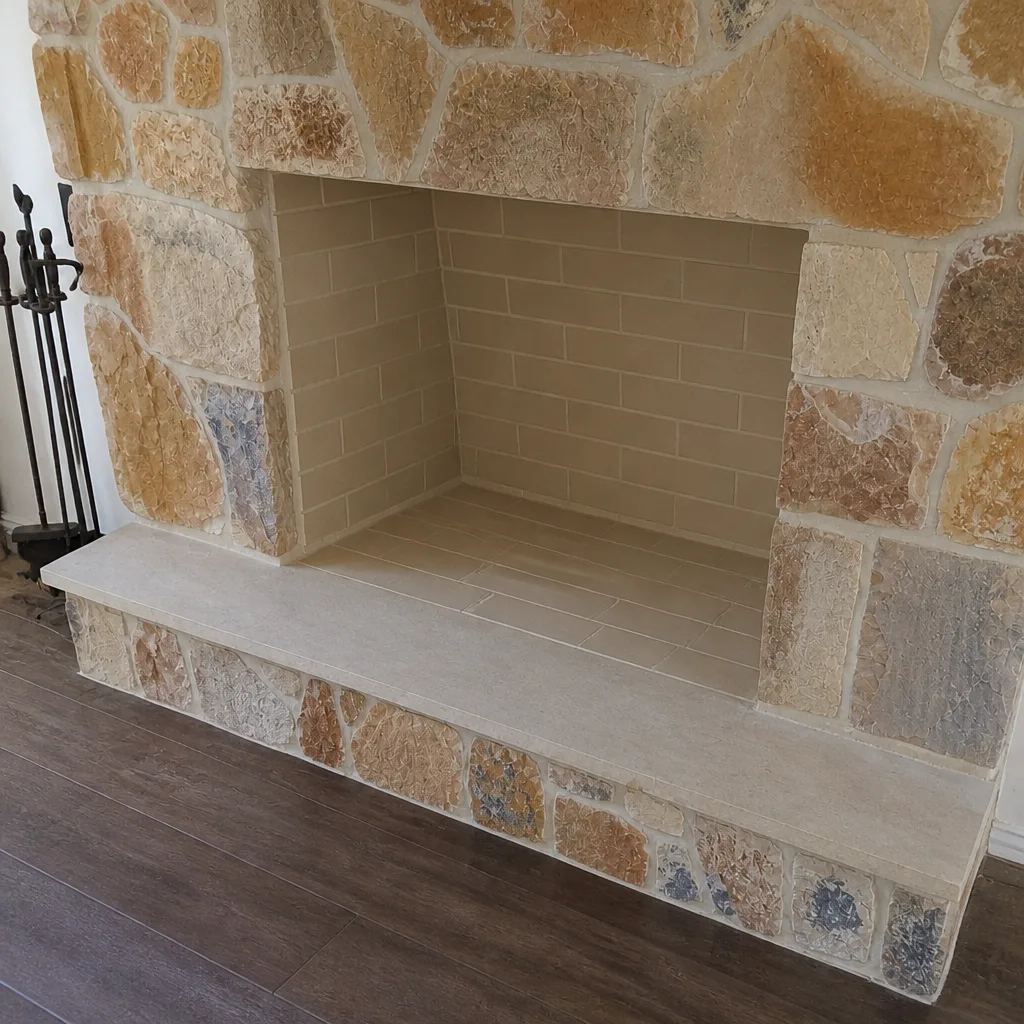 After
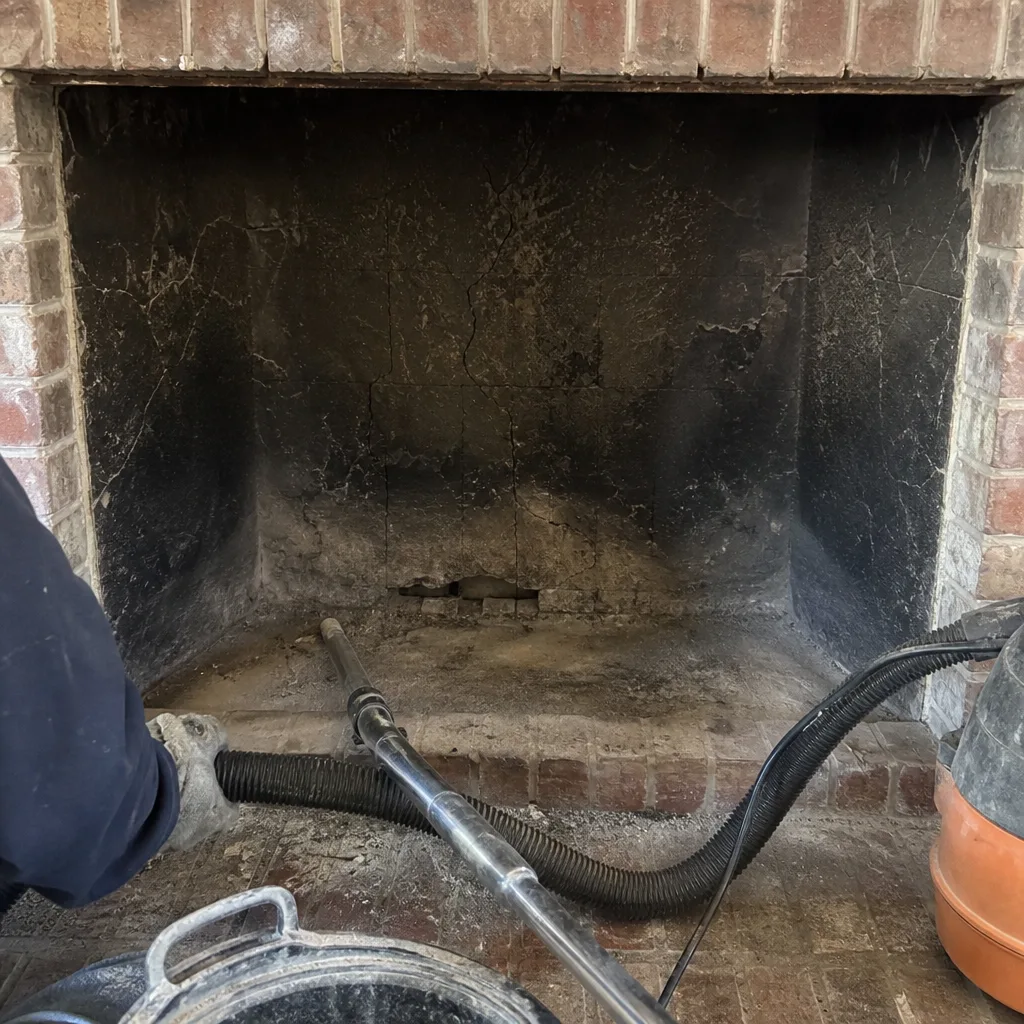 Before
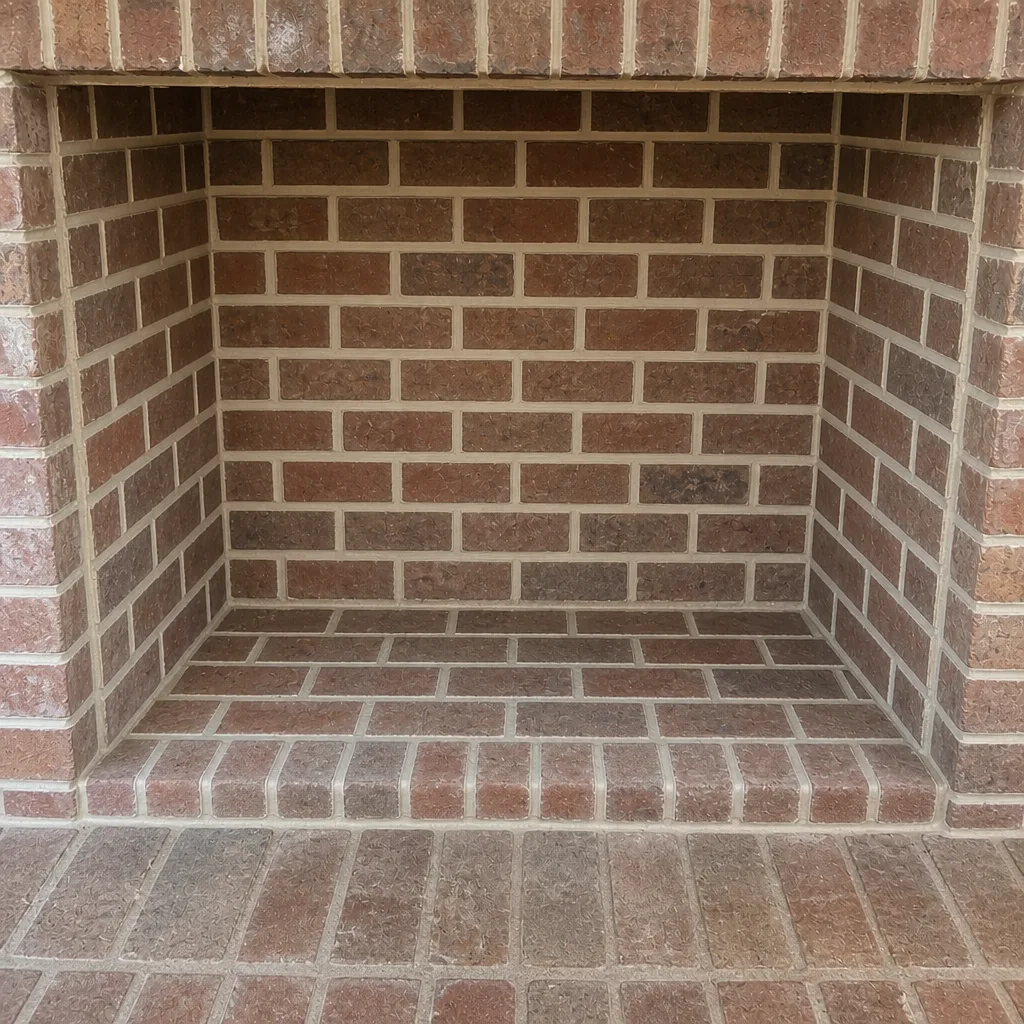 After
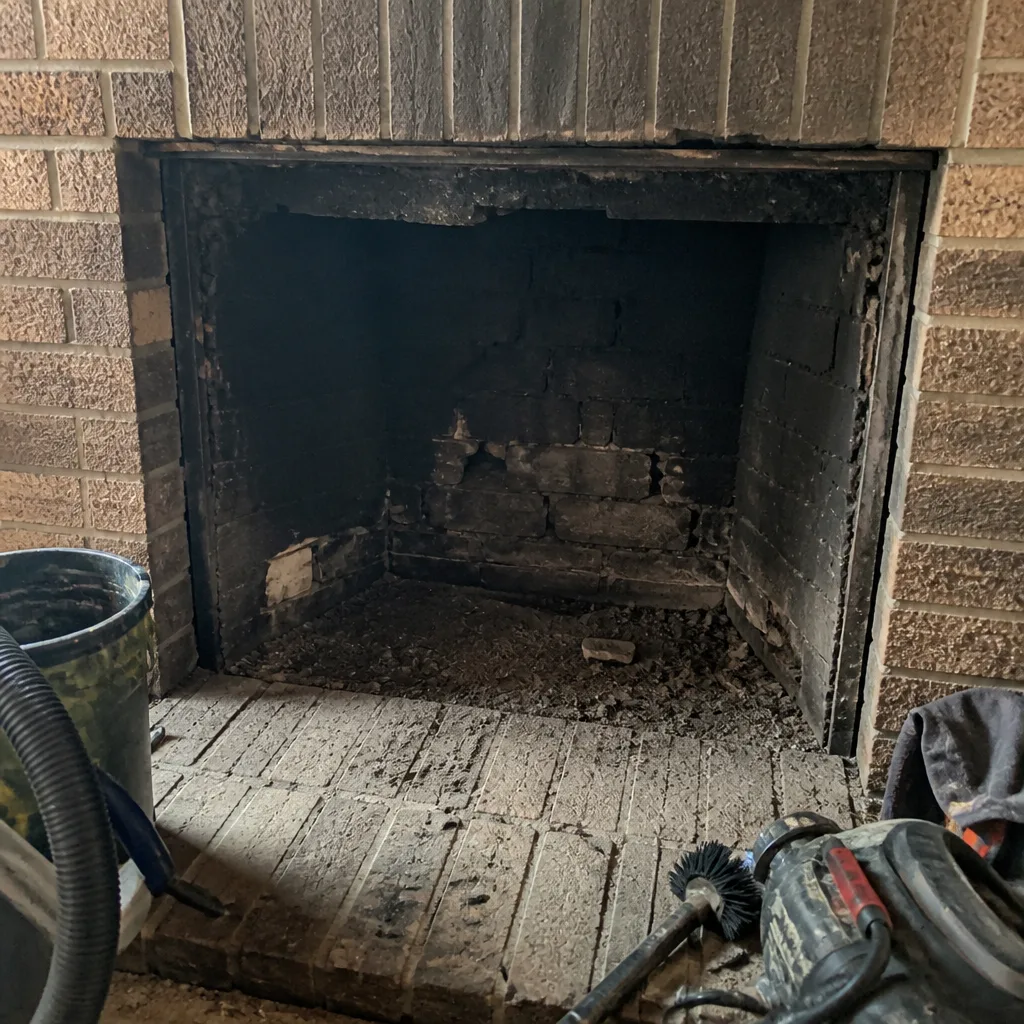 Before
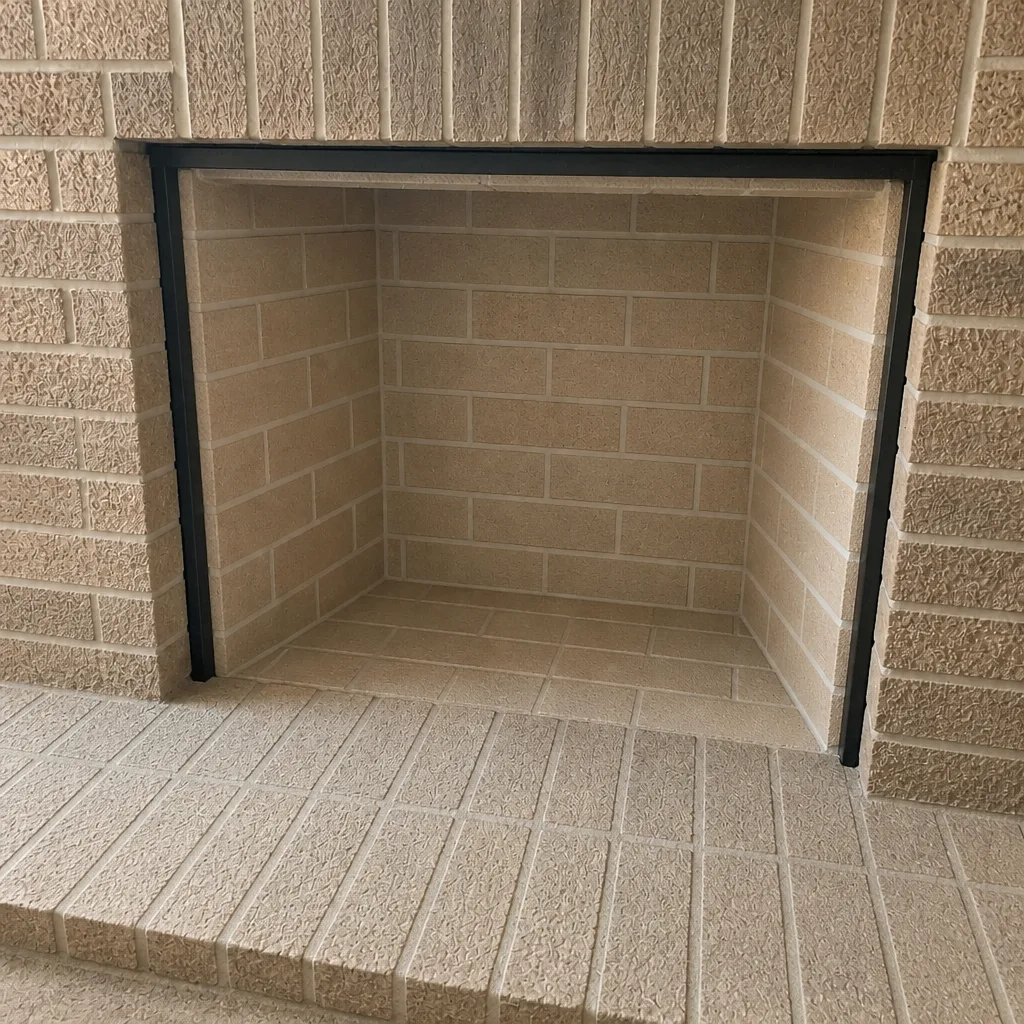 After