
Last updated November 16, 2026
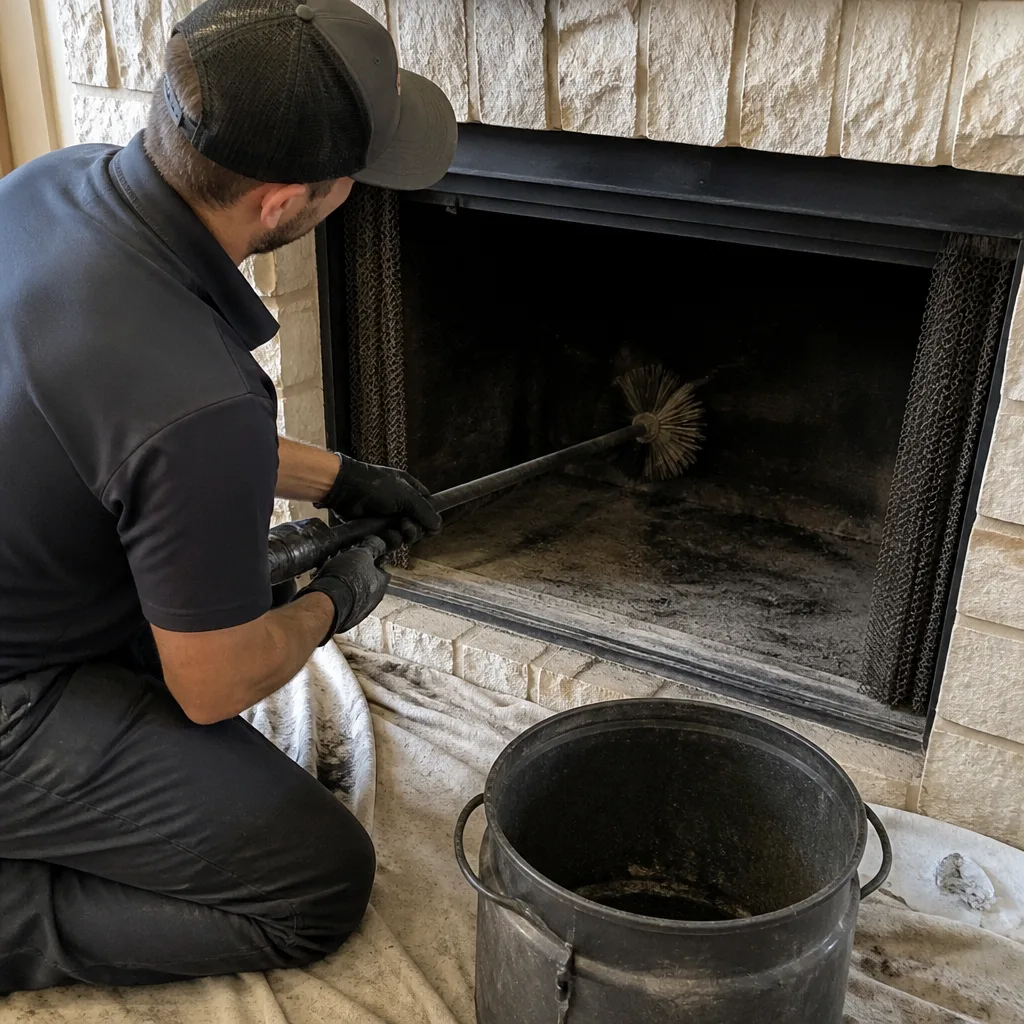
 Sweep & inspection
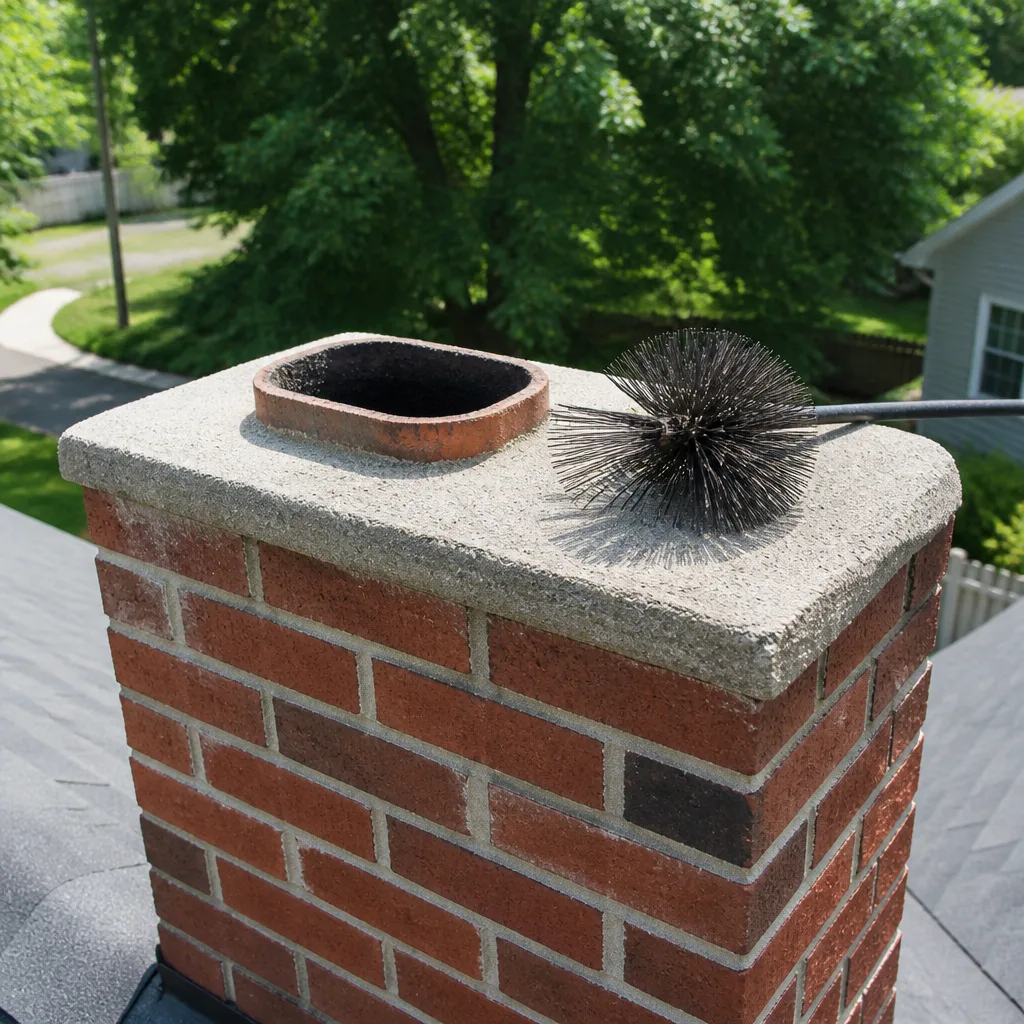
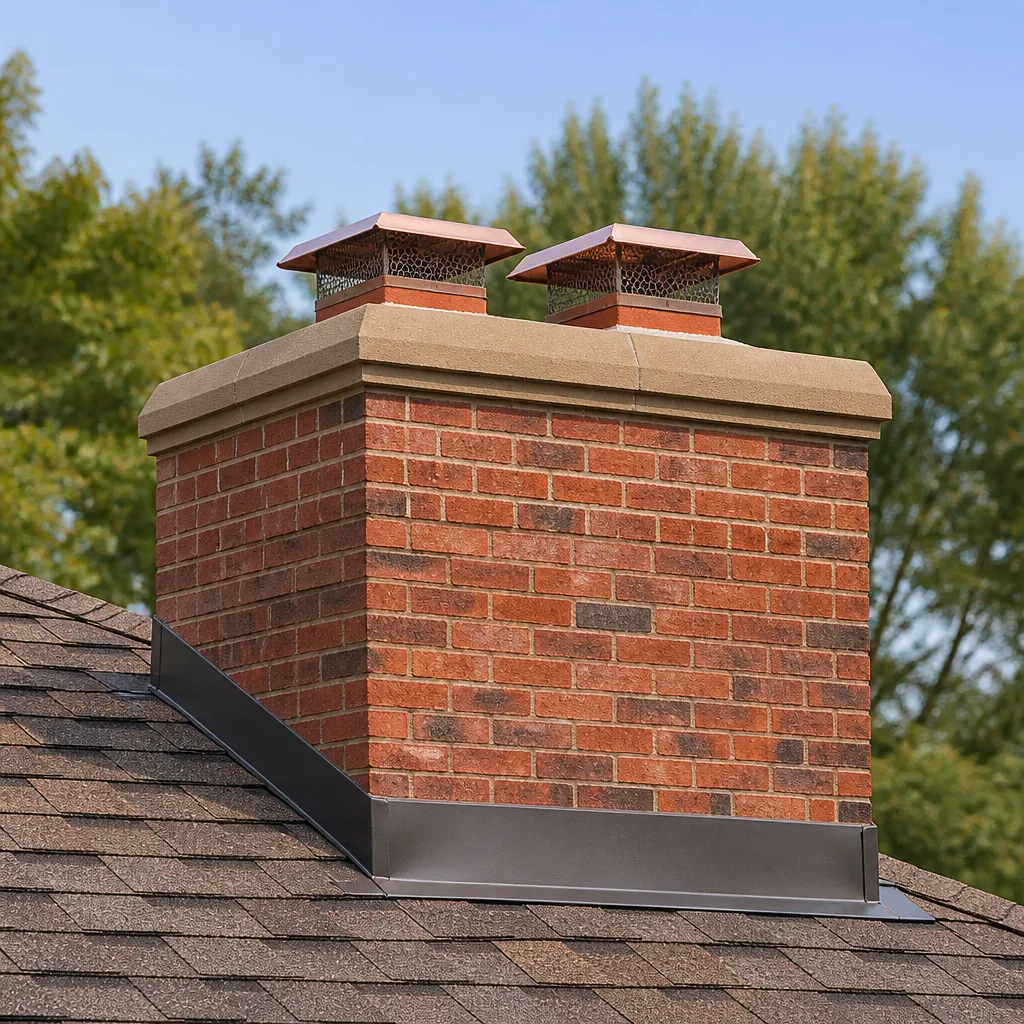 Caps & crowns
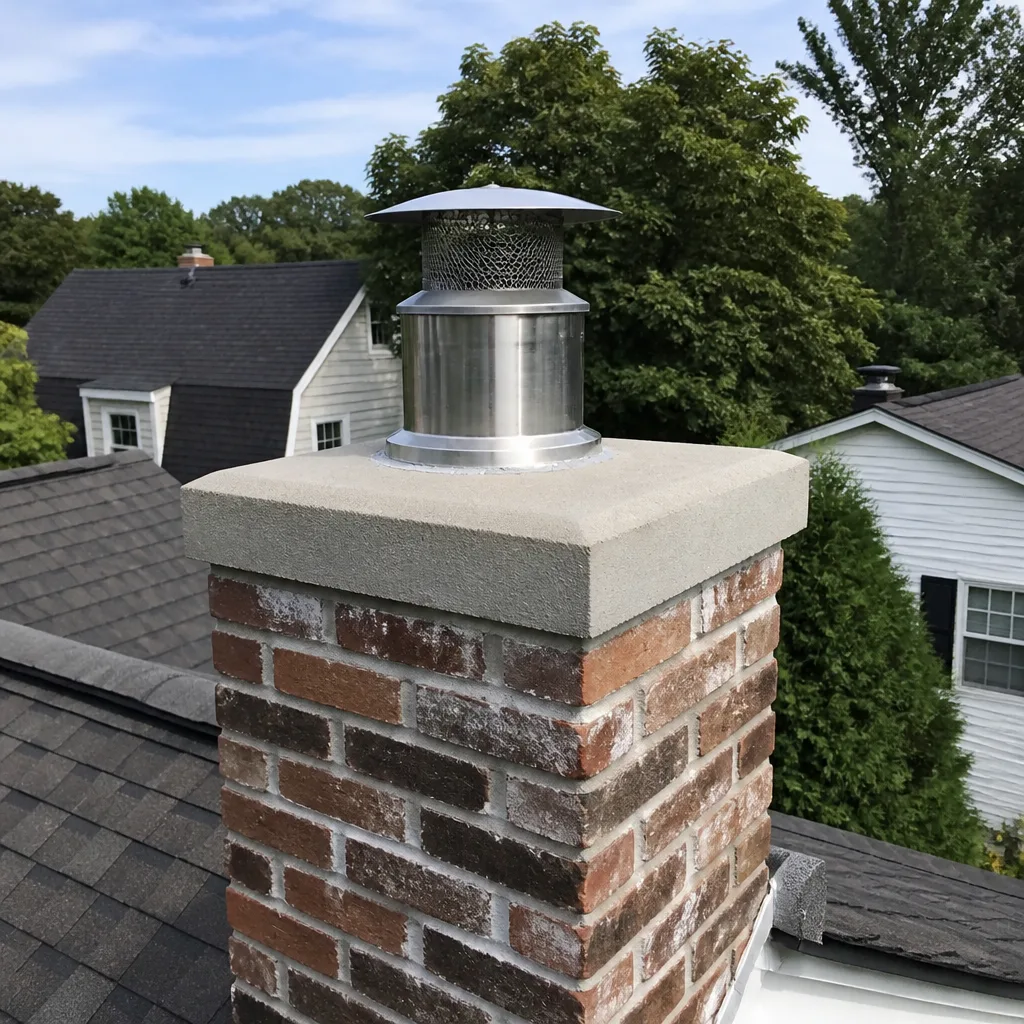 Flue relining
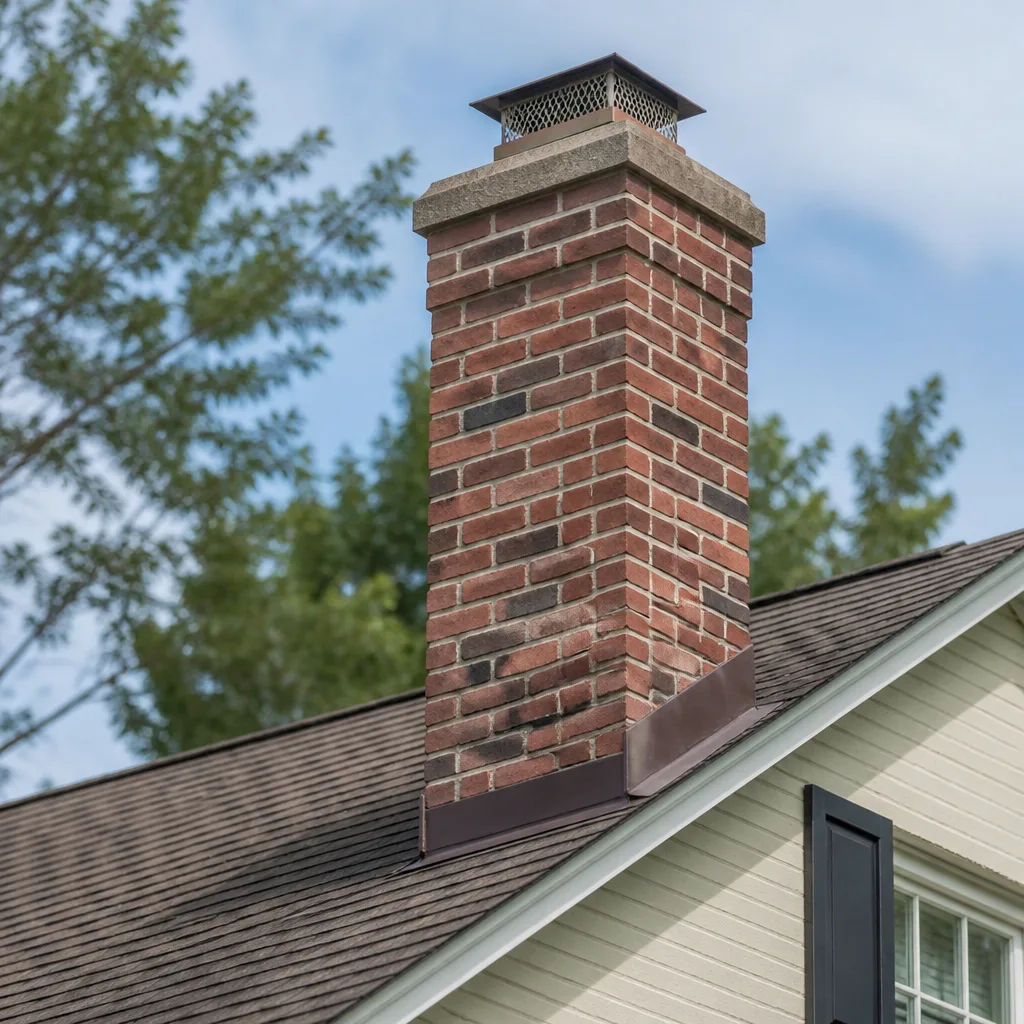 Masonry repair
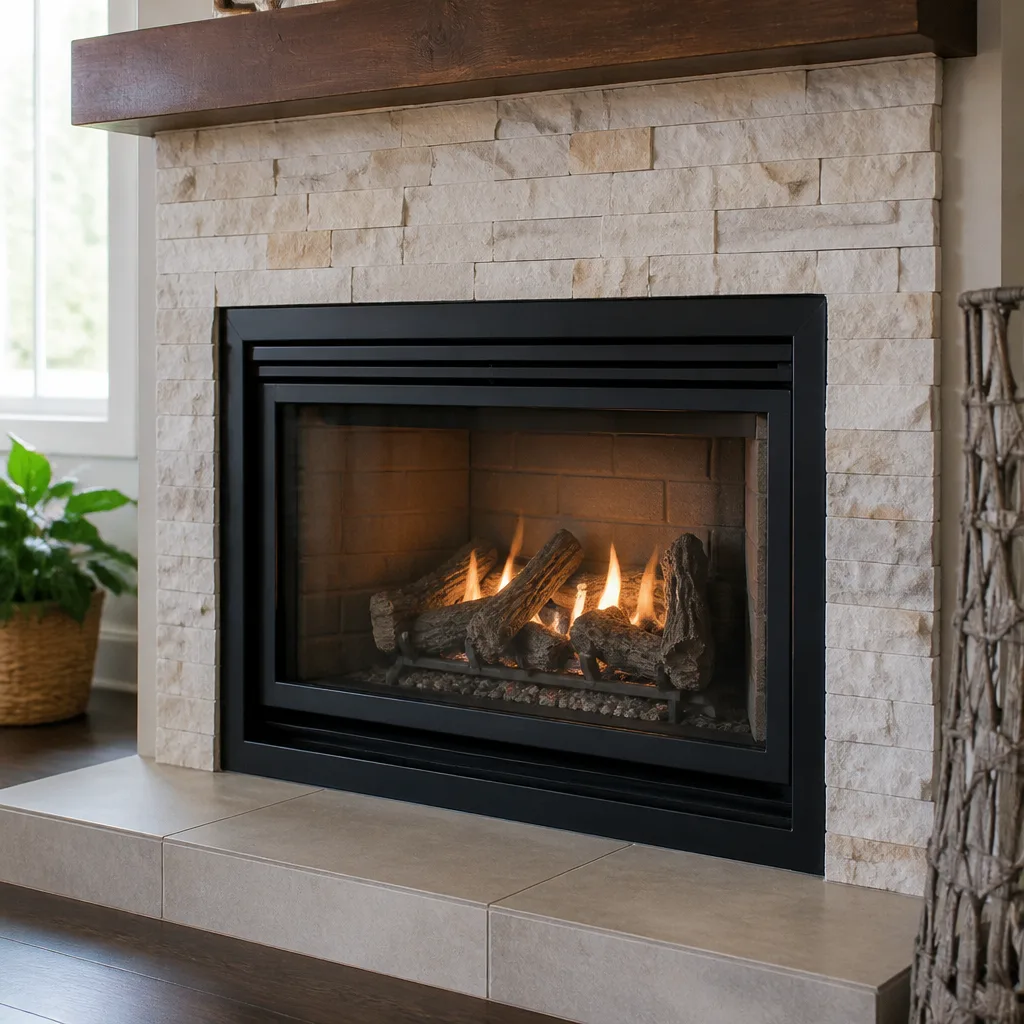 Gas fireplace service
Level 1 sweep and inspection to the NFPA 211 annual standard - flue, crown, cap, and flashing checked and photographed
Chimney sweep logs do not sweep chimneys. They loosen some creosote - which then falls where a brush and vacuum still have to collect it.
Seasonal Chimney Cleaning Care for Killeen: Year-Round Homeowner’s Guide
Scheduling your chimney cleaning in October is too late for Killeen. By the time the first cool front rolls through, the long Central Texas summer has already been at work inside your flue – pulling moisture into unused masonry, loosening mortar joints, and stressing the cap and flashing on your roof. Most chimney guides are written for New England and the Upper Midwest, where the calendar is simple: clean in fall, burn all winter, forget it until next year. That calendar doesn’t match how homes in Killeen actually live. Our winters are mild enough that a fireplace gets occasional use right through February, and our summers are humid enough that an idle chimney is never truly idle. This guide lays out a Killeen-specific seasonal care schedule: what to check in August, what to clean in September, what to watch in January, and what to assess in April when the burn season ends. You’ll learn how humidity drives masonry damage here, why our short freeze events cause more spalling than a Minnesota winter, and which off-season tasks most homeowners never hear about.
Styles & brands we work with
- Sweep & inspection
- Caps & crowns
- Flue relining
- Masonry repair
- Gas fireplace service
Quick Answer
For Killeen homeowners, the right chimney cleaning schedule is not one annual fall sweep but a four-point cycle: an inspection in late summer (August), cleaning and any needed repair in September before the first fire, a mid-season check in January, and a post-season moisture assessment in April. Because Central Texas humidity between May and September drives condensation inside unused flues, and because our short, unpredictable freeze events cause more masonry spalling than sustained cold, the summer months matter more here than the fall. Homeowners who follow the generic “clean in October” advice are usually a season behind. Call (866) 942-9240 to book a sweep or inspection before the burn season starts.
Table of Contents
- Why the Standard Chimney Calendar Doesn’t Fit Killeen
- What Summer Humidity Does to an Unused Chimney
- The Four-Point Killeen Chimney Calendar
- How Killeen’s Short Freeze Events Damage Masonry
- Off-Season Tasks Most Guides Ignore
- Gas Fireplaces vs. Wood-Burning: Different Seasonal Care
- How Creosote Builds Differently in a Mild-Winter Climate
- Common Mistakes to Avoid
- When to Call a Professional
- Frequently Asked Questions
Why the Standard Chimney Calendar Doesn’t Fit Killeen
Most chimney care advice assumes four distinct seasons with a long, cold winter. Killeen doesn’t work that way. We get a short stretch of genuinely cold weather, a long humid summer, and a spring that can swing from cool to hot in a week. That pattern changes when chimney problems actually develop, and it changes what a maintenance schedule should look like.
The core issue is moisture. A chimney is a masonry structure, and masonry holds water. In colder climates, the big threat is freezing and thawing over months. In Killeen, the bigger threat is the sheer length of the humid season. From May through September, warm, moist air sits against and inside your chimney. If there’s any crack, gap, or missing mortar, that moisture finds it and stays there. It doesn’t freeze and expand most of the year – it just sits, dissolving mortar and softening the surfaces it touches.
Then there’s the burn schedule. Because our winters are mild, many Killeen homeowners use the fireplace occasionally and unpredictably: a few fires in December, a few in February, none in between. That intermittent burning is actually harder on a chimney than steady use, because the flue never stays warm and dry. Each fire heats the chimney and drives moisture out; each cold spell afterward pulls moisture back in. The cycle repeats.
So the classical one-and-done fall cleaning misses most of what’s happening. A chimney in Killeen needs eyes on it after the humid season, not just before the first fire. In our experience, a chimney that looked fine in November can show new mortar deterioration by the following August if the cap or crown has a defect.
- Long humid season: May through September keeps masonry damp and accelerates mortar erosion.
- Mild, unpredictable winters: occasional fireplace use extends into February and keeps the flue cycling between wet and dry.
- Short freeze events: brief cold snaps create more spalling than a steady cold winter because masonry goes into the freeze wet.
- Spring storms: wind and rain test the cap and flashing right after the burn season ends.
If you want the cleaning itself handled properly, a chimney sweep in Killeen should be done before the first fire, after the long dry-out – which in our climate points to September.
What Summer Humidity Does to an Unused Chimney
An unused chimney is not a dry chimney. Through the Killeen summer, warm humid air moves through the flue and around the masonry. Where it meets a cooler surface, it condenses. That’s the whole mechanism, and it has two consequences most homeowners don’t know to look for.
Mortar joints. Mortar is the softer part of a masonry chimney, and it’s the first thing moisture attacks. Condensation that soaks into a mortar joint softens it over the season. Soft mortar crumbles under its own weight. Once a joint fails, the brick above it loses support, and you get the classic loose-brick situation that looks minor from the ground but is a structural issue at the top of the stack.
Liner surfaces. If your chimney has a clay tile liner, or one of the flexible stainless systems like DuraFlex, the interior surface takes the same condensation load. Clay tiles are especially vulnerable: a hairline crack from a prior fire lets moisture into the tile body, which weakens the tile further. A damaged flue tile is the pathway for heat to reach nearby combustible material, which is exactly the situation a chimney repair visit is meant to catch before it becomes dangerous.
Here’s what a homeowner can realistically check without climbing – and what should always be left to a trained professional:
- Look at the firebox and how it feels. A persistent damp, musty smell during summer suggests moisture is present. Note it and mention it at inspection.
- Check for rust on the damper and firebox. Rust points to moisture exposure inside the chimney system.
- Look for white, chalky residue on exterior brick. That efflorescence pattern usually means moisture is moving through the masonry.
- Do not climb onto the roof to inspect the crown or flue. Roof work is a fall hazard and the interior of a flue should not be examined by an untrained eye.
The most useful thing you can do about summer moisture is schedule an inspection after the humid season, when the damage (if any) is fully visible. That’s the August appointment on the calendar below.
The Four-Point Killeen Chimney Calendar
This is the schedule we recommend for Killeen homes with a wood-burning fireplace. It’s built around when problems actually appear in this climate, not around a generic fall-cleaning habit.
1. Late August: Inspection
Book the inspection at the end of the humid season. By August, any moisture damage from the summer has fully developed, and you’re seeing the chimney as it actually is, not as it was in spring. A professional inspection looks at the flue interior, the crown and cap, the mortar joints, and the flashing at the roofline. If the inspection finds problems, you have time to repair them in September before you need the chimney. A chimney sweep and inspection coverage together means the whole system is assessed in one visit.
2. September: Cleaning and Repair
Clean the chimney before the first fire. Any creosote that built up during the prior burn season comes out now, and any repair identified in August gets done now, when there’s no urgency and a written estimate you can review before work starts. If the draft was weak, the damper was sticking, or the liner showed damage, this is the moment to correct it. Waiting until October or November leaves you with a squeezed schedule and less room to fix something unexpected.
3. January: Mid-Season Check
A mid-season check is short and mostly visual – a look at creosote accumulation, the damper operation, and how the chimney is performing. If you burn a lot in December and January, this is a reasonable point to see how much soot has built up before the rest of the season. It’s also a good time to confirm the cap hasn’t been disturbed by winter wind.
4. April: Post-Season Moisture Assessment
After the last fire, assess what the burn season left behind and what the humid season is about to do to it. This is when you check the crown, cap, and flashing – the exterior parts that take storm damage – and confirm the damper closes fully so summer moisture isn’t drawn in through an open flue. April is the natural boundary between the burn season and the humid season.
How Killeen’s Short Freeze Events Damage Masonry
You’d think a colder climate would be harder on masonry, and in some ways it is. But a handful of short freeze events can be worse than a long, steady cold season. Here’s why.
Water expands when it freezes. In a chimney, that expansion happens inside the masonry itself. If the masonry is dry when the freeze arrives, the risk is limited. If it’s wet – and in Killeen, after months of humidity, it usually is – the water inside the brick and mortar expands and pushes outward. That’s spalling: the face of the brick pops off, mortar crumbles, and the structure loses integrity. Each freeze event does its damage in a few hours, and then the thaw releases the pressure until the next cold snap.
A constantly cold climate has one long freeze that starts early and ends late, but the masonry there is often drier because there’s less humid season feeding it. In Killeen, the masonry goes into a cold snap already wet. Then it thaws, gets wet again through the humid spells between fronts, and freezes again. Every swing is a chance for a new crack.
What homeowners can do:
- Keep the crown and cap sound. A good crown sheds water off the top of the chimney; a cracked one lets it in. The crown is a common failure point, and HeatShield resurfacing is one way to restore a deteriorated flue without tearing it out.
- Maintain mortar joints. Tuckpointing a soft or missing joint stops water from entering the wall below it.
- Watch the flashing. Where the chimney meets the roof, flashing is the seal that keeps water out. If it lifts or cracks, moisture gets into the chimney and roof structure together.
Freeze-thaw spalling is not a cosmetic issue. Left alone, it moves from surface damage to structural damage, and the cost of chimney repair increases with each season it’s ignored.
Off-Season Tasks Most Guides Ignore
Once you stop burning for the season, the chimney doesn’t stop needing attention. Three off-season tasks matter more in Killeen than most guides acknowledge, because each one targets the way our weather actually behaves.
Cap integrity after spring storms
Spring storms in Central Texas bring wind and heavy rain. The chimney cap – the cover over the top of the flue – has a single job: keep water, birds, and debris out of the flue. A cap that’s been bent, loosened, or beaten loose by a storm stops doing that job, and the summer humidity then has open access. A damaged cap is easy to miss from the ground; inspect it from a safe vantage point if possible, and always have a professional confirm its condition as part of a chimney inspection.
Flashing checks after summer heat expansion
Heat causes building materials to expand, and that includes the metal flashing at the base of the chimney where it meets the roof. The expansion-contraction cycle over a hot summer can open a gap in the flashing seal. That gap lets water into the roof and chimney structure. Checking the flashing before the fall rain season catches it early.
Damper lubrication before fall use
A damper that sat closed all summer can stiffen. Before the first fire, work it open and closed a few times and make sure it seats fully in the closed position. A damper that doesn’t close is one of the most common summer moisture pathways – it lets humid air straight into the flue. If it’s sticking or won’t seal, that’s a repair item to sort out in September, not something to force.
These aren’t emergency tasks, and most of them are quick. The point is that none of them appear on a generic fall-cleaning checklist, yet all three relate directly to Killeen’s weather. Handling them in the off-season is how you keep a chimney out of the “unexpected repair” column.
Gas Fireplaces vs. Wood-Burning: Different Seasonal Care
If you have a gas fireplace, you may have concluded the chimney doesn’t need cleaning. That’s a common assumption, and it’s worth examining. Gas fireplaces do produce combustion byproducts and do vent through the same chimney system – and the interior of that system still needs to be checked for damage, obstruction, and moisture.
Here’s how gas and wood-burning chimneys differ in seasonal care:
- Gas: The firebox and vent still need inspection, but the creosote load is much lower. Moisture damage to the flue and venting is still the main risk. Gas fireplace users in Killeen often skip cleaning entirely until something goes wrong – a draft that feels off, a smell, or visible moisture – because there was never a sooty firebox to signal the need.
- Wood-burning: Creosote buildup is the central concern, and the annual pre-season cleaning is the priority. A professional sweep removes creosote before the first fire, and an inspection confirms the flue tiles and liner aren’t damaged.
Both types have the same enemy in a Killeen summer: moisture. The difference is how you detect a problem. On a wood-burning chimney, the buildup is visible. On a gas chimney, early signs of wear are subtler – a soft seal at the vent top, a damper that isn’t snug, corrosion on the vent assembly. A dedicated chimney inspection catches those early, and it’s the only reliable way to know if a gas fireplace chimney is still doing its job.
Our recommendation for Killeen doesn’t change much by fuel type: inspect after the humid season, refresh the flue before use, and check the exterior after storms. What changes is the intensity of the cleaning and the specifics of what the technician is watching for during the inspection.
How Creosote Builds Differently in a Mild-Winter Climate
Creosote is the tar-like residue that forms when wood smoke cools as it moves up the flue. The faster it cools, the more of it condenses onto the chimney walls. In a mild winter, several things go wrong with that process.
First, fires are smaller. On a cool-but-not-cold evening, people build a quick fire to take the chill off, then let it die. Small fires burn cooler, and cooler smoke deposits more creosote. A roaring fire burns clean; a modest fire coats the flue.
Second, the fires are intermittent. The flue is warm for an evening, then cold for a week. Every time the flue goes from cold to warm and back, the chimney goes through its cycle of drawing in the moisture-laden air around it and then cooling it along the interior walls. That creates the conditions for creosote and moisture to combine into a stubborn, glazed residue. This is exactly why the pre-season sweep in Killeen should happen in September, before the burn season starts, not after.
How to keep creosote from quietly building:
- Burn dry wood. Wet wood produces more smoke and more creosote. Seasoned, dry wood burns warmer and cleaner.
- Build warmer fires. A modest, smoldering fire produces cooler smoke and more buildup than a hotter, well-managed fire with a good draft.
- Keep the flue clean before the season. A pre-season sweep removes accumulated creosote so it isn’t there to add to the next season’s load.
- Have the flue inspected. Creosote that reaches a heavy, glazed state needs more than a routine sweep, and it needs professional attention.
None of this requires you to time every fire perfectly. It means the annual cleaning and inspection can’t be skipped because the winter felt mild. A mild winter is exactly the kind that produces the most creosote.
Common Mistakes to Avoid
- Treating the Killeen calendar like a northern one. Scheduling a single October sweep leaves the summer humidity unaddressed and the pre-season window too tight. The humid season is the bigger driver here, and it ends in September.
- Skipping the August inspection because the chimney “worked fine” last winter. Compatibility in February doesn’t confirm moisture damage from June through August. A summer inspection sees the chimney after the humidity has done its work.
- Assuming a gas fireplace needs no attention. In a Killeen summer, a gas chimney still takes on moisture and still needs inspection. Waiting until a smell or draft problem appears means the issue went undetected for a season.
- Ignoring the cap and crown because they’re “up there.” These are the first parts to fail and the easiest to miss from the ground. A storm-damaged cap lets summer humidity straight into the flue.
- Forcing a stiff damper instead of repairing it. A damper that won’t close invites humidity into the chimney all summer. It’s a repair item, not something to muscle.
- Assuming freeze-thaw only matters in cold climates. In Killeen, wet masonry and a short freeze event is a harder combination than dry masonry and a long cold season. Spalling happens here.
- Putting off repairs because the estimate “sounds like a lot.” Masonry damage gets worse with each wet-and-freeze cycle. A written estimate reviewed in September is easier to plan around than an urgent repair in January.
The through-line on all of these: the seasonal calendar here is offset from the generic one, and the offset is where problems hide. If you’re following northern advice, you’re likely a season behind.
When to Call a Professional
Some chimney care is a homeowner’s job: checking the damper, noting a musty summer smell, watching the cap from a safe vantage point. But several situations call for a trained technician, and it’s worth knowing them clearly.
Call a professional when:
- You haven’t had a chimney inspection since the last humid season, or it’s been more than a year of regular use.
- The flue interior hasn’t been examined and you have no record of a professional sweep.
- You see white residue on the exterior brick, rust on the damper or firebox, or any sign of moisture inside the chimney.
- The cap, crown, or flashing show damage after a storm.
- Your fireplace draft feels weaker than it used to.
- You’re lighting the first fire of the season and haven’t had a pre-season cleaning.
Our technicians have up to 11 years of experience, and every job is chimney-specific – we work with professional-grade brands like DuraFlex and HeatShield because they suit the repairs a chimney actually needs. Chimney Sweep Killeen offers free estimates in Killeen – call (866) 942-9240. We answer 24/7. Fast dispatch from 7am to 7pm, Sunday through Friday.
If you’re in another part of the region, our Killeen service area covers chimney sweep, repair, and inspection in one visit, and our Chimney Sweep Killeen page lays out the full service scope if you’d like to see everything a visit includes.
Frequently Asked Questions
Once a year is the baseline, but the timing matters more than the count in Killeen. Do it before the burn season starts (in September), and pair it with a post-humid-season inspection in August. If you burn frequently through the occasional December and February fires, an additional mid-season check in January is a good idea. A chimney that sees light, intermittent use still accumulates creosote and still takes on summer moisture.
No. A fall cleaning leaves the humid season unaddressed. Central Texas humidity between May and September drives condensation into unused flues, and that condensation is what damages mortar joints and liner surfaces. The most useful appointment in Killeen is the August inspection, followed by the September cleaning. A single fall sweep catches the creosote but misses the moisture damage.
August is the point at which summer moisture damage has fully developed, so the inspection sees the chimney as it actually is. It also leaves time to complete any needed repair before the burn season starts in September. Waiting until October compresses the schedule and can leave you repairing a chimney when you want to be using it.
Yes. Gas fireplaces vent through the chimney system, and that system still takes on moisture through the humid season. Many gas fireplace users skip cleaning until a draft or smell problem appears, which is exactly when an issue has already developed. An annual inspection checks the venting, the damper seal, and the exterior parts of the system.
No. A mild Killeen winter typically produces more creosote than a cold one, because small, intermittent fires burn cooler and deposit more residue on the flue walls. The mild-season pattern is why the pre-season sweep matters. Skipping the cleaning because the winter felt short leaves that buildup to feed the next season.
Pricing is set per job by a written estimate, and the estimate is free. Cost depends on the condition of the flue, whether the chimney is wood-burning or gas, and whether the inspection finds repair needs. Call (866) 942-9240 for an exact quote – estimates are free. We answer 24/7. Fast dispatch from 7am to 7pm, Sunday through Friday.
The Bottom Line
The short version of this guide: Killeen’s climate breaks the standard chimney calendar. A long humid season means an idle summer chimney is still weathering, and a short winter with occasional fires means creosote builds differently than the northern guides suggest. The right schedule here is a four-point cycle – inspect in August, clean and repair in September, check mid-season in January, and assess moisture in April. Add the off-season tasks most guides skip: cap integrity after spring storms, flashing checks after summer heat, damper care before fall. Whether your fireplace burns wood or gas, a dedicated chimney specialist sees what a generalist misses, and our technicians have up to 11 years of experience doing exactly that one job.
Call (866) 942-9240 for a free estimate. We answer 24/7. Fast dispatch from 7am to 7pm, Sunday through Friday. Book the August inspection or the September sweep now, so you’re not cleaning a chimney that already needs repair the week you want to light a fire.
Written by the team at Chimney Sweep Killeen.
See the difference
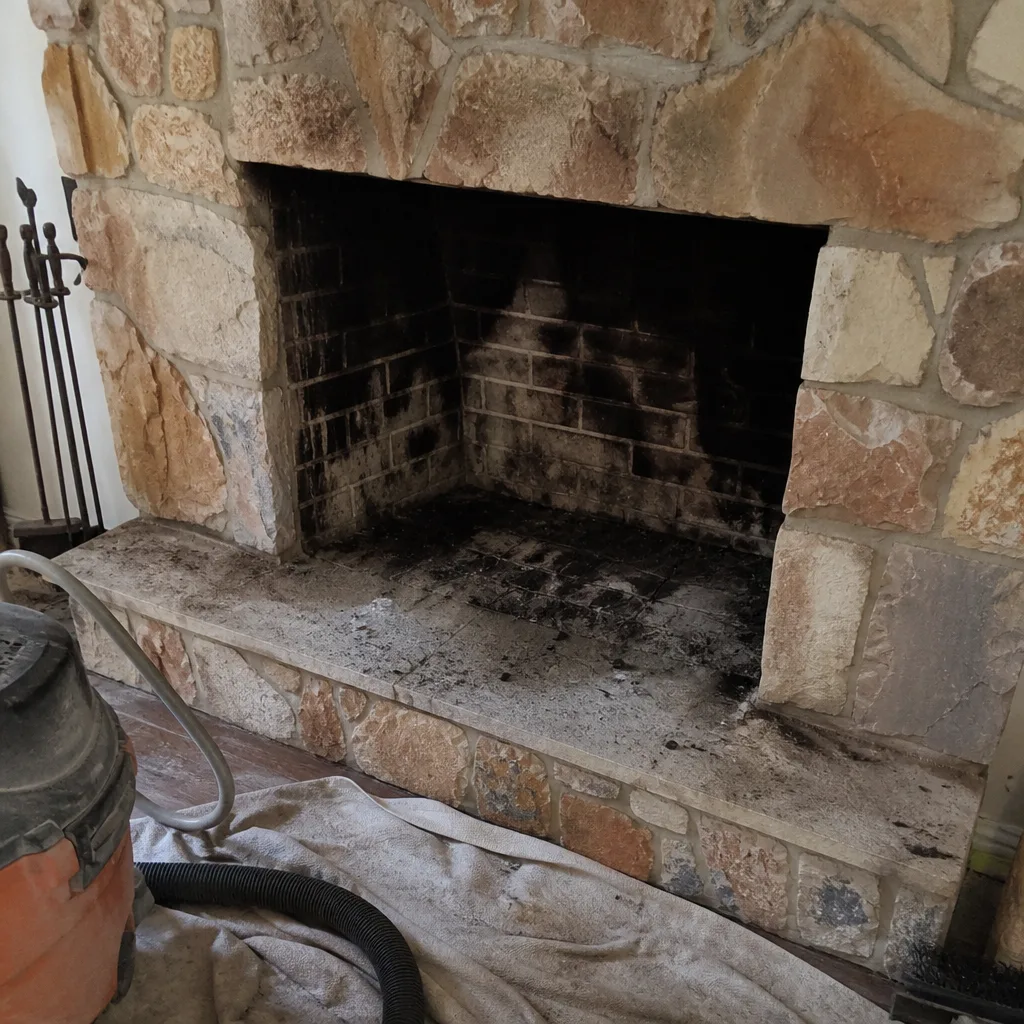 Before
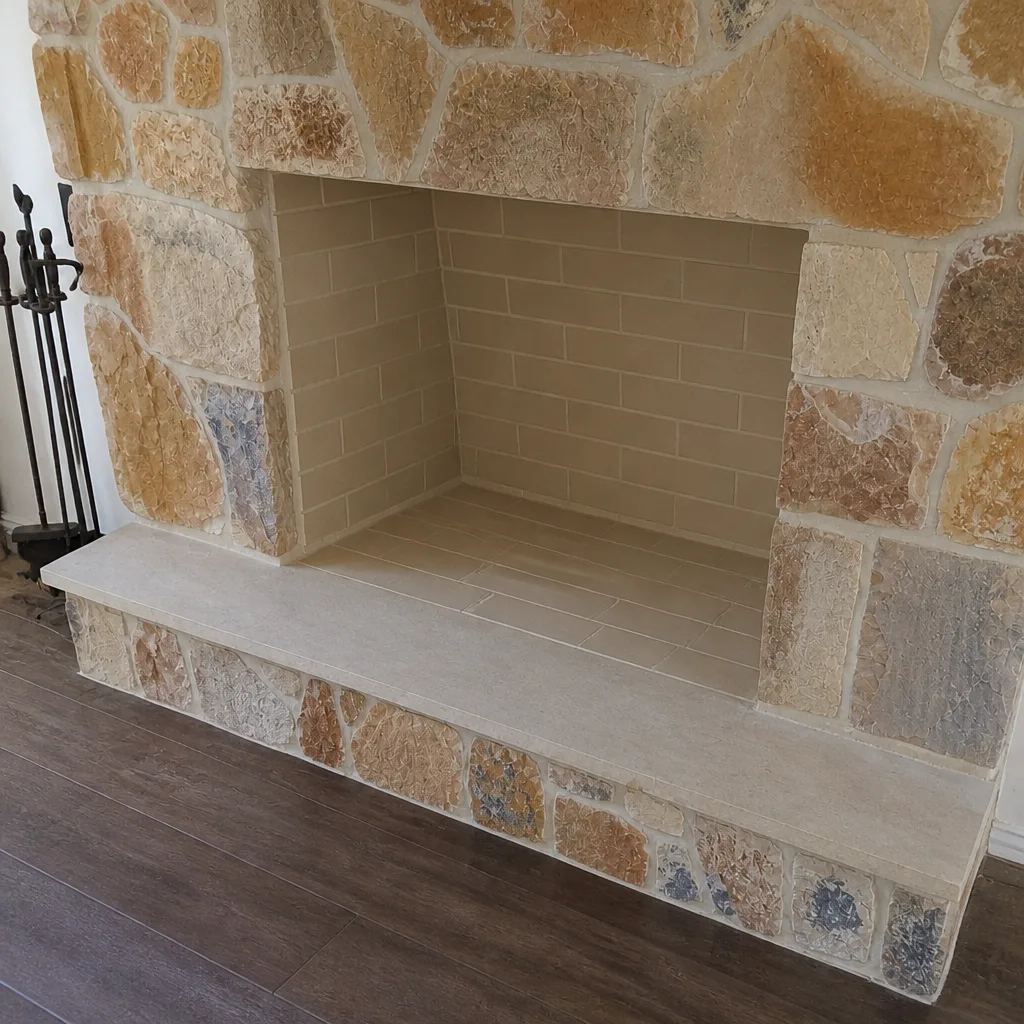 After
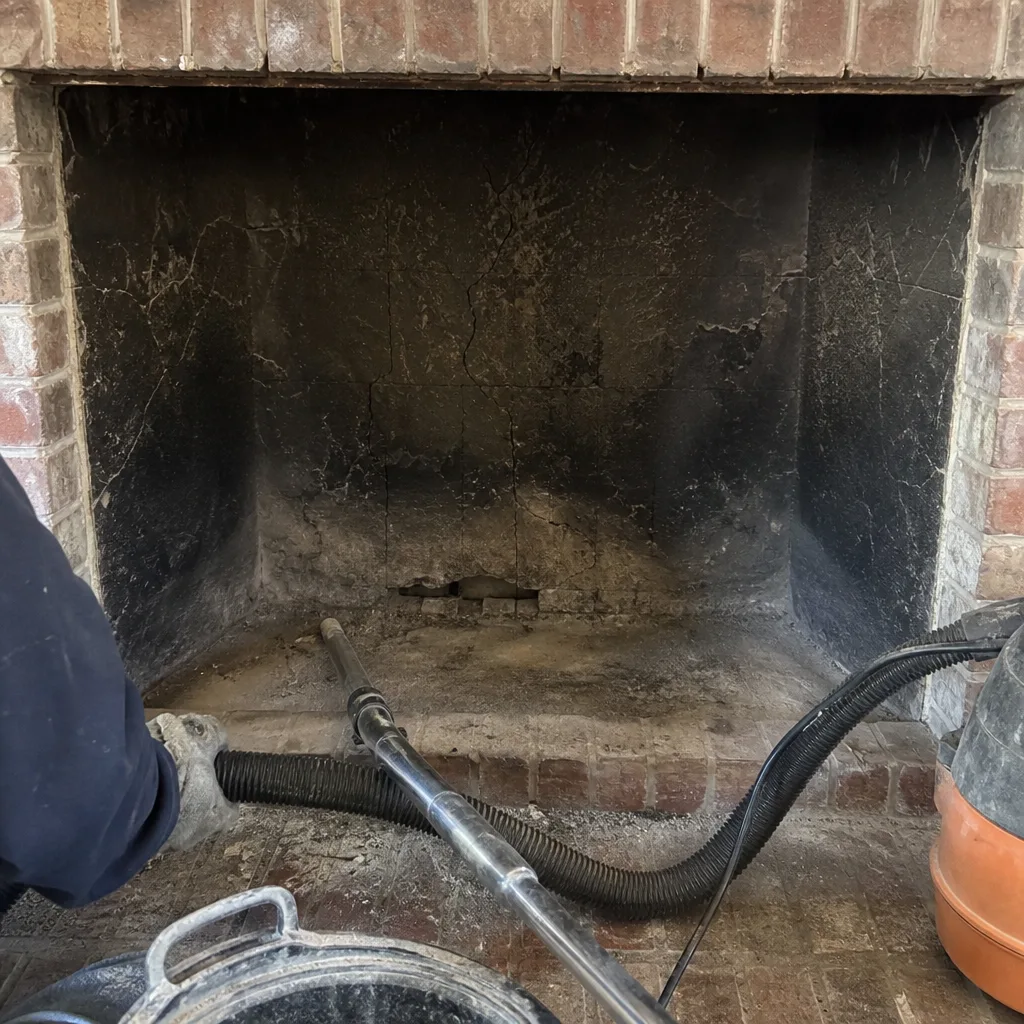 Before
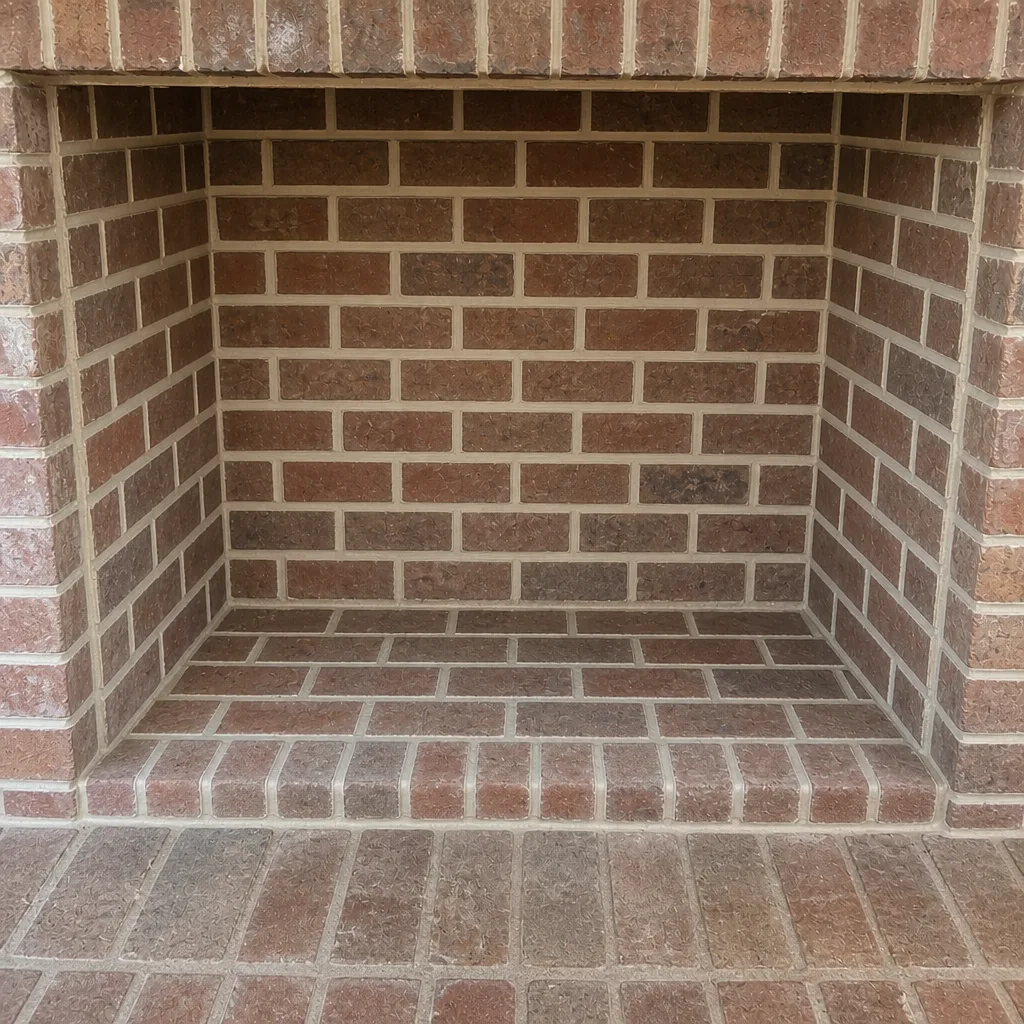 After
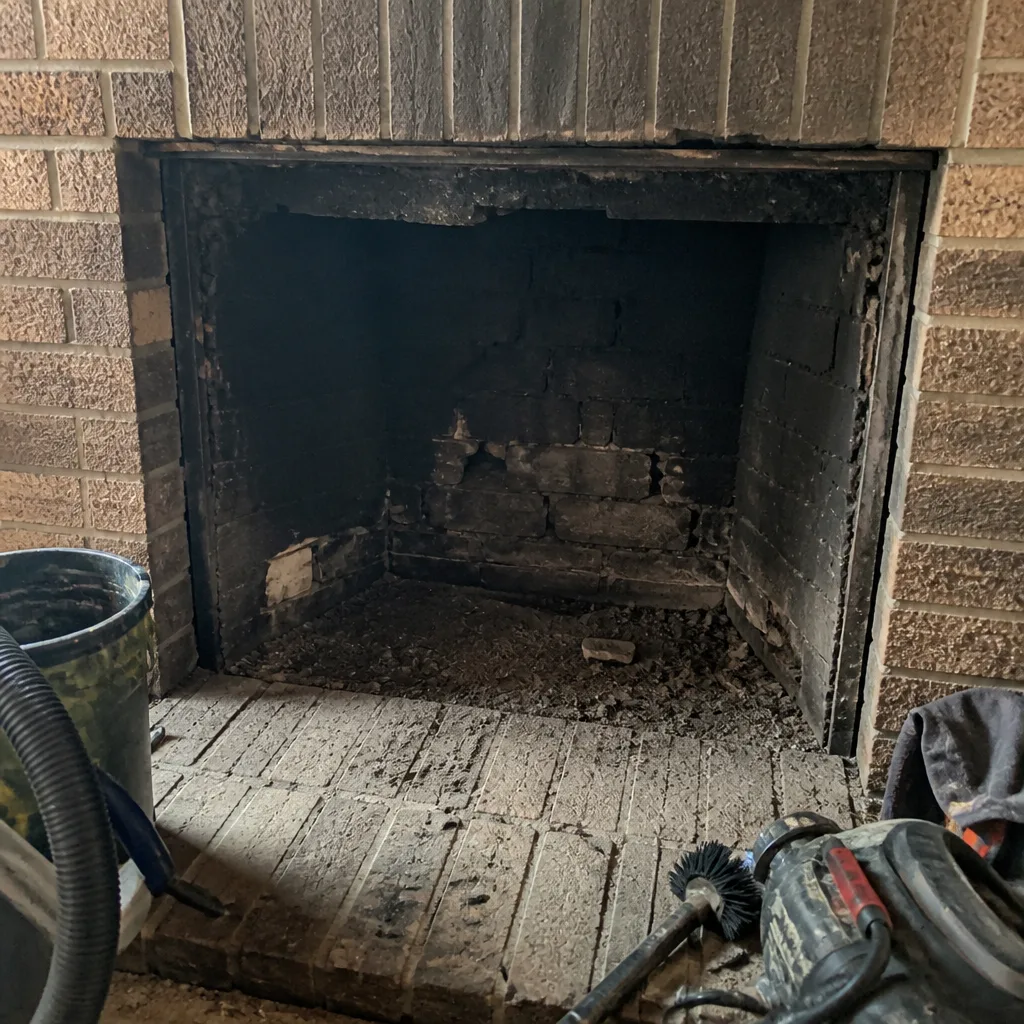 Before
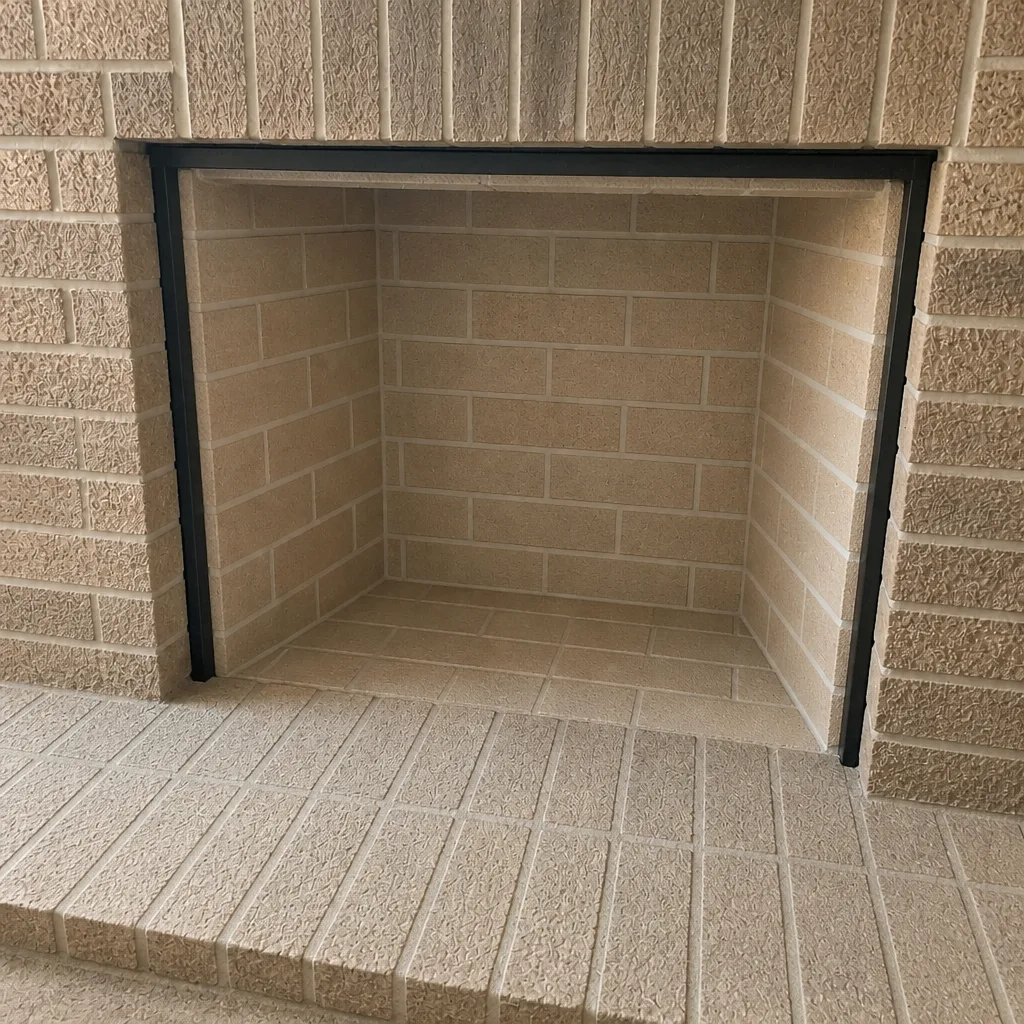 After