
Last updated November 16, 2026
 Sweep & inspection
 Caps & crowns
 Flue relining
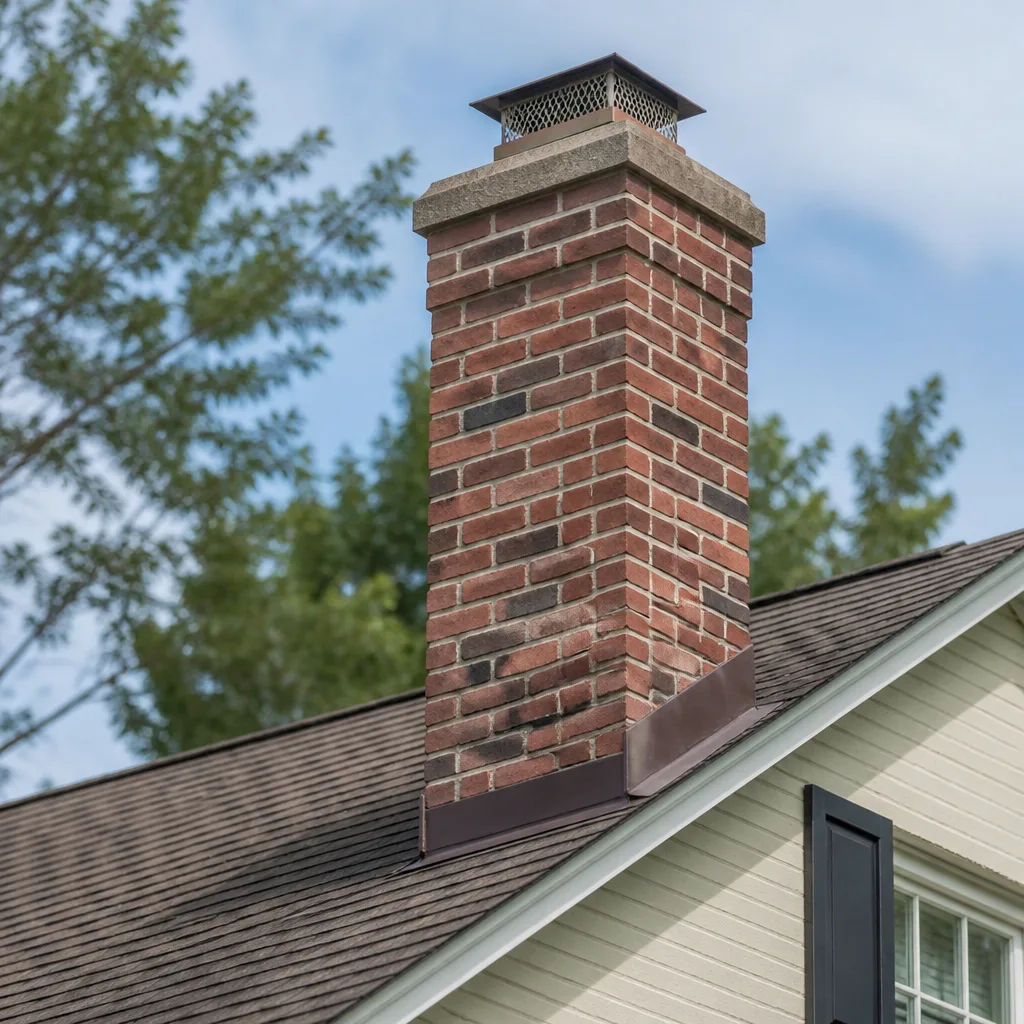 Masonry repair
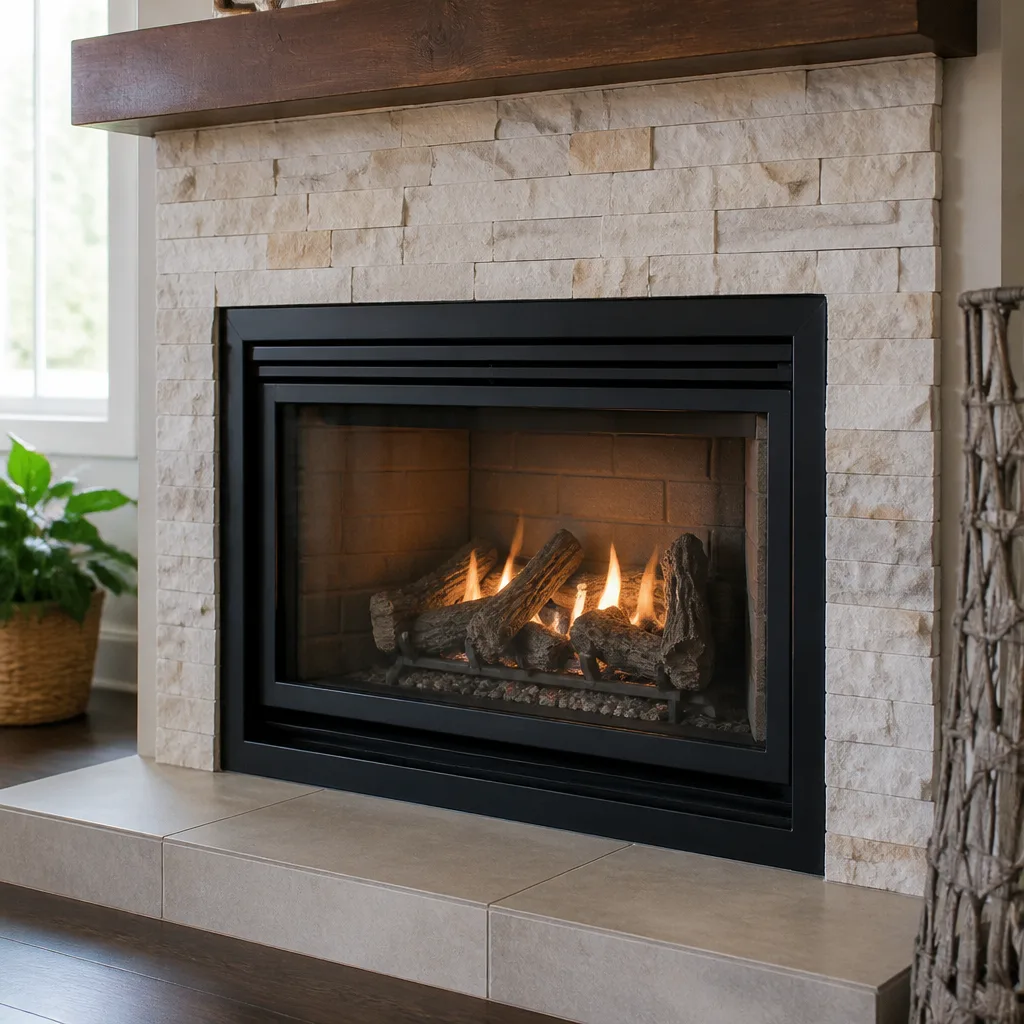 Gas fireplace service
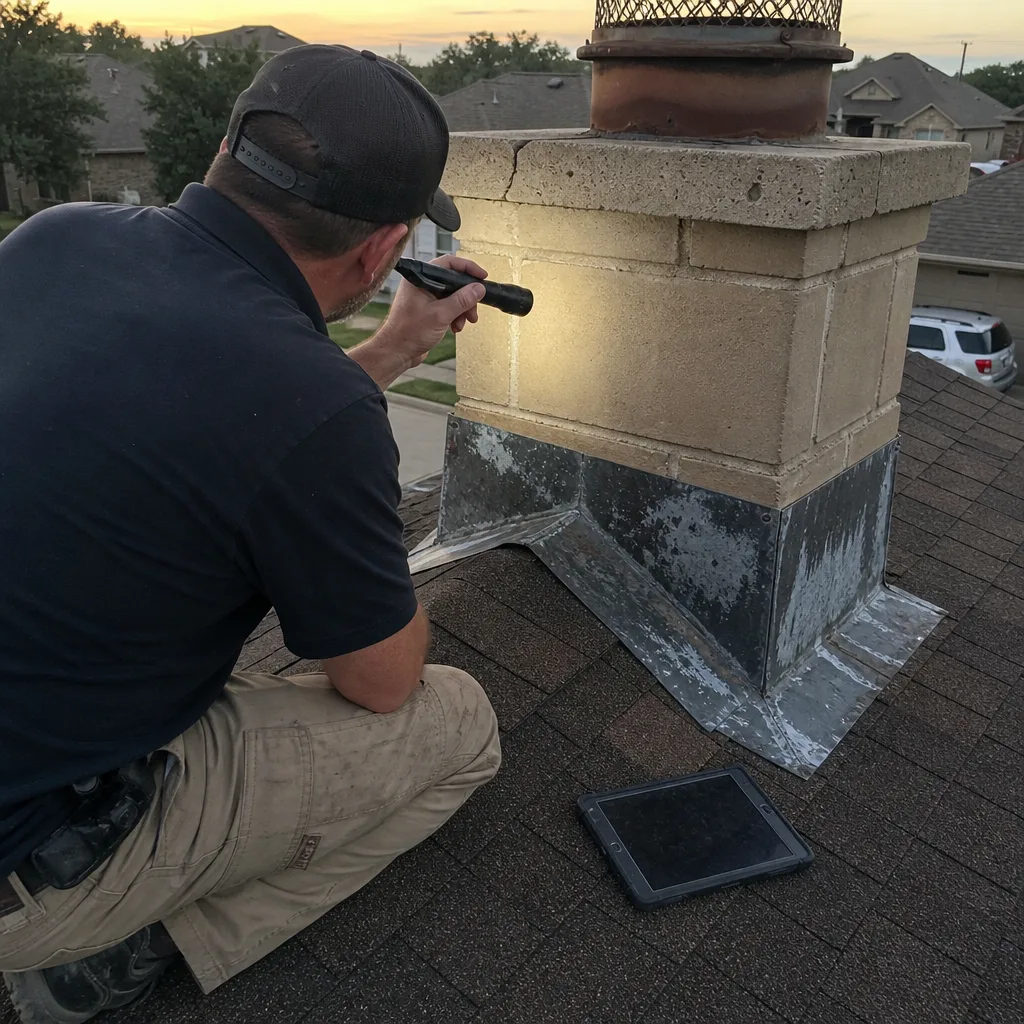
Level 1 sweep and inspection to the NFPA 211 annual standard - flue, crown, cap, and flashing checked and photographed
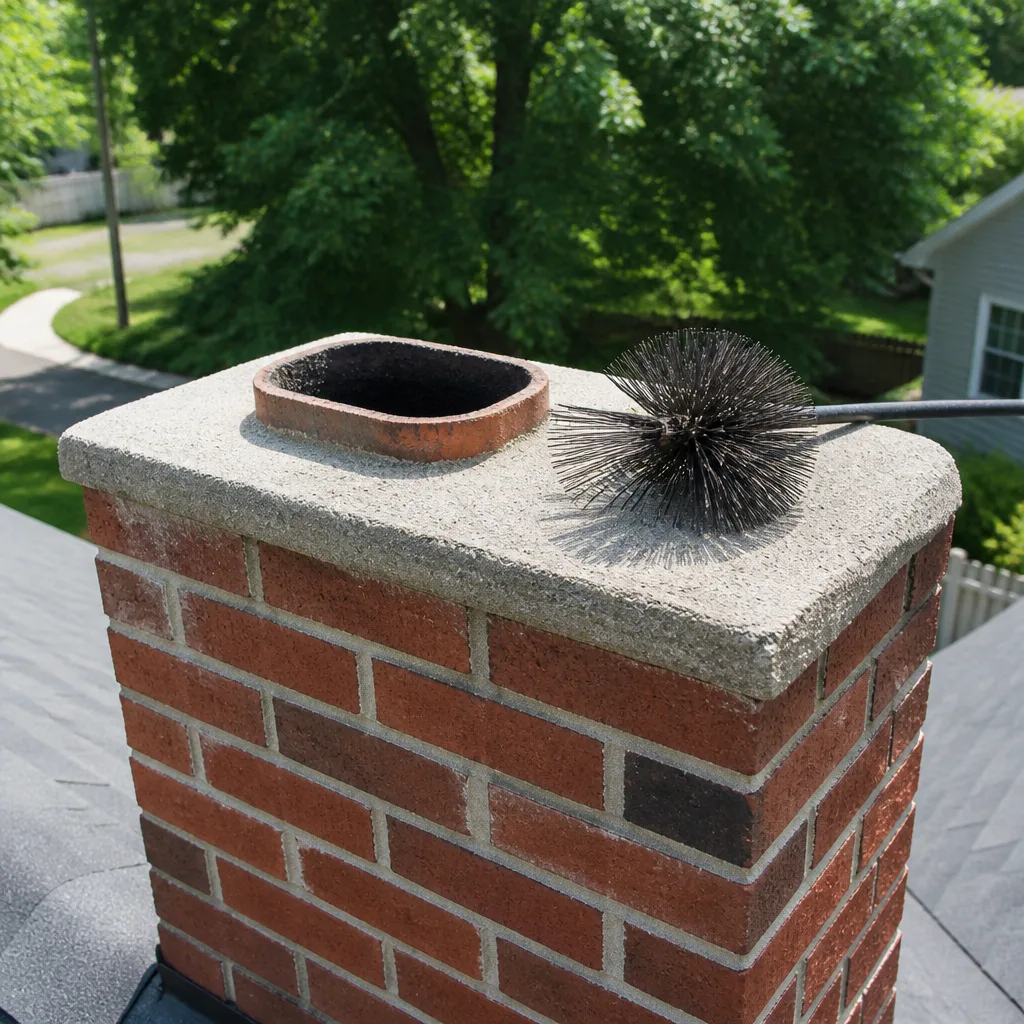
Chimney sweep logs do not sweep chimneys. They loosen some creosote - which then falls where a brush and vacuum still have to collect it.
Chimney Cleaning Emergency Preparedness Guide for Killeen Homes
A chimney fire doesn’t always announce itself with roaring flames and a column of smoke. Many burn slow and hot inside the liner, with no visible fire at all – just a low rumbling sound, intense radiant heat from the firebox, and a change in the smoke that most homeowners never think to look for. People who wait for flames have already lost the minutes that matter most. This guide is about that window. It walks Killeen homeowners through what a chimney emergency actually looks like, what to do in the first five minutes, how to tell a real problem from a normal fire, and how to prepare before anything goes wrong.
Quick Answer
If you suspect a chimney fire, close the damper and the firebox doors, get everyone out of the house, and call 911 from outside. Once the fire is out, do not relight the fireplace until a Level 2 inspection with a camera has confirmed the liner is intact. For any Killeen home with a wood-burning or gas appliance, a working carbon monoxide detector on every level and near sleeping areas is not optional – it’s the difference between catching a blocked flue early and missing it entirely.
| Emergency | First Action | Do Not |
|---|---|---|
| Suspected chimney fire | Close damper and doors, evacuate, call 911 | Throw water into the firebox |
| CO detector alarm | Get out, call 911, ventilate from outside | Search for the source first |
| Sudden downdraft / smoke backup | Open a window, let the fire die down | Keep feeding the fire |
| Loud rumble from the flue | Treat as an active fire until proven otherwise | Assume it’s “just the fire settling” |
Styles & brands we work with
- Sweep & inspection
- Caps & crowns
- Flue relining
- Masonry repair
- Gas fireplace service
Table of Contents
- How Do You Know a Chimney Fire Is Happening?
- What Are the First Five Minutes of a Chimney Emergency?
- Why Carbon Monoxide Is the Quiet Emergency in Killeen Chimneys
- What Do You Do After a Chimney Fire Before Relighting?
- How Do You Build a Chimney Emergency Kit for Your Home?
- How Do You Prevent an Emergency in the First Place?
- Common Mistakes to Avoid
- When to Call a Professional
How Do You Know a Chimney Fire Is Happening?
A chimney fire can be loud or nearly silent. The loud version is unmistakable once you’ve heard it described – a deep roaring or rumbling sound coming from the flue, almost like a freight train passing overhead, sometimes paired with a low vibration you can feel through the wall. The silent version is far more dangerous because it gives you almost nothing to work with. It burns hot and slow inside the liner, and the only evidence is intense heat radiating from the firebox when you stand near it, plus a smoke signature that changes color and volume at the chimney top.
Here’s what to watch for, in the order most homeowners notice it:
- Sound. A low rumble, roaring, or a crackling that doesn’t match the sound of a normal wood fire. Sometimes a popping or snapping sound from inside the chimney itself.
- Heat. The firebox doors, mantel, or surrounding wall feel unusually hot to the touch. Radiant heat that’s noticeably stronger than the fire in the firebox should produce.
- Smoke at the top. Thick, dark smoke or a sudden burst of smoke that shifts color – often described as dense gray, brown, or black – blowing from the chimney cap.
- Sparks or flames from the top. Visible flames or burning debris coming from the chimney cap. If you can see this from the yard, the fire is well established.
- A smell change. A hot, acrid odor inside the house, or a sudden chemical smell from the chimney area.
Creosote buildup is what fuels these events. The longer a Killeen flue goes without a proper sweep, the more glazed creosote can collect on the tile, and that’s the material that catches. Our technicians have up to 11 years of experience reading flues, and the pattern holds: the homes that end up with a chimney fire are almost never the ones that get swept on a regular schedule. If you’ve never had a chimney sweep done on your home, you’re already behind on the one thing that prevents most of these situations.
What Are the First Five Minutes of a Chimney Emergency?
When you suspect a chimney fire, the first five minutes matter more than everything that follows. The goal is not to fight the fire – it’s to cut the air supply, protect the people in the house, and get the right help moving. Follow these steps in order:
- Close the damper. If there’s a damper handle, close it completely. Starving the chimney of air slows combustion inside the flue and reduces the heat load on the liner.
- Close the firebox doors or glass. If your fireplace has doors, shut them. If you have an open firebox with a screen, don’t reach into it – back away and move to step three.
- Get everyone out of the house. Including pets. Go out the nearest safe exit and walk a comfortable distance from the structure.
- Call 911 from outside. Give your address, tell them you suspect a chimney fire, and stay on the line until the dispatcher releases you.
- Watch the chimney top from the yard. Report what you see to the fire department on arrival. Flames, dense smoke, or a sudden change can help them understand what stage the fire is in.
What you should not do: never throw a bucket of water down a burning chimney. On a hot flue, water can cause a steam explosion that cracks tiles and sends debris into the room. Never climb onto the roof to inspect the cap yourself. And if the fire seems small and confined, don’t stay inside to “monitor” it – a slow-burning chimney fire can move into the surrounding framing in ways you can’t see from the living room. In Killeen, where the housing stock is a mix of newer builds and older homes, the amount of time you have depends on what’s around the flue. Get out first. Everything else can wait.
Why Carbon Monoxide Is the Quiet Emergency in Killeen Chimneys
Chimney fires get the attention, but carbon monoxide is the emergency that kills quietly in the background. CO is produced by any combustion appliance – a wood stove, a gas fireplace, a furnace, a water heater – and in a healthy system, it goes up the flue and out of the house. When the flue is blocked by creosote or a bird nest, when a sudden downdraft pushes exhaust back down the chimney, or when a liner has cracked and lets exhaust into the framing cavity, that CO comes back inside. It’s colorless, odorless, and it kills without warning.
Here’s what matters for a Killeen home:
- Detector placement. A CO detector should be on every level of the home, and one should be near – not inside – every sleeping area. Placement inside a bedroom can be too close to the source if you have a gas appliance in an adjoining space.
- Test frequency. Test every detector monthly and replace the battery at least once a year. Many newer units have a sealed battery with a fixed lifespan; replace the whole unit at the end of that lifespan.
- Downdraft events. A sudden gust against the chimney can push exhaust back down an open flue, even on a functional system. This is why the damper should always be closed when you’re not actively burning.
- Post-fire inspection. After any chimney fire, the liner needs a camera inspection to confirm it’s intact. A fire that looks contained can still leave hairline cracks that allow CO into the house.
If your CO detector goes off, treat it as real. Get everyone outside immediately, call 911 from the yard, and ventilate the house by opening windows and doors once you’re outside. Don’t stand inside the house trying to find the source. Once the emergency is cleared, a full chimney inspection is the first call – a chimney repair specialist can trace the source of the leak and tell you whether it’s a blocked flue, a damaged liner, or a venting issue that needs a proper fix.
What Do You Do After a Chimney Fire Before Relighting?
After the fire department has cleared the scene, the fireplace stays off. That’s the rule, no exceptions, even for what looks like a small fire. A chimney fire – even one that lasted thirty seconds – can damage the flue liner in ways that aren’t visible from the firebox, and relighting before an inspection is how small problems turn into structural fires weeks later. The steps after a fire look like this:
- Do not use the fireplace, wood stove, or any connected appliance until it’s inspected. This includes the furnace and water heater if they share the chimney.
- Schedule a Level 2 inspection. A Level 2 inspection includes a camera assessment of the entire flue – not just the firebox and the visible portion. This is the standard for any post-fire evaluation because it shows the full length of the liner, the smoke chamber, and the cap.
- Get the camera footage. If a company won’t show you what the camera saw, ask why. Any real repair recommendation should be backed by visible evidence – cracked tiles, gaps at the joints, glazed creosote, gaps in the cap.
- Discuss the repair path. If the liner is damaged, the options range from resurfacing to full liner replacement. HeatShield resurfacing is designed specifically for flue tiles that are cracked or deteriorated but structurally capable of holding a repair – it restores the flue without a full demolition rebuild. When the damage is more extensive, a DuraFlex flexible liner system is one of the standard solutions for relining.
- Repair before relighting. No exceptions. The fireplace is off until the repair is complete and re-inspected.
We’ve seen plenty of Killeen homeowners want to skip straight past the inspection to see if the fireplace still works. It usually does – which is the problem. A fireplace that “seems fine” after a fire can still have a compromised liner that’s leaking carbon monoxide or waiting to fail on the next burn. Have it looked at properly. Then relight with confidence.
How Do You Build a Chimney Emergency Kit for Your Home?
Most homes don’t have a chimney emergency kit and don’t realize they need one until a fire department is asking questions no one can answer. A small packet of information and a couple of pieces of equipment will make a real difference to a first responder, an emergency sweep, or a future repair. Assemble it once, keep it in a fireproof location, and update it after every inspection.
What goes in the physical kit
- A fire extinguisher rated for the fireplace area. Check the gauge twice a year. A standard home extinguisher is fine; a specialized one is not required.
- A flashlight and spare batteries. If the power goes out during a chimney event, you need to be able to see exits and the detector.
- A printed copy of your homeowner’s insurance policy and carrier phone number. After a chimney fire, you’ll be filing a claim. Having the paperwork ready saves days.
- A CO detector test log. A simple index card with dates you tested and replaced batteries is enough.
What goes in the information packet
- Your chimney sweep’s name and phone number. Not just the number – the name of the company and the technician’s last service date.
- Flue dimensions and liner type. Inside dimensions, liner material (clay tile, stainless, or other), and whether the flue has a cap and what type. If you don’t know these, ask during your next inspection and write them down.
- Last inspection date and Level. Level 1, Level 2, or Level 3 – note which one was done and when.
- CO detector locations. A simple floor plan with an X where each detector is mounted.
- Appliance list. What’s connected to the flue – fireplace only, or fireplace plus furnace, water heater, or wood stove.
The packet isn’t just for emergencies. It’s what a new chimney specialist needs to pick up where the last one left off, and it prevents the “we don’t know what the last guy did” phone call that wastes everyone’s time. If you’re in Killeen and don’t have this information, our team can walk you through the right questions to ask on your next inspection. We work with brands like Olympia Chimney and DuraFlex because the specifications matter to how a flue behaves under load, and knowing your system’s parts is part of knowing your system’s risks.
How Do You Prevent an Emergency in the First Place?
The best chimney emergency is the one you never have. Prevention comes down to three things: proper sweeping frequency, professional inspection, and honest habits around the fire. Here’s how to think about each in a Killeen home:
How often should your chimney be swept?
For most wood-burning fireplaces, an annual sweep is the safe default. If you burn frequently – several fires a week during cool months, or you burn softwood that produces more creosote – you may need it more often. If you burn only occasionally, an annual inspection is still the minimum, and the sweep happens when the inspection shows enough buildup to warrant it. Gas fireplaces need inspection too, even though they don’t produce creosote the way wood does; the venting, the cap, and the ignition components are all worth checking once a year.
What does an annual inspection catch?
- Cracked or missing tiles in the flue liner – the most common finding, and a leading cause of CO intrusion.
- Glazed creosote buildup that sweeping alone can’t remove.
- Deteriorated mortar joints in the smoke chamber.
- Damaged or missing chimney caps, which let water in and animals nest.
- Blockages from birds, squirrels, or leaves – a common issue in Killeen where mature trees and open attic gaps create nesting sites.
What burning habits reduce risk?
Burn dry, seasoned wood – not green wood, not scraps, not cardboard. Keep fires moderate rather than roaring; a fire that’s hot enough to warp the firebox is hot enough to start glazed creosote. Never burn trash or treated lumber, and never leave a fire unattended for long stretches. Keep a fire extinguisher near the hearth and know how to use it. These habits don’t replace a professional sweep, but they keep the flue in better shape between visits.
Common Mistakes to Avoid
- Assuming a silent chimney fire isn’t happening. Many of the worst chimney fires in Killeen homes burn slow and hot with almost no sound. If the firebox is unusually hot and the smoke signal is off, treat it as a fire until you’ve had it inspected.
- Relighting after a fire because the fireplace “seems fine.” The visible firebox is not the flue. Damage inside the liner doesn’t show up from the living room, and the next burn is when it fails.
- Relying on one CO detector for the whole house. One detector near the bedrooms leaves the rest of the home unprotected. Install them on every level, especially near gas appliances and sleeping areas.
- Skipping the annual inspection because the fireplace works. A fireplace that lights and burns well is not the same as one that’s safe. Most problems we find are caught before they cause symptoms, which is exactly the point.
- Hiring a generalist who does chimneys “on the side.” Chimney work requires specific tooling – camera inspection equipment, liner systems, resurfacing products like HeatShield or liner systems like DuraFlex. A roofer or handyman who added chimney cleaning to their menu is not equipped for a real liner problem.
- Not knowing your flue dimensions before an emergency. First responders and emergency technicians need to know what they’re working with. If you can’t answer basic questions about your own chimney, that’s a gap to close during the next inspection.
- Waiting until there’s a smell or smoke in the room to schedule a sweep. By the time a chimney problem is visible or smellable, it’s usually well established. Regular inspections catch issues early, which is the cheapest and safest place to be.
See the difference
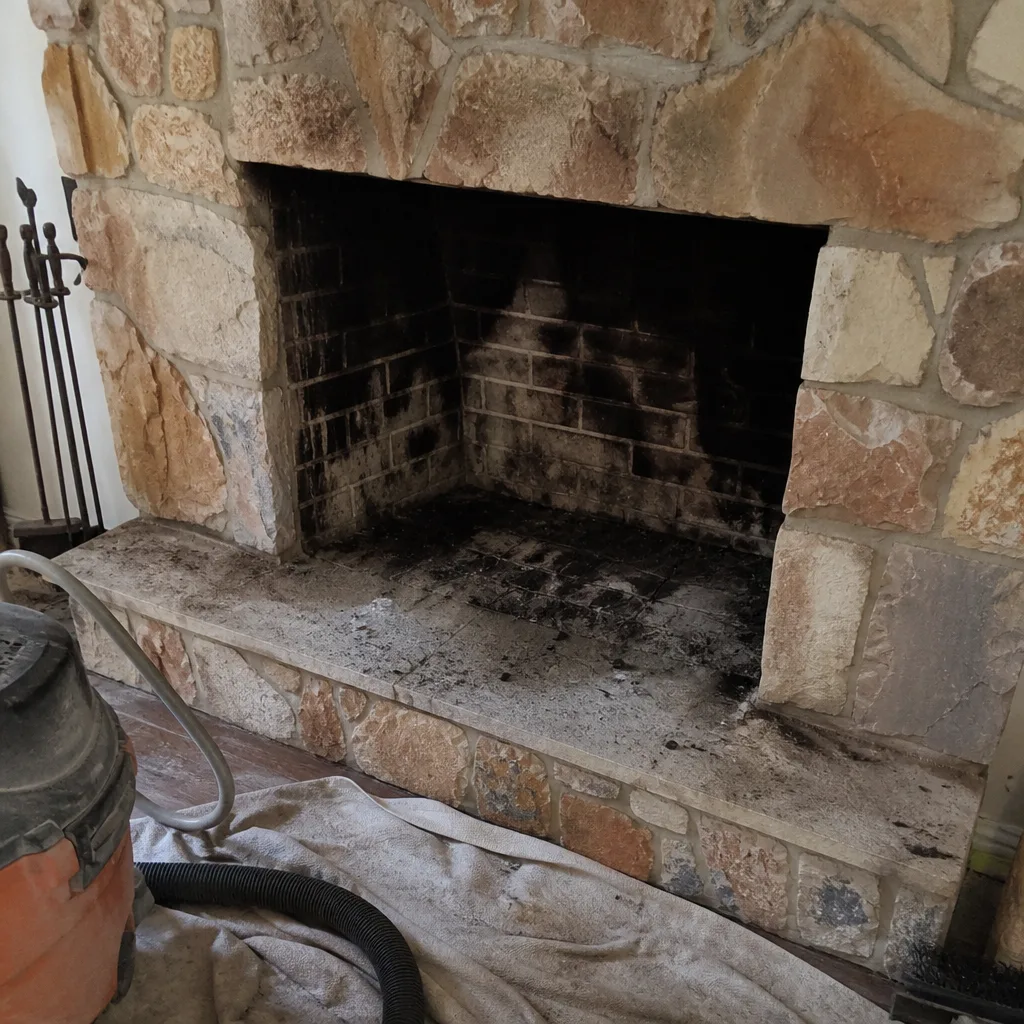 Before
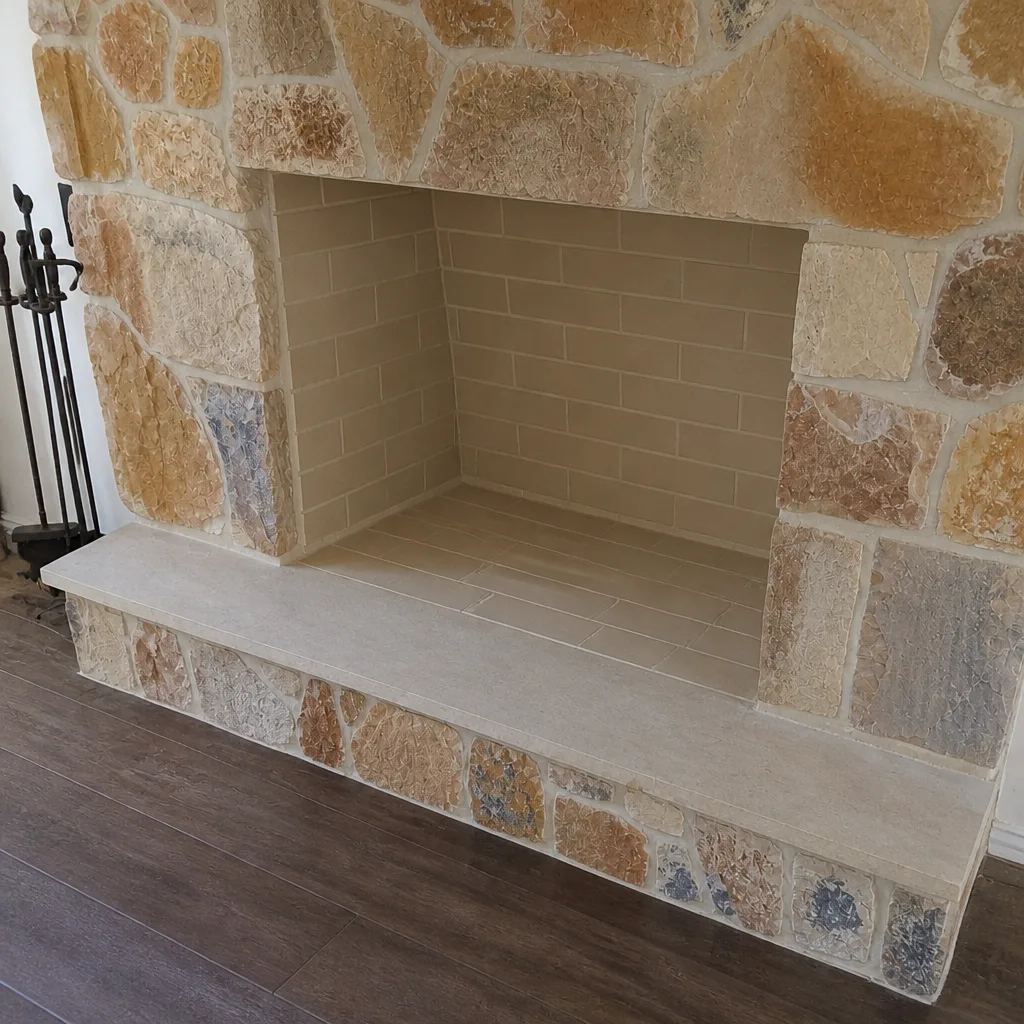 After
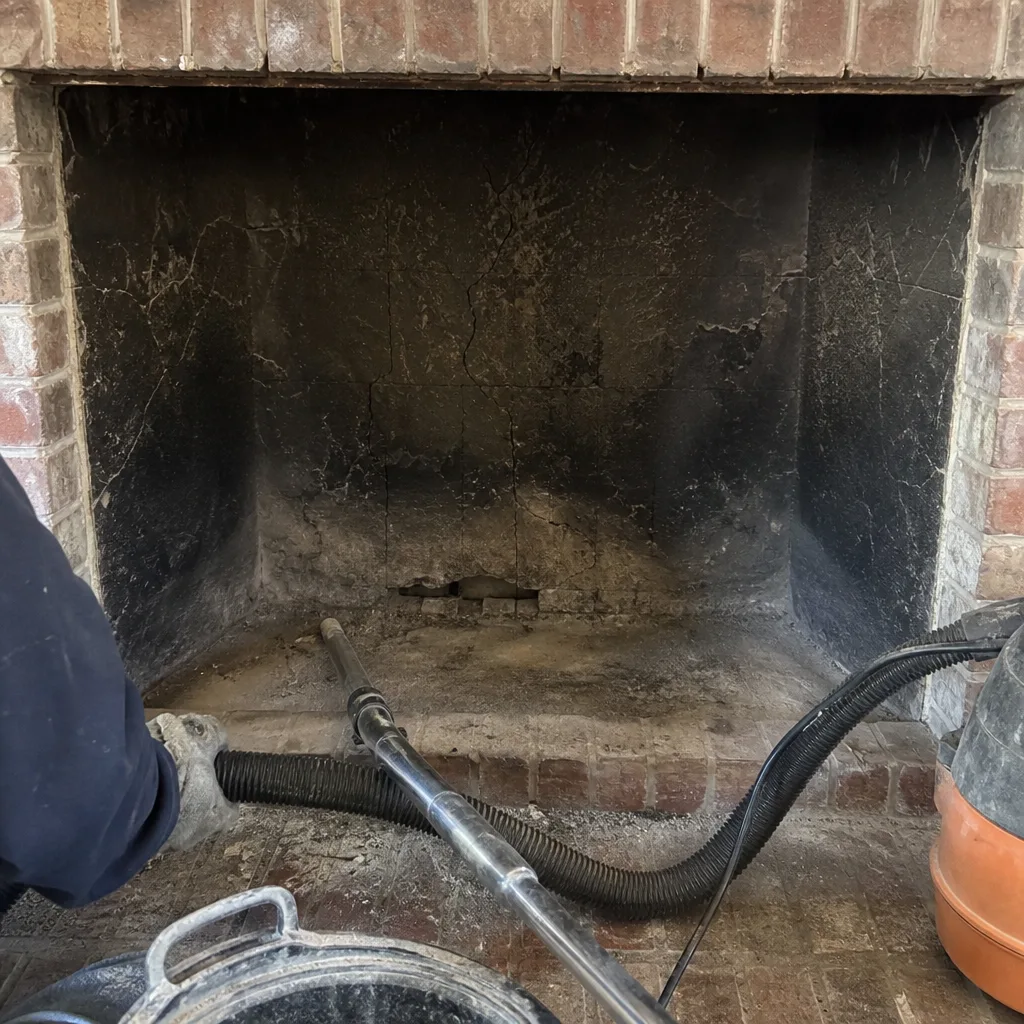 Before
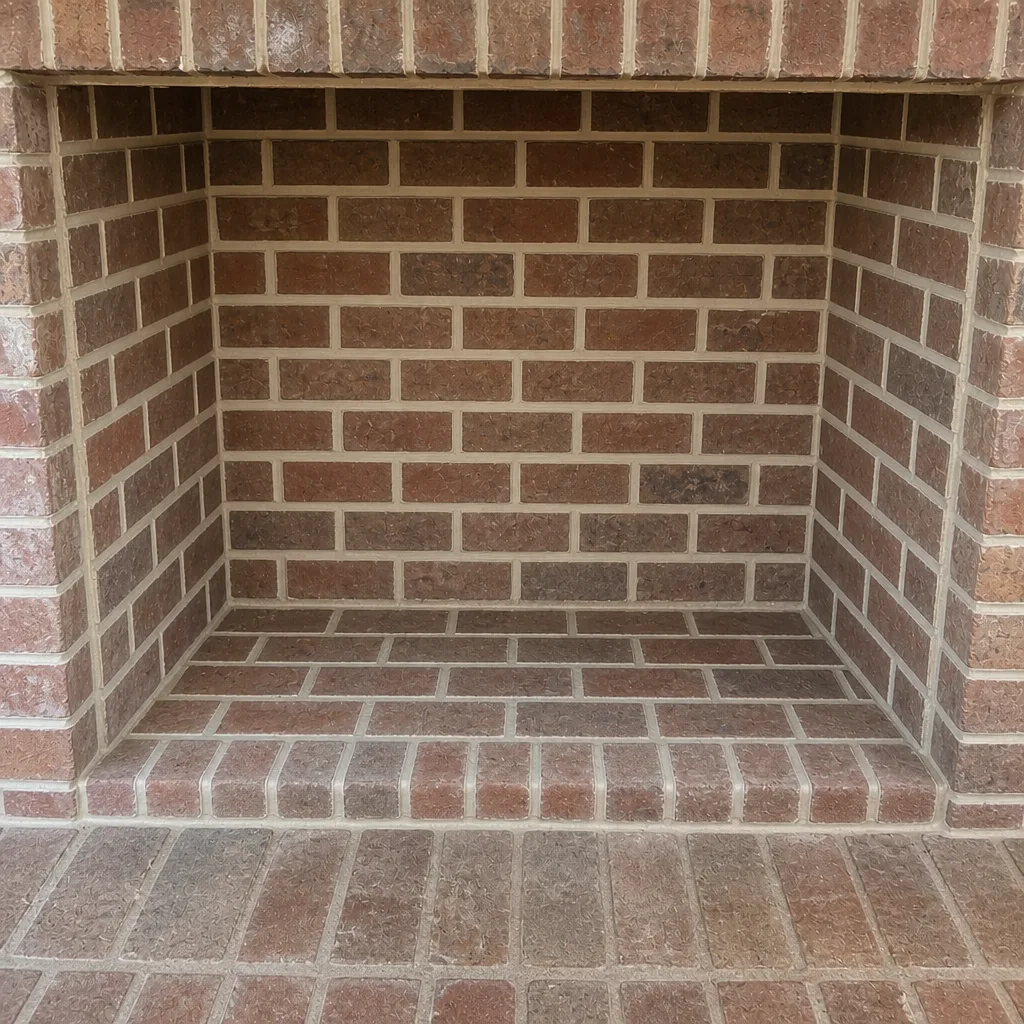 After
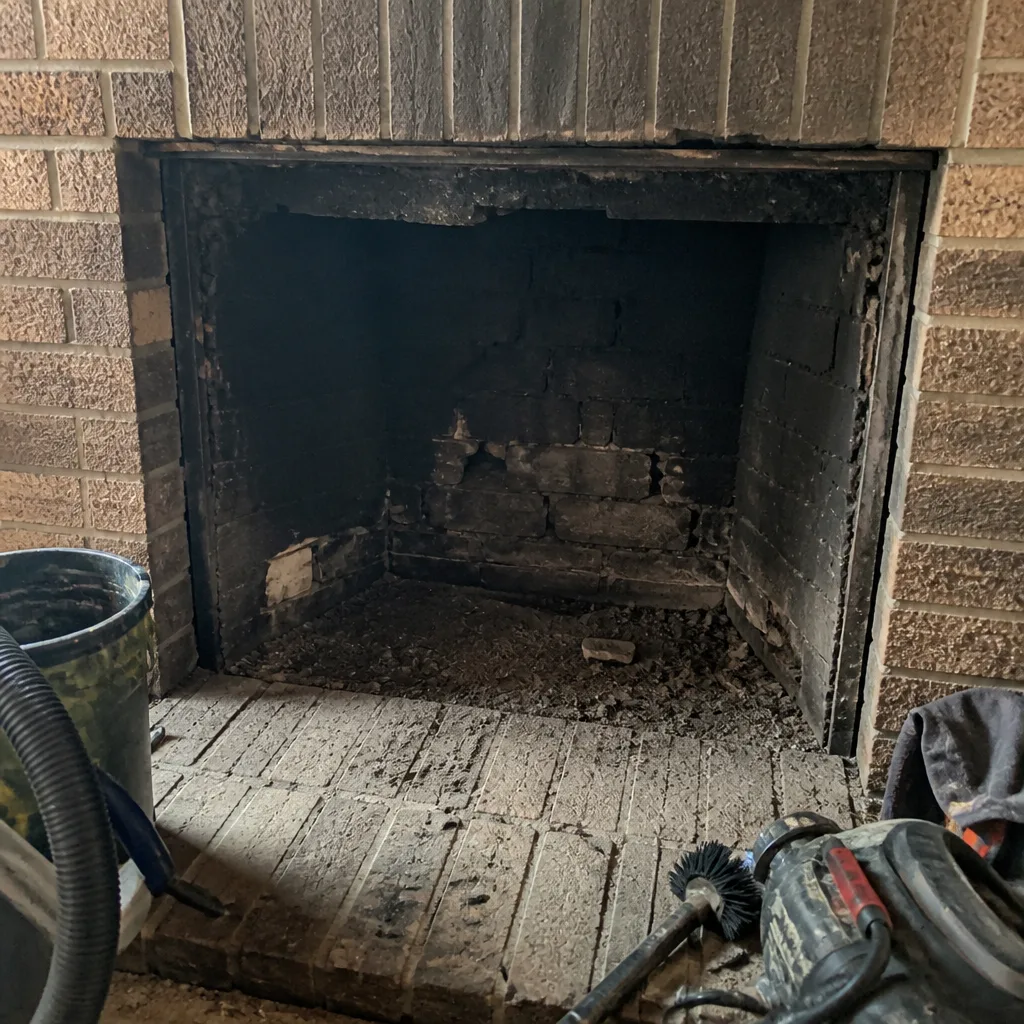 Before
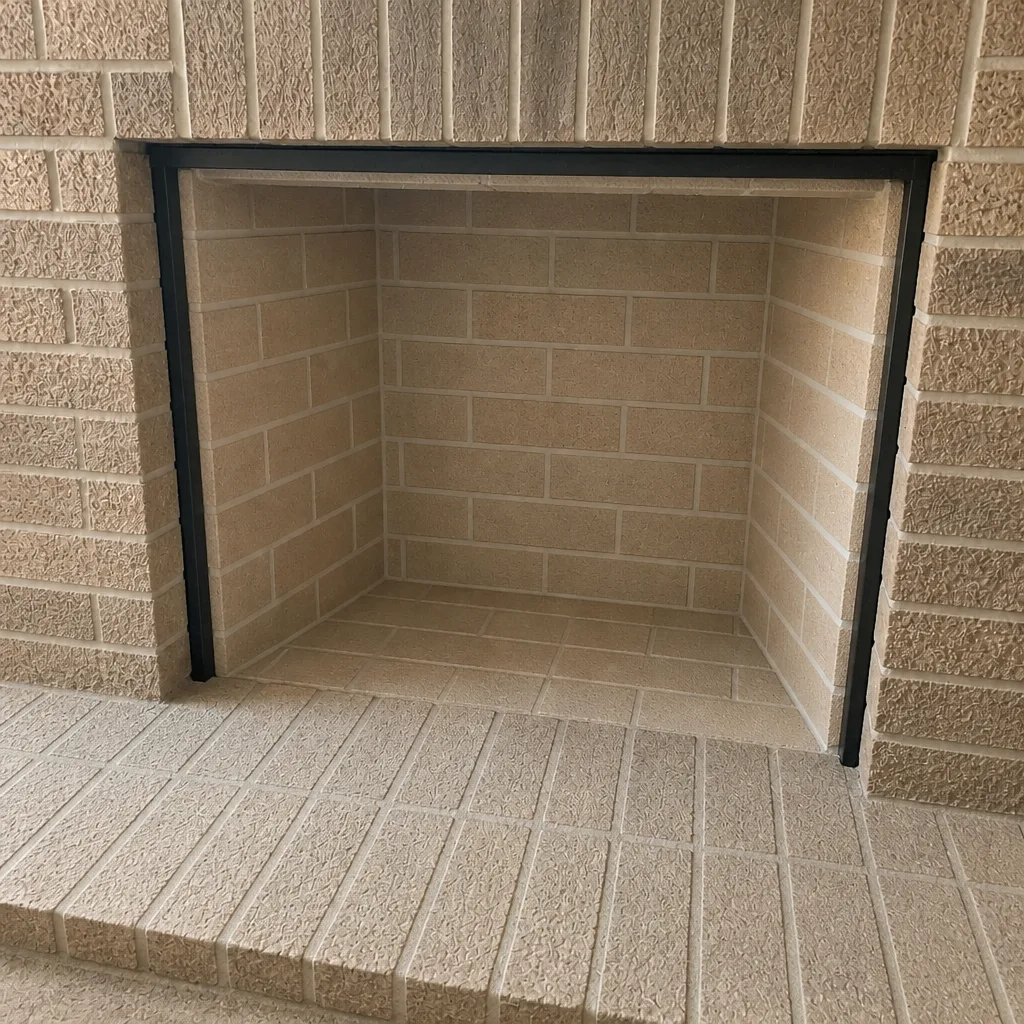 After
When to Call a Professional
Some chimney work is routine, and some of it is genuinely urgent. Call a chimney specialist right away if you’ve had a chimney fire (even a small one), if your CO detector has alarmed, if you smell smoke inside the house when the fireplace is not in use, if you see dense smoke or flames from the chimney cap, or if you’ve noticed that the firebox is unusually hot or that the fireplace has started behaving differently. Call before your first burn of the season if you’ve never had a professional inspection in your home. And call before you relight after any fire event. Chimney Sweep Killeen offers free estimates in Killeen – call (866) 942-9240. We answer 24/7. Fast dispatch from 7am to 7pm, Sunday through Friday.
Frequently Asked Questions
Look for a low roaring or rumbling sound from the flue, intense heat radiating from the firebox, dense smoke or flames visible at the chimney cap, or a sudden change in smoke color. If any of these are happening, close the damper, get everyone outside, and call 911. Don’t wait for visible flames to confirm it. Call (866) 942-9240 to schedule an inspection once the fire department has cleared the scene.
Yes. Even a brief chimney fire can crack a flue tile or damage a mortar joint in ways that aren’t visible from the firebox. A Level 2 inspection with a camera is the standard after any chimney fire, and the fireplace should stay off until the inspection confirms it’s safe. Call (866) 942-9240 to book an inspection in Killeen.
On every level of the home and near – not inside – every sleeping area. For a single-story Killeen home, that usually means one in the main living space, one near the primary bedroom, and one on the way to any secondary bedroom. Test them monthly and replace the units at the end of their rated lifespan. Call (866) 942-9240 with questions about detector placement or to schedule a full inspection.
No. The fireplace stays off until a Level 2 inspection confirms the liner and smoke chamber are intact. This is not a precaution – it’s the point at which you know the system can handle fire again. A post-fire inspection in Killeen is one of the fastest ways to get answers; call (866) 942-9240.
Get everyone outside and call 911 from the yard. Don’t search for the source inside the house, and don’t assume the detector is faulty before the fire department has checked the air. Opening windows and doors from outside helps ventilate, but the priority is getting out. Once you’re cleared to re-enter, schedule a chimney inspection to trace the source – call (866) 942-9240 for a free estimate.
Pricing is set per job by a written estimate, and we don’t charge differently based on time of day. What we will do is give you a clear scope – what the inspection found, what needs to be addressed now, and what can safely wait. Call (866) 942-9240 for an exact quote. Estimates are free, and you’ll see the camera evidence before any work is recommended.
The Bottom Line
A chimney emergency is not a random event. It’s the end of a chain that starts with creosote buildup, missed inspections, or a damaged liner that nobody checked. The homeowners who come through a chimney fire safely are the ones who knew the sound signature, closed the damper first, got out, and had their system inspected before relighting. The ones who end up with structural damage or CO exposure are the ones who waited for visible flames or assumed the fireplace “seemed fine.” If you take one thing from this guide, take the post-fire rule: after any chimney fire, the fireplace stays off until a camera inspection confirms it’s safe. Chimney Sweep Killeen is a full-service chimney specialist in Killeen – sweeping, repair, and inspection from one dedicated team, with brands like Copperfield and Famco sourced through professional supply chains. Our technicians have up to 11 years of experience with the tools and materials this work actually requires. One call covers all of it. Call (866) 942-9240 for a free estimate – we answer 24/7, with fast dispatch from 7am to 7pm, Sunday through Friday.
Written by the team at Chimney Sweep Killeen.