
Last updated November 16, 2026
 Sweep & inspection
 Caps & crowns
 Flue relining
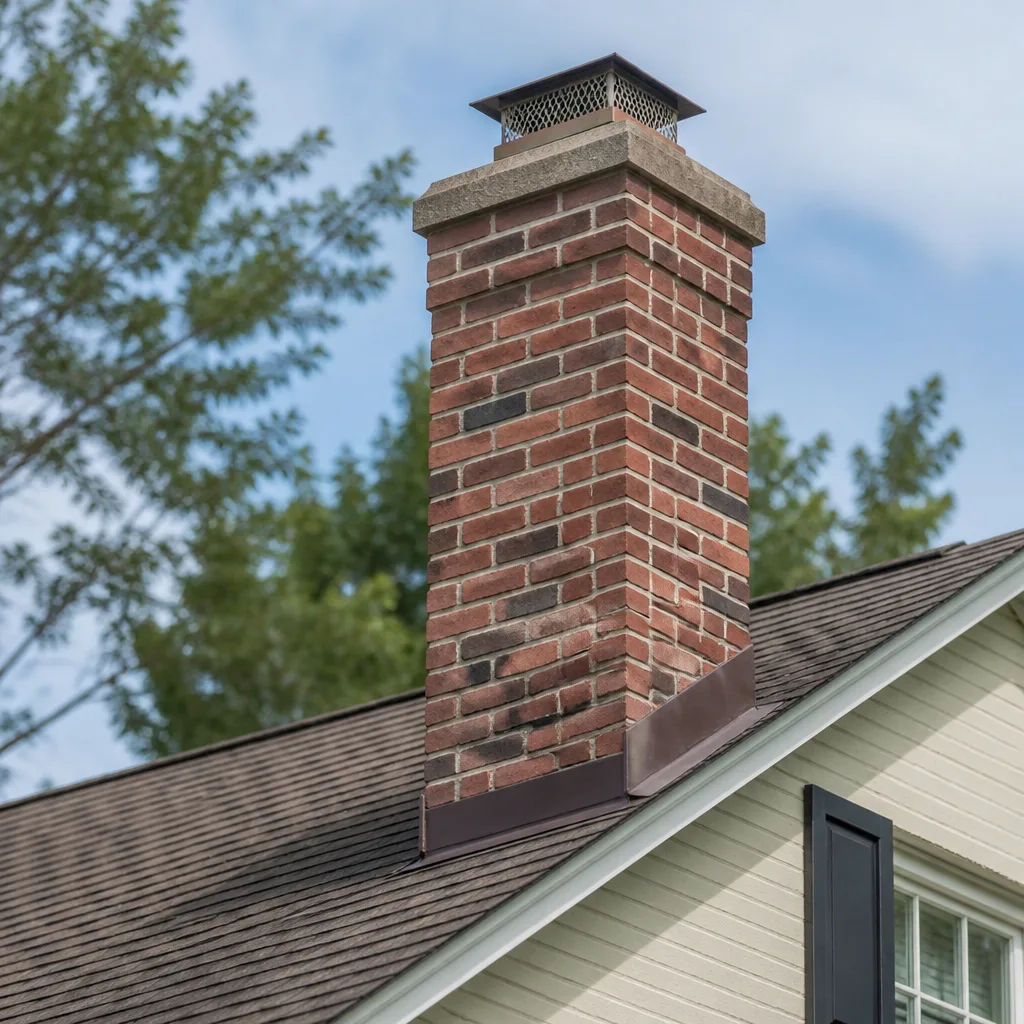 Masonry repair
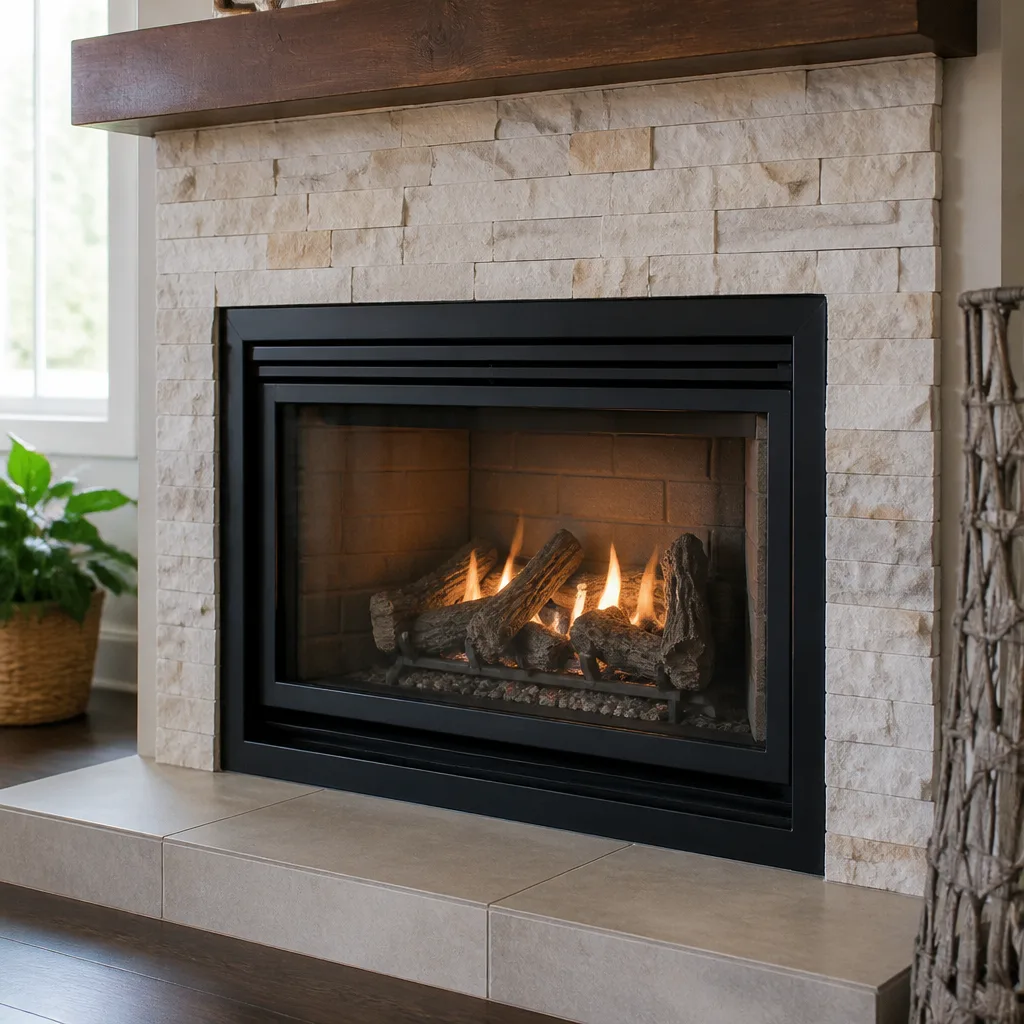 Gas fireplace service
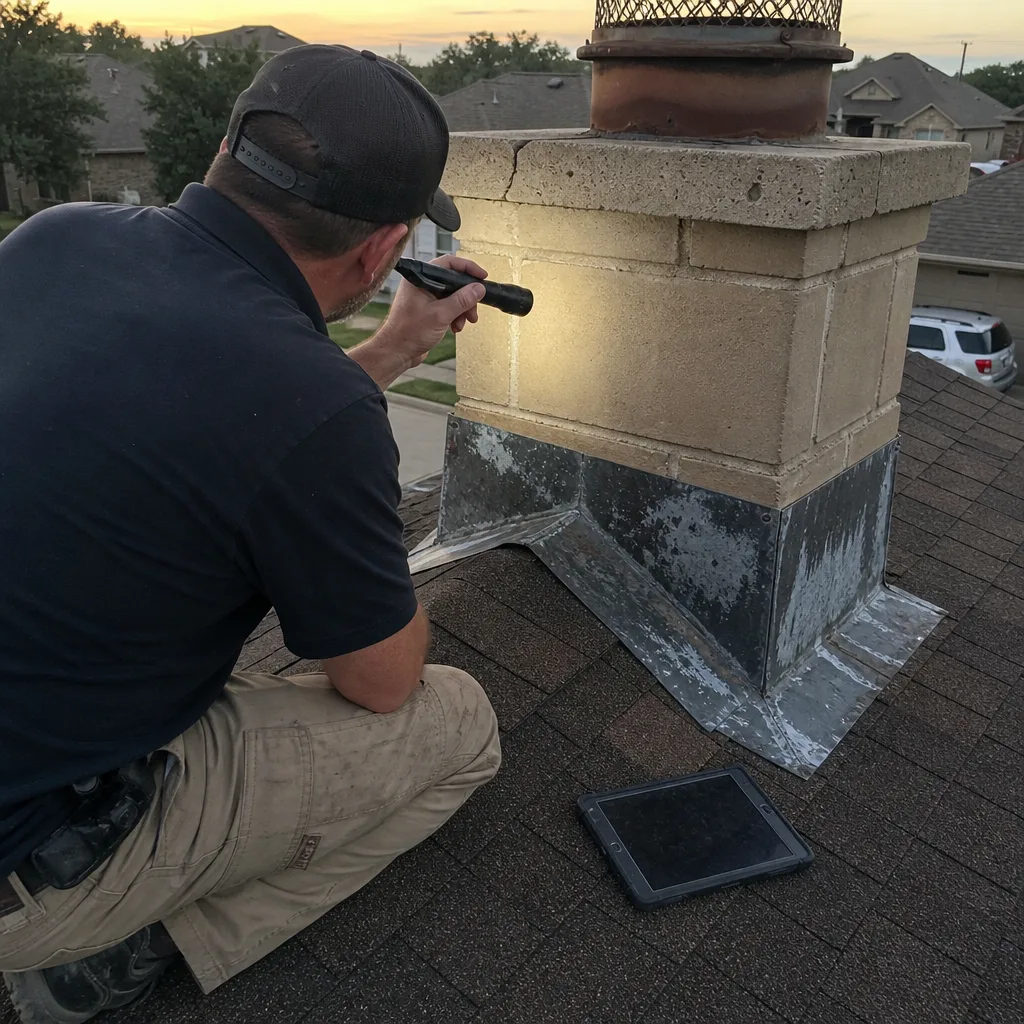
Level 1 sweep and inspection to the NFPA 211 annual standard - flue, crown, cap, and flashing checked and photographed
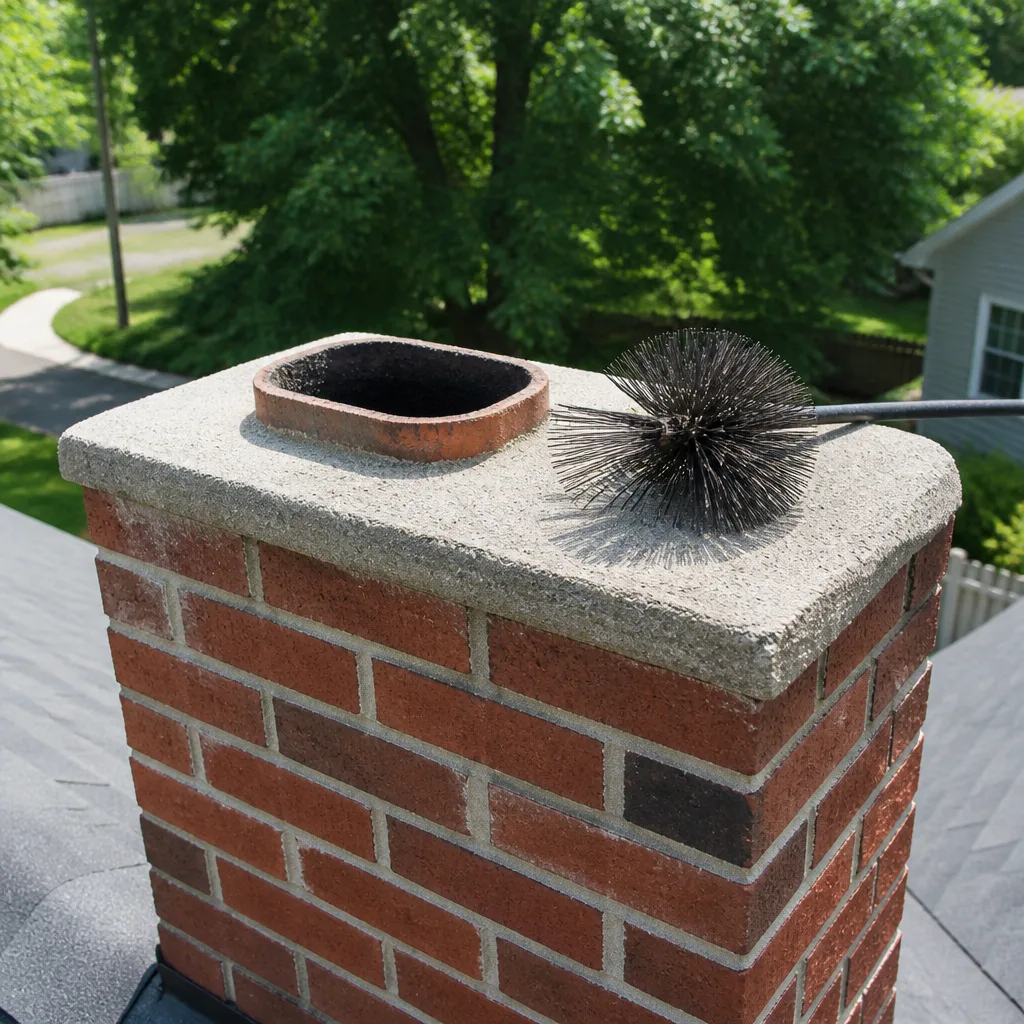
Chimney sweep logs do not sweep chimneys. They loosen some creosote - which then falls where a brush and vacuum still have to collect it.
Chimney Sweep Maintenance Checklist for Killeen Homeowners
Spalling mortar joints on a chimney crown aren’t just a cosmetic issue. Moisture intrusion through crown cracks is the leading cause of liner deterioration before homeowners ever notice a draft problem. Most chimney maintenance checklists floating around online were written for cold-climate homes with heavy snow loads and long heating seasons. That’s not Killeen. Here, the threats are different: hot, humid summers that bake and expand masonry, mild but erratic winters, and high wind events that work on caps and flashing. This guide breaks down exactly what to check, when to check it, and how to know when a crack is something to monitor versus something to call about. You’ll get a month-by-month task map calibrated to Killeen’s season pattern, component-level pass/fail criteria, a self-test for creosote buildup, and the records you should be keeping for insurance and resale.
Quick Answer
A proper chimney maintenance checklist for Killeen homeowners should cover seven components: the firebox, smoke shelf, damper, flue liner, crown, flashing, and cap. Inspect and clean the flue annually before burning season, check the crown and cap before storm season in May, and keep written records of every sweep and repair. Creosote buildup at one-eighth inch or more means it’s time to sweep. Most of the degradation we see in Central Texas chimneys comes from moisture intrusion through the crown and flashing, not from fire damage.
Styles & brands we work with
- Sweep & inspection
- Caps & crowns
- Flue relining
- Masonry repair
- Gas fireplace service
Table of Contents
- Month-by-Month Task Breakdown for Killeen’s Season Pattern
- Component-by-Component Inspection Criteria
- How to Self-Assess Creosote Buildup with a Flashlight
- Summer Heat Cycles and Masonry Threats
- Pre-Storm-Season Checks: Cap and Crown in May
- Documentation You Should Keep
- Common Mistakes to Avoid
- When to Call a Professional
Month-by-Month Task Breakdown for Killeen’s Season Pattern
Killeen doesn’t get a hard freeze cycle like the Panhandle, but the swing between a humid 100-degree August and a windy February still stresses masonry. Thermal expansion moves joints, and moisture that gets in behind a hairline crack will find its way into the flue. Here’s the task map we recommend for a Killeen home with a wood-burning fireplace.
- January – February: Mid-winter is peak burn season. Watch for a smoky smell in the room during a draft reversal, and check that the damper opens and seats fully. Note any ash buildup that’s climbing faster than usual. A heavy ash layer after relatively few fires points to poor draft or wet wood, not a cleaning problem.
- March: End-of-season sweep. Once you’re finished burning for the year, get the flue cleaned so creosote and ash don’t sit in the chimney through the humid summer months. Schedule the sweep and a Level 1 visual inspection together.
- April: Check the firebox floor and firebrick inside. Hairline cracks in firebrick are normal; cracks you can fit a coin into are not. Look up the flue for cracked tiles or missing mortar joints.
- May: Pre-storm-season inspection of the cap and crown. This is the most important month on the Killeen calendar. High winds and hail are the threat window. Confirm the cap is secure and the crown has no open cracks.
- June – August: Monitor from the ground. During the hottest months, masonry expands. After a heavy thunderstorm, look for staining on the chimney’s exterior or water in the firebox. Both are symptoms of failed flashing or a cracked crown.
- September – October: Pre-burn-season inspection. Get a formal inspection before the first fire of the year. Have the chimney swept if the March sweep didn’t happen.
- November – December: First-fires-only check. Use a flashlight to look up the flue on the first cold night. Smoke backing into the room means the flue is obstructed or the draft is poor; stop burning and call.
If you want to bundle the sweep and the inspection into one visit, our chimney sweep covers both in the same appointment. The Killeen climate pattern rewards two inspections per year (May and September) instead of the single annual inspection that cold-climate checklists call for.
Component-by-Component Inspection Criteria
A checklist that only says “check the chimney” is useless because it doesn’t tell you what pass or fail looks like. Here are the seven components every Killeen homeowner should understand, with criteria for each.
Firebox
Pass: brick or firebrick intact, mortar joints tight, no visible gaps behind the firebrick. Fail: firebrick cracks wider than 1/8 inch, missing brick, crumbling mortar, or a firebox floor that has shifted. A failed firebox lets heat reach the framing behind the chimney, which is a fire hazard, not a cosmetic problem.
Smoke Shelf and Smoke Chamber
Pass: the smoke shelf is flat and clear of debris; the smoke chamber walls are smooth enough that smoke doesn’t swirl. Fail: soot buildup on the smoke shelf, jagged or corbelled chamber walls, or a shelf that has fallen out of level. This is where the draft problem usually lives when a fireplace smokes into the room. We use HeatShield resurfacing to smooth a pitted smoke chamber without tearing out the chimney.
Damper
Pass: opens and closes fully, seats flush when closed, no rust-through. Fail: sticking, rusted solid, or missing entirely. A damper that won’t close lets conditioned air escape up the flue during the summer, and a damper that won’t open is a smoke problem waiting to happen.
Flue Liner
Pass: continuous clay tiles with tight mortar joints, no spalling, no cracks visible in a flashlight scan. Fail: cracked tiles, missing mortar joints, gaps between tile sections, or a flue with no liner at all. Cracks in clay tile liners are how creosote glazes get behind the liner and threaten the framing. A trained inspection catches cracked flue tiles before they become a fire hazard. When a clay liner is beyond saving, a flexible liner system like DuraFlex rebuilds the barrier in one continuous piece.
Crown
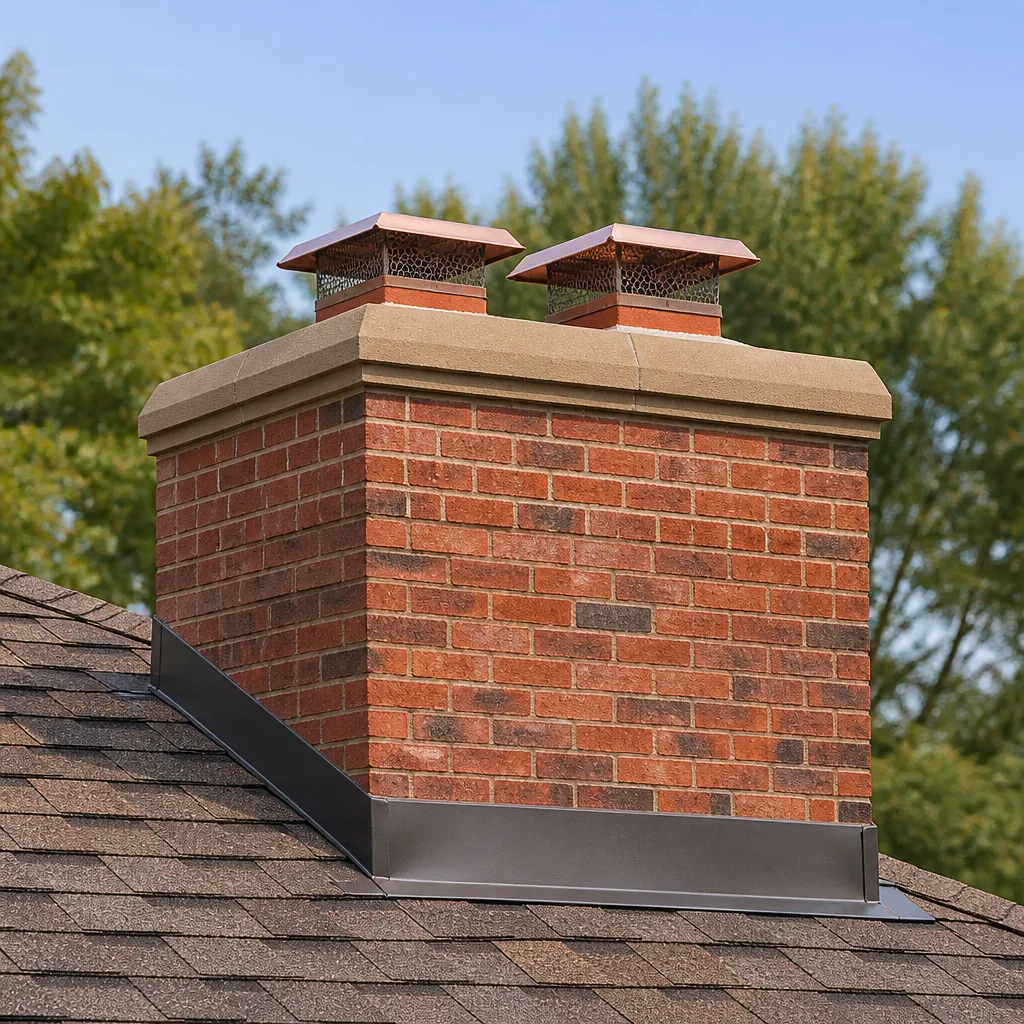
Pass: solid concrete or mortar crown, sloped away from the flue, no open cracks wider than a hairline. Fail: cracks that let water down behind the flue, spalled surface, or a crown that has pulled away from the flue pipe. Crown cracks are the number-one moisture pathway into a Killeen chimney.
Flashing
Pass: metal flashing tight against the roof and the chimney, sealed at the top edge, no lifted sections. Fail: gaps, rusted flashing, or caulk used as a substitute for proper flashing. Flashing fails faster in Killeen because of the thermal swing between summer and winter.
Cap
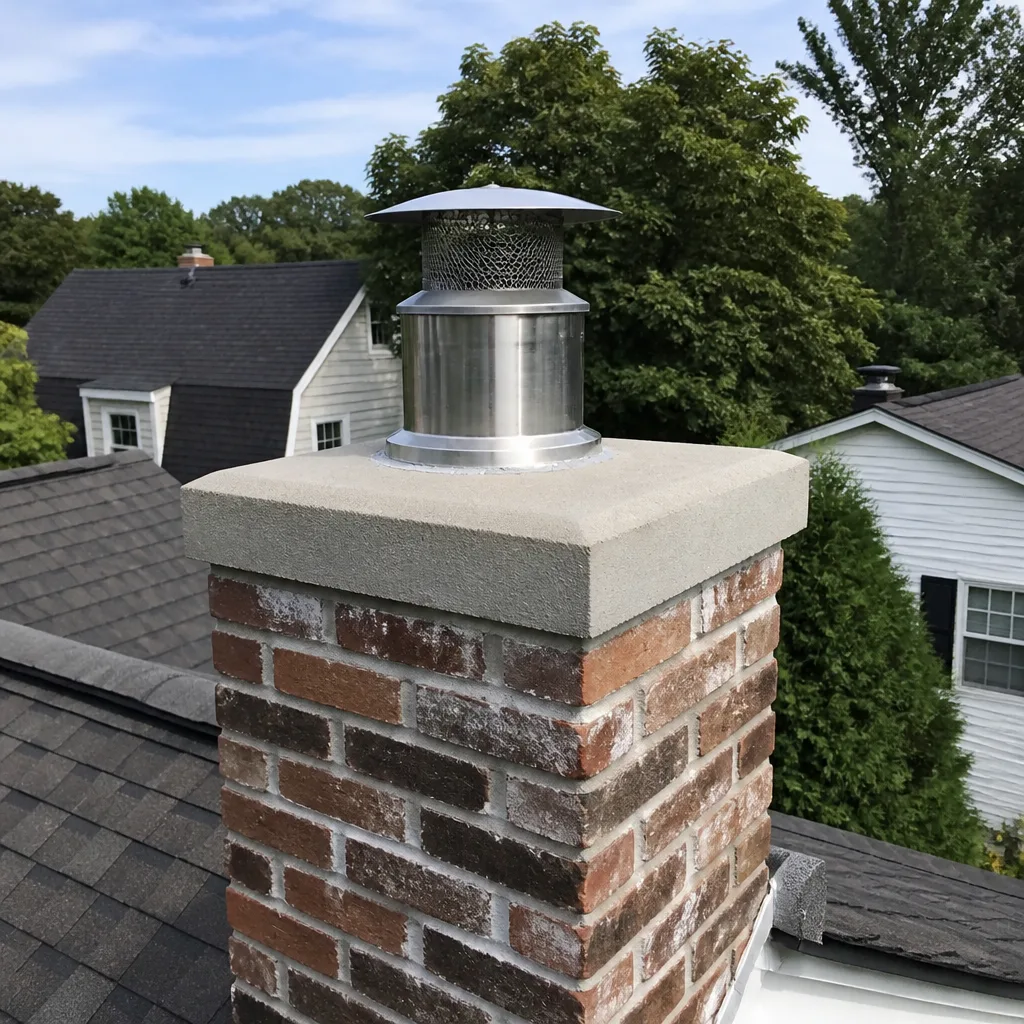
Pass: cap screen intact, cap secure against wind, birds and debris blocked. Fail: missing cap, torn screen, cap loose after a wind event. An uncapped chimney in Central Texas takes in rain, nesting birds, and wind-driven debris. Replace the cap before storm season.
How to Self-Assess Creosote Buildup with a Flashlight
You don’t need specialized tools to know if it’s time to call. A strong flashlight and a scratch test will tell you most of what you need to know before you pick up the phone.
- Wait until the chimney has been cold for at least 24 hours. Creosote builds faster than most homeowners expect after even a few fires in mild weather.
- Shine a flashlight straight up the flue from the firebox. Look for a buildup on the flue walls. The color tells you what stage you’re looking at: soft and flaky is Stage 1, crunchy and glossy is Stage 2, and glazed and hard is Stage 3.
- Scratch the buildup with a screwdriver or coin. Soft creosote that flakes off easily is Stage 1. Creosote that resists the scratch and has a glossy sheen is Stage 2. A hard, tar-like glaze that barely marks is Stage 3.
- Measure the thickness. Most chimney professionals call for a sweep once buildup reaches 1/8 inch. A visible layer thicker than that is the signal to schedule.
- Inspect the smoke chamber and damper face. If creosote is building on the damper or the smoke shelf, you’re already overdue for a sweep.
Creosote is the fuel in a chimney fire, and a glazed Stage 3 buildup is the most dangerous. It’s also the hardest to remove; the chemical sweepers we use during a Chimney Sweep Killeen appointment are chosen for the stage you’ve got, not a single one-size product. If you’re seeing Stage 3 glaze, call now rather than waiting for the next scheduled sweep. If you’re seeing Stage 1 flake, you can monitor and be swept before the next fire.
Summer Heat Cycles and Masonry Threats
Killeen’s summers run hot, and a chimney facing the afternoon sun expands through the day and contracts overnight. Over a few seasons, that movement opens mortar joints that were tight when the chimney was built. The joints that fail first are usually on the crown, the top few courses of brick, and the joints where the chimney meets the roof line.
Thermal expansion isn’t a problem that announces itself. You’ll see a fine line in the mortar joint long before you see a piece of mortar fall onto the roof. Left alone, water finds the joint, gets behind the brick face, and starts working on the flue tiles. That’s when a simple repoint becomes a liner repair.
Here’s how we think about when to call versus when to monitor:
- Monitor: hairline cracks in mortar joints on the brick face, no missing pieces, no water staining inside the firebox, no visible separation at the crown.
- Call: mortar joints where you can fit a putty knife blade, spalling pieces on the roof or ground at the base of the chimney, water stains inside the firebox or on the smoke chamber, or any visible separation between the crown and the brick.
- Call now: any loose brick, a chimney that leans, or a visible flue tile crack from the top view.
Repointing a chimney is masonry work with a specific set of rules. The mortar mix has to match the masonry. The joints have to be cut out to the right depth. Most handymen don’t do this properly, and a bad repoint makes the problem worse by trapping moisture behind a hard mortar shell. Our chimney repair side of the business exists because Killeen homeowners get a lot of quotes for front-facing cosmetic work that doesn’t touch the actual failure point.
When the flue tiles themselves have deteriorated from heat cycling, we use HeatShield to resurface the interior without full demolition. It’s a repair method most generalists can’t offer, and it solves a problem that would otherwise mean tearing out the chimney.
Pre-Storm-Season Checks: Cap and Crown in May
Killeen gets its share of spring and early summer wind events, and the chimney components that fail first in wind are the cap, the flashing, and the crown. Running a check in May – before the worst of the wind window – prevents the small failures that become expensive ones.
- Ground-level view first. Stand back from the house and look at the chimney top. Is the cap level? Is there any daylight visible between the cap and the flue? A cap that’s lifted or tilted at the corner is a wind casualty.
- Binocular check of the crown. Look for cracks, spalling on the crown surface, and separation where the crown meets the flue. Any crown crack wider than a hairline is a May task, not a fall task.
- Roof-edge view of the flashing. Look at the metal flashing where the chimney meets the roof. Lifted edges, rust, and missing caulk are all signs you should have a sweep tech look at it. Don’t climb the roof; call a professional.
- Cap screen check. The screen on the cap blocks birds, squirrels, and debris. A torn screen means something’s already inside. Look for nesting material or a bird inside the flue.
- Post-storm follow-up. After any significant wind event in Killeen, walk the exterior and check the cap again. Caps that survive the first few years tend to survive the rest.
A secure cap on a Killeen chimney should be bolted down or strap-secured, not set in place with friction. If yours lifts off in a gust, the replacement should be the kind that stays. The trade accessories we install come from brands like Copperfield and Gelco, sourced from chimney-supply chains rather than big-box stores, so the cap actually fits the flue it’s going onto.
Documentation You Should Keep
The most underrated part of a chimney maintenance checklist is the paper trail. Killeen homeowners who keep documentation save money on both insurance claims and resale inspections, because they can prove when the chimney was cleaned and what was repaired.
Here’s the file we recommend you build, either paper or digital:
- Inspection reports. Every formal inspection should produce a written report with photos. Keep the report even if it’s a clean pass. It establishes a baseline for the next inspection.
- Sweep records. Date, who did the work, and what stage of creosote was removed. If a chimney fire ever happens, the sweep record shows that maintenance was current.
- Repair history. Repoints, crown repairs, cap replacements, liner work, damper replacement. Note the date, the material or product used (HeatShield, DuraFlex, Copperfield cap, etc.), and the name of the technician or company.
- Photos. Before-and-after photos of any repair. They help enormously if you sell the house and the buyer’s inspector raises questions.
- Insurance-relevant events. Any lightning strike near the chimney, any hail event followed by visible damage, any wind event that moved the cap. Note the date in your file.
When a buyer’s inspector in the Killeen market asks for chimney records, a file with three years of inspection reports and one repair history answers every question. A file with nothing but a verbal “we had it cleaned once” invites a second round of inspections at the buyer’s expense.
Common Mistakes to Avoid
- Treating the annual inspection as optional. The one-inspection-per-year rule isn’t a marketing slogan; it’s the interval that catches changes before they compound. Skip two years in a row and a Stage 1 creosote flake becomes a Stage 3 glaze.
- Burning unseasoned wood to save money. Wet wood makes more creosote per fire, and in Killeen’s humid summers, wood stacked outside may not dry as fast as it would in a dry climate. Seasoned split wood stacked under cover, for at least a year, is the standard.
- Caulking over flashing instead of fixing it. Caulk is a temporary patch. Flashing repair means metal, counter-flashing, and a proper seal; the caulk gun gets you a summer at best.
- Ignoring the crown because the firebox looks fine. The firebox can look healthy while the crown has been leaking water down the flue for two seasons. The crown is what you check first, not last.
- Cleaning the chimney without inspecting it. A sweep without an inspection is a missed opportunity. The inspection tells you what the sweep didn’t. We do both in the same appointment for this reason.
- Letting a handyman do masonry work on the crown. Crown repair is chimney-specific masonry, and a generalist using the wrong mortar mix or skipping the bond break will trap moisture and make the next repair bigger.
- Not checking the cap after a wind event. A loose cap can lift, shift sideways, or fall into the flue. Walk the exterior after any significant Killeen wind event and look at the top of the chimney.
When to Call a Professional
Call a professional chimney specialist when you see any of the following: creosote buildup at 1/8 inch or thicker, cracked flue tiles or missing mortar joints in the flue, a cracked or spalling crown, water inside the firebox, a loose or missing cap, smoke backing into the room on a cold start, or a damper that won’t open or close fully. Call before you burn again if you’ve never had the chimney inspected or if it’s been more than a year. If you’re buying a home in the Killeen area, get an inspection before closing; a written report with photos is worth more than the price of the inspection.
Chimney Sweep Killeen offers free estimates in Killeen – call (866) 942-9240. We answer 24/7. Fast dispatch from 7am to 7pm, Sunday through Friday. Our technicians have up to 11 years of experience, we carry professional-grade brands including DuraFlex, HeatShield, Copperfield, and Gelco, and every appointment covers sweep, repair, and inspection so you’re not coordinating multiple trades.
See the difference
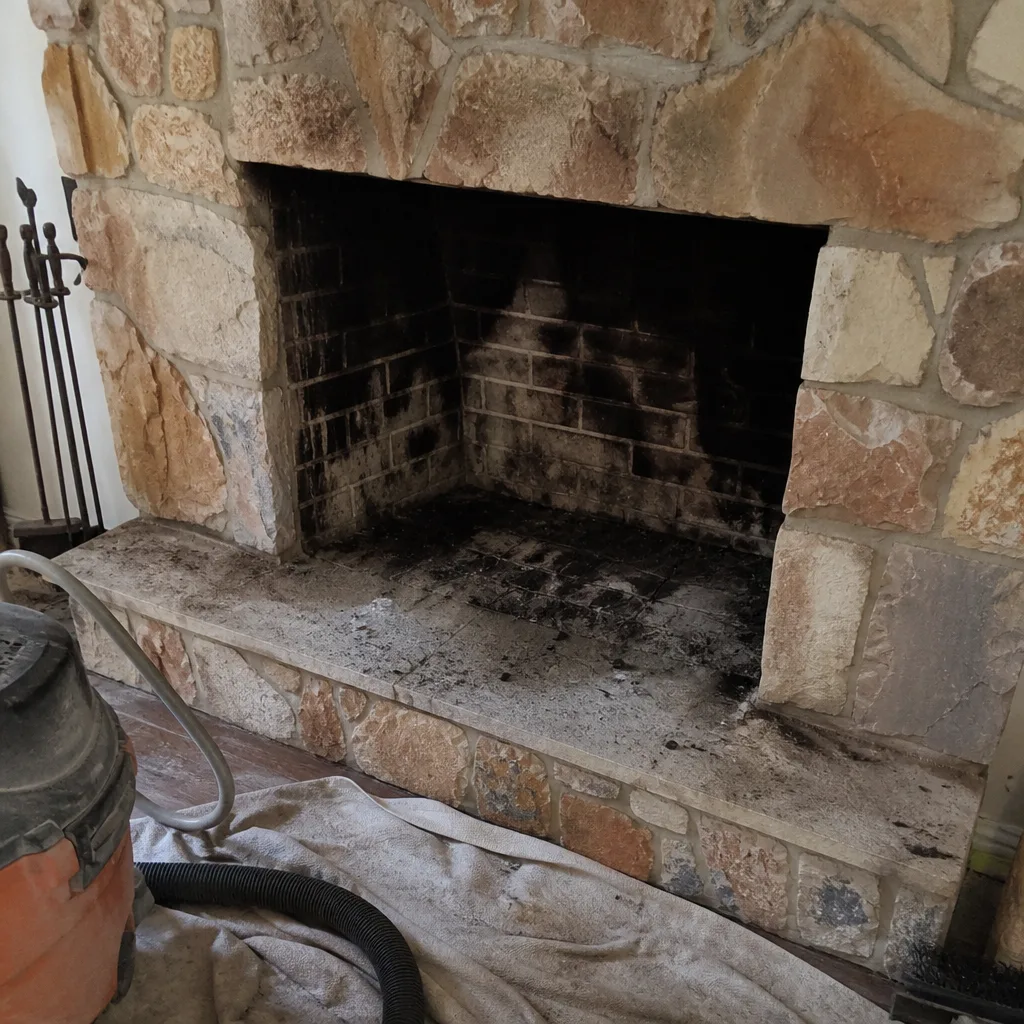 Before
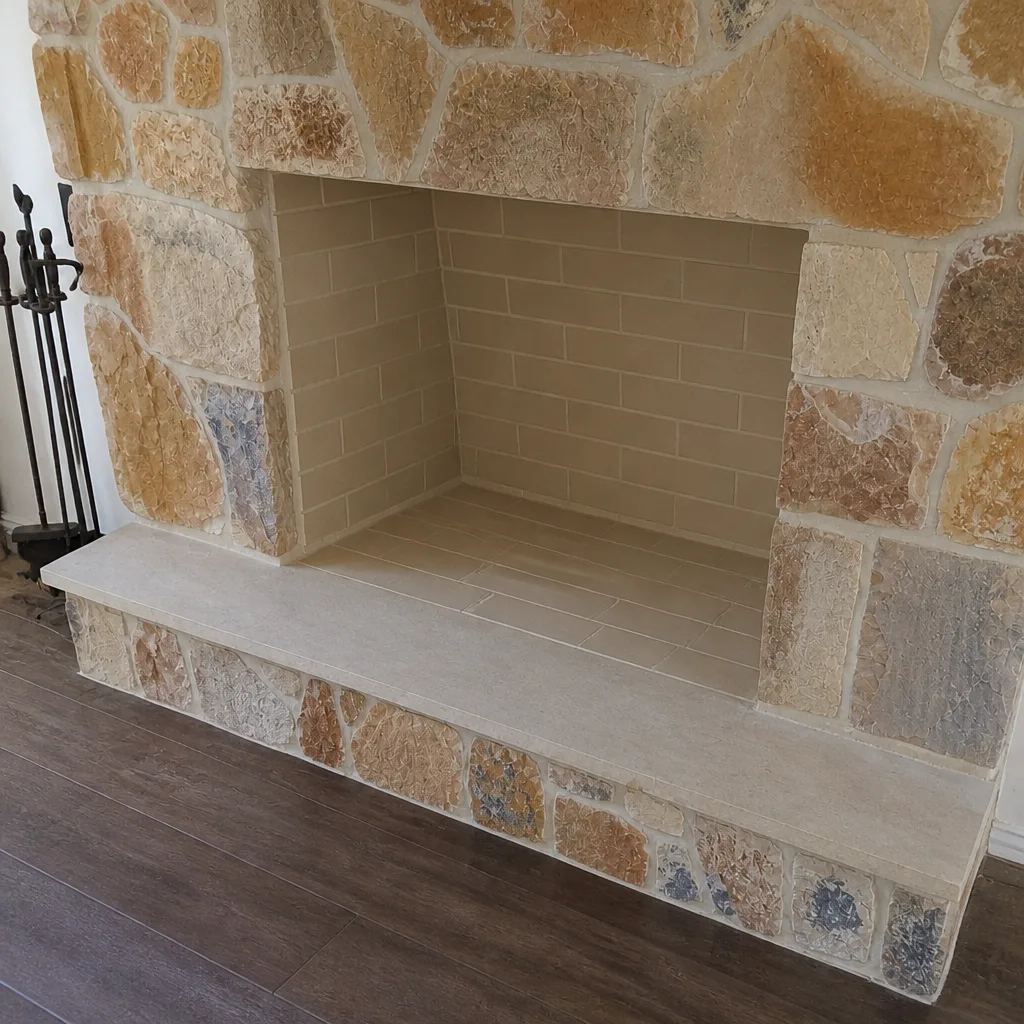 After
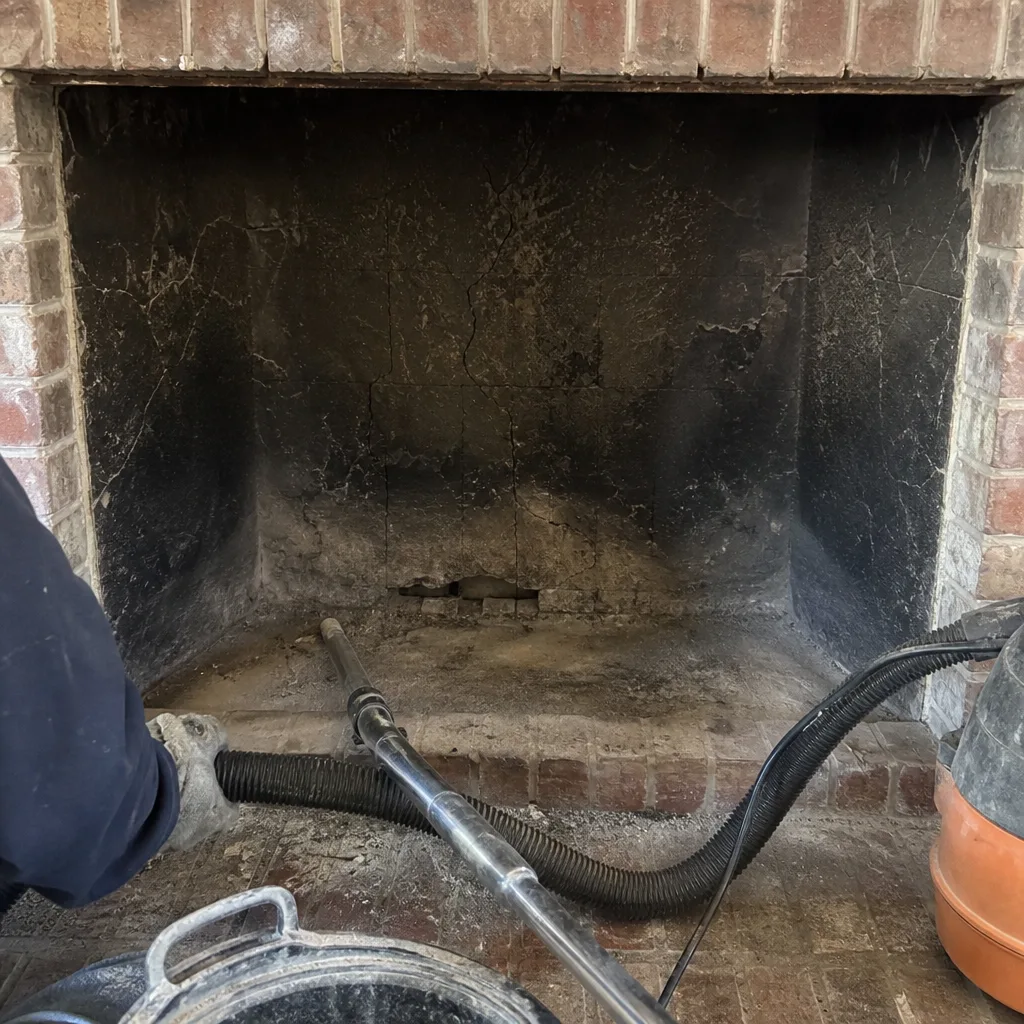 Before
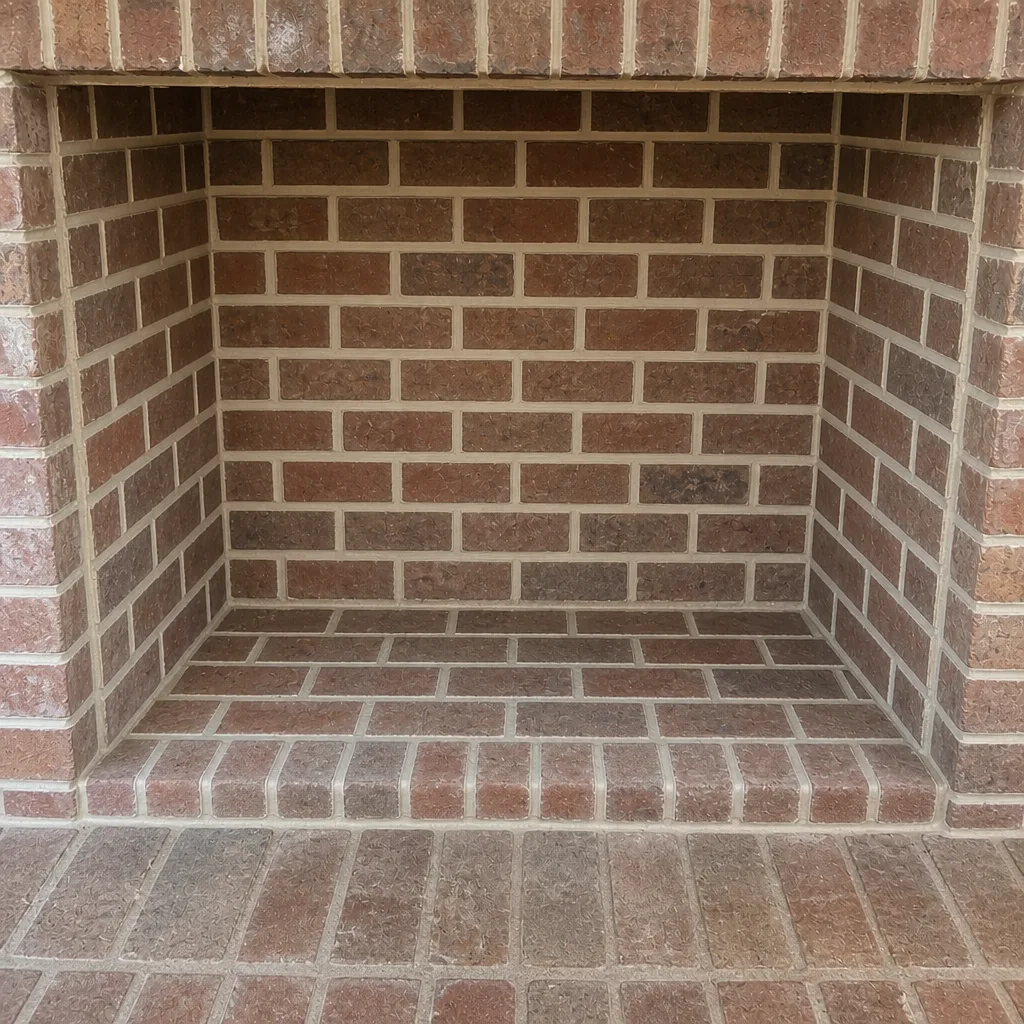 After
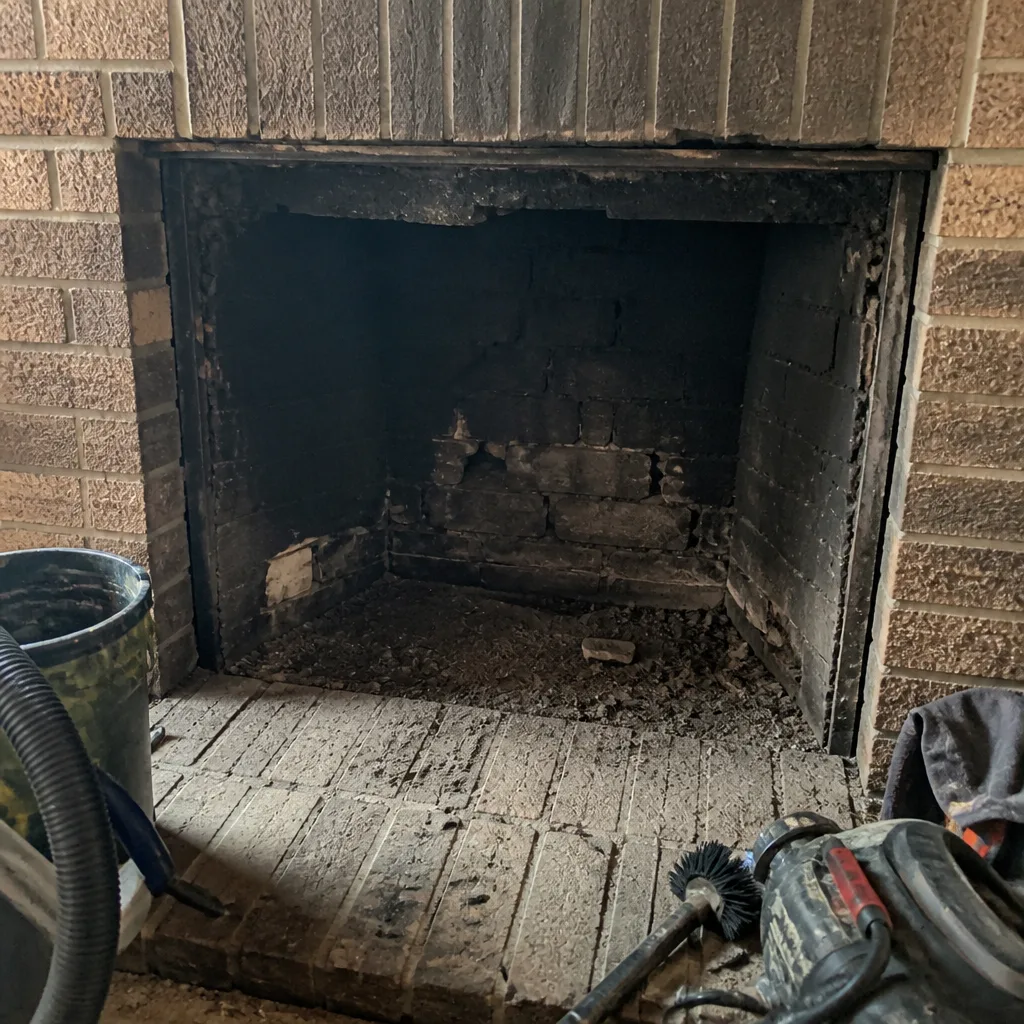 Before
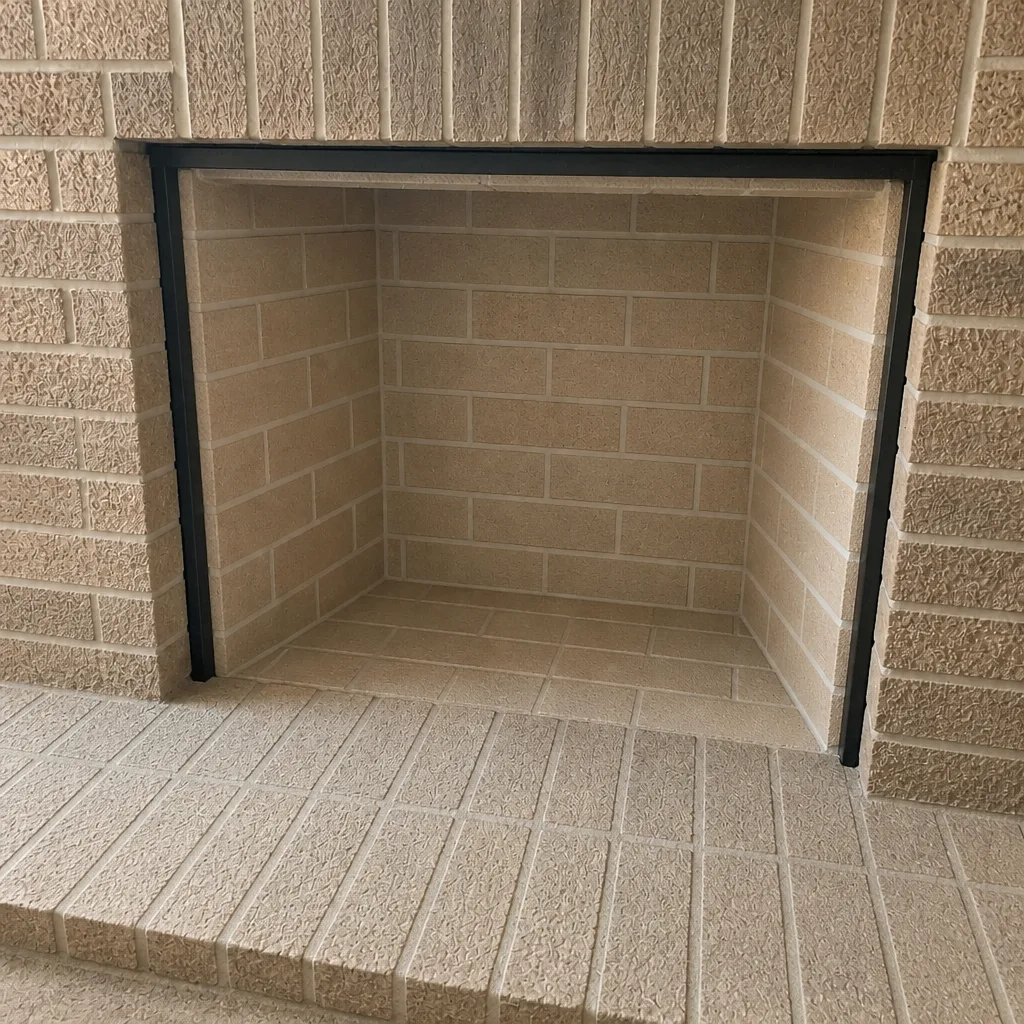 After
Frequently Asked Questions
Once per year for most homes, and more often if you burn frequently or burn unseasoned wood. In Killeen’s climate, we recommend a sweep in March after burn season ends and a formal inspection in September before the first fire. If you see creosote buildup at 1/8 inch or thicker at any point in the year, schedule a sweep regardless of the calendar. Call (866) 942-9240 for an exact quote – estimates are free.
Chimney sweeping in the Killeen area typically runs from about $150 to $300 depending on the flue length, the stage of creosote encountered, and whether an inspection is bundled in. Repair work like crown repair or liner replacement is quoted separately. We set the final price per job through a written estimate, so you’ll know the number before we start. Call (866) 942-9240 for an exact quote – estimates are free.
Only if the inspection shows your existing flue liner has failed – cracked tiles, missing mortar joints, gaps, or a flue that isn’t lined at all. Many homeowners are told they need a liner when the reality is a repairable crack or a resurfacing job. We won’t recommend a new liner without showing you the condition of the flue and explaining what we found. Ask to see the inspection photos before you commit. Call (866) 942-9240 for an exact quote – estimates are free.
You can, but it’s the wrong place to save money on a central maintenance task. Proper sweeping requires the right brushes for the flue size, a vacuum rated for chimney dust, and the trained eye to spot tile cracks, missing mortar, and creosote glaze that a homeowner will miss. Sweeping also gives you a written inspection record, which has value at resale. Call (866) 942-9240 for an exact quote – estimates are free.
Skipping maintenance lets three things happen at once: creosote builds to a stage that makes a chimney fire possible, moisture gets into the flue through the crown or flashing, and small masonry failures become large ones. Most of the expensive chimney repairs we handle in Killeen start as a $200 crown crack that wasn’t caught. Call (866) 942-9240 for an exact quote – estimates are free.
The inspection tells you. A sweep removes creosote and ash. A repair fixes structure: crown, flashing, cap, liner, smoke chamber, firebox, or damper. The two are separate tasks that often happen on the same visit. If you’re not sure which one you’re facing, an inspection is the right first call. Call (866) 942-9240 for an exact quote – estimates are free.
The Bottom Line
Killeen’s climate demands a different chimney checklist than the cold-climate guides most homeowners find online. The failure points to watch are moisture intrusion through the crown and flashing, thermal expansion on masonry joints through the summer swing, and wind damage to caps and flashing before storm season in May. Sweep once a year in March, inspect once a year in September, check the cap and crown in May, and keep records of every visit. Creosote at 1/8 inch or more, cracked flue tiles, and any crown crack wider than a hairline are the calls to make. Everything else can usually be monitored until the next scheduled appointment.
Call (866) 942-9240 for a free estimate. We answer 24/7. Fast dispatch from 7am to 7pm, Sunday through Friday. Chimney Sweep Killeen handles sweeping, repair, and inspection with technicians who focus on chimneys and nothing else.
Written by the team at Chimney Sweep Killeen.