
Last updated November 16, 2026
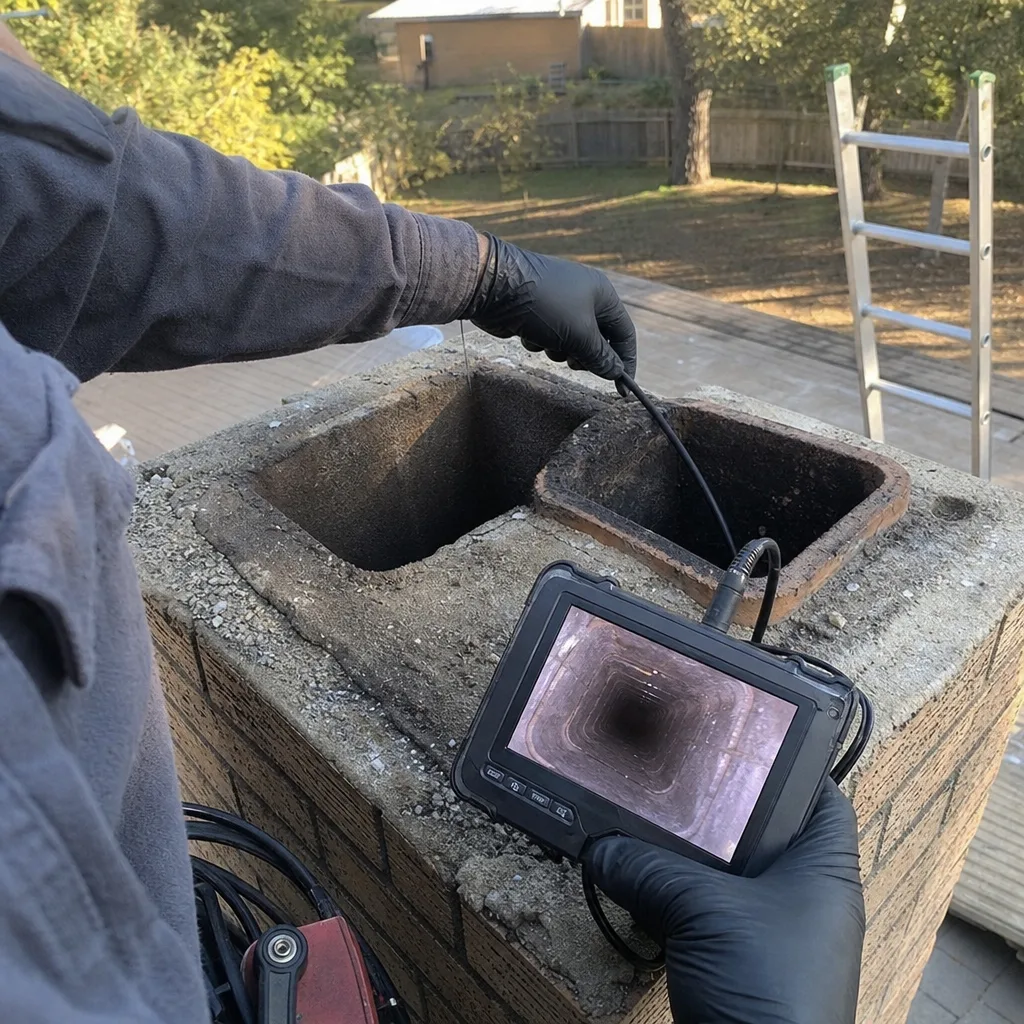
 Sweep & inspection
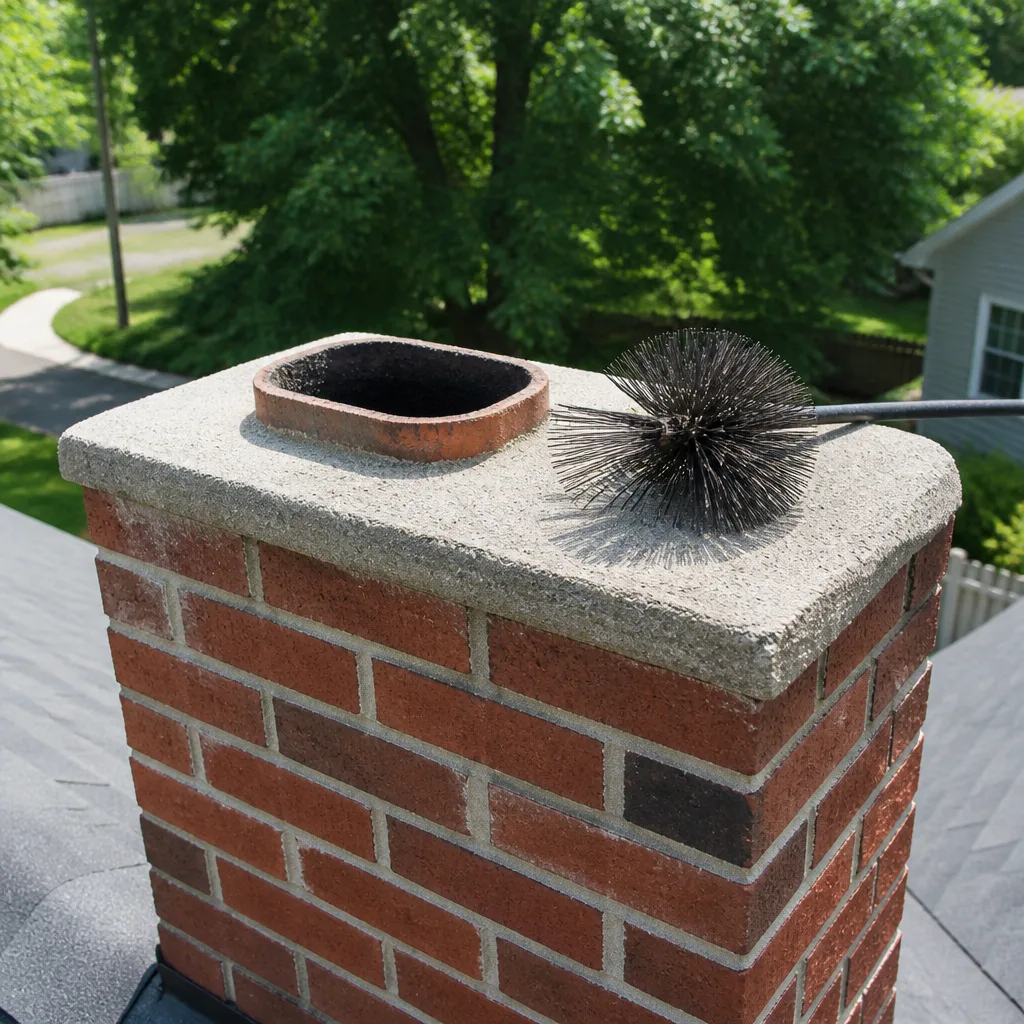
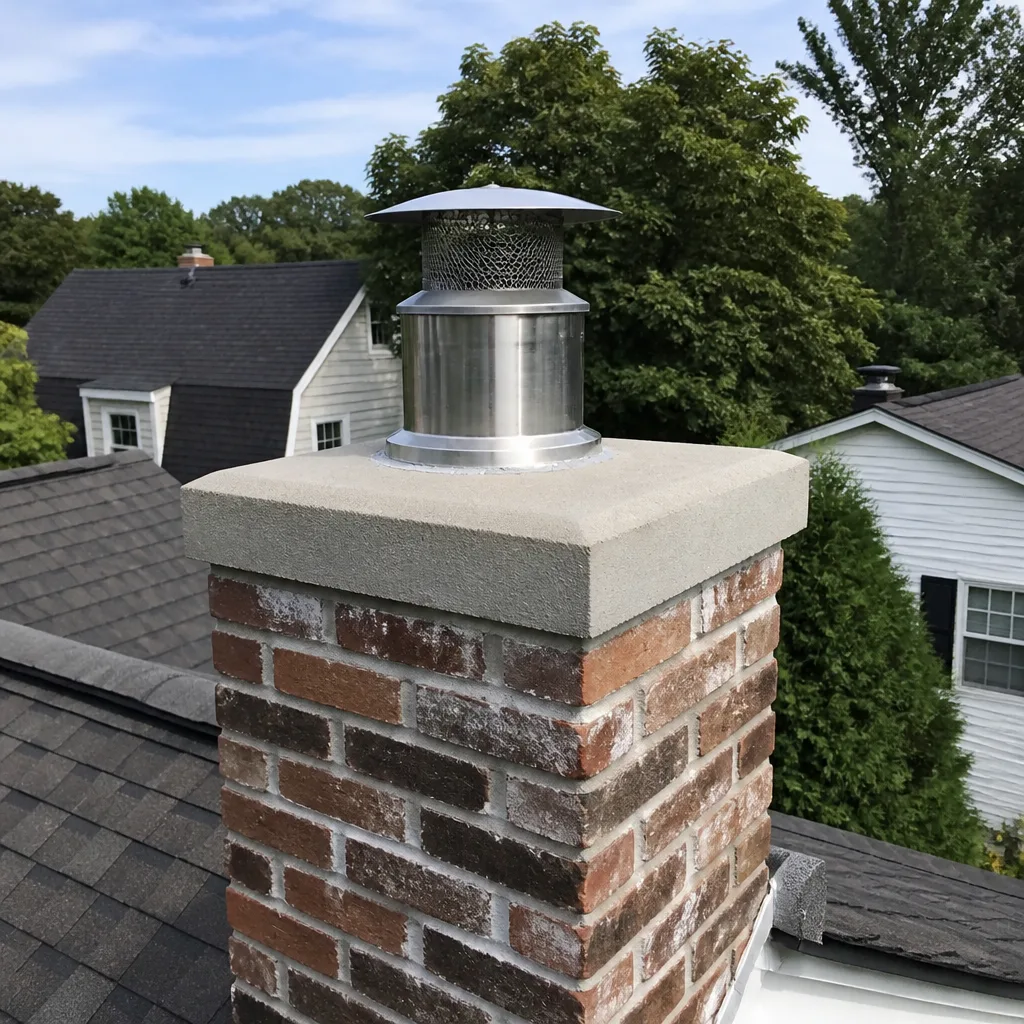
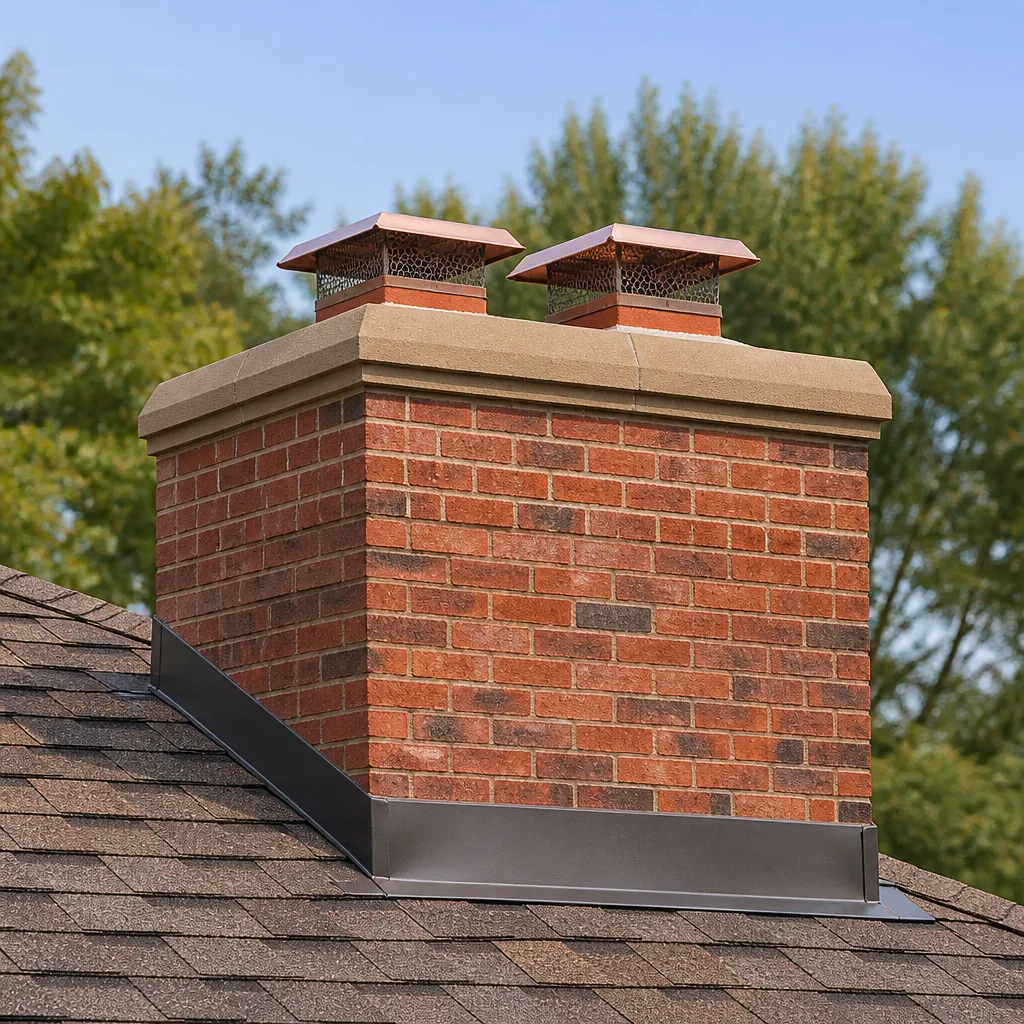 Caps & crowns
 Flue relining
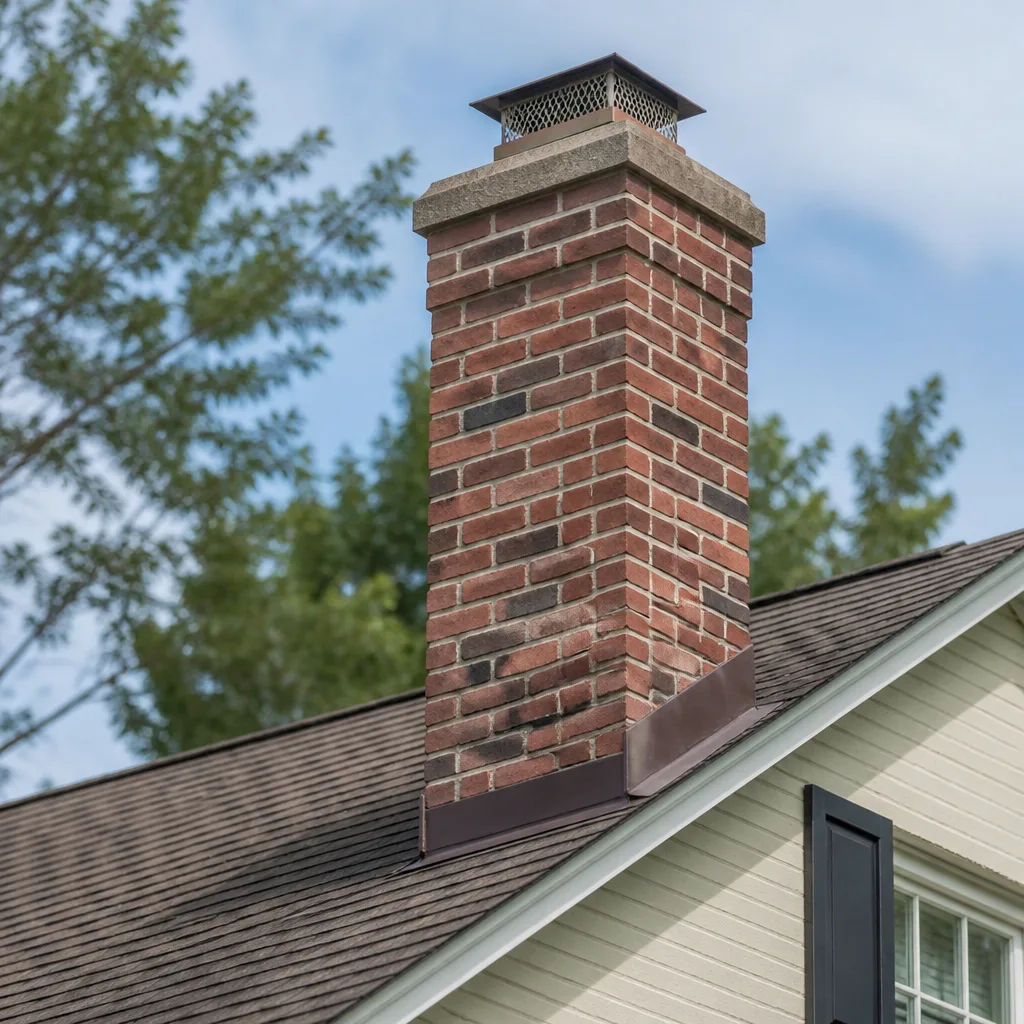 Masonry repair
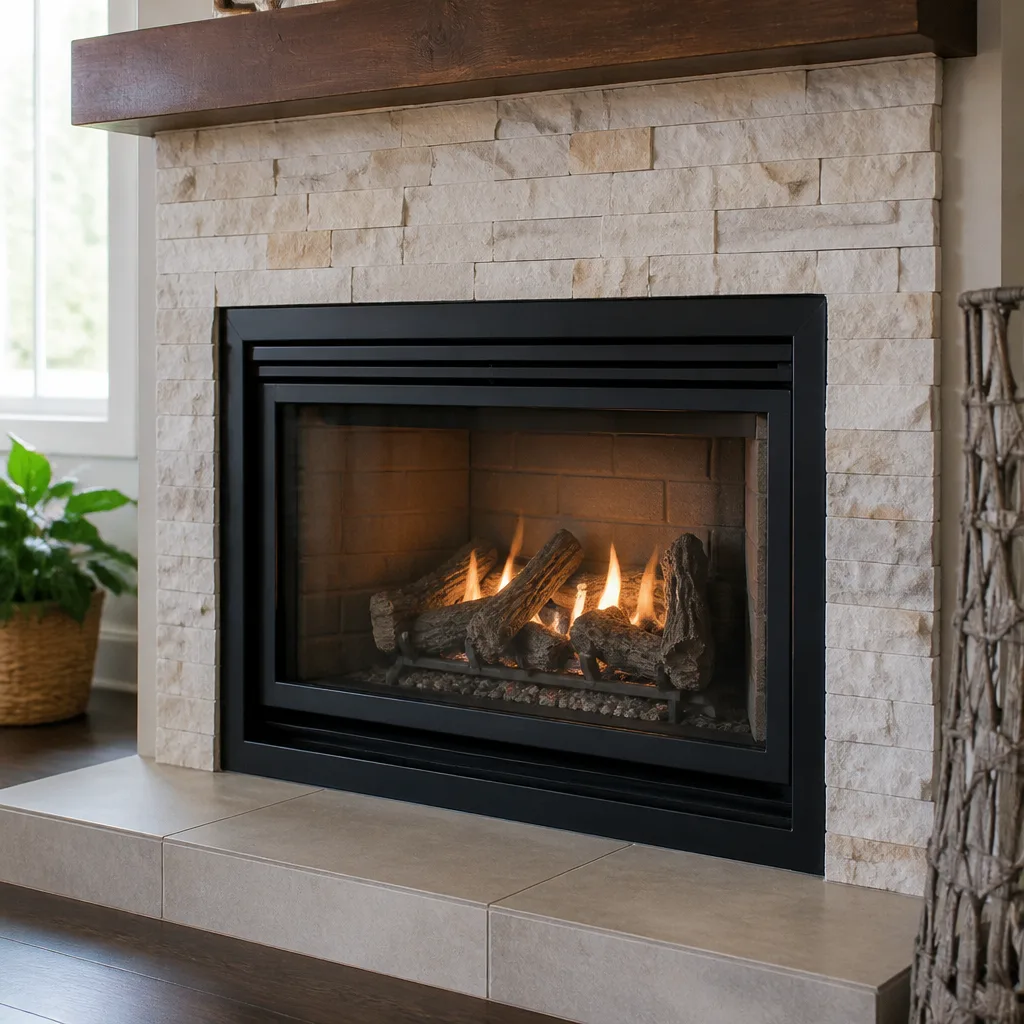 Gas fireplace service
Level 1 sweep and inspection to the NFPA 211 annual standard - flue, crown, cap, and flashing checked and photographed
Chimney sweep logs do not sweep chimneys. They loosen some creosote - which then falls where a brush and vacuum still have to collect it.
Choosing the Right Chimney Cleaning Brand: A Buyer’s Guide for Killeen
Most homeowners in Killeen shop for a chimney sweep the same way they shop for an oil change: they compare the price, not the product. That’s the gap. The materials behind a chimney job matter more than the labor, and the two biggest expenses in this trade – liner replacement and flue resurfacing – hinge entirely on brands most people have never heard of. When a contractor quotes you a “liner job,” you’re really being asked to buy DuraFlex, Copperfield, or a commodity stainless coil from a hardware distributor, and you have no way to tell the difference unless you know what to ask. This guide fixes that. You’ll learn the brands we work with, what each one does, and how to verify you’re getting professional-grade materials instead of a cheap cap install sold at professional prices.
Quick Answer
The right chimney cleaning brand in Killeen is one whose products are actually designed for chimney work – DuraFlex flexible liners, HeatShield resurfacing systems, Copperfield and Olympia Chimney components – sourced from professional supply chains, not big-box shelves. Before you book, ask the contractor to name the brand and specific product they’ll use for your liner, cap, or damper. A specialist answers immediately. A generalist reaches for whatever’s on the hardware store shelf.
Styles & brands we work with
- Sweep & inspection
- Caps & crowns
- Flue relining
- Masonry repair
- Gas fireplace service
Table of Contents
- Why Brand Matters More Than the Cleaning Invoice
- DuraFlex and Flexible Liner Systems Explained
- HeatShield: Two Formulations, Two Very Different Jobs
- Copperfield and the Professional Supply Chain Signal
- Damper Brands: Lyemance, Lock-Top, and Generic Hardware Units
- The Chimney Cap Material Hierarchy
- How to Verify What Your Contractor Is Installing
- Common Mistakes to Avoid
- When to Call a Professional
Why Brand Matters More Than the Cleaning Invoice
A chimney sweep in Killeen is a service, but the money that actually leaves your wallet goes toward parts and materials. The sweep itself costs far less than the liner, cap, or damper that may follow. So when a homeowner compares two cleaning quotes and picks the cheaper one, they may be choosing a contractor whose material lineup you never examined.
Here’s the uncomfortable truth about this market: many companies advertise “chimney cleaning” as one line item on a menu that includes roofing, gutters, HVAC, and handyman work. Those crews aren’t dishonest. They’re just not buying chimney-specific materials in volume, which means they source from whatever local distributor stocks the nearest generic match. That match may be a low-grade stainless coil, a stamped sheet-metal cap, or a mortar patch in a sandwich bag.
In our experience, the difference between a liner that lasts decades and one that fails in a few years almost always traces back to the brand and gauge of the material, not the skill of the install. A talented installer can’t make a cheap liner last. A mediocre installer given professional-grade material at least gets a fighting chance.
Brand literacy also protects you as a buyer. If a contractor can’t name what’s going into your chimney, you can’t verify what you’re paying for. That’s the whole point of this guide.
DuraFlex and Flexible Liner Systems Explained
DuraFlex is a name that comes up often in chimney relining, and for good reason: it’s a flexible stainless liner system designed for chimneys where rigid liner sections can’t be pushed through – which is most of them. Any chimney with an offset, a bend, or a tight flue angle can usually only be lined with a flexible system. If a contractor quotes “rigid liner” without inspecting first, that’s a red flag.
What makes flexible systems like DuraFlex work is the combination of alloys and construction. The liner is corrugated stainless steel, most commonly 316L or 316Ti alloy for wood-burning appliances and 316L for most gas installations, with some heavier-duty formulations for high-efficiency appliances and oil-fired equipment. The corrugation lets the liner flex around bends while the alloy resists corrosion from creosote and combustion byproducts.
Why does this matter in Killeen specifically? Chimneys here deal with a long, hot season followed by sudden cool nights when people finally light a fire for the first time in months. That first fire sent up a cooler flue heats unevenly compared to a midwinter fire. A chimney that sits idle for months, then gets hammered, then idles again, puts real stress on the liner and on the surrounding masonry. Flexible, corrosion-resistant stainless handles that cycle far better than a thin, single-piece liner or a patched-up clay tile.
What to verify when a contractor quotes a flexible liner
- Ask for the brand and the alloy grade. DuraFlex 316L is typical for wood-burning; 316Ti is the heavier alloy. If they can’t tell you, that’s your answer.
- Ask about the gauge. Thicker is more durable. A professional installer will tell you the gauge (or the corresponding brand spec) without hesitation.
- Confirm the warranty is manufacturer-backed. A maintenance-included verbal promise from a crew is not the same as a product warranty from the brand.
- Ask whether the liner is insulated. In Killeen’s climate and code environment, an insulated liner is often required for proper venting on modern appliances. A contractor who skips insulation to save labor is cutting a corner.
HeatShield: Two Formulations, Two Very Different Jobs
HeatShield is the name that separates a true chimney specialist from a generalist. It’s a resurfacing system engineered to restore deteriorated clay flue tiles without tearing the chimney down and rebuilding it. Crucially, it’s not one product – it’s a family of formulations, and the right one depends on what the flue actually needs.
Two formulations come up constantly in chimney work:
- Cerfractory Flue Sealant – a resurfacing compound that restores a flue whose tiles are cracked, spalled, or pitted across a broad surface. It rebuilds the interior surface as a smooth, heat-resistant barrier.
- Joint Repair Mortar – a targeted compound for repairing the joints between otherwise-sound flue tiles. When the tiles themselves are intact but the mortar joints have begun to fail, this is the right product. Using Cerfractory where Joint Repair Mortar is appropriate (or vice versa) is a sign the contractor doesn’t understand the system.
This distinction is the entire reason we ask every contractor what formulation they plan to use. A generalist might use HeatShield’s name in a quote without ever having used the product, or might stock one formulation and force it into every situation. A specialist will tell you which formulation your flue needs and why – and it will match what the inspection found. HeatShield resurfacing restores a flue without a full demolition, keeping a highly expensive rebuild off the table. That economy is real and difficult to replicate with any other method.
How to ask about HeatShield without getting talked in circles
Ask this in plain terms: “Which HeatShield product are you planning to use – Cerfractory or Joint Repair Mortar – and what in my inspection report points to that one?” If they can’t tell you which, they haven’t inspected properly, and they’re guessing. Guessing is exactly how a substandard resurfacing job gets sold at full price.
Copperfield and the Professional Supply Chain Signal
Copperfield is a name that means nothing to most homeowners and everything to a dedicated chimney technician. It’s a supplier of chimney products – caps, chase covers, dampers, liners, components – that are sold through professional supply chains and, generally speaking, not through big-box retailers. That channel matters.
Here’s why a brand’s distribution channel is a proxy for quality. Big-box stores stock what sells to a mass market at a mass-market price point. Professional supply chains stock what a working chimney trade needs to install, warranty, and service long-term. The two catalogs overlap less than you’d think, and the parts that only show up on the professional side tend to be the ones engineered for real chimney environments, not for a weekend install.
When a contractor tells you they source from Copperfield or Olympia Chimney, ask them to name the specific product for your job. A pro reels it off. When they instead pivot to “we use high-quality materials,” that’s the tell – high-quality has no catalog number.
We work with a curated lineup of Copperfield, Olympia Chimney, Famco, Gelco, DuraFlex and HeatShield, sourced from professional channels rather than retail shelves. That lineup exists because the products are trade-recognized, serviceable, and covered by manufacturer warranties. If a contractor can’t name their supplier, you shouldn’t be paying them for a repair.
Damper Brands: Lyemance, Lock-Top, and Generic Hardware Units
The damper is the metal flap at the top (or bottom) of a chimney that seals it closed when you’re not burning. It’s a small part with an outsized effect on your heating and cooling bills, because a leaky damper is an open window into your home. Two professional-grade names dominate this category: Lyemance and Lock-Top. Both are top-sealing dampers, meaning the seal sits at the top of the flue rather than somewhere lower inside. That design seals tightly and keeps weather and animals out.
How they differ from generic hardware-store units
- Seal design. Lyemance and Lock-Top use precision gasket systems that tolerate seasonal wear. Generic units often use simple metal-on-metal contact that warps or rusts unevenly.
- Longevity in Killeen’s humidity. Killeen’s summers are hot and humid. A cheap damper’s spring, hinge, or gasket has a much shorter working life under those conditions. A professional-grade top-sealing damper is built for exactly that kind of climate.
- Efficiency impact. A well-sealed damper blocks air exchange between the home and the outside when the fireplace is off. A cheap unit doesn’t, and you end up paying for it with the thermostat.
- Serviceability. Professional units have parts available. Generic hardware-store dampers are often replaced entirely when they fail.
Ask a contractor which damper brand they install and why that one. A chimney specialist has a reason. A generalist is often just installing what the hardware store nearby happens to stock.
The Chimney Cap Material Hierarchy
Chimney caps are where cheap installs get sold hardest, because the part looks small and the price looks low. But a cap’s job is serious: it keeps water, animals, and sparks out while allowing smoke and gases up. In Killeen’s humidity, the cheapest cap fails fast, generally within three to five years regardless of brand. Here’s the material hierarchy every homeowner should know:
- Galvanized steel – the entry-level option. Cheap, common, and the fastest to rust through in humid climates. Good for short-term fixes only.
- Stainless steel – the professional standard. Handles Killeen’s humidity and the corrosive gases rising from flues far better than galvanized. A well-installed stainless cap lasts many times longer than a galvanized one, which makes the modest price difference pay for itself quickly.
- Copper – top of the hierarchy. Copper doesn’t rust; it develops a protective patina. On top of its durability, it ages into a look many homeowners want on the roofline. It’s the highest-cost option and the longest-lived.
The mistake isn’t buying galvanized for a genuine stopgap. The mistake is paying specialist prices for a galvanized cap. Ask what material the cap is going to be before you agree to the work. If a contractor won’t specify, that’s an answer too.
How to Verify What Your Contractor Is Installing
You don’t need to become a chimney technician to protect yourself. A handful of specific questions will sort a specialist from a generalist quickly. Run through this checklist before you book any work beyond a routine sweep. For a routine sweep, the questions are simpler – mostly about whether the inspection is included in the sweep and whether the contractor performs a proper inspection at all. That’s where chimney sweep work lives on a properly run job.
The five questions that matter most
- “What brand of liner will you install, and what alloy?” A specialist names the brand (DuraFlex, Olympia Chimney) and the alloy (316L, 316Ti) on the spot. A generalist says “high-quality stainless.”
- “Which HeatShield formulation does my flue need, and why?” Any resurfacing quote without this detail is premature. It should follow from what the inspection actually found.
- “Where do you source your caps and dampers?” “Professional supply chain” or the specific brand is a good sign. “Hardware store down the road” isn’t wrong, but expect a short-life part.
- “Is the cap galvanized, stainless, or copper?” If they can’t say, they’re installing a galvanized cap. That’s fine if you’re paying a galvanized price. It’s not fine at stainless prices.
- “Will you show me the inspection photos?” Any repair recommendation should trace back to evidence you can see. No photos, no work.
If a contractor balks at these questions or deflects into “we’ve been doing this a long time,” that’s the moment to move on. The answers you need are all pre-purchase questions a specialist is happy to answer.
The Full Brand Lineup at a Glance
When we tell homeowners about our lineup, they often want it on one page. Here’s how each brand fits into a job, without pretending any one brand does everything:
- DuraFlex – flexible stainless liner systems for relining jobs, especially on offset or angled flues.
- HeatShield – flue resurfacing and joint repair. The right formulation depends on the inspection.
- Copperfield – professional-grade chimney products including caps, chase covers, and components, sourced through trade supply chains.
- Olympia Chimney – liner components and chimney accessories, available through professional distribution.
- Famco – chimney components and fittings used in liner and damper installations.
- Gelco – chimney specialty products used in repair and restoration contexts.
We work within a curated lineup, not everything on the market. Some chimney products simply don’t need to be premium-brand – a bathtub cap doesn’t need the same specification as a flue seal. But the parts that actually touch your flue, damper, or chimney top all come from professional channels. That’s the difference between a chimney specialist and someone who added chimney cleaning as a service menu item.
Brand Knowledge as a Specialist Test
Here’s a practical, slightly blunt test. Ask any contractor to name two chimney brands and then explain the difference between them. A dedicated chimney technician answers instantly. A generalist with a multi-trade business often doesn’t have two chimney brands in their working vocabulary, because their product knowledge lives in other trades. Roofing, HVAC, gutters, and window installation each have their own brands. Chimneys have theirs, and the crossover is thin.
The reason this test works: someone who knows the difference between HeatShield’s Cerfractory Flue Sealant and its Joint Repair Mortar has sat down with a manufacturer’s technical material and cared. Someone who can name DuraFlex and the alloy spec they use has actually installed one. That kind of knowledge isn’t marketing. It’s work history.
We keep our service offering narrow on purpose: chimney sweeping, chimney repair, and chimney inspection. Every technician on a job is a chimney specialist, not a generalist adding chimney work to a broader menu. That’s the reason we can tell you which formulation of HeatShield your specific flue needs and the reason we can name the alloy of a DuraFlex liner without checking a catalog. It’s also the reason for the questions we’ll ask about your chimney before recommending anything – crack patterns, flue size, liner condition, cap and crown status. Those answers point the direction. Brand names follow.
What the Inspection Should Actually Produce
Brand recommendations come out of an inspection, not out of a price list. Any contractor who recommends liner replacement or resurfacing without a proper inspection is guessing, and it’s worth knowing what a proper inspection should actually deliver:
- Photos of the flue interior – a camera inspection with a photo report attached to the findings. This is the baseline for any repair recommendation.
- Flue dimensions and material notes – the flue size determines what liner fits, and the underlying material affects whether resurfacing is viable.
- Joint and tile assessment – this is where the HeatShield formulation decision gets made. Broad-area failure points to Cerfractory. Isolated joint issues point to Joint Repair Mortar. Sound tiles point to neither.
- Cap and crown condition – a failing cap or crown is often what let water in and caused damage to begin with. Fixing the liner without fixing the cap means the next round of damage happens faster.
- Clear plain-English writes and reads. Not just “needs repair.” You should know exactly what’s being fixed and why.
This is the substance behind a proper chimney repair recommendation. Nothing gets recommended without evidence you can see for yourself, and it’s fine to be told work can safely wait. A specialist has no reason to inflate a job – the line items are checkable.
Climate and Chimney Materials in Killeen
Killeen’s climate puts specific stress on chimney materials that homeowners elsewhere may not see. Long hot summers sit on top of a good stretch of cooler months with nighttime fires. The cycle from months of idleness to sudden burn seasons works the chimney’s metal, stone, and mortar joints. Flexible stainless liners handle that cycle well. Thin, low-grade stainless doesn’t. Galvanized caps don’t. And dampers, especially cheap ones, tend to fail right when you need them most – at the start of the first real cold snap of the season.
Because of that, the material grade matters more here than in climates with a longer burn season. A low-grade liner that might survive five years in a milder, shorter season starts showing wear sooner in Killeen. That’s not a scare tactic – it’s the practical reason we push for the professional-grade materials in the first place. The premium you pay for a DuraFlex liner over a cheap coil is the premium that buys the extra service life.
Same logic applies to caps. In a dry, high-desert climate, a galvanized cap can hang on much longer. In a humid climate like Killeen’s, that same cap starts rusting early. Stainless or copper is the right call here.
Common Mistakes to Avoid
- Choosing on the cleaning invoice alone. The sweep is the cheapest part of the job. The liner, cap, and damper are where the real money goes. Comparing cleaning quotes without comparing materials is comparing the wrong number.
- Accepting “high-quality materials” as an answer. Ask for a brand and a product name. If the contractor can’t produce one, they haven’t thought about your chimney long enough to be trusted with it.
- Buying a galvanized cap at stainless prices. Know which material you’re buying. Galvanized is a stopgap; stainless is the standard; copper is the top of the hierarchy. Pay accordingly.
- Skipping the inspection on a repair quote. Any repair on your chimney should trace back to inspection photos. If you can’t see the problem, don’t sign for the fix.
- Letting a generalist install a liner without specifying the alloy. DuraFlex 316L and a generic coil from a hardware distributor look similar and last very differently. Alloy and gauge are the two specs that decide.
- Assuming HeatShield is one product. Cerfractory Flue Sealant and Joint Repair Mortar do different jobs on different flue conditions. A contractor who treats them as interchangeable is telling you something about their understanding of the system.
- Trusting a quote without a written estimate. Free estimates exist, and every job should come with a written price and scope. Verbal prices are how material substitutions happen quietly.
When to Call a Professional
Any time the recommendation involves liner replacement, flue resurfacing with HeatShield, or a top-sealing damper installation, that work belongs in the hands of a chimney specialist. In our experience, the moments that most consistently call for professional involvement are: a repair quote that names a brand and product and needs to be verified, a chimney that hasn’t been swept since before the last several burn seasons, cracked or displaced flue tiles visible from the top, a cap that’s rusted through or missing entirely, a damper that no longer seals, or a firebox that’s beginning to show mortar joint wear. If your chimney is in any of those states, a proper Chimney Sweep Killeen appointment is the right first step, and a proper inspection report follows.
Chimney Sweep Killeen offers free estimates in Killeen – call (866) 942-9240. We answer 24/7. Fast dispatch from 7am to 7pm, Sunday through Friday. Nothing gets recommended without inspection photos you can see, and if a repair can safely wait, we’ll tell you.
Frequently Asked Questions
The cleaning itself typically runs in the low hundreds, but the materials that follow the sweep – liner, damper, cap – are the big line items. Our written estimate sets the final price, and the estimate is free. Call (866) 942-9240 for an exact quote.
You need a new liner only if the inspection shows it. Ask to see the camera footage and photos. A cracked or deteriorated flue needs a liner; a flue that’s sound keeps its liner. If you can’t see the evidence, don’t agree to the work. Call (866) 942-9240 for a free estimate with the findings attached.
Cerfractory Flue Sealant resurfaces a flue where the tiles are broadly deteriorated; Joint Repair Mortar targets the joints between otherwise-sound tiles. The right one depends on the condition your inspection finds. Ask the contractor which formulation they plan to use and why. If they can’t answer, call us at (866) 942-9240.
Yes, in this climate. Galvanized caps rust quickly in Killeen’s humidity – often within three to five years – and stainless holds up far longer. It’s a modest price difference for a much longer service life. Call (866) 942-9240 for a free estimate on a cap replacement.
You can, but you’re trusting a stranger with the single most expensive material decision in the job. Ask for the brand and alloy (DuraFlex 316L is the typical wood-burning spec) before you agree. A specialist will answer it in seconds. Call (866) 942-9240 if you want a second opinion on a quote you’ve already received.
Annual inspection is the standard, and sweeping frequency depends on how heavily you burn. In Killeen, a home that burns regularly through the cooler months benefits from an inspection every year, even in a year with light burning. It’s the cheapest way to catch a small problem before it becomes a liner replacement. Call (866) 942-9240 to schedule one in Killeen.
You can end up with a commodity-grade liner or a galvanized cap priced like a professional install. Both will fail earlier than the premium materials, and you’ll pay again for the replacement sooner than you should. The brand conversation is the cheapest insurance against that outcome. Call (866) 942-9240 for a free estimate with the brand specified in writing.
The Bottom Line
Brand literacy is the difference between paying for a chimney repair and paying for a chimney product. The right chimney cleaning brand in Killeen is one whose products are engineered for the trade, not adapted from a hardware catalog – DuraFlex for flexible liners, HeatShield (Cerfractory or Joint Repair Mortar, chosen from the inspection) for resurfacing, Copperfield and Olympia Chimney for caps, dampers, and components. Ask for the brand and the specific product before you sign any estimate. A specialist answers immediately, and if the answer isn’t clear, that’s the answer. Nothing gets recommended without evidence you can see, and a free estimate costs nothing.
Chimney Sweep Killeen handles sweeping, repair, and inspection across Killeen. Call (866) 942-9240 for a free estimate. We answer 24/7. Fast dispatch from 7am to 7pm, Sunday through Friday. Our technicians have up to 11 years of experience with the brands covered in this guide.
Written by the team at Chimney Sweep Killeen.
See the difference
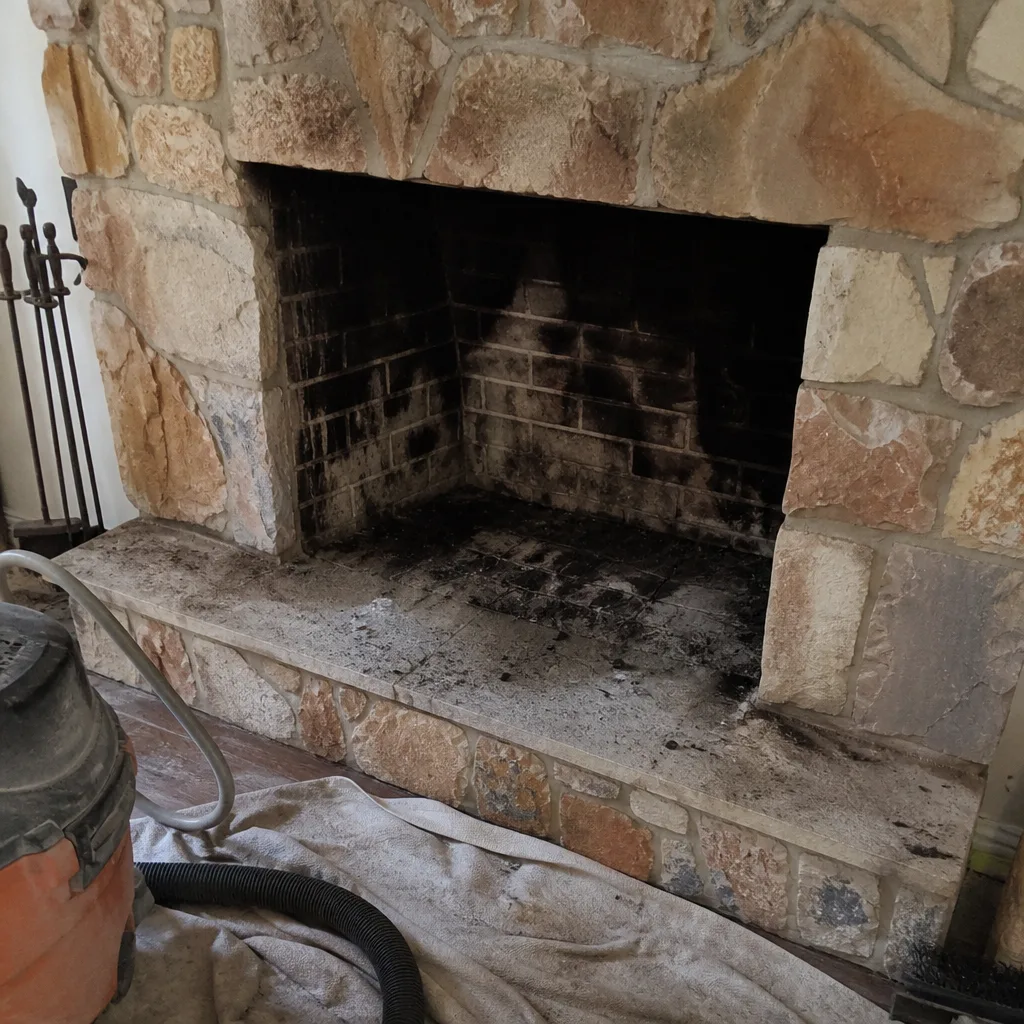 Before
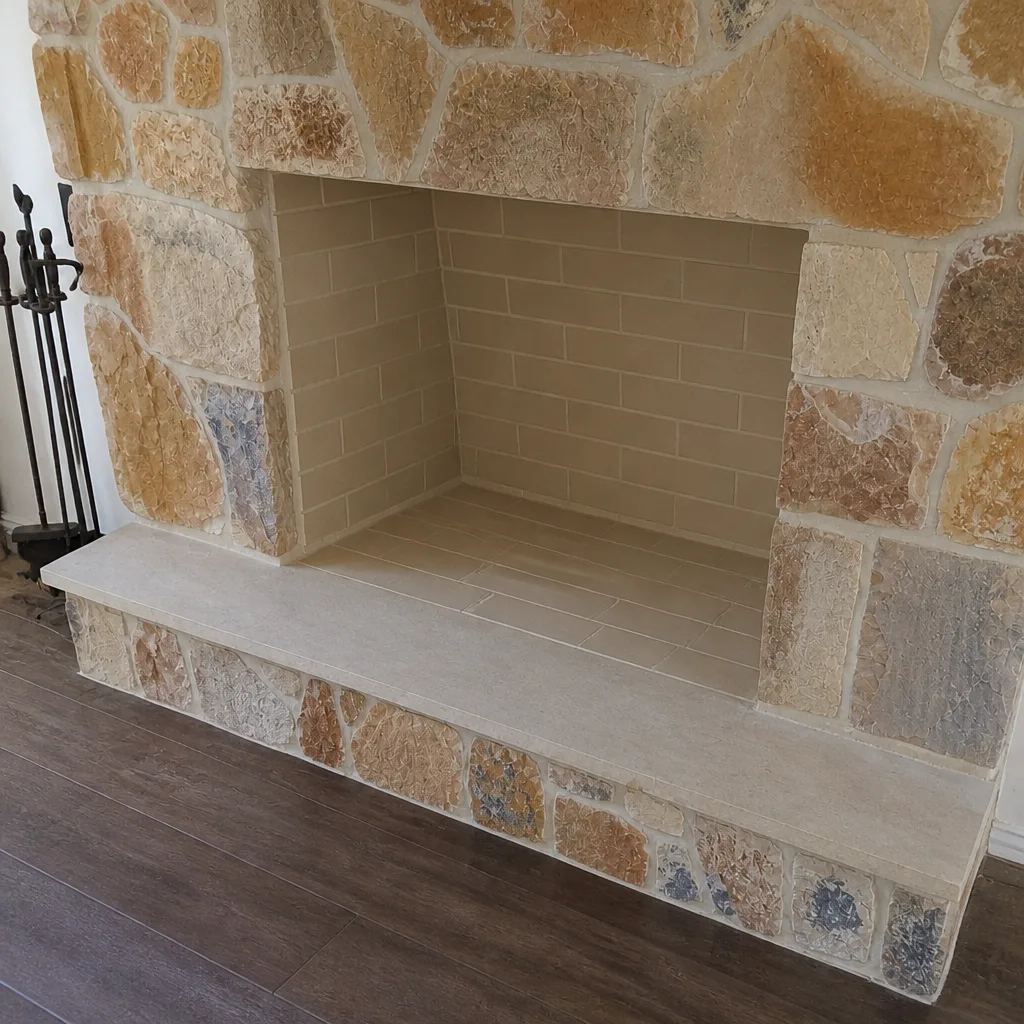 After
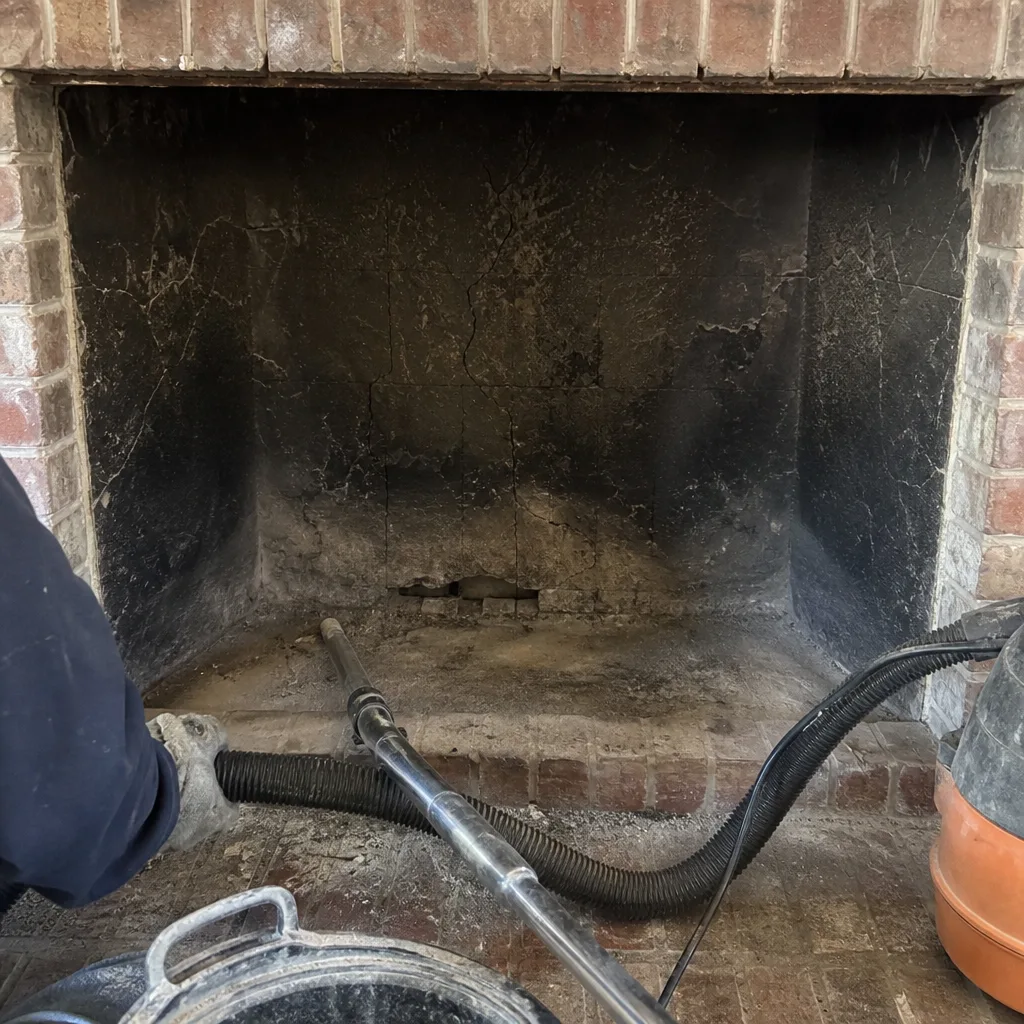 Before
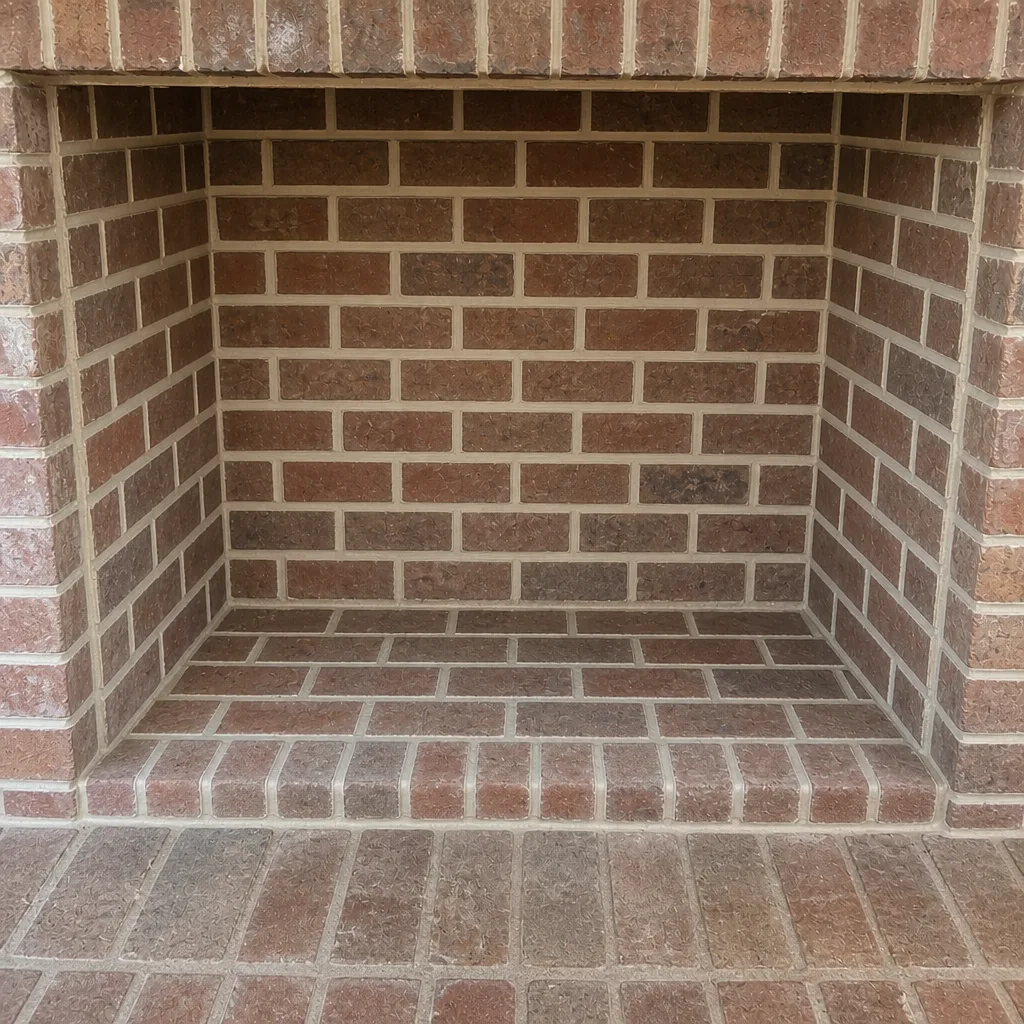 After
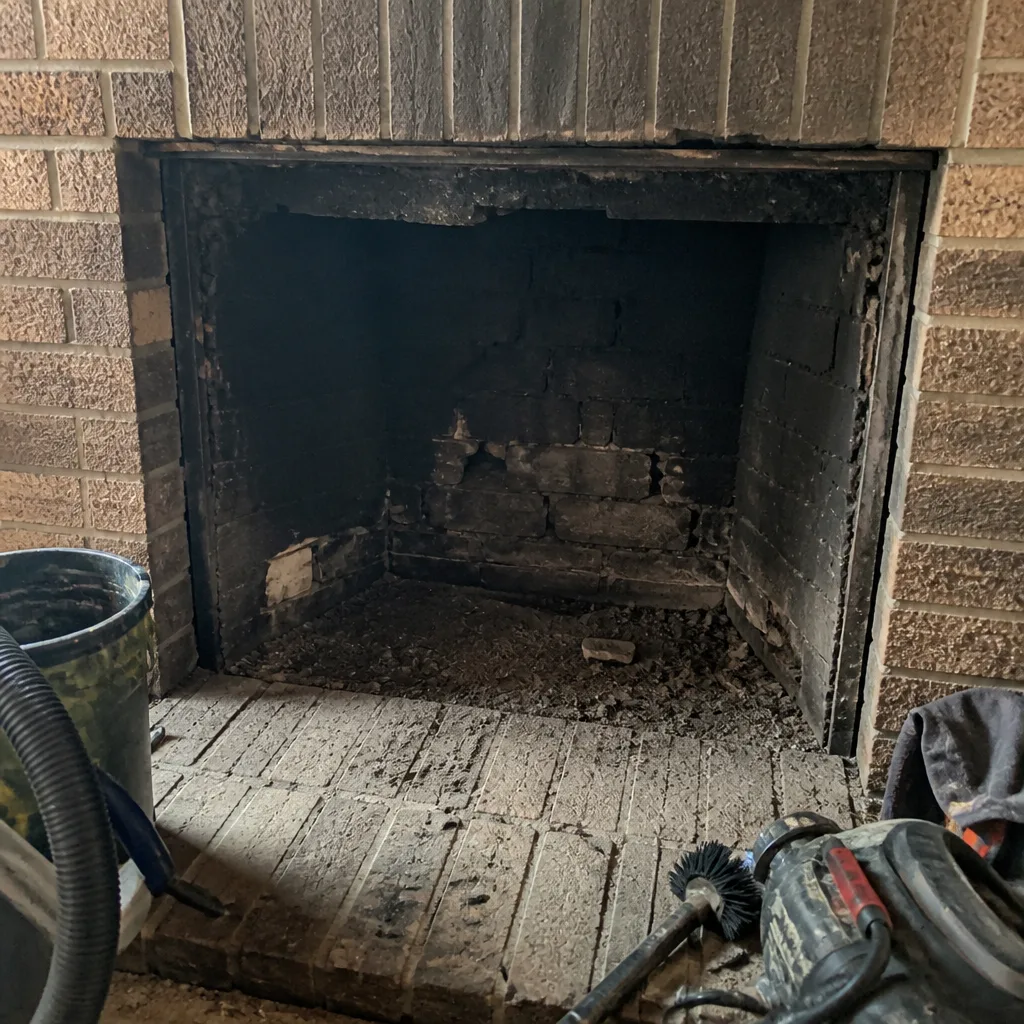 Before
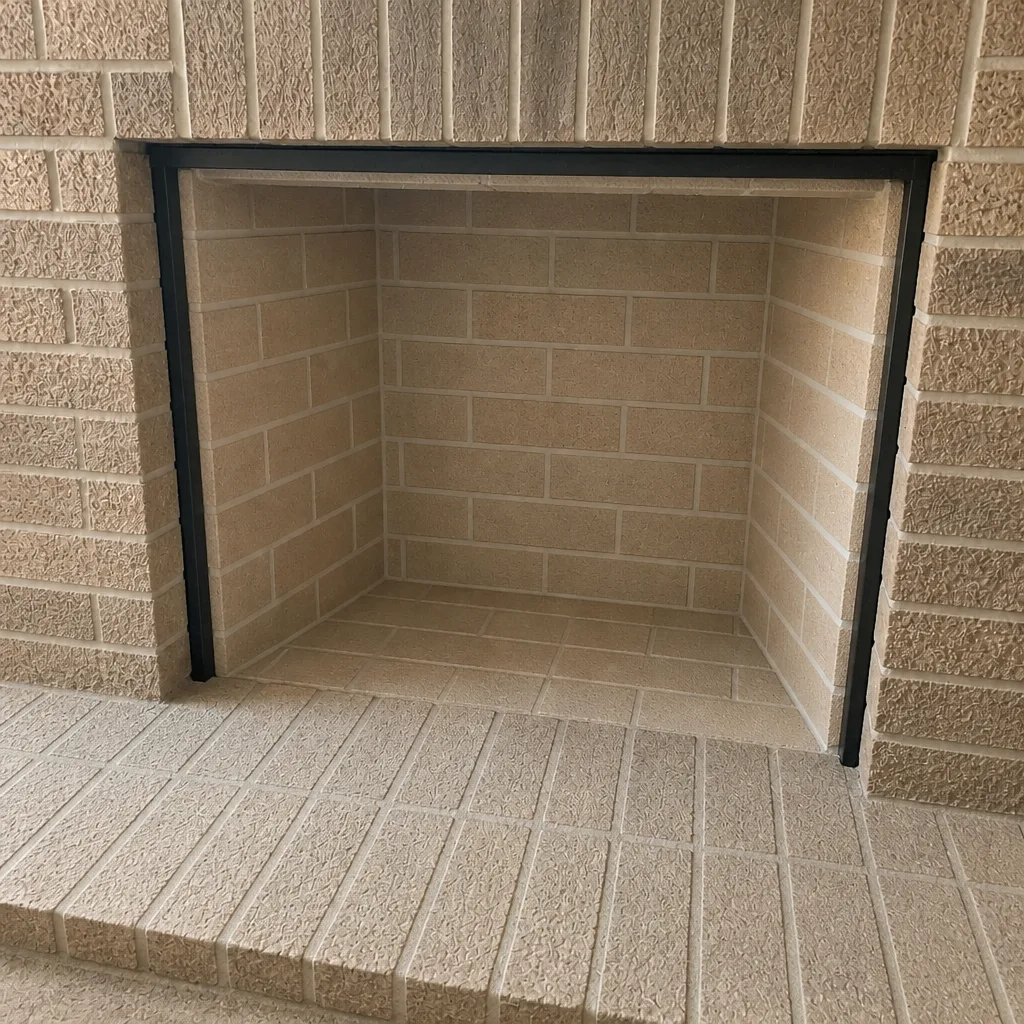 After