
Last updated November 16, 2026
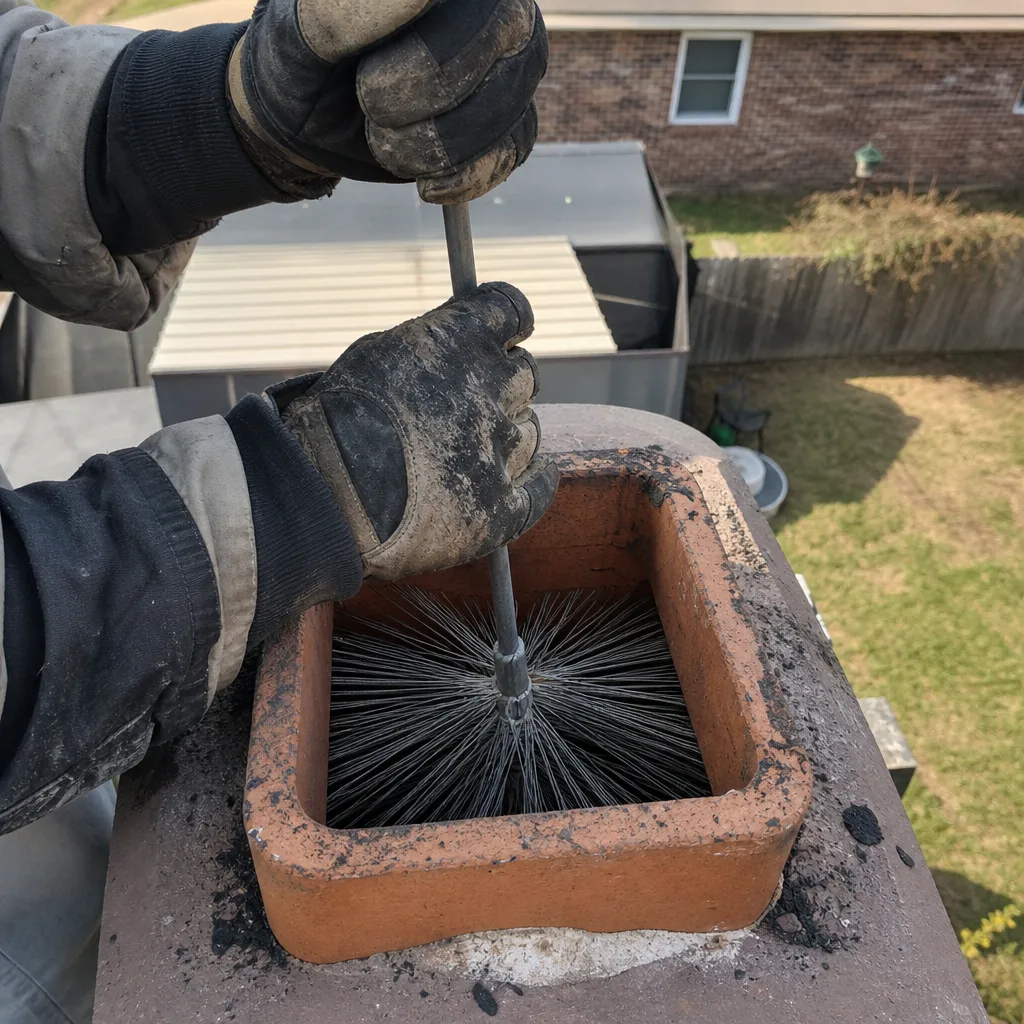
 Sweep & inspection
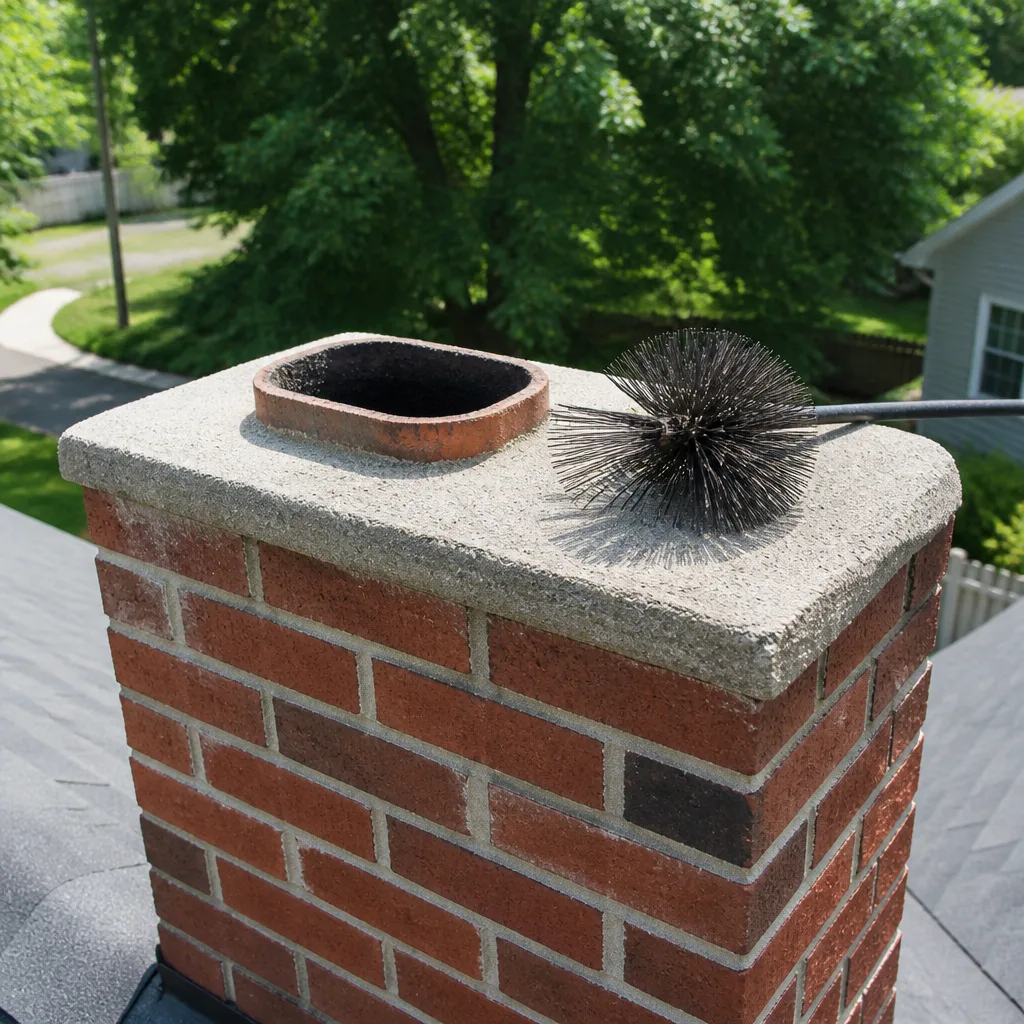
 Caps & crowns
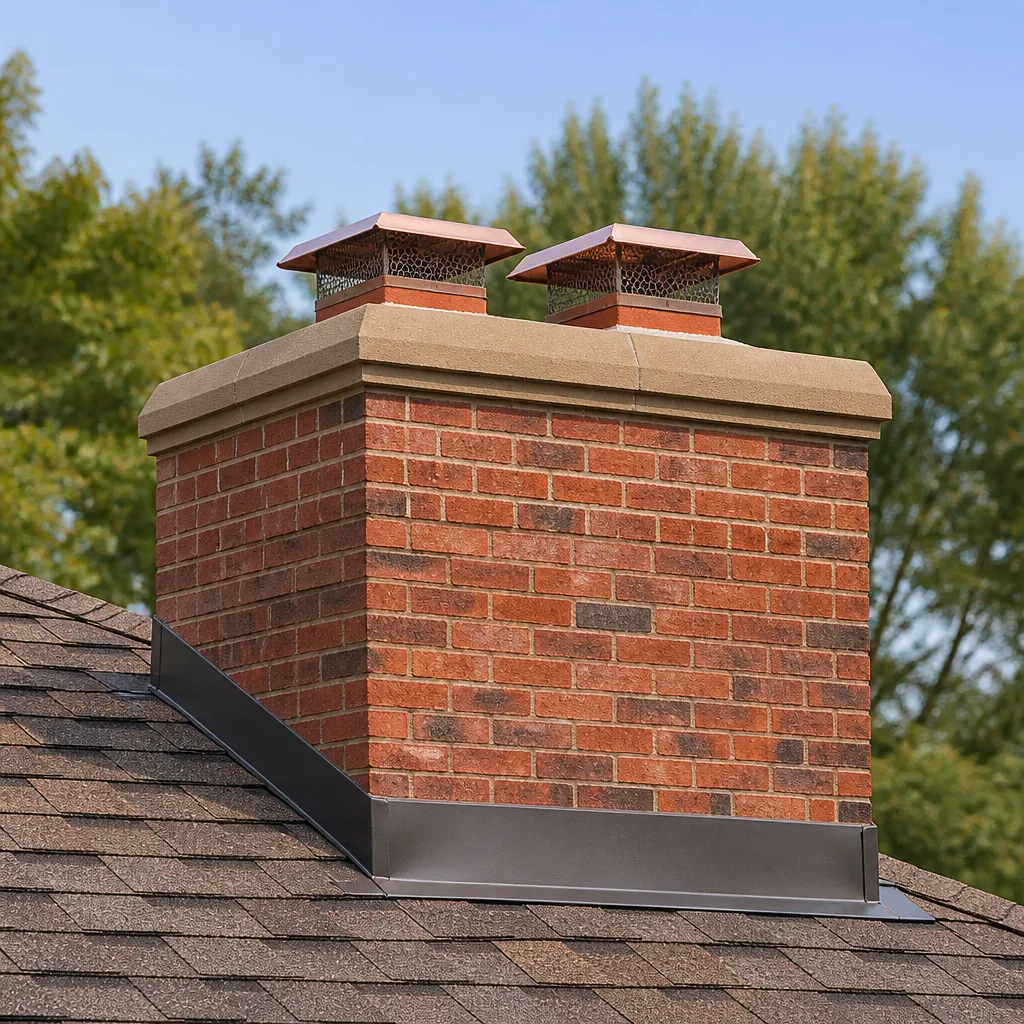
 Flue relining
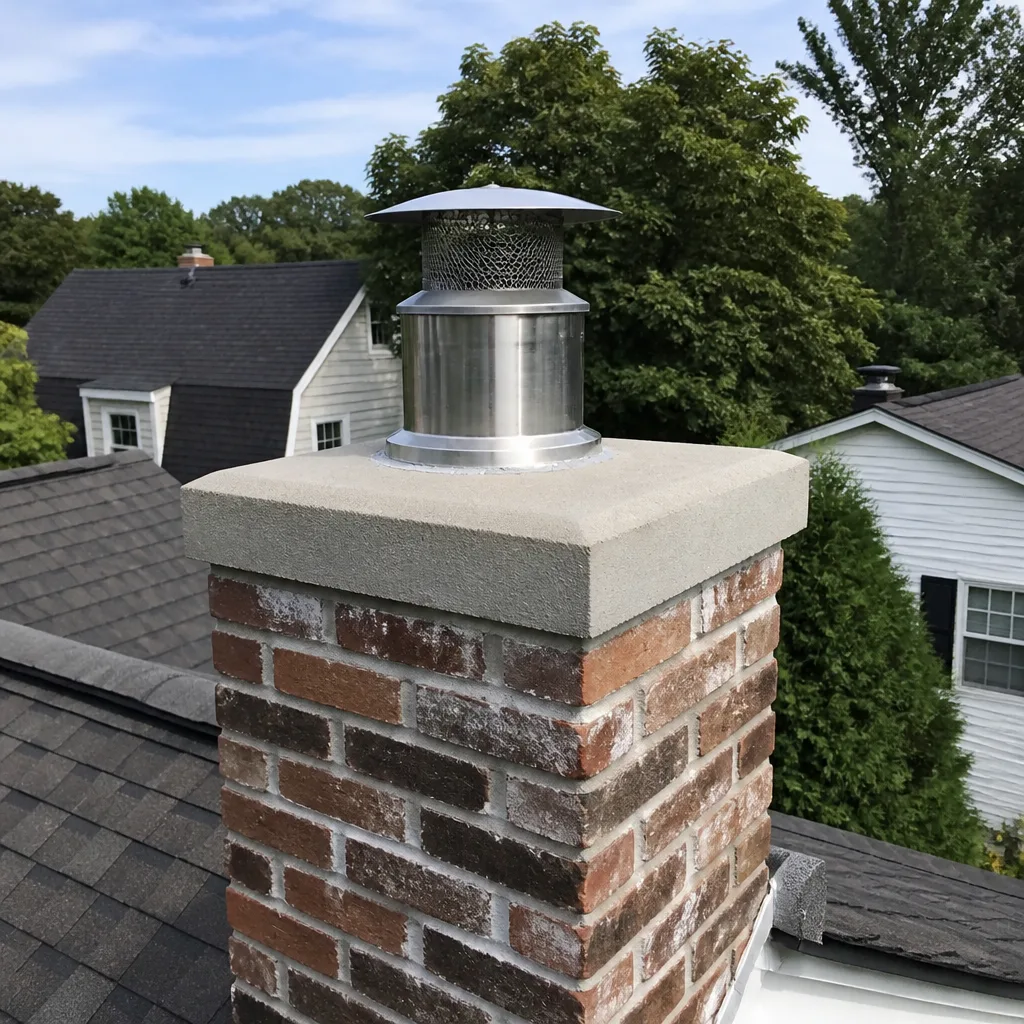
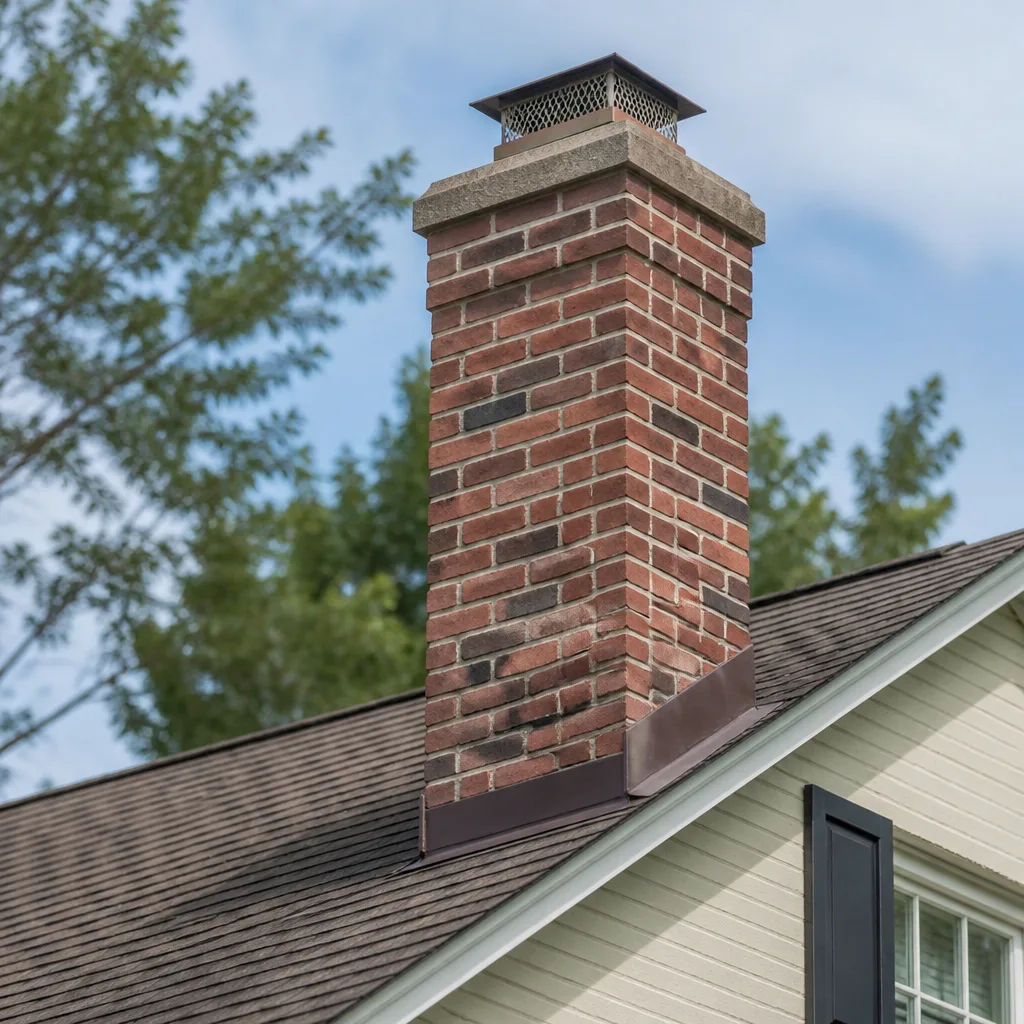 Masonry repair
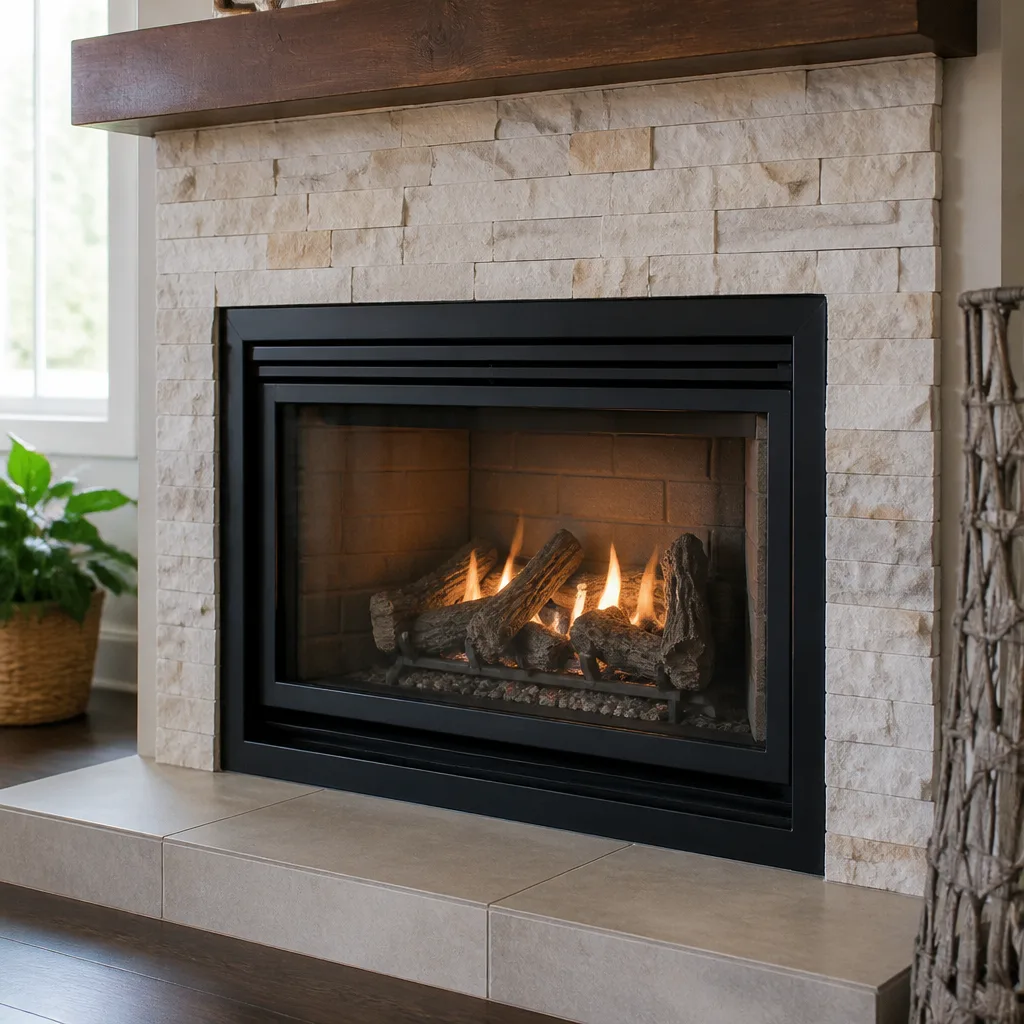 Gas fireplace service
Level 1 sweep and inspection to the NFPA 211 annual standard - flue, crown, cap, and flashing checked and photographed
Chimney sweep logs do not sweep chimneys. They loosen some creosote - which then falls where a brush and vacuum still have to collect it.
How to Hire a Chimney Cleaning Contractor in Killeen: A Step-by-Step Guide
Asking a contractor “are you certified?” isn’t enough. A CSIA certification can be held by someone who took a test once and hasn’t touched a liner system since. Ask instead what liner brands they stock and watch how fast the confidence disappears. In Killeen’s service market, the phrase “chimney sweep” gets claimed by HVAC techs, handymen, and roofers who treat chimney work as a seasonal add-on. The only reliable way to filter them out is to ask questions that require real technical knowledge to answer correctly. This guide gives you those exact questions, the red flags to watch for, and the contract terms that protect you.
Quick Answer
To hire a chimney cleaning contractor in Killeen, verify CSIA credentials on the spot, ask which liner brands they work with (DuraFlex and HeatShield are the tells of a real specialist), and demand a written estimate itemizing cleaning method, inspection level, and any liner assessment. If the contractor can’t name specific products, credential numbers, or inspection levels, they’re a generalist, and you should keep looking.
Styles & brands we work with
- Sweep & inspection
- Caps & crowns
- Flue relining
- Masonry repair
- Gas fireplace service
Table of Contents
- Why Killeen Homeowners Get Burned by Generalists
- The Five Technical Questions That Expose a Generalist
- Why Low-Ball Quotes Usually Mean a Brush-and-Vacuum Operation
- What a Legitimate Estimate Should Itemize
- How to Verify CSIA Credentials (and What to Do When They Can’t Prove It)
- Contract Terms That Actually Protect You
- When to Book a Sweep in Killeen
- Red Flags and Green Flags at a Glance
Why Killeen Homeowners Get Burned by Generalists
Killeen’s fireplace stock is a mix of older masonry builds and newer construction with factory-built inserts, and the two require different service approaches. A generalist who cleans roofs and gutters but also “does chimneys” usually owns one brush and one vacuum. That’s enough for light surface soot. It isn’t enough for diagnosing a cracked flue tile, sizing a new liner, or reading creosote stages on a heavily used firebox.
The problem is the label. Anyone can buy a domain and call themselves a chimney sweep in Killeen. What they can’t fake is product knowledge. Ask a real specialist what HeatShield is used for and they’ll tell you it restores deteriorated flue tiles without demolition. Ask a generalist and you’ll usually get a long pause, then something about “sealant.”
Central Texas winters are mild, which sounds like a break for homeowners but actually works against you. Because the heating season is short, lots of people neglect annual sweeps and let creosote accumulate across multiple seasons. By the time someone books a sweep, the deposit load is often higher than it would be in a colder climate. That’s exactly the situation where a curbside brush-and-run visit leaves the dangerous material in place.
A dedicated Chimney Sweep Killeen operation handles sweeping, repair, and inspection as one specialty. That matters because the three are interlocked. A sweep without an inspection misses the cracks. An inspection without the skill to repair means you’re hunting for a second contractor. A repair without a documented pre-sweep condition leaves you arguing about who caused the damage.
The Five Technical Questions That Expose a Generalist
These are the questions that separate a specialist from a generalist. You don’t need to know the answers yourself; you just need to hear whether their answer sounds practiced or improvised.
1. “What sizes of flexible liner do you install, and how do you determine the correct one for my flue?”
A dedicated technician will talk about measuring flue dimensions, the appliance’s required draft, and matching the liner size to the flue opening and the insert or fireplace. DuraFlex flexible liner systems come in multiple configurations, and picking the wrong one chokes the draft or leaves gaps. A generalist will say “standard size” and change the subject.
2. “How do you handle each stage of creosote?”
Creosote has distinct stages, from light soot to glazed, tar-like deposits that are far harder to remove. A specialist will describe stage-specific methods: standard brushes for early stages, chemical treatment or rotary methods for glazed creosote. A generalist will say “we brush it out.”
3. “What material do you use for flashing repair, and why?”
Flashing is where the chimney meets the roof, and it’s the most common source of water intrusion. Real technicians talk about specific materials and why they choose one over another based on roof pitch and climate. If they say “we just seal it,” they’re describing a temporary patch, not a repair.
4. “What NFPA 211 inspection level will you perform?”
NFPA 211 defines three inspection levels. Level 1 is a routine annual check of an accessible chimney with no changes or problems. Level 2 applies after a change in appliance, a property sale, or after a chimney fire. Level 3 is invasive and used only when a serious hazard is suspected. A specialist will ask you which situation applies and recommend the right level. A generalist will look confused and offer “the full service.”
5. “Are you familiar with HeatShield resurfacing and how it’s applied?”
HeatShield is a resurfacing product designed to restore deteriorated flue tiles without a full rebuild. The application requires specific training and tooling. If the contractor doesn’t recognize the name, they aren’t a chimney specialist; they’re a cleaner. We use HeatShield specifically because it lets us restore a flue that a generalist would either ignore or recommend demolishing.
Why Low-Ball Quotes Usually Mean a Brush-and-Vacuum Operation
A suspiciously low quote in Killeen isn’t a bargain. It’s the price of a job that skips the parts that don’t fit in 30 minutes. Brush-and-vacuum operations do a real thing, but they do it narrowly. What gets skipped:
- Smoke shelf inspection. The ledge behind the damper collects soot and debris that a brush pass won’t reach. A blocked smoke shelf causes smoke to spill into the room.
- Firebox diagnostics. Cracked firebrick and deteriorated mortar joints inside the firebox are early warnings of structural problems. If nobody looks, nobody knows.
- Flue camera work. A camera pass catches offset flues, hidden cracks, and gaps that a visual check from the top and bottom can’t see.
- Damper operation check. Stuck or rusted dampers affect draft and efficiency, and they’re easy to test in two minutes. Cheap quotes don’t include them.
The pattern is consistent: the brush operation prices the sweep as if it’s a one-hour cleaning. A real sweep with a camera inspection and a repair assessment takes longer, uses more tooling, and costs more to deliver honestly. When a quote comes in well below the local range, ask exactly which items from the list above are included. You’ll usually find two of the four are missing.
For a full breakdown of what a proper chimney sweep involves, the standard is a sweep plus a Level 1 or Level 2 inspection with a written report. If the quote doesn’t mention a report, that’s a generalist quote.
What a Legitimate Estimate Should Itemize
A real estimate in Killeen should read like a scope, not a promise. Here’s what to expect in writing:
- Cleaning method. Which brushes, which rotary tools, and whether any chemical creosote treatment is included.
- Inspection level. Level 1, 2, or 3, with the reason it was chosen. You should see this in writing, not just hear it.
- Liner assessment. A statement of what the technician found and whether the existing liner is serviceable, needs repair, or needs replacement.
- Camera inspection included. A photo or video record of the flue, so you can see the condition yourself. This is the single most useful line item for verification.
- Resurfacing or repair scope. If HeatShield resurfacing or a DuraFlex liner is recommended, the estimate should name the product and describe the scope: how many tiles are affected, what the liner run looks like, and what’s included in the installation.
- What’s excluded. Explicitly stating what the price doesn’t cover prevents surprises mid-job.
If an estimate names a fix without naming the reason for it, ask for the camera evidence. A chimney specialist who uses HeatShield to restore a flue is comfortable showing the deteriorated tiles before and the restored surface after. A generalist who is guessing doesn’t want that conversation.
How to Verify CSIA Credentials (and What to Do When They Can’t Prove It)
The Chimney Safety Institute of America issues a certification that requires passing an exam and continuing education. Certification alone doesn’t tell you everything, but it’s the baseline. Here’s how to check it.
- Ask the contractor for their CSIA certification number. A real one has it memorized.
- Look up the number on the CSIA’s public directory to confirm it’s current. Expired certifications are common.
- Ask when their last recertification was. Continuing education is what keeps a technician current on standards like NFPA 211.
- Ask about insurance. CSIA certification doesn’t guarantee insurance; ask for the certificate of insurance before work starts.
- If they can’t produce the number on the spot, don’t argue. Politely end the call and move on.
The tell here is nervousness. A dedicated chimney technician has been asked for their number hundreds of times and can rattle it off. A generalist who added “chimney work” to their service menu a year ago will suddenly need to “check with the office,” which never calls back.
The same pattern applies to brand knowledge. Ask which liner brands they work with and listen for DurFlex, HeatShield, Gelco, Olympia Chimney, or Famco. Those aren’t household names you pick up by accident. They come from professional supply channels, not the local hardware store. If the answer is “whatever’s available,” you’re talking to a generalist.
Contract Terms That Actually Protect You
Even a well-vetted contractor can find something unexpected mid-job. The contract determines who absorbs that. Standard protections to insist on:
- Scope of work in writing. Every task, every product name, every inspection level. If it’s not written, it wasn’t agreed.
- A stated process for discovered damage. The contract should say what happens when the sweep reveals a cracked flue tile or a deteriorated liner. The right answer: work stops, you’re shown the camera evidence, and a revised scope is agreed before any repair work begins.
- Warranty on repair work. Any resurfacing or liner installation should come with an explicit warranty period. Ask what it covers and what voids it.
- Photo or video documentation included. Insist on the before and after record. This isn’t a perk; it’s the basis for trusting any repair recommendation.
- Written guarantee of satisfaction. If the job doesn’t meet the agreed scope, what’s the remedy? A written answer is better than a verbal promise.
Read the fine print on repairs specifically. A liner installation that includes a DuraFlex system or a HeatShield resurfacing is a structural improvement to your flue; it should be described in detail in the contract, not summarized as “chimney repair.”
When to Book a Sweep in Killeen
Book a chimney sweep in Killeen before the first cold snap, not after. Because the heating season is short, most homeowners don’t think about their fireplace until they want to use it, which means the demand crunch happens in the first two weeks of genuinely cool weather. Booking in the late summer or early fall gets you a sweep with a full inspection and time to address any repair before the season starts.
Any wood-burning fireplace should be swept annually during active use, and more often if the firebox sees heavy burning. Gas fireplaces need less frequent sweeping but still need annual inspection of the venting and the firebox. If you’ve never had your Killeen chimney inspected and you don’t know the history of the house, assume it needs a Level 2 inspection the first time.
Signs to book sooner:
- You smell a smoky odor inside the house when the fireplace isn’t in use.
- Smoke rolls into the room when you start a fire.
- The fire burns poorly or the draft feels weak compared to what you remember.
- You’ve had a chimney fire, even a small one, at any point. A Level 2 inspection is the standard response.
- You’ve noticed water staining on the ceiling near the chimney chase or around the firebox.
One thing that genuinely can wait: not every flue problem needs urgent action. If a sweep turns up a minor issue that the camera shows is stable and not worsening, we’ll tell you it can wait. There’s no reason to sell a liner replacement on a flue that’s fine. The reason to act on real problems is specific: creosote in the flue and a cracked flue tile are both fire hazards, and carbon monoxide can back up into the house if the venting is compromised. Those risks are real, and they’re also verifiable, which is why we always show the evidence.
Red Flags and Green Flags at a Glance
Use this list as a quick filter when you’re calling contractors in Killeen.
Red flags
- Can’t name a liner brand when asked.
- Quotes a price over the phone without asking about your chimney or fireplace type.
- Doesn’t mention inspection levels or NFPA 211.
- Sells repair work before showing camera evidence.
- Offers to “seal” the flashing rather than repair it.
- Can’t produce a CSIA certification number on request.
- Prices well below local range with no line-item detail.
Green flags
- Names specific products: DuraFlex, HeatShield, Gelco, Olympia Chimney, or Famco.
- Asks you questions about your fireplace, its history, and your burning habits before quoting.
- Includes camera inspection and a written report in the estimate.
- Explains inspector levels and recommends one for your situation.
- Gives you a written scope with exclusions stated.
- Tells you when a repair can safely wait.
- Confirms CSIA certification without hesitation.
If a contractor hits three or more green flags and none of the red flags, that’s the one to book for a chimney repair or sweep. If they hit red flags, move on. There’s no shortage of specialists who will show up, and there are plenty of Killeen homeowners who have already learned the hard way what a generalist costs them.
Common Mistakes to Avoid
- Treating “certified” as a complete answer. Ask for the certification number and verify it. A number on a business card means nothing if the certification expired three years ago.
- Booking the lowest quote without asking what’s included. Low quotes skip the smoke shelf, the firebox, and the camera inspection. You’re paying for a brush pass, not a sweep.
- Approving repair work without seeing the evidence. If a contractor recommends a liner replacement or resurfacing with no photos or video, ask for the camera record. Any professional can show you what they’re seeing.
- Skipping the annual inspection because the fireplace “seems fine.” The things that cause chimney fires and carbon monoxide problems are the ones you can’t see or smell. An annual inspection catches them early.
- Waiting until the first cold snap to book. In Killeen, that’s the busiest two weeks of the year. Late summer booking gets you a sweep with time to handle repairs.
- Hiring anyone who does “chimneys and everything else.” A roofer who added chimney cleaning to their menu doesn’t have the tooling, the training, or the brand relationships to handle a relining job.
- Skipping the contract. Verbal promises don’t hold up when a repair goes wrong. Get the scope, warranty, and process for discovered damage in writing.
See the difference
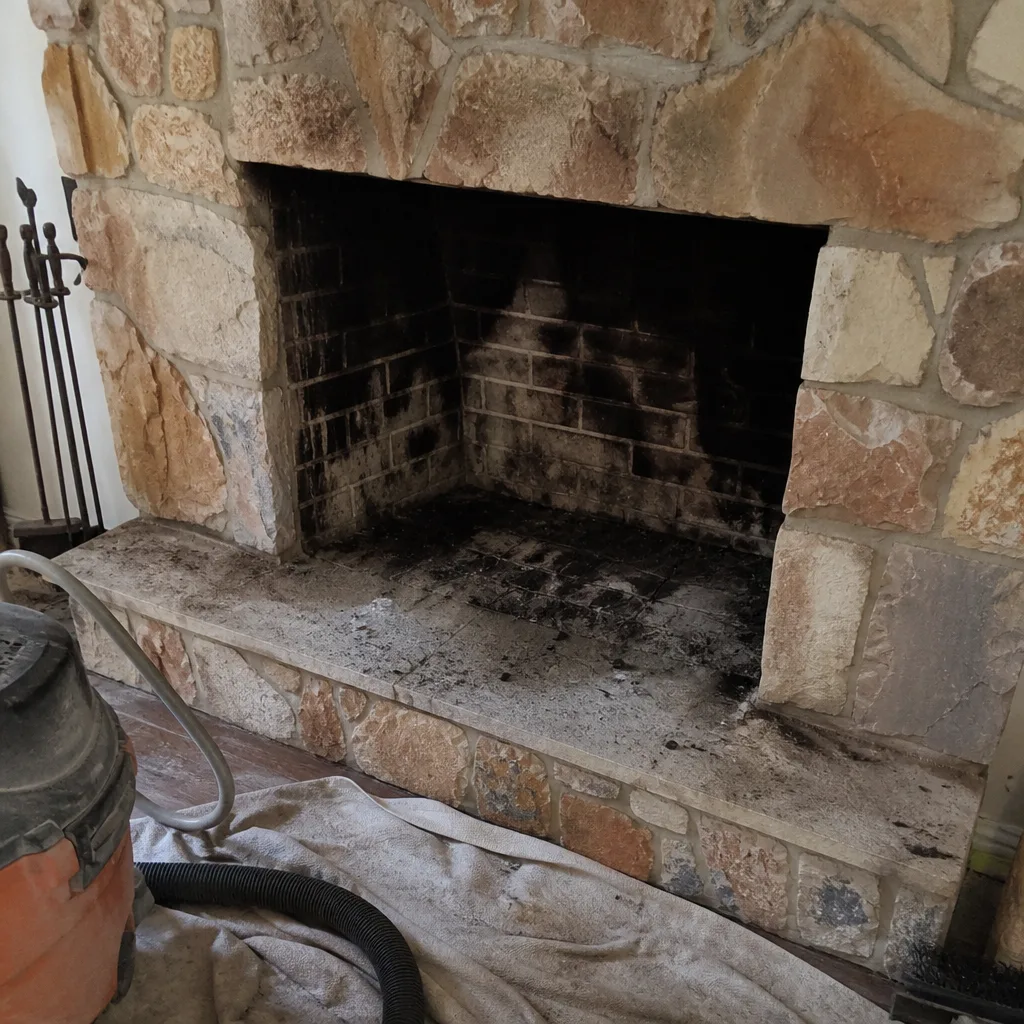 Before
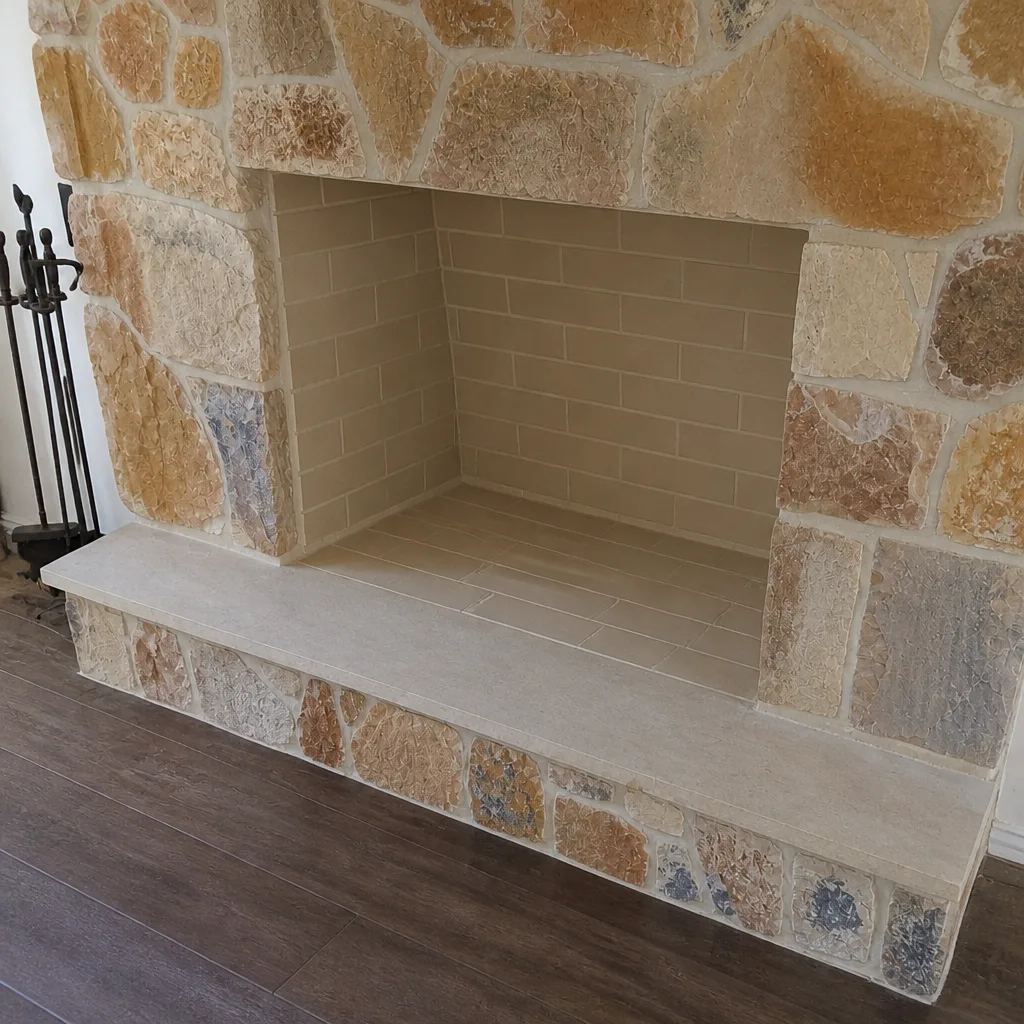 After
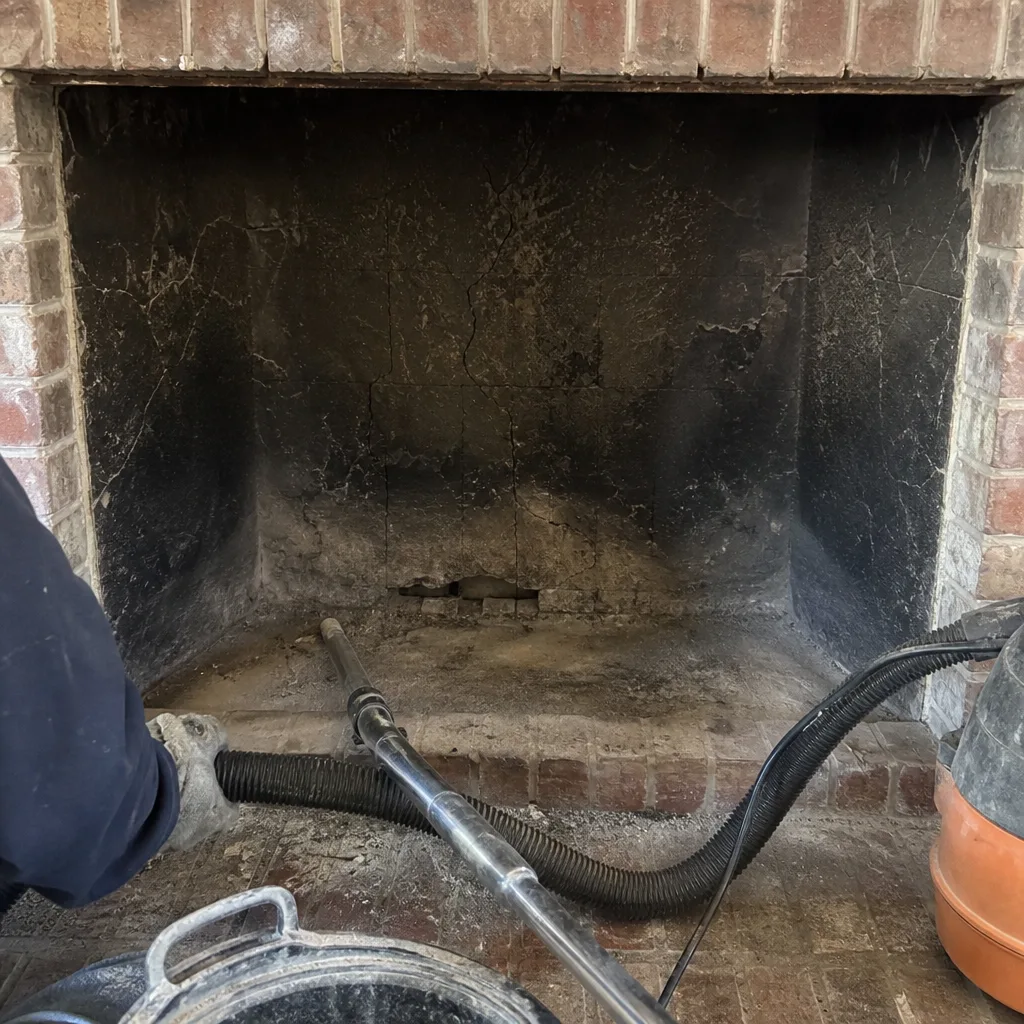 Before
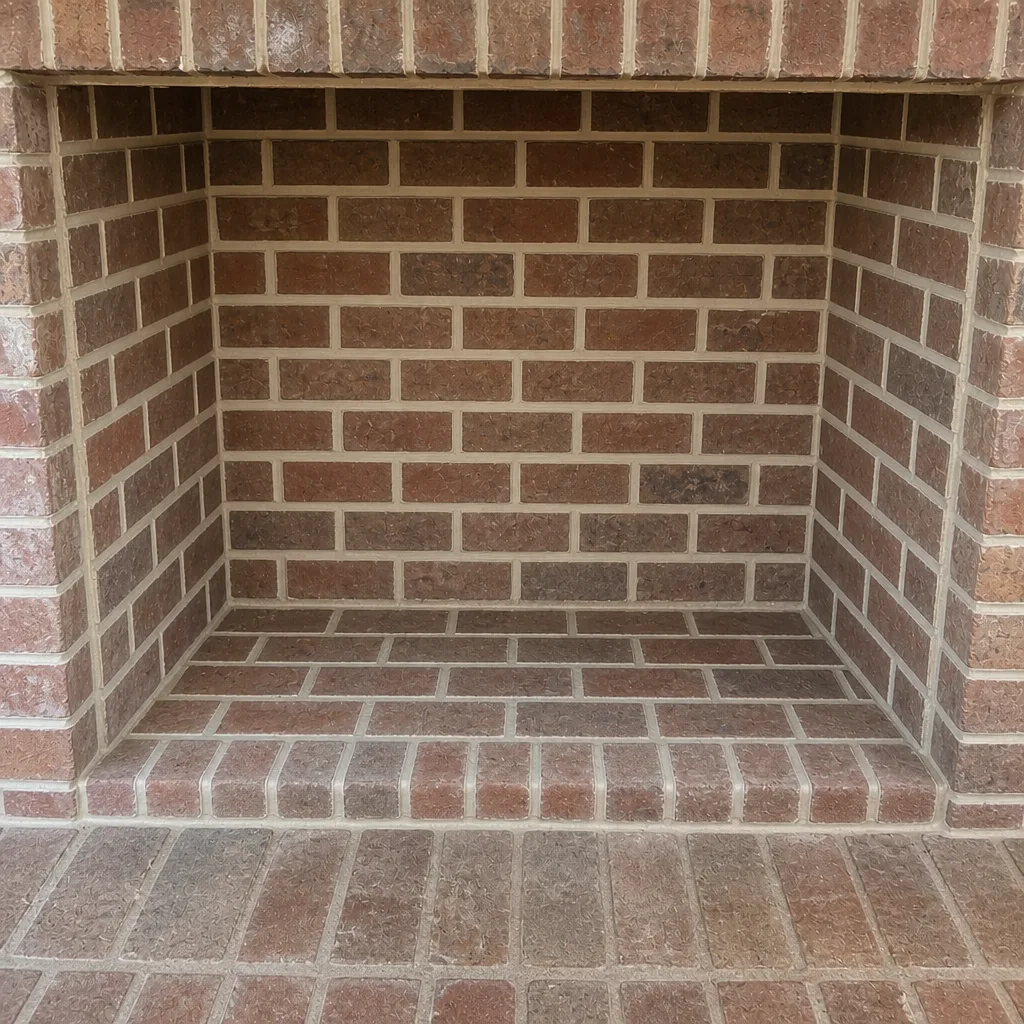 After
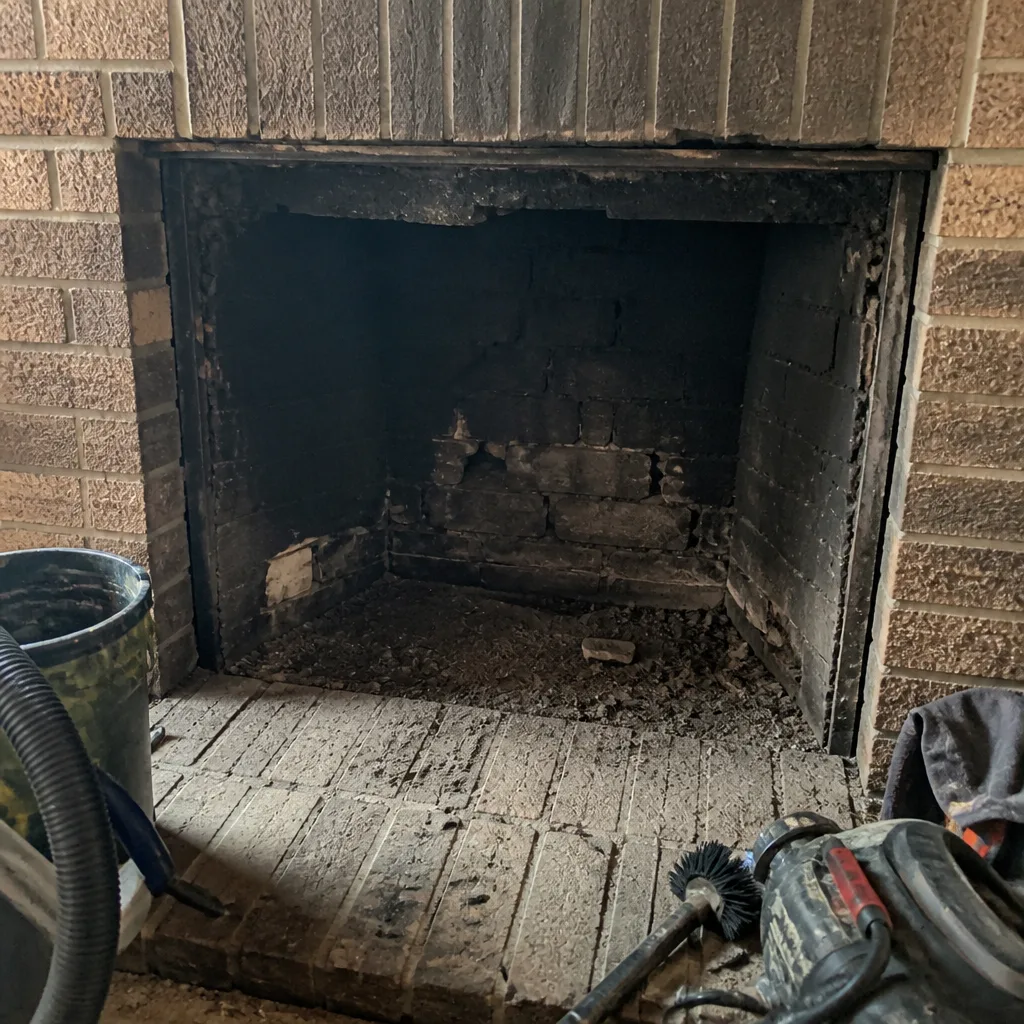 Before
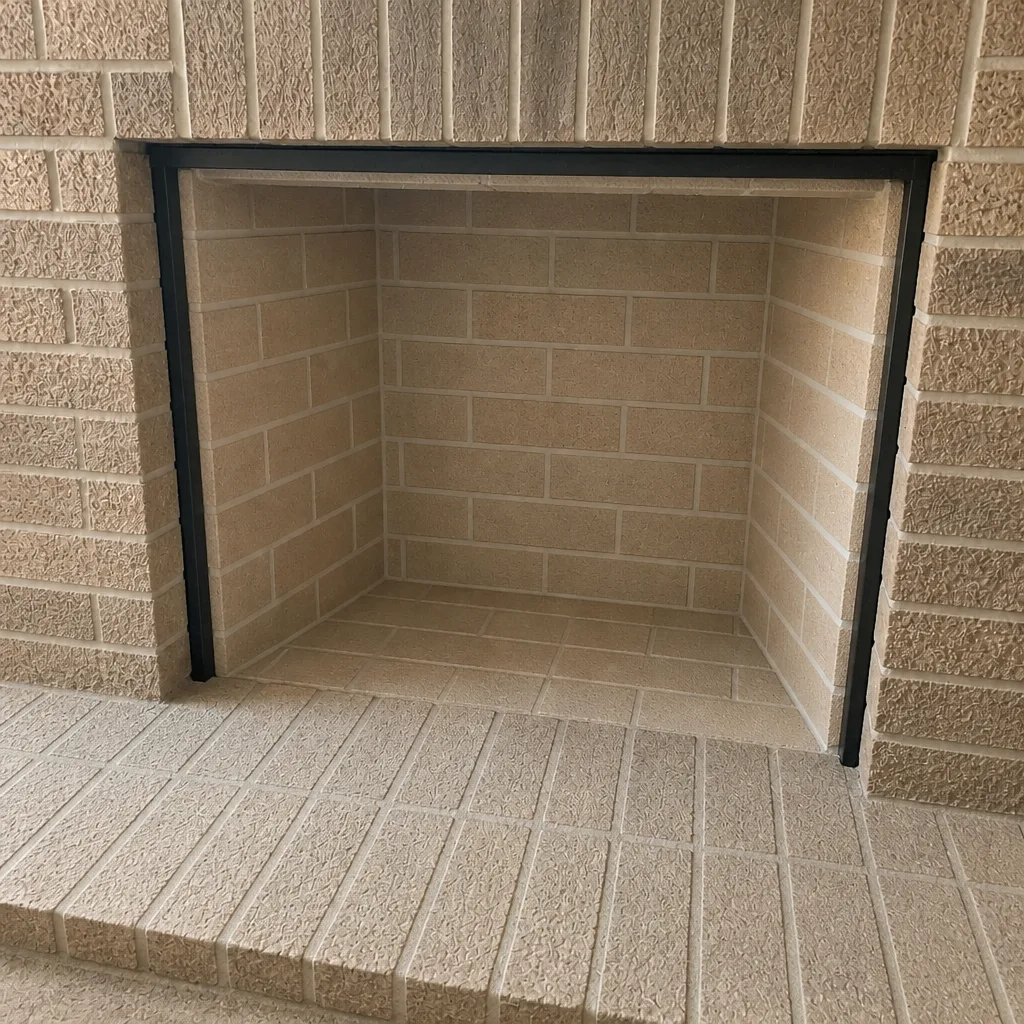 After
When to Call a Professional
Call a professional chimney specialist when you smell smoke inside the house, see smoke rolling into the room from the firebox, notice water staining near the chase, suspect a chimney fire has happened, or it’s been more than a year since your last sweep. Call when you’re buying a home with a fireplace and don’t know its service history; a Level 2 inspection is the right starting point. Call when a generalist has quoted a repair and you want a second opinion with camera evidence behind it. Chimney Sweep Killeen offers free estimates in Killeen: call (866) 942-9240. We answer 24/7. Fast dispatch from 7am to 7pm, Sunday through Friday.
Frequently Asked Questions
A chimney sweep in Killeen typically runs in the low to mid hundreds depending on the inspection level and any repair scope, and the written estimate sets the final price. A sweep with a Level 1 inspection is on the lower end; a Level 2 inspection with a full camera pass costs more because it involves more work. Call (866) 942-9240 for an exact quote. Estimates are free.
No, not always. A liner replacement is only necessary when the camera inspection shows the existing liner is cracked, separated, or undersized for the appliance. HeatShield resurfacing can restore deteriorated flue tiles without a full liner replacement in the right conditions, and it’s often the better path. Ask for the camera evidence. If the technician can’t show you what’s wrong, don’t approve the work. Call (866) 942-9240 and we’ll walk through the options with the evidence in hand.
Sweep an actively used wood-burning fireplace annually, and more often in heavy-use seasons. Gas fireplaces need an annual inspection of the venting and firebox even though they don’t produce creosote the way wood does. If you’ve moved into a home and don’t know the history, assume the first visit is a Level 2 inspection. Call (866) 942-9240 to book one in Killeen.
Creosote accumulates, and glazed creosote is a fire hazard. A cracked flue tile lets combustion gases escape into the structure, and carbon monoxide can back up into the house if venting is compromised. Neither problem announces itself with a smell or a sound until it’s serious. Skip the sweep and you’re relying on luck. Book one instead. Call (866) 942-9240.
Sometimes, but the odds are against it. Most generalists can sweep light soot and nothing more. Liner installation, resurfacing, and flashing repair are technical work requiring product-specific training and tooling. Ask whether they work with DuraFlex, HeatShield, Gelco, Olympia Chimney, or Famco. If they can’t name any of these, they can’t do the repair. Call (866) 942-9240 for a specialist.
Book a Level 2 inspection before using the fireplace again. Even a small chimney fire can crack flue tiles and warp liners in ways that aren’t visible from the firebox. A camera inspection determines whether the flue is still safe. Do not skip this step or rely on a visual walk-around. Call (866) 942-9240 and we’ll inspect the flue properly.
The Bottom Line
Hiring a chimney cleaning contractor in Killeen comes down to asking questions that require real knowledge to answer. Verify the CSIA certification number on the spot. Ask which liner brands they work with and expect names like DuraFlex and HeatShield, not “whatever’s available.” Demand camera evidence before approving any repair. Get the scope, warranty, and process for discovered damage in writing. If the contractor passes all of those, you’ve found a specialist. If they fail even one, keep looking. Our technicians have up to 11 years of experience, and we handle sweep, repair, and inspection as one specialty so nothing gets lost between trades. If you’d like a free estimate, call (866) 942-9240. We answer 24/7. Fast dispatch from 7am to 7pm, Sunday through Friday.
Written by the team at Chimney Sweep Killeen.