
Last updated November 16, 2026
 Sweep & inspection
 Caps & crowns
 Flue relining
 Masonry repair
 Gas fireplace service
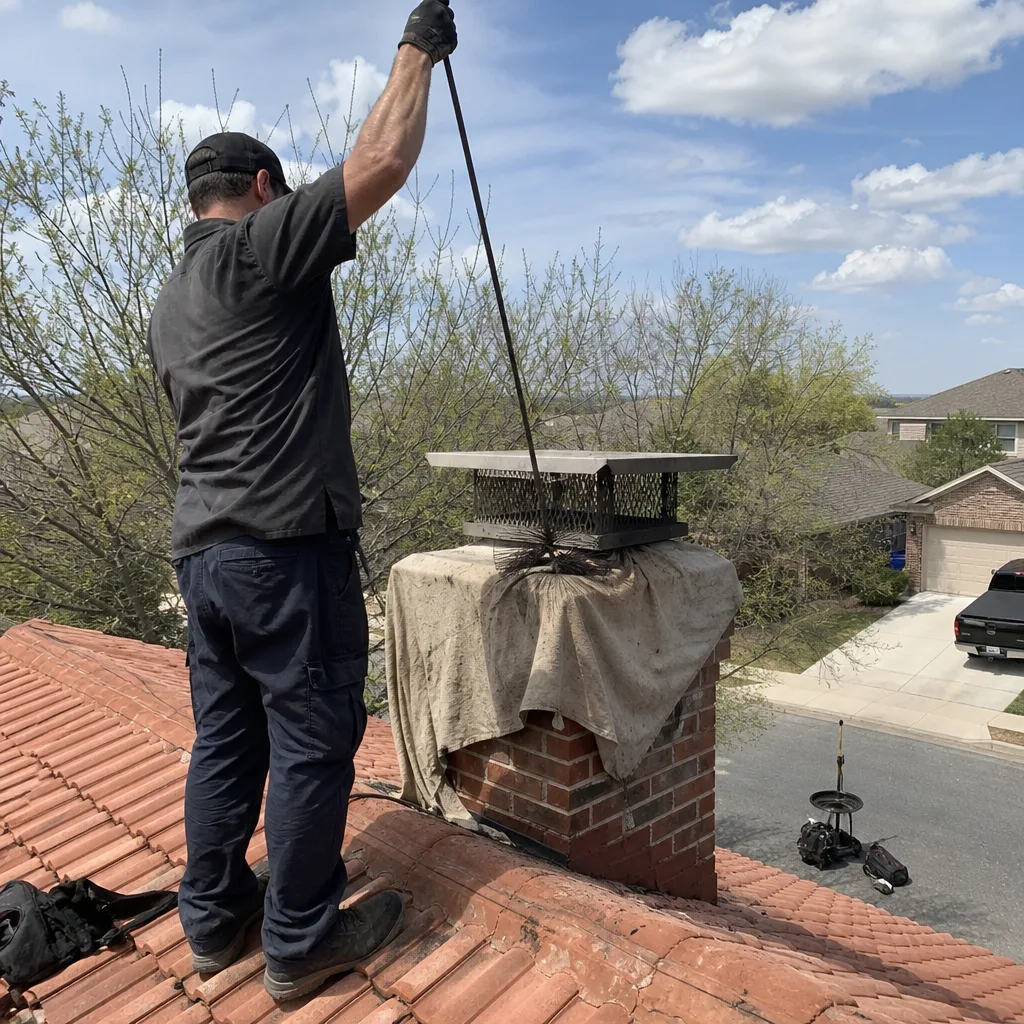
Level 1 sweep and inspection to the NFPA 211 annual standard - flue, crown, cap, and flashing checked and photographed
Chimney sweep logs do not sweep chimneys. They loosen some creosote - which then falls where a brush and vacuum still have to collect it.
Chimney Sweep Maintenance Schedule: What to Do and When
Most chimney care advice you’ll find online was written for cold-climate homes that burn wood from November through March without a break. Killeen doesn’t work that way. Here, people light a fire in October, let it sit through a warm spell in January, then fire it back up in February when a norther blows through. That stop-and-start pattern changes what creosote does inside your flue, and it means a single “sweep it once a year” reminder leaves gaps that actually matter. In this guide, we’ll lay out a month-by-month maintenance framework built around how Central Texas homes actually burn, explain the creosote stages that decide when you truly need a sweep, and separate what you can handle yourself from what needs a trained technician’s tools.
Quick Answer
The baseline schedule is one professional sweep and inspection per year, done before your first burn of the season (September is ideal in Killeen), plus a mid-season creosote check in December if you burn heavily. Add a spring inspection of the cap and crown after hail season, and treat gas fireplaces on their own separate service interval. Heavy burners, anyone burning unseasoned wood, and homes with older flue tiles may need sweeping more than once a year.
Styles & brands we work with
- Sweep & inspection
- Caps & crowns
- Flue relining
- Masonry repair
- Gas fireplace service
Table of Contents
- Why a Generic Annual Sweep Doesn’t Fit Killeen
- The Month-by-Month Killeen Maintenance Calendar
- Creosote Stages and Why Burn Frequency Drives Sweep Frequency
- What You Can Maintain Yourself vs. What Needs a Professional
- Gas Fireplace Maintenance: The Schedule Most People Ignore
- Military Rentals and the Baseline Inspection Problem
- The Three Levels of Chimney Inspection, Explained
- Seasonal Warning Signs You Shouldn’t Wait On
Why a Generic Annual Sweep Doesn’t Fit Killeen
The national standard most chimney professionals reference is NFPA 211, which calls for chimneys to be inspected annually and swept as needed. Notice the wording: swept as needed, not swept on a fixed date. The inspection is the required part; the sweep frequency follows from what the inspection finds. In a cold-climate home that burns steadily for five months, “as needed” usually lands on once a year. In Killeen, it depends entirely on how you burn.
Here’s what makes this area different. Central Texas winters swing hard. You might run the fireplace every night for two weeks in December, then not touch it for ten days when it’s 72 degrees outside. Those gaps matter because creosote builds in layers, and each burn cycle adds to what’s already there. A fire that burns hot and clean leaves less behind; a fire that’s smoldered, damped down, or fed wet wood leaves a lot more. Intermittent burning often means more cool, inefficient fires than a steady burn would produce, and that’s the recipe for faster buildup.
Then there’s the fuel question. A lot of firewood sold around here is not fully seasoned, and burning it is the single biggest driver of creosote accumulation. If you’re buying wood by the cord from a roadside seller, you genuinely don’t know its moisture content until you burn it. That uncertainty is one more reason a Killeen homeowner’s schedule should be built on inspection findings rather than the calendar alone.
We’ve seen plenty of homes where a once-a-year sweep was genuinely fine, and others where six months of heavy burning demanded attention sooner. The schedule below gives you a framework; your inspection results tell you how to adjust it.
The Month-by-Month Killeen Maintenance Calendar
This is the core of the guide: a task framework tied to how the burn season actually runs here, not to a generic national calendar. Think of it as four anchor points across the year, with smaller checks in between.
September: The Pre-Season Inspection and Sweep
This is the most important appointment on the list. Book your professional sweep and inspection in September, before the first cool front arrives and before everyone else in town thinks to call. The reasons stack up:
- You find out what last season left behind before you add another winter’s worth of creosote on top of it.
- Any repair a technician flags (a cracked flue tile, a loose cap, a deteriorated crown) can be scheduled without a rush.
- You’re not competing for appointment slots in the first cold week of October, when demand spikes.
A pre-season visit covers the full sweep, a visual inspection of the firebox, damper, flue, cap and crown, and a report on what we found. If you’ve never had the chimney looked at, this is where you establish the baseline.
October through November: First Burns and Early Watch
Once you start burning, pay attention to how the fire behaves. A fire that struggles to draw, smokes back into the room, or smells stronger than it used to is telling you something. Note it. You don’t need a technician for every odd smell, but you do want a record of what changed and when, because it helps the next inspection.
December: Mid-Season Creosote Check for Heavy Users
If you burn most nights, December is the right time for a mid-season look. You don’t necessarily need a full sweep; you need someone to check how much creosote has accumulated since September and whether the flue is approaching a threshold that calls for cleaning. Homes that burn occasionally can usually skip this and wait for spring. Homes that burn daily, or burn a lot of unseasoned wood, should not.
March through April: Post-Season Cap and Crown Inspection
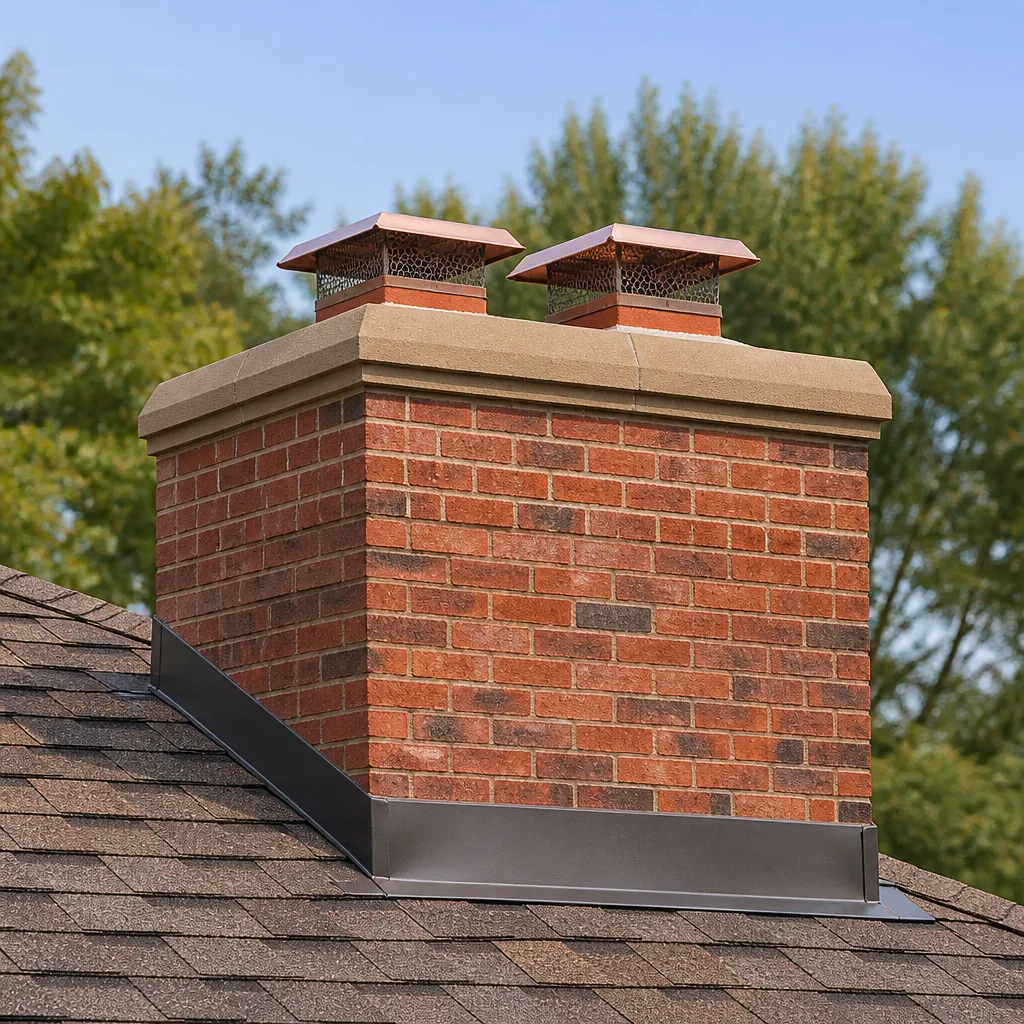
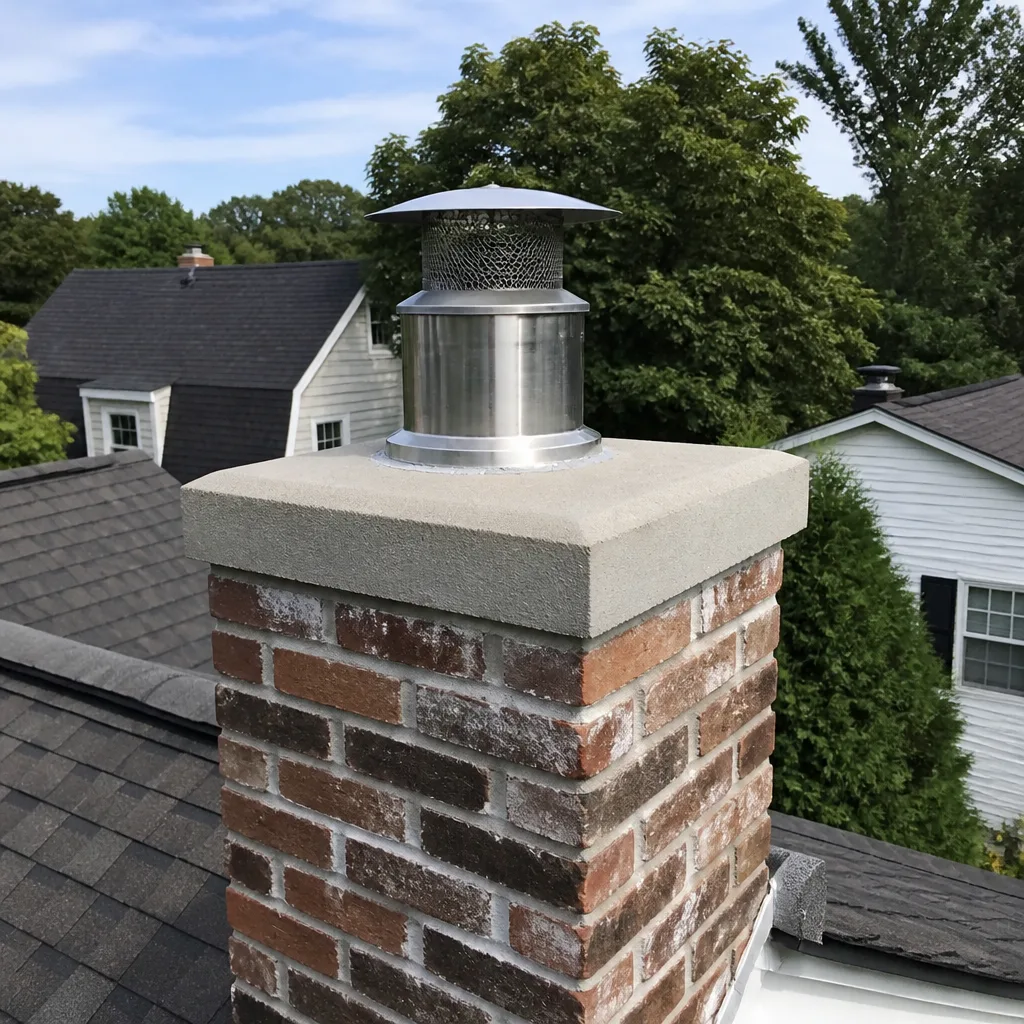
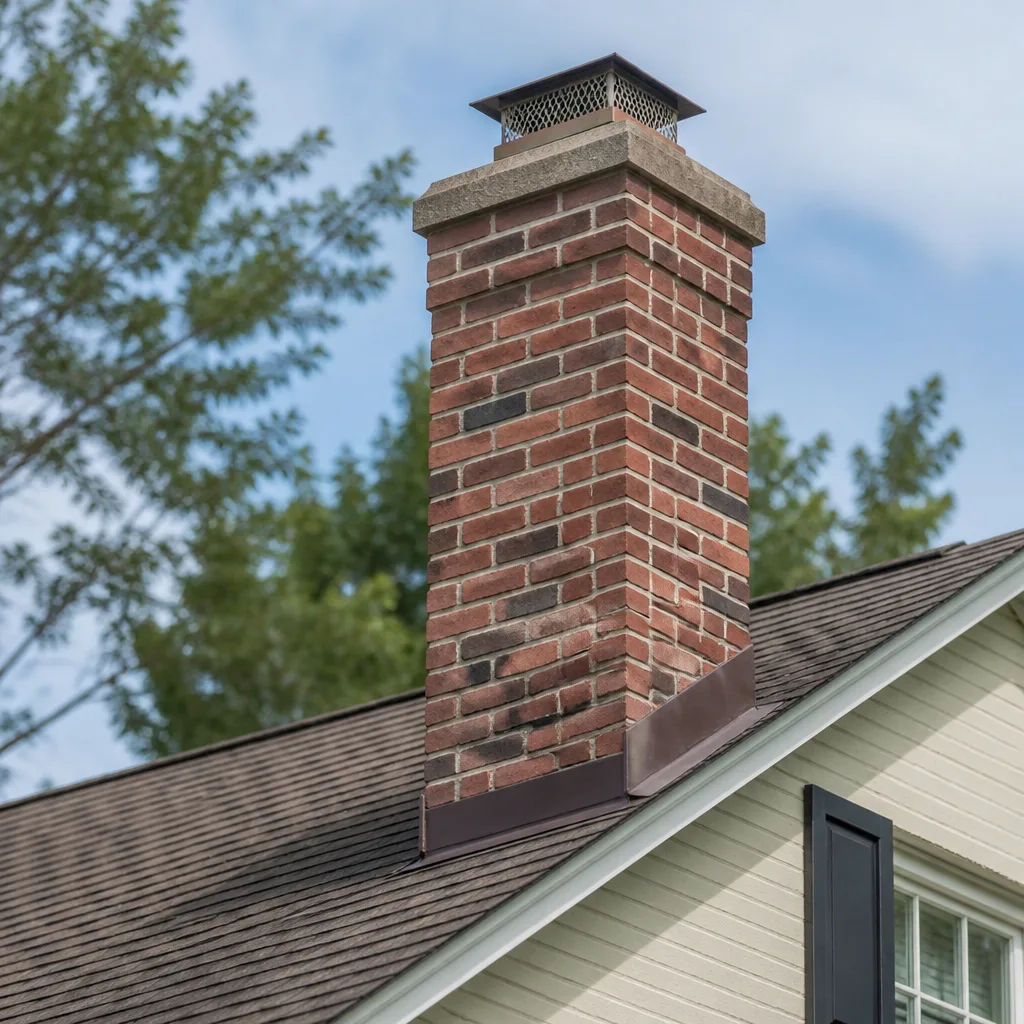
Spring in Central Texas brings hail, and hail is hard on chimney caps and masonry crowns. A cap that’s dented, loose or missing lets water and animals into the flue. A crown with a hairline crack lets water into the masonry itself, and repeated wetting is what drives the deterioration that eventually needs resurfacing. A spring look at the top of the chimney catches these cheaply, before water damage turns into structural repair. This is also the natural time to schedule any relining work, since you won’t need the fireplace for months.
May through August: The Off-Season Advantage
Summer is the quiet season for chimney work, which makes it the easiest time to get repairs done without disrupting your household. If your inspection turned up a liner issue, a damaged crown, or flue tiles that need resurfacing, summer is when that work fits comfortably into a schedule. We use HeatShield resurfacing to restore deteriorated flue tiles without a full rebuild, and that kind of repair is far easier to plan in July than in the first week of December.
For a deeper look at what a professional sweep involves, our chimney sweep service page walks through the process step by step.
Creosote Stages and Why Burn Frequency Drives Sweep Frequency
Creosote is the residue left behind when wood smoke cools and condenses on the inside of your flue. It’s the main reason chimney sweeping exists, and it comes in three stages that behave very differently.
Stage 1: Soot and Flaky Creosote
This is the light, dusty, flaky stuff you can brush away easily. It builds when fires burn hot and clean with well-seasoned wood and good airflow. A standard sweep removes it without much trouble. If your chimney is mostly Stage 1, an annual sweep is usually adequate.
Stage 2: Crusty, Brittle Deposits
Stage 2 creosote is darker, harder and more tar-like. It forms when fires burn cooler or with more moisture in the wood, and you’ll often see it as a crusty layer clinging to the flue walls. It’s harder to remove and needs proper brushing tools. Homes with Stage 2 buildup typically burn more often, burn wetter wood, or run the fire damped down for long periods.
Stage 3: Glazed Creosote
This is the serious one. Glazed creosote is a hard, shiny, tar-like coating that’s bonded to the flue. It doesn’t brush off with normal tools, and it’s the stage most associated with chimney fire risk because it’s highly combustible. Stage 3 buildup is a sign that something about how the chimney is being used needs to change, and it usually means more than a standard sweep is required to address it properly.
Why This Changes Your Schedule
The lesson here is that your burn habits, not the calendar, decide how often you need a sweep. Two Killeen homes can look identical from the street and need completely different service intervals, because one burns dry, hot fires a few nights a week and the other burns damp wood every night with the damper half closed. This is exactly why an annual inspection matters even in a year you think you don’t need a sweep: it’s how you find out which home you have.
If an inspection turns up damage to the flue itself, we handle it through our chimney repair service, which covers relining with DuraFlex flexible liner systems, resurfacing, crown work and cap replacement.
What You Can Maintain Yourself vs. What Needs a Professional
There’s a clear line between homeowner maintenance and work that needs a trained technician with the right tools. Knowing where that line sits saves you money and keeps you safe.
What You Can Do Yourself
- Damper lubrication. A damper that sticks or squeaks benefits from a small amount of proper lubricant on the moving parts. Check that it opens and closes smoothly before each burn season.
- Cap debris checks. From the ground with binoculars, or from a safe vantage point, look at the cap for bird nests, leaves, or storm debris. Clear anything you can safely reach from the ground; don’t climb on the roof to do it.
- Ash removal protocol. Remove ash regularly, but only when the firebox is completely cold. Keep a metal container with a lid for ash and store it well away from anything combustible. Ash can hold heat for a long time.
- Firewood management. Store wood off the ground, covered on top but open to air on the sides, and give it time to season. Never burn wood that’s wet or green.
- Visual checks. Look at the firebox and the firebox-to-flue transition for obvious cracks or gaps between burns.
What Needs a Professional
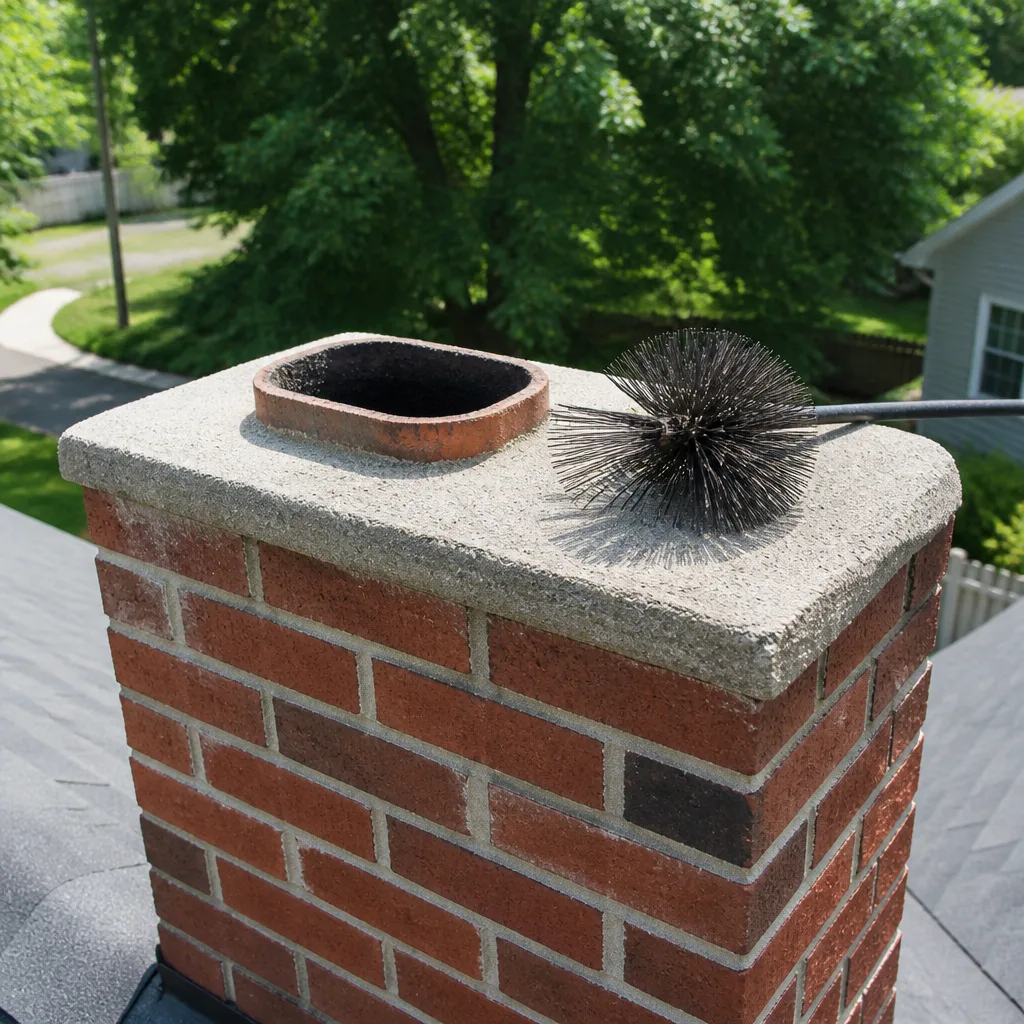
- Sweeping the flue. Proper brushing requires the right tools, containment, and knowledge of the flue’s condition. Doing it yourself risks damage and misses buildup in the offsets and smoke chamber.
- Inspecting flue tiles and the chimney interior. Seeing the whole flue means getting to it with the right equipment and knowing what you’re looking at.
- Any liner or flue repair. Relining and resurfacing are technical jobs that require specific training and materials.
- Crown and cap repair. Crown work involves masonry skill and height safety.
One safety note worth stating plainly: chimney interiors involve combustion byproducts, structural materials, and in some cases height work. Some of the fixes you’ll read about online belong in the hands of a trained professional, not a weekend project. A specialist visit costs far less than correcting a botched DIY repair.
Gas Fireplace Maintenance: The Schedule Most People Ignore
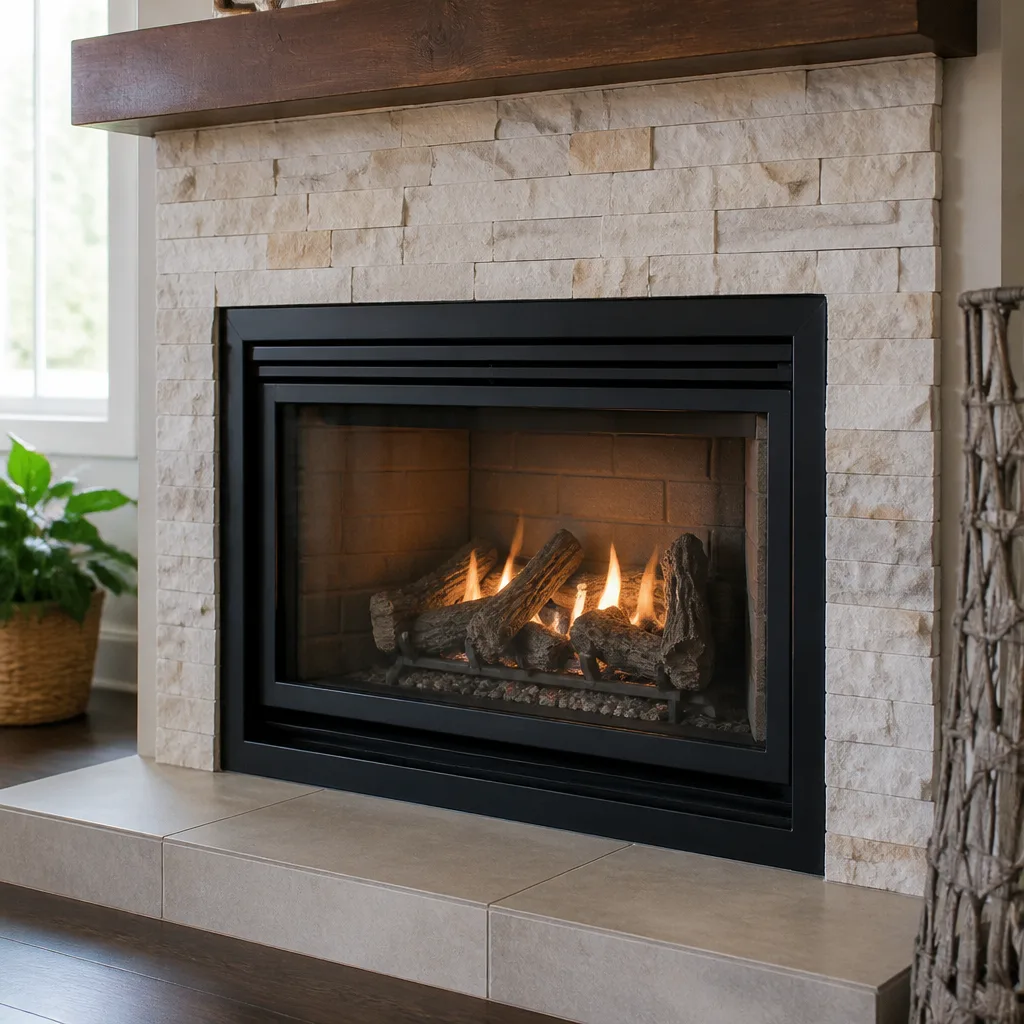
Most maintenance guides treat gas fireplaces as if they take care of themselves. They don’t. A gas fireplace has its own components that wear and need attention, and the schedule looks very different from a wood-burning chimney.
What Needs Attention on a Gas Fireplace
- Log sets. Vent-free and vented log sets accumulate dust and soot that affect how they burn and how they look. Logs can also crack or shift out of position over time.
- Thermopile and thermocouple sensors. These are the safety sensors that tell the gas valve the pilot is lit. When they degrade, the fireplace gets hard to light or won’t stay lit. They’re replaceable, and replacing them is a technician’s job.
- Venting. Even gas fireplaces vent, and the vent path needs checking for blockage and proper draft.
- Burner and glass. Burner ports can clog; glass fronts get hazy and need proper cleaning products.
A Sensible Gas Fireplace Interval
An annual inspection is the right baseline for a gas fireplace that gets regular use, timed around the start of the season the same way a wood chimney is. The inspection should cover the logs, sensors, burner, venting and glass. If the fireplace sees only occasional use, a bi-annual check may be enough, but the first inspection establishes the baseline. Don’t assume a gas fireplace is maintenance-free just because it doesn’t produce creosote the way wood does.
Military Rentals and the Baseline Inspection Problem
West Fort Hood and the neighborhoods around it have a high turnover of renters, and that creates a specific chimney problem: nobody knows when the chimney was last serviced. A tenant who moves into a home with a fireplace often has no record of the last sweep, no idea how the previous occupants burned, and no way to find out from the landlord on short notice. The fireplace may have gone several seasons without attention.
The answer is a baseline inspection. On moving in, schedule a professional inspection regardless of the season. It establishes a documented starting point: what condition the flue, firebox, damper, cap and crown are in, whether there’s existing creosote buildup, and what needs doing. From there, the normal annual schedule takes over. This is especially important for households planning to burn, and it costs far less than discovering a problem mid-winter when you can’t get an appointment.
For incoming residents, it’s also worth asking the landlord for any service records. If none exist, that’s your answer: the baseline inspection is needed. Tenants moving out should pass along whatever inspection report they received, which makes the next household’s job easier.
The Three Levels of Chimney Inspection, Explained
Not every inspection is the same. The industry recognizes three levels, and knowing which one you need tells you what you’re getting for the appointment.
- Level 1 Inspection. The standard annual inspection. It covers all readily accessible portions of the chimney and venting: firebox, damper, flue, cap and crown, checked visually. This is what a routine pre-season visit includes and what most homes need each year.
- Level 2 Inspection. More thorough. It’s required when something changes: a new appliance, a change of fuel type, a property sale or transfer, or after a chimney fire or other event. It may include a camera to see the full interior of the flue. If you’re buying a home or moving into a rental with no service history, this is the level that gives you a real picture.
- Level 3 Inspection. The most extensive. It’s reserved for cases where a Level 1 or 2 inspection turns up a problem that can’t be fully assessed without accessing concealed areas, which may mean removing parts of the chimney structure. It’s uncommon, and it’s used when the situation genuinely calls for it.
In our experience, most Killeen homeowners need a Level 1 each year and a Level 2 when something has changed. A rental with no service history is a change that warrants a Level 2. So is any home that’s just changed hands.
Seasonal Warning Signs You Shouldn’t Wait On
Your schedule handles the routine. These are the signs that should move you to call sooner rather than later, whatever month it is:
- Smoke coming back into the room. A fireplace that used to draw well and now doesn’t is telling you something changed, whether that’s a blockage, a damper problem, or pressure issues.
- A strong, persistent creosote smell. Some smell on a cold, damp day is normal. A strong smell that lingers is a sign of significant buildup.
- Visible cracks in the firebox or flue. Cracks let heat and gases reach materials that aren’t meant to handle them.
- Water stains or dampness near the chimney. This usually points to a crown, flashing or cap problem that should be fixed before it becomes structural.
- Animals or debris in the flue. Birds and squirrels get in through missing or damaged caps. A blocked flue is a serious safety issue.
- A loud, roaring sound or a popping noise during a fire. This can indicate a chimney fire. Get everyone out and call the fire department first, then call a chimney professional to inspect afterward.
None of these are reasons to panic, but all of them are reasons not to wait for the next scheduled appointment.
Common Mistakes to Avoid
- Treating the calendar as the only rule. An annual sweep is the minimum, but what the inspection finds matters more than the date. Homes that burn heavily or burn wet wood need attention more often than the calendar suggests.
- Skipping the pre-season inspection because the fireplace “worked fine last year.” A chimney can develop cracks, blockages or creosote buildup between seasons. September is when you find out, not the first cold night in October.
- Burning unseasoned wood to save money. Wet wood is the fastest path to Stage 2 and Stage 3 creosote. The savings on cheap wood get eaten by the cost of a sweep sooner than expected.
- Ignoring gas fireplaces entirely. A gas fireplace still needs annual service on its logs, sensors and venting. “No creosote” doesn’t mean “no maintenance.”
- Climbing on the roof to check the cap yourself. Height work on a roof is a genuine fall hazard. Check from the ground with binoculars and leave anything beyond arm’s reach to a professional.
- Hiring a generalist who added chimney work to a service menu. Chimney work is specific: liners, flue tiles, resurfacing materials, crown work. A specialist has the tools and the training, and won’t be splitting attention between chimneys and other trades.
- Skipping the spring cap and crown check. Hail and storms are hard on caps and crowns, and small damage becomes big damage when water gets in.
See the difference
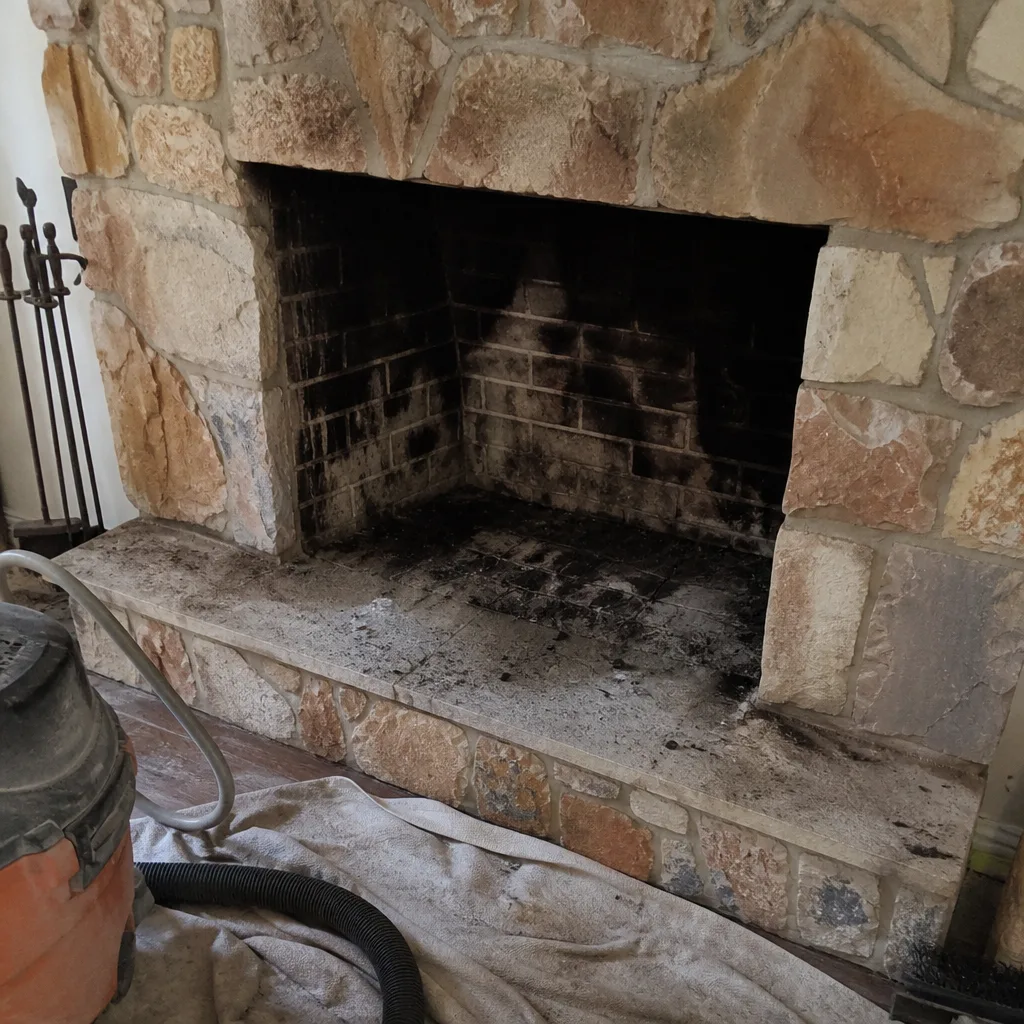 Before
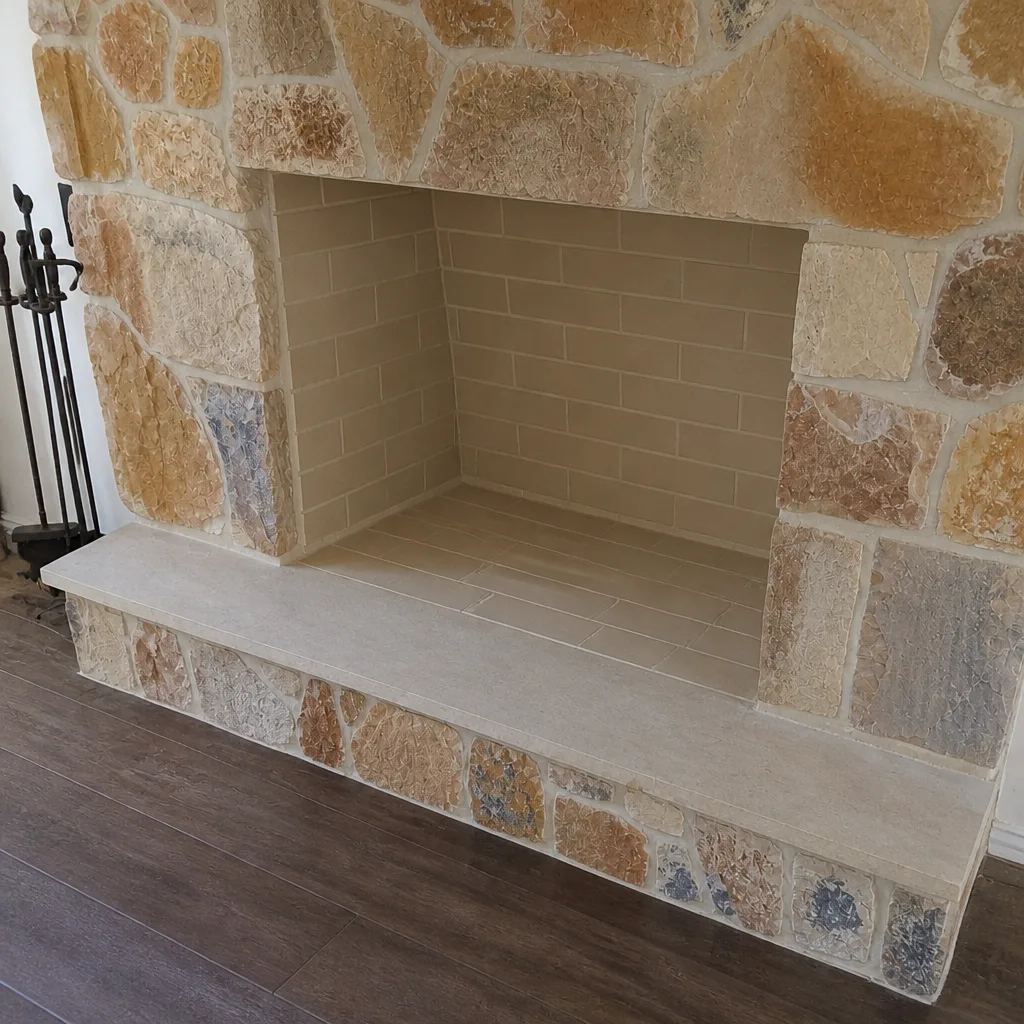 After
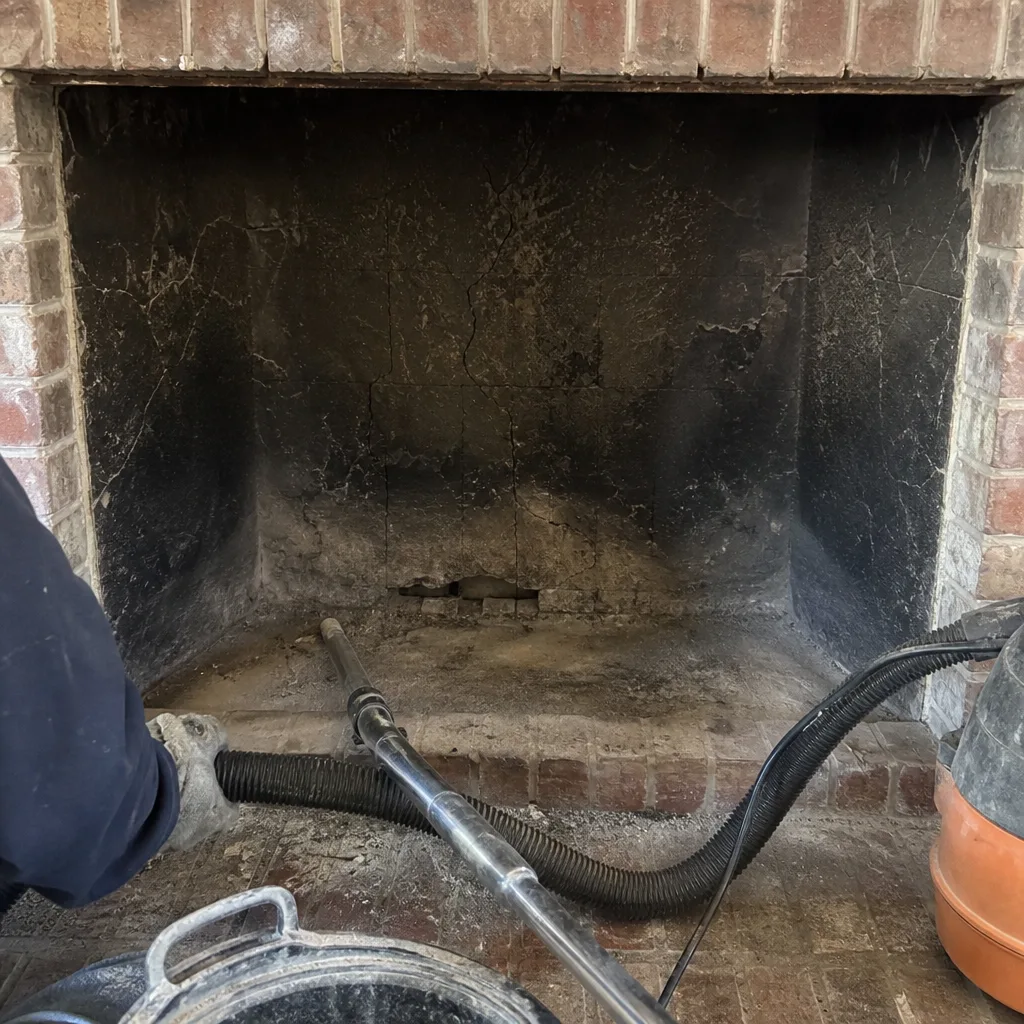 Before
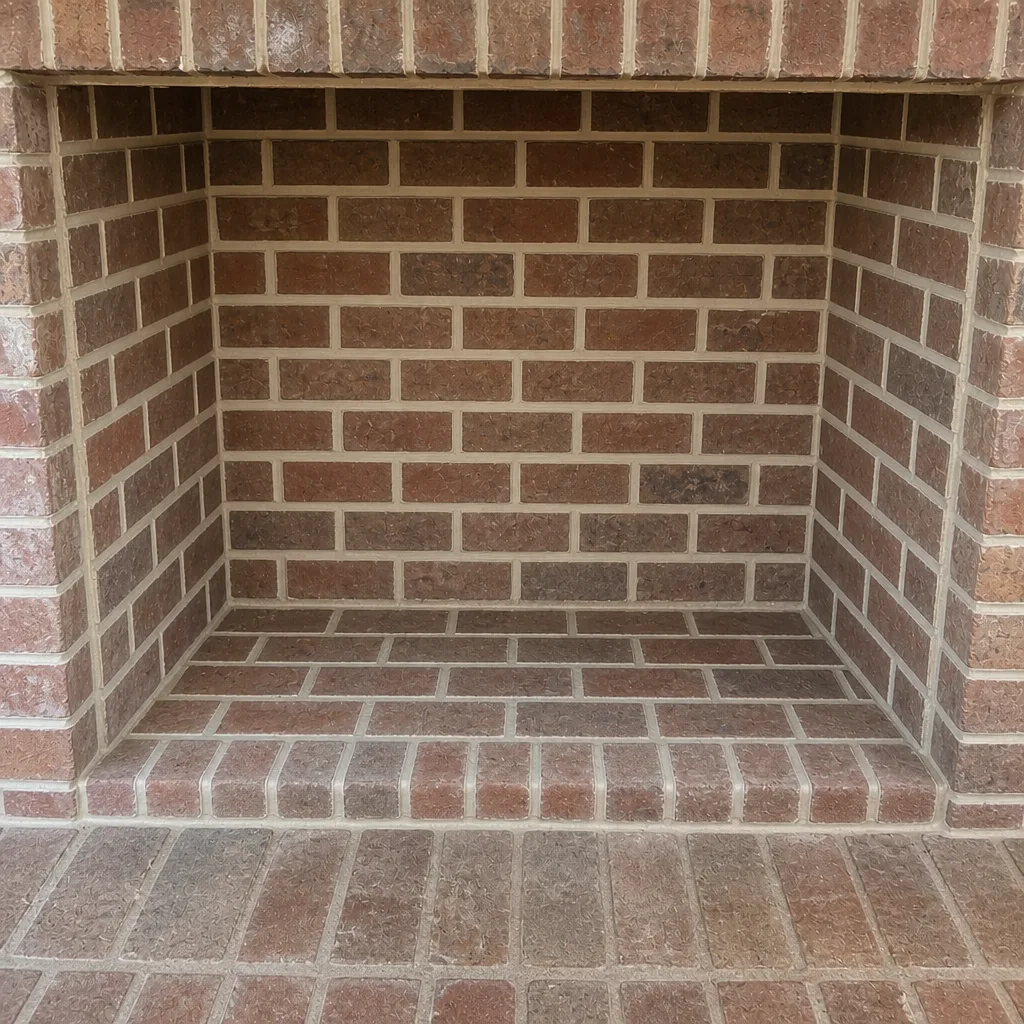 After
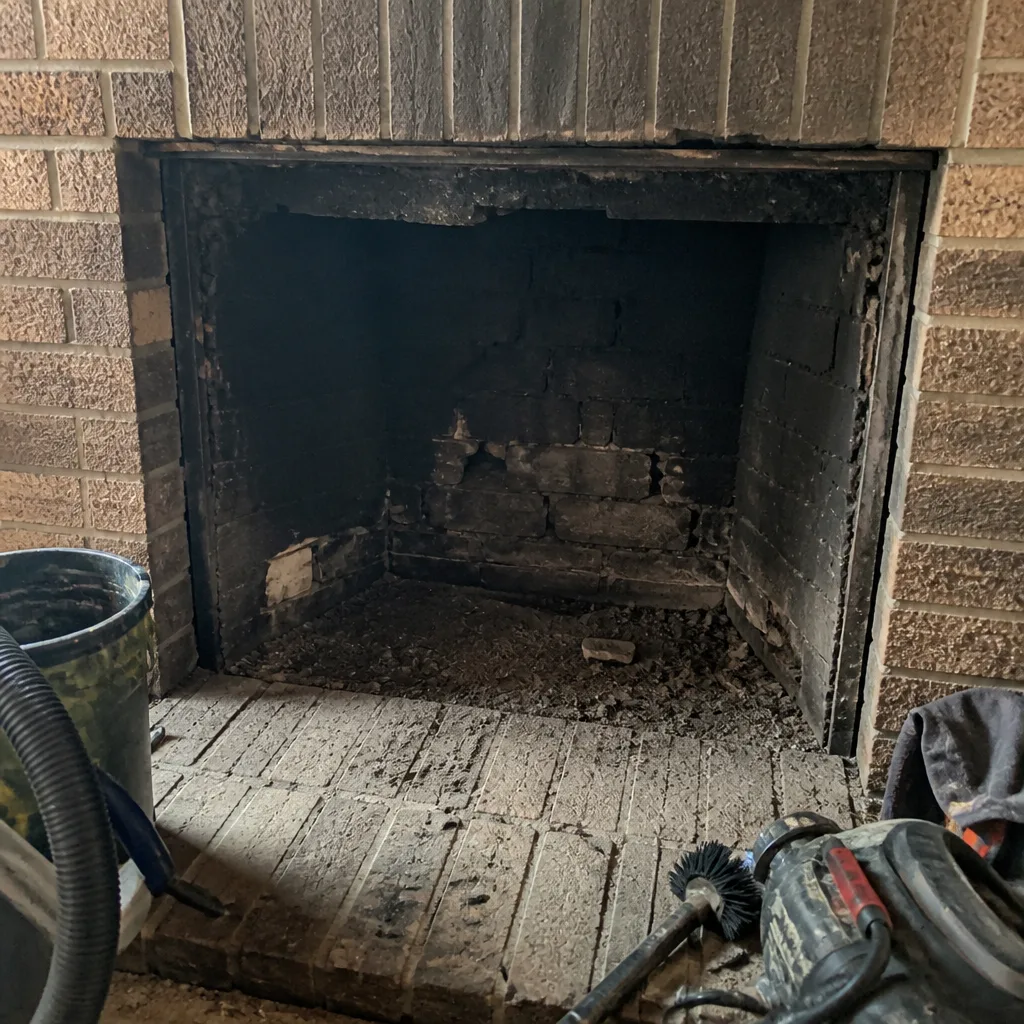 Before
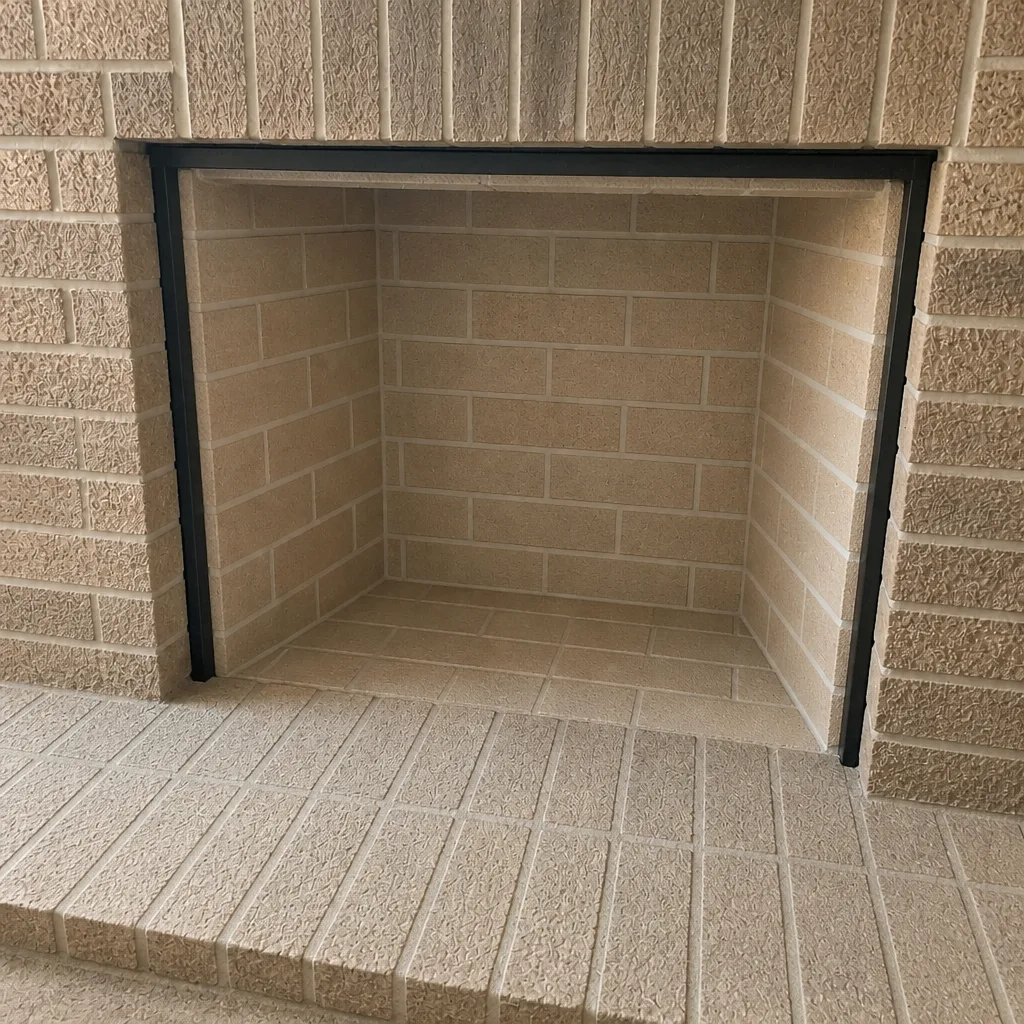 After
When to Call a Professional
Call a professional for the annual pre-season inspection and sweep, for any mid-season creosote check if you burn heavily, for the spring cap and crown check, and for any of the warning signs listed above. You’ll also want to call if you’re moving into a home or rental with no service history, or if you’re buying a property and need a baseline inspection before you close. And call if you’ve had a chimney fire or a suspected one, because the flue needs inspecting after that. Chimney Sweep Killeen offers free estimates in Killeen – call (866) 942-9240. We answer 24/7, with fast dispatch from 7am to 7pm, Sunday through Friday.
Frequently Asked Questions
At least once a year, before the first burn of the season, and more often if you burn heavily or burn unseasoned wood. The inspection determines whether a sweep is actually needed; a light user with Stage 1 creosote may be fine annually, while a daily burner might need a mid-season check. Call (866) 942-9240 for a free estimate.
Not always. A liner is recommended when the existing flue is damaged, cracked, or no longer suitable for the appliance. HeatShield resurfacing can restore deteriorated flue tiles without a full liner replacement in some cases. The only way to know is an inspection with real evidence. Call (866) 942-9240 for an estimate.
You lose the chance to catch problems early. Creosote buildup, cracked flue tiles, and crown or cap damage all get worse with another season of use, and a repair that could have been simple becomes larger. Annual inspection is the cheapest way to avoid expensive surprises. Call (866) 942-9240 to schedule.
No. Gas fireplaces have logs, thermopile and thermocouple sensors, burners, glass and venting that all need checking. An annual service keeps the fireplace working properly and safely. Call (866) 942-9240 for a gas fireplace inspection.
Possibly, if the inspection confirms light Stage 1 creosote. But the inspection itself is still worth doing every year, because cracks and blockages can develop without much use. The sweep is optional in that case; the inspection isn’t. Call (866) 942-9240 for a free estimate.
September is the ideal month, before the first cool fronts arrive and before appointment demand picks up in October. Summer is the best time for any non-urgent repair work. Call (866) 942-9240. We answer 24/7, with fast dispatch from 7am to 7pm, Sunday through Friday.
The Bottom Line
The annual sweep and inspection is your foundation, but in Killeen the real schedule is built around how you burn and when things happen here: a pre-season inspection in September before the first fire, a mid-season check in December for heavy users, and a spring cap and crown inspection after hail season. Gas fireplaces follow their own separate interval. Rentals with no service history get a baseline inspection on move-in. And if you notice smoke backing up, a persistent creosote smell, or water near the chimney, don’t wait for the calendar. Our technicians have up to 11 years of experience, one call covers sweep, repair and inspection, and every appointment is backed by a written estimate. Call (866) 942-9240 to book your free estimate. We answer 24/7, with fast dispatch from 7am to 7pm, Sunday through Friday.
Written by the team at Chimney Sweep Killeen.