
Last updated November 16, 2026
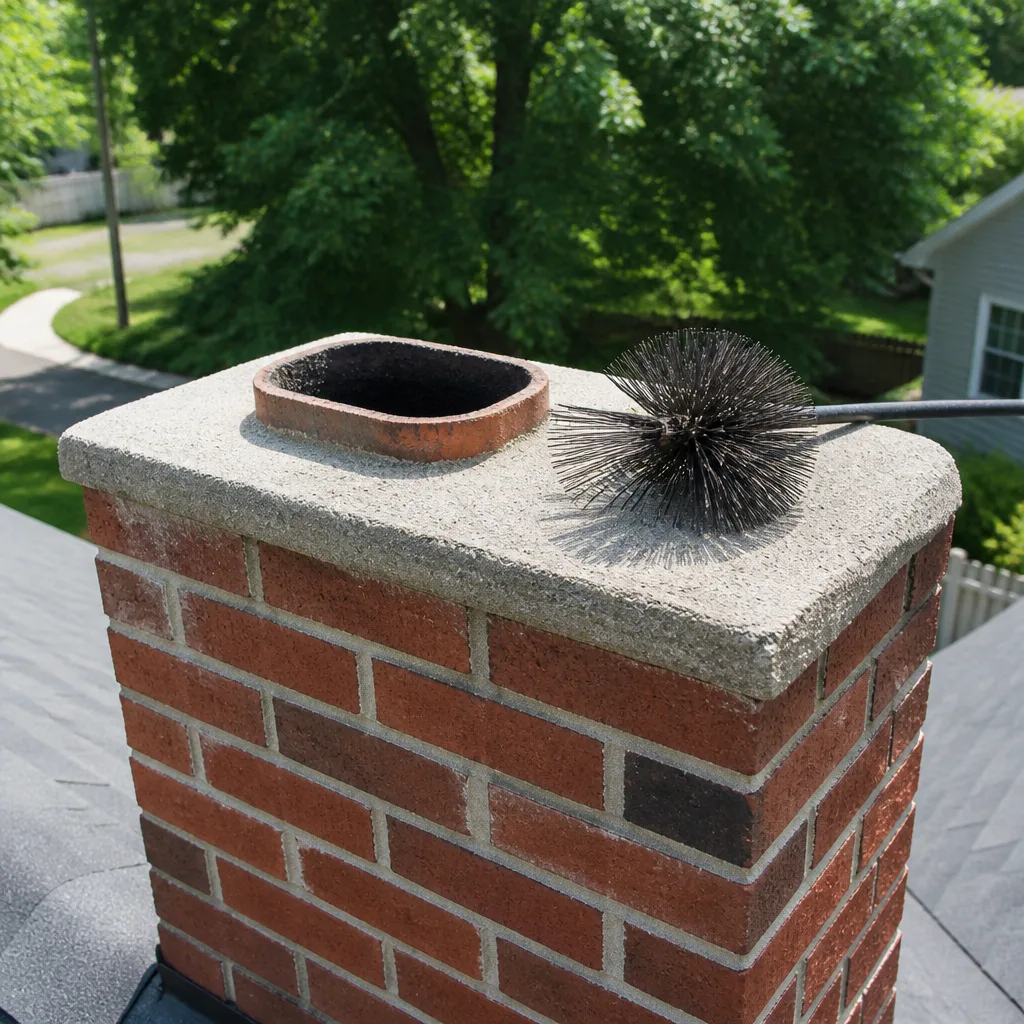 Sweep & inspection
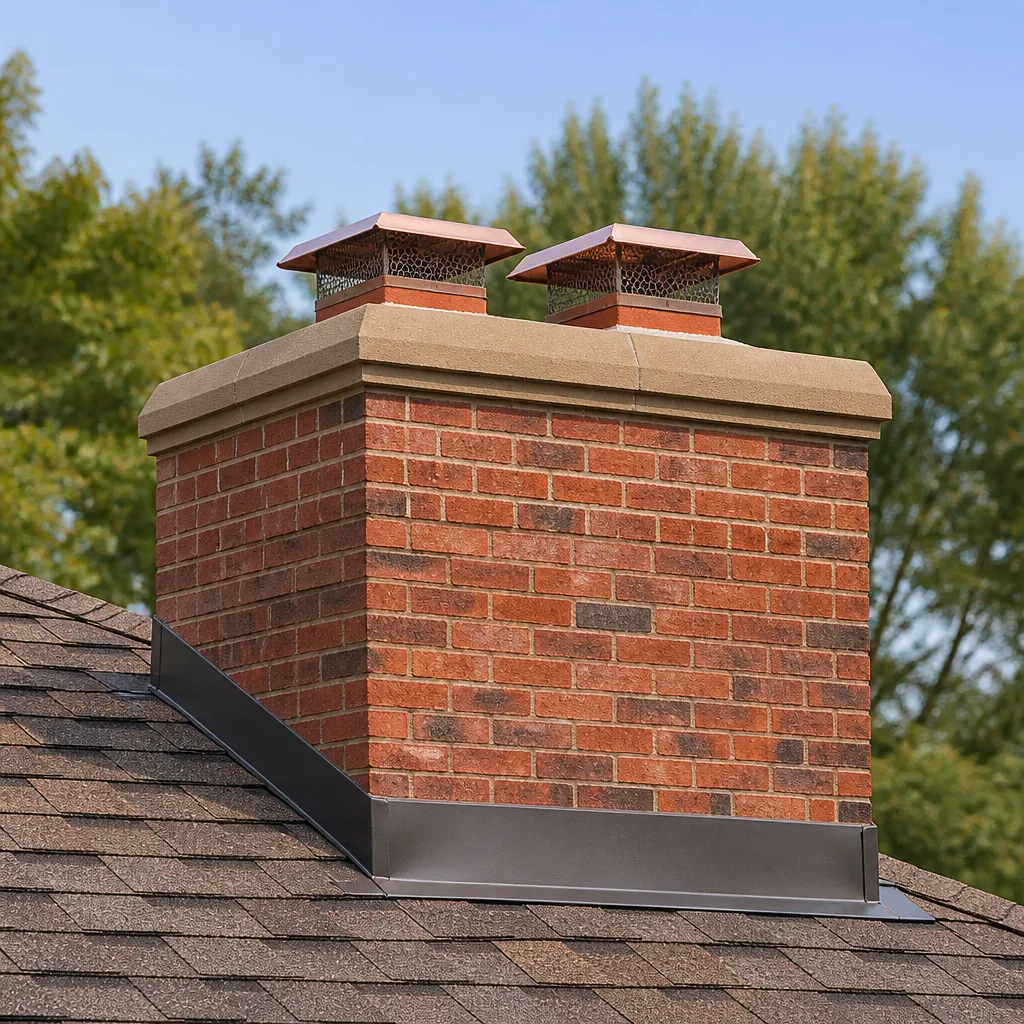 Caps & crowns
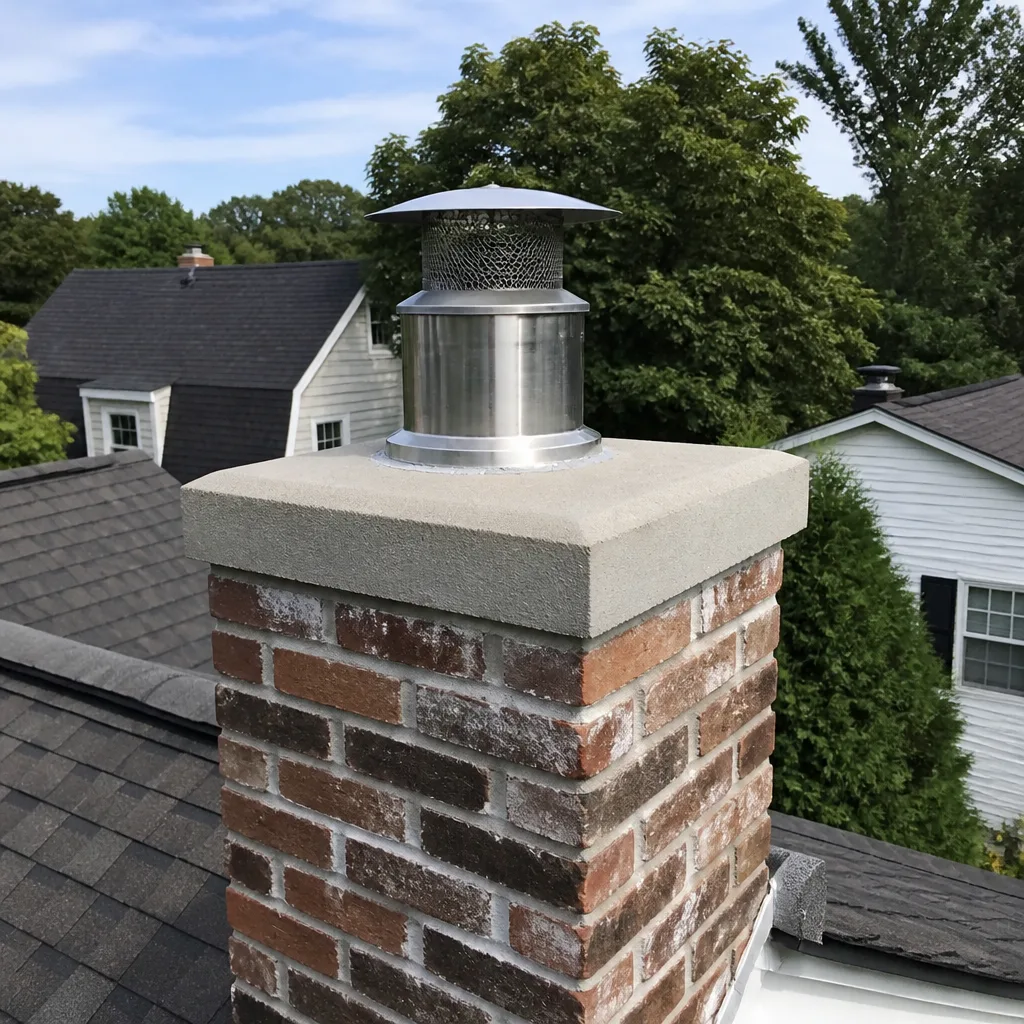 Flue relining
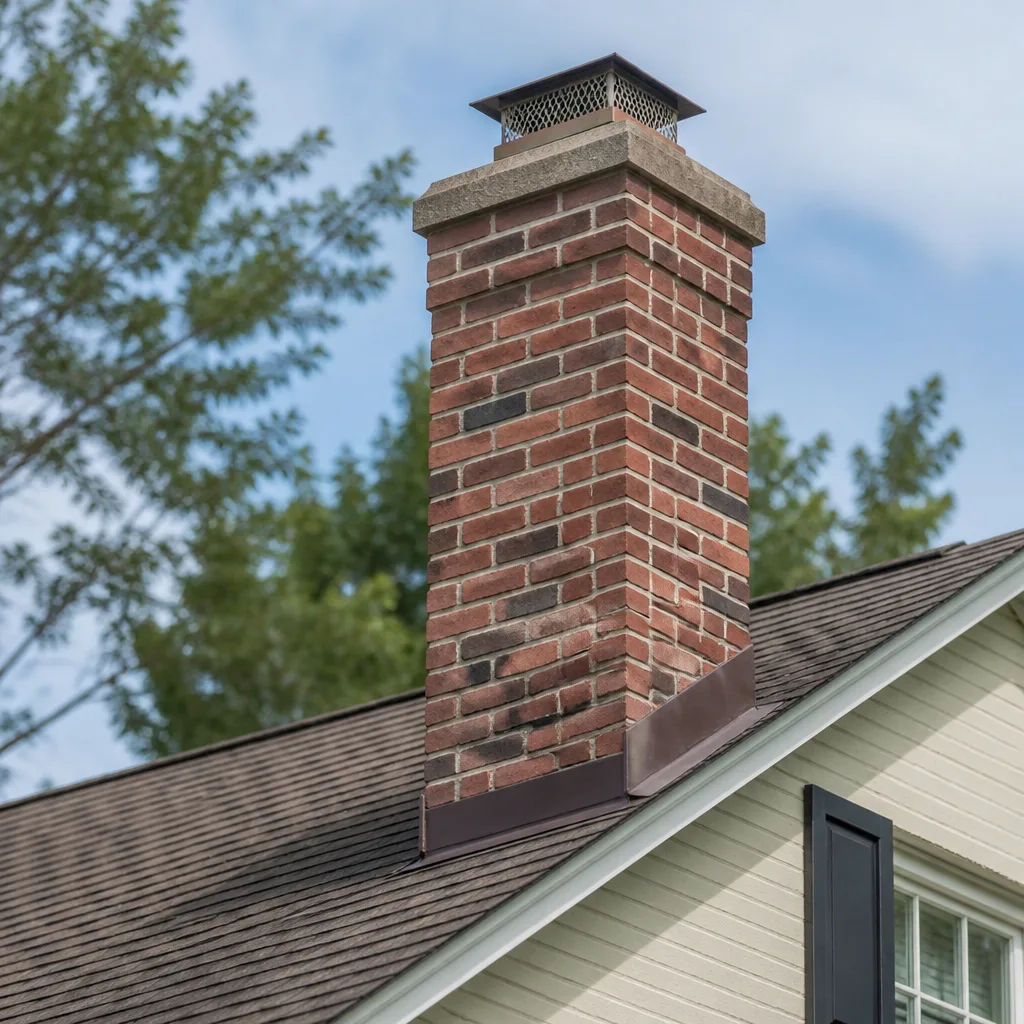 Masonry repair
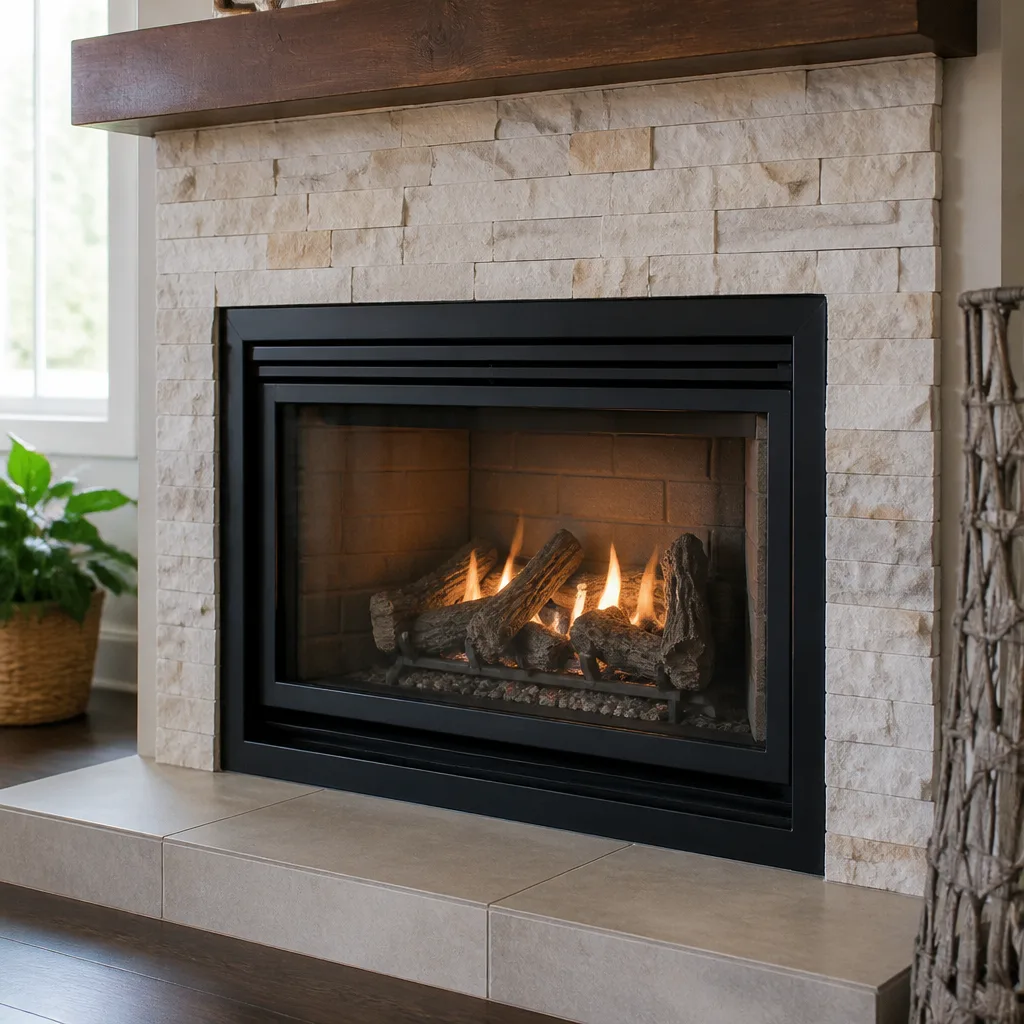 Gas fireplace service
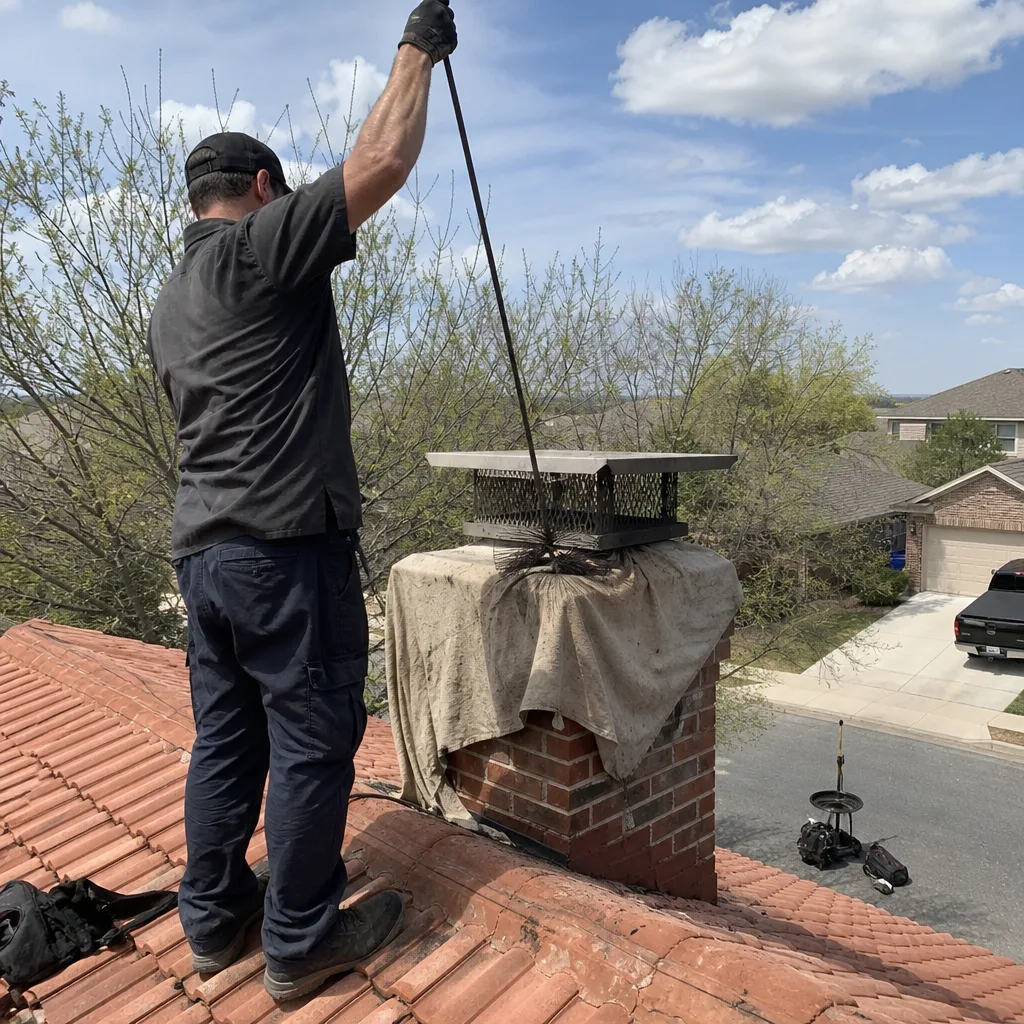
Level 1 sweep and inspection to the NFPA 211 annual standard - flue, crown, cap, and flashing checked and photographed
Chimney sweep logs do not sweep chimneys. They loosen some creosote - which then falls where a brush and vacuum still have to collect it.
Chimney Sweep Troubleshooting in Killeen: Common Problems and How to Fix Them
If your fireplace smells like smoke inside the house after a fire dies down, the problem almost certainly isn’t creosote buildup. It’s a draft pressure issue, and sweeping the flue won’t change it. That surprises a lot of homeowners, and it’s why so many people book a cleaning expecting the smell to go away and then wonder why it comes back. Smoke smell, staining on the brick, a damper that sticks, a fire that’s hard to light: these are symptoms, and each one points to a specific cause that a sweep alone can’t always fix. This guide is built to help you read those signals before you call anyone, so you know what you’re dealing with and what a real fix looks like on a Killeen chimney.
Quick Answer
Most chimney problems in Killeen fall into three buckets: draft and airflow issues (smoke smell, hard lighting, backdraft), moisture and water damage (efflorescence, spalling brick, rusted dampers), and structural failures in the flue itself (cracked tiles, deteriorated mortar joints). A proper chimney sweep and inspection identifies which bucket you’re in, using a camera to see the flue interior and a photo report so you can verify the finding yourself. Sweeping clears creosote; repair solves the actual defect. Knowing the difference is what keeps you from paying for a cleaning that doesn’t fix anything, or skipping a repair that matters.
Styles & brands we work with
- Sweep & inspection
- Caps & crowns
- Flue relining
- Masonry repair
- Gas fireplace service
Table of Contents
- Why Does Your Fireplace Smell Like Smoke Inside the House?
- What Do the White Stains and Crumbling Brick on Your Chimney Mean?
- How Central Texas Soil Cracks Chimney Flue Liners from Below
- The Troubleshooting Decision Tree: Symptom to Root Cause
- What You Can Check Yourself vs. What Needs a Camera
- When Is Relining the Real Fix? DuraFlex vs. a Surface Repair
- Rusted Dampers and Stuck Dampers: What Causes Them
- How Often Should a Killeen Chimney Be Swept?
Why Does Your Fireplace Smell Like Smoke Inside the House?
Smoke smell inside the house usually means the chimney isn’t pulling air correctly, or it’s pushing air the wrong way. When a fire dies down, the warm air in the flue that was rising and carrying smoke up leaves, and the flue cools. If the flue is larger than the fireplace opening needs, or if the house is tight and losing pressure, cold outside air sinks down the chimney and pushes smoke smell into the room. That’s called a negative-pressure condition, and no amount of sweeping removes it because the flue itself isn’t the problem.
There are a handful of common culprits we see when homeowners describe this:
- Flue too large for the firebox. An oversized flue drafts poorly, especially when the fire is small or burning down.
- Draft pressure from the house. Bathroom fans, clothes dryers, and kitchen exhaust pull air out of a tight house, and the chimney becomes the replacement air path.
- A missing or damaged cap. Wind gusts down the flue and pushes smoke back into the room.
- A damaged damper that won’t close. When the damper stays open, the smell of a cold chimney sits in your living room.
- Blockage from an animal nest or debris. Squirrels and birds nest in flues in this part of Central Texas, and a nest blocks the flow entirely.
Diagnosis starts with a visual check: does the cap sit flush, does the damper close fully, and is the smoke smell worse when other exhaust fans are running? Then a camera inspection of the flue will rule out a blockage or a crack. A smoke test can confirm pressure problems directly. When we find the cause, the fix varies: a cap and chase cover where the cap is missing, a damper repair where the seal fails, or a properly sized liner where the flue is just too big. If you want to understand the broader service, our Chimney Sweep Killeen page lays it out.
What Do the White Stains and Crumbling Brick on Your Chimney Mean?
The flaky white stains on a chimney are called efflorescence, and they’re a sign of moisture moving through the masonry. Water gets into the brickwork, dissolves water-soluble salts, and then the salts come to the surface as the masonry dries and crystallize into that white powder. Efflorescence by itself is cosmetic. But when it shows up alongside crumbling brick or flaking mortar, the moisture has been working at the structure long enough to break it down, and that’s a repair issue, not a cleaning issue.
Spalling brick is the next stage. The freeze of water inside the brick during rare cold snaps in Central Texas, and just the long cycle of wetting and drying, eventually causes the face of the brick to pop off. Once the brick face is gone, the softer interior of the brick absorbs water faster, and the damage accelerates. You’ll also see crumbling mortar joints, where the mortar has receded between the bricks and left them unsupported.
Here’s what matters for the fix:
- Crumbling mortar joints can be repointed, which means cutting out the failed mortar and packing in new mortar designed for chimney use.
- Spalling brick on the crown often means the crown has cracked and is letting water in. A new crown or a crown coating stops the leak.
- Water coming down the flue often comes through a missing cap or a failed chase cover, and the moisture ends up rusting the damper and the firebox.
- Efflorescence alone is worth monitoring, but not always a repair. Waterproofing the masonry while letting it breathe is sometimes all that’s needed.
The Killeen climate matters here. Mild winters with sudden cold snaps and humid summers put masonry through an uneven wet-dry cycle, and that’s hard on brick and mortar. If you’re seeing white staining on the outside of the chimney, ask for the exterior to be examined during your inspection, not just the flue. Our chimney repair work covers this kind of masonry assessment.
How Central Texas Soil Cracks Chimney Flue Liners from Below
The flue liner can crack even when nothing visible from the outside is wrong. Killeen sits on clay-heavy soil that swells when it’s wet and shrinks when it dries, and that movement shifts the foundation of the house. A chimney is a rigid column, and when the house shifts under it, the chimney doesn’t flex with the foundation. The stress builds in the weakest part of the structure, which is often the clay tile flue liner running up the inside of the chimney. That’s why a chimney can look perfectly fine on the exterior while the interior liner is cracked or separated at the joints.
This is the failure mode most national chimney guides rarely mention, because most of the country doesn’t sit on expansive clay like Central Texas does. In Killeen, the soil is a real factor, and it’s why we don’t trust an exterior-only look. Cracks in the flue liner are a genuine safety problem: a gap in the flue lets heat escape into the surrounding framing and lets combustion gases move into the house. That’s not a scare tactic. It’s the reason the liner exists at all.
The joints between clay tiles are the usual failure points. Clay tile flues are stacked with a small gap of mortar at each joint, and foundation movement can open those joints or offset the tiles. On a camera inspection, an offset joint or a visible gap in the mortar joint is what we’re watching for, alongside any crack running lengthwise through the tile. The only way to see this clearly is with a camera run up the flue, and it’s the core reason an inspection is different from a sweep. When the liner is failing, the fix is a relining system like DuraFlex, not a surface patch.
The Troubleshooting Decision Tree: Symptom to Root Cause
Here’s the practical part: work backward from the symptom. The decision tree below maps each common complaint to its likely cause, what you can check on your own, and what a specialist should confirm with a camera or a formal inspection.
- Symptom: Smoke smell in the house after the fire dies down. Likely cause: draft pressure or an oversized flue. Check yourself: whether the smell arrives when other exhaust fans run and whether the damper closes fully. Specialist should confirm with a smoke test and a flue measurement.
- Symptom: Smoke rolling into the room while the fire burns. Likely cause: blockage, a broken damper, or a flue that’s too short. Check yourself: whether the smoke happens in every wind direction. Specialist should confirm a camera view up the flue.
- Symptom: White staining on the chimney exterior. Likely cause: moisture in the masonry. Check yourself: whether the stains come and go with wet weather. Specialist should confirm the crown and cap condition.
- Symptom: Crumbling brick or receding mortar joints. Likely cause: long-term moisture damage. Check yourself: run a hand along the joints; if they’re hollow or the brick face is flaking, that’s damage. Specialist should confirm the extent and whether a crown rebuild or repointing is needed.
- Symptom: Rust on the damper or firebox. Likely cause: water getting down the flue. Check yourself: whether the cap is intact and sitting flat. Specialist should confirm where the water enters.
- Symptom: A fire that’s hard to start or goes out. Likely cause: poor draft, a blocked flue, or wet wood. Check yourself: the wood’s moisture and whether the firebox is clear. Specialist should confirm draft with a smoke test and rule out a liner issue.
- Symptom: A smoky smell that lingers even when the chimney isn’t in use. Likely cause: creosote deposits or a cold flue. Check yourself: whether the smell is worse after rain. Specialist should confirm with a sweep and inspection.
The point of the tree is simple: none of these symptoms resolve with a sweep if the cause is structural, and none resolve with a repair if the cause is simply a full flue of creosote. Match the symptom to the cause before you book work, and ask any chimney specialist how they’ll confirm the diagnosis, not just how they’ll clean.
What You Can Check Yourself vs. What Needs a Camera
Some chimney conditions you can watch yourself. Others are genuinely unsafe to assess from the ground. Here’s the line we draw.
What you can monitor on your own
- The condition of the chimney cap: is it intact, sitting flat, and free of debris?
- Visible mortar joints on the exterior: look for receding mortar, flaking brick, or new white staining.
- The damper: does it open and close smoothly, and does it seal tight when closed?
- The firebox: is there obvious cracking in the firebrick, or a smell of smoke lingering when the chimney isn’t in use?
- Water: any moisture at the base of the firebox, rust, or a stain trail down the chimney exterior.
What only a camera and a specialist should assess
- Cracks, gaps, or offsets in the clay tile flue liner.
- Creosote levels inside the flue and how stubborn the deposits are.
- Whether a HeatShield resurfacing is a candidate for a deteriorated liner or a full relining is the correct fix.
- The condition of the flue from the top down, including the smoke chamber and the damper assembly.
- Whether the crown is cracked or the chase cover is failing somewhere you can’t see.
This split matters because height work is dangerous. The roof of a chimney is not a place to inspect casually, and a fall from a roof or a flue collapse is serious. We always recommend a trained chimney specialist handle the roof-side work and the flue interior, and we’d rather you stop at the exterior monitoring list than climb up to check a crown yourself. The inspection is the safe way to see the parts you can’t reach.
When Is Relining the Real Fix? DuraFlex vs. a Surface Repair
Relining is the real fix when the flue liner itself is compromised: cracks running through the tile, offset joints, or deteriorated mortar between tiles that lets heat and gas escape. A surface repair, by contrast, is the right call when the liner is intact but has eroded in patches that a resurfacing product can rebuild. The camera inspection is what tells those two cases apart, and it’s the most important step before any repair gets recommended.
Here’s how the two paths break down in practice:
- Surface repair with HeatShield. When the clay tile has deteriorated in the sense of erosion or gaps but the structural tile is still in place, HeatShield resurfacing rebuilds the flue surface without a full demolition or a full liner replacement. It’s a repair method designed to restore deteriorated flue tiles, and it saves the tear-out.
- Full relining with DuraFlex. When the liner is cracked, offset, or otherwise failing structurally, a flexible liner system relines the flue from the top down. DuraFlex is a flexible liner system, and relining is a technically demanding job that needs proper measurement and training, not a universal fix-all.
- Neither is the fix when the flue is simply loaded with creosote. A full sweep is the correct service, and a camera inspection confirms the liner is clean and sound afterward.
This is where homeowners get either upsold or undersold. If your liner is sound, no relining is needed, and a specialist should say so. If the liner is cracked, a resurfacing job can’t fix a structural gap, and skipping the relining would leave the safety problem in place. Ask for the camera evidence before you commit. Nothing gets recommended until the photos show the reason, and we send those photos with the written estimate so you can see the flue yourself. That’s the standard our specialist team holds itself to.
What the relining versus resurfacing decision looks like
- Camera inspection up the flue, with photos captured at each problem area.
- The specialist reviews the liner condition and measures the flue dimensions.
- If the tile is deteriorated but structurally present, resurfacing with HeatShield is the candidate.
- If the tile is cracked, offset, or missing, a relining system like DuraFlex is the fix.
- A written estimate sets the final price, with the camera evidence attached.
- The work is completed and the flue is filmed again to document the finished job.
Rusted Dampers and Stuck Dampers: What Causes Them
A rusted or stuck damper almost always means water has been getting into the flue. The damper sits at the top of the firebox, in the part of the chimney that sees the most moisture if rain gets past the cap or the chase cover. When the damper rusts, it either sticks open or won’t open at all. A damper stuck open lets cold air and smoke smell drop into the room between fires. A damper stuck shut means you can’t burn safely, because there’s no way to control the draft.
The cause chain is common: a missing or damaged flue cap, a cracked chimney crown, or a failing chase cover lets water in; the water gets the damper mechanism wet; the metal rusts; the damper seizes. Fixing the damper alone without fixing the water source just delays the same problem. A proper repair addresses the cap, crown, or chase cover at the same time, so the new damper gets a dry flue.
That’s why an inspection is worth having on a chimney that’s “working fine.” A damper that’s been stuck open for years isn’t obvious unless you look. A camera inspection plus a visual check of the cap and crown will find it, and the fix is straightforward when the water source is stopped. A new top-sealing damper is a common solution for a chimney that never had a proper one or whose old damper has failed. If we’re already out for a sweep, we can check the damper as part of the same visit.
How Often Should a Killeen Chimney Be Swept?
The general guidance is to sweep a chimney at least once a year, and more often if you burn frequently. For a Killeen household that burns through the cooler months, an annual sweep before the burning season is the baseline. For a home that burns regularly through the entire heating season, or uses a wood stove as supplemental heat, twice-a-year sweeping can make sense. Gas log sets need an inspection too, though the sweep interval differs because gas doesn’t leave the same creosote.
The reason annual matters is creosote. Creosote is the byproduct of burning wood, and it builds up on the flue walls in layers that get harder to remove the longer they sit. A light deposit sweeps away cleanly. A heavy, glazed deposit needs more work, and in the worst case it’s the fuel that causes a chimney fire. A chimney fire can crack the flue liner and spread into the structure. That’s the reason the annual sweep and the annual inspection belong together.
If you’ve had a chimney fire, even a small one you think you put out, the flue needs a camera inspection before the next burn. A fire can crack the tile without any obvious sign from the firebox. The same is true if the house has shifted, which in Killeen’s clay soil is worth taking seriously after a dry summer and a wet winter. A camera inspection is the only way to confirm the liner held up.
For a more detailed walkthrough, our chimney sweep service page covers what a sweep and inspection include. And if you want the local picture for our city specifically, the Killeen page is where to start.
Common Mistakes to Avoid
- Booking a sweep to fix a smoke smell. If the problem is draft pressure or an oversized flue, sweeping won’t change it. Match the symptom to the cause first, or ask the specialist whether an inspection is the right service.
- Skipping the inspection because the sweep looked fine. A sweep clears the creosote; an inspection is what finds the cracked tile or the offset joint. They’re different services and both matter.
- Painting over the efflorescence. White stains are a moisture signal. Painting over them traps the moisture inside the masonry and makes the underlying damage harder to spot.
- Assuming the exterior looks fine so the flue must be fine. In Killeen’s clay soil, foundation movement can crack the flue liner from below while the outside of the chimney looks untouched. Only a camera confirms the interior.
- Letting a generalist “fix the chimney” without a camera report. A handyman who also cleans chimneys may not carry the camera or the liner systems to diagnose and fix the real problem. Ask for camera evidence and a written estimate.
- Burning unseasoned wood to save money. Wet wood burns cooler, deposits more creosote, and makes the sweep price climb. Seasoned wood burns cleaner and is kinder to the flue.
- Ignoring a rusted damper. A rusted damper usually means water is coming in somewhere above. Fixing the damper without fixing the cap or crown just brings the rust back.
- Assuming gas fireplaces don’t need a look. A gas log set still has a flue and a damper, and a nest or a failing damper causes the same issues. An inspection covers it.
See the difference
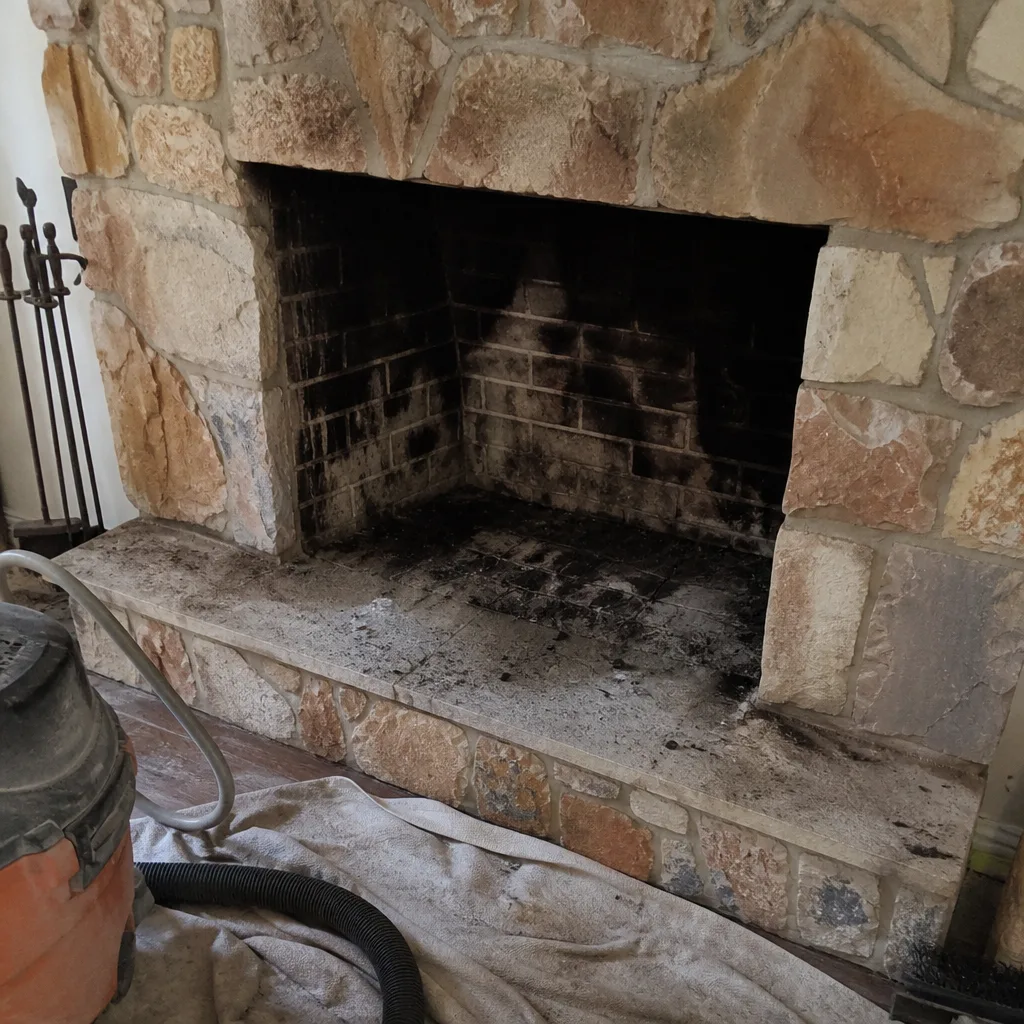 Before
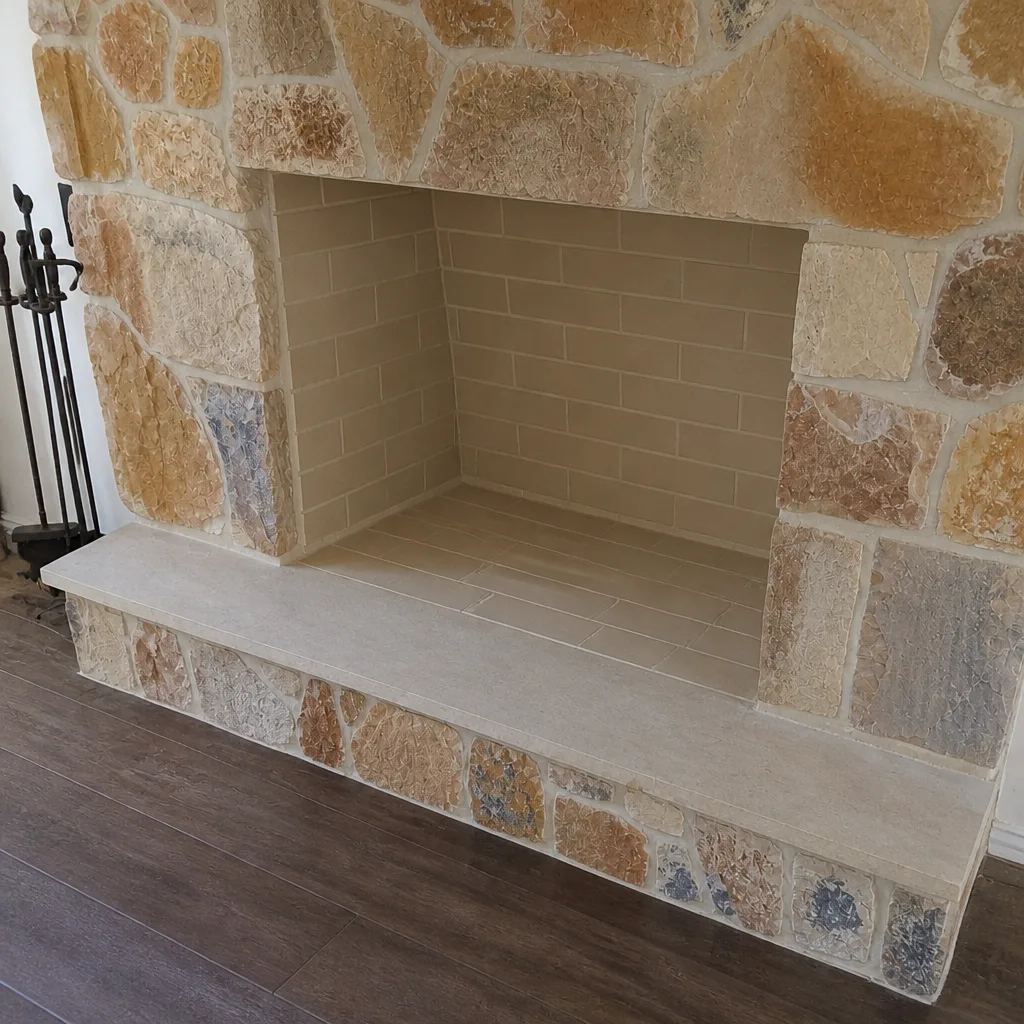 After
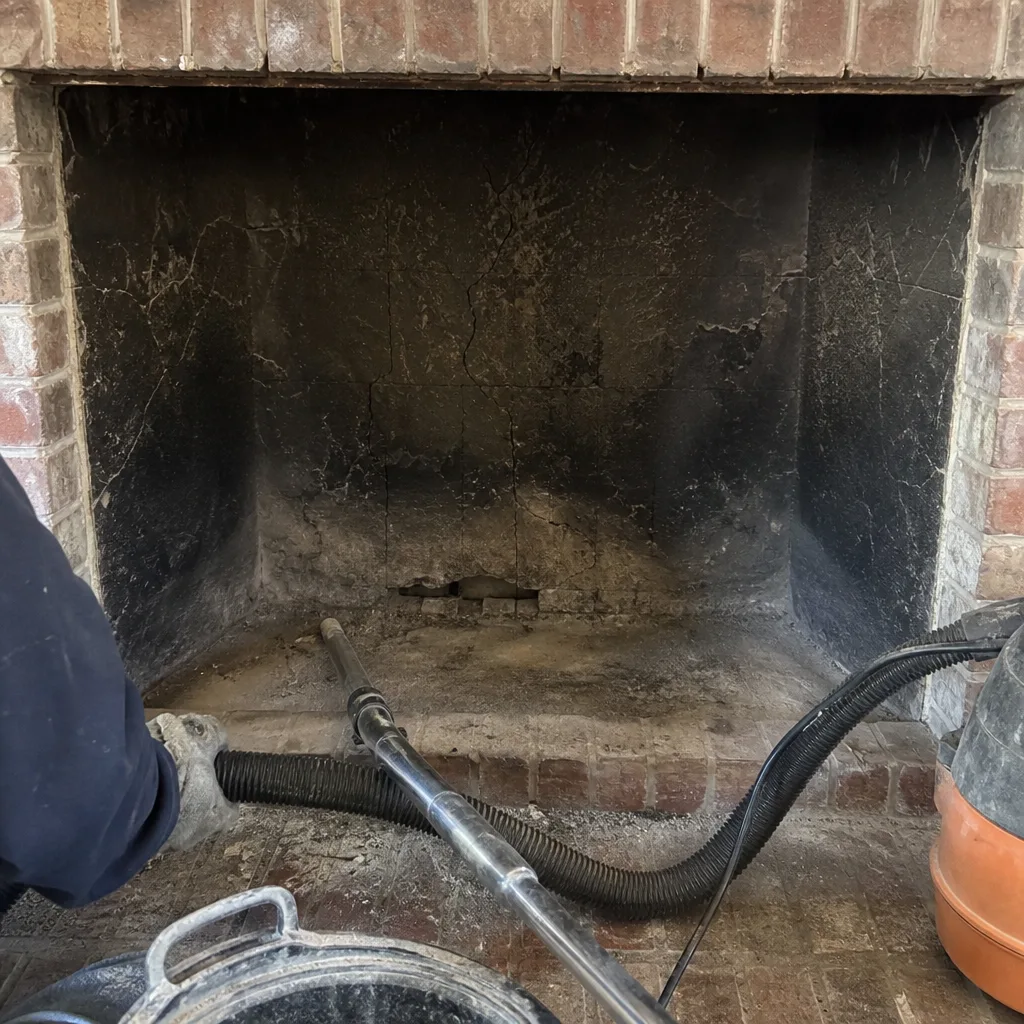 Before
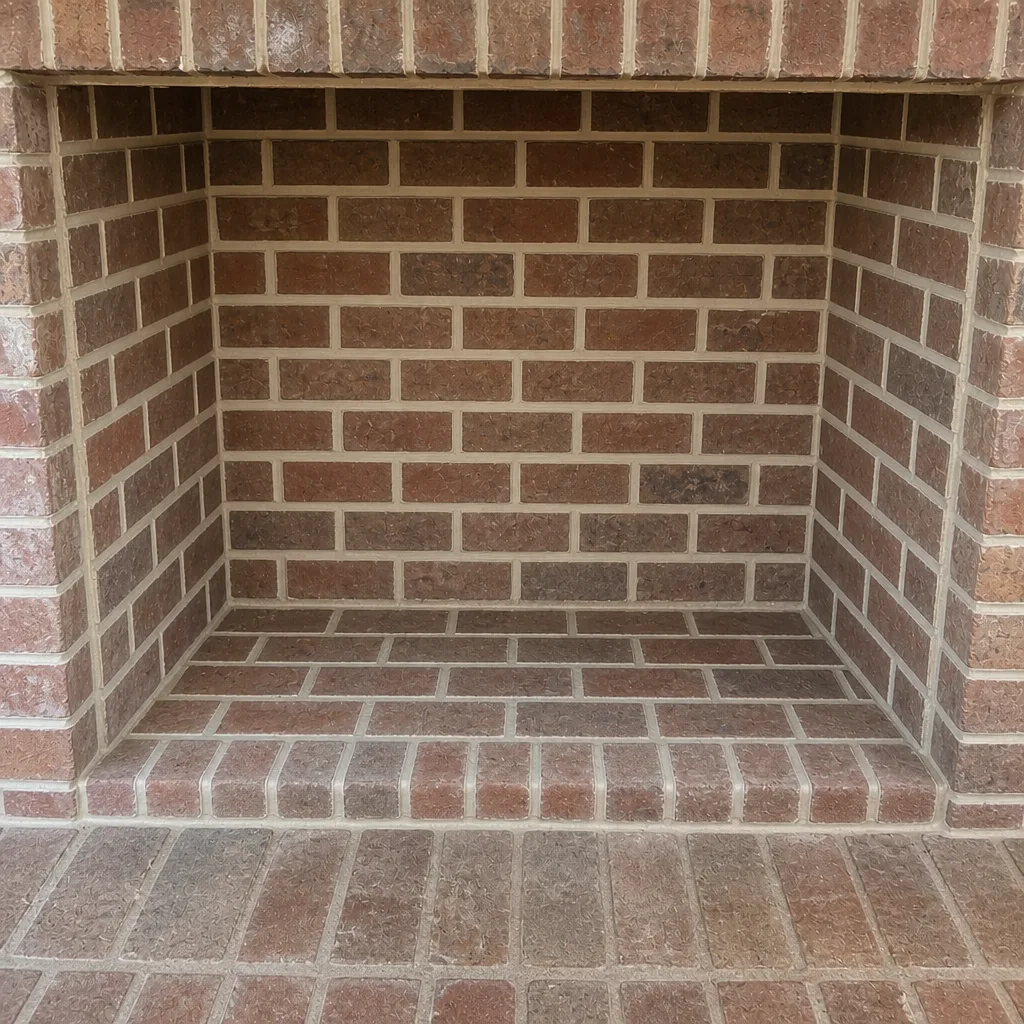 After
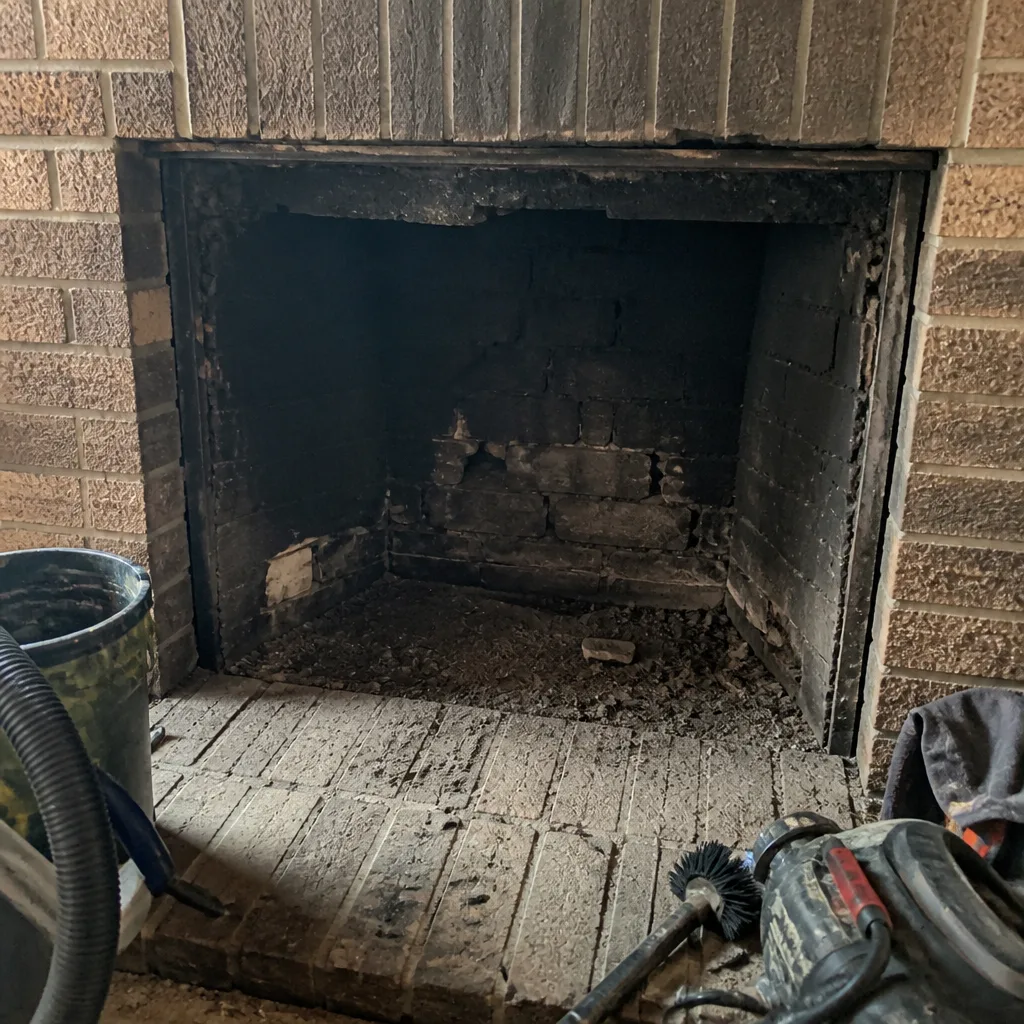 Before
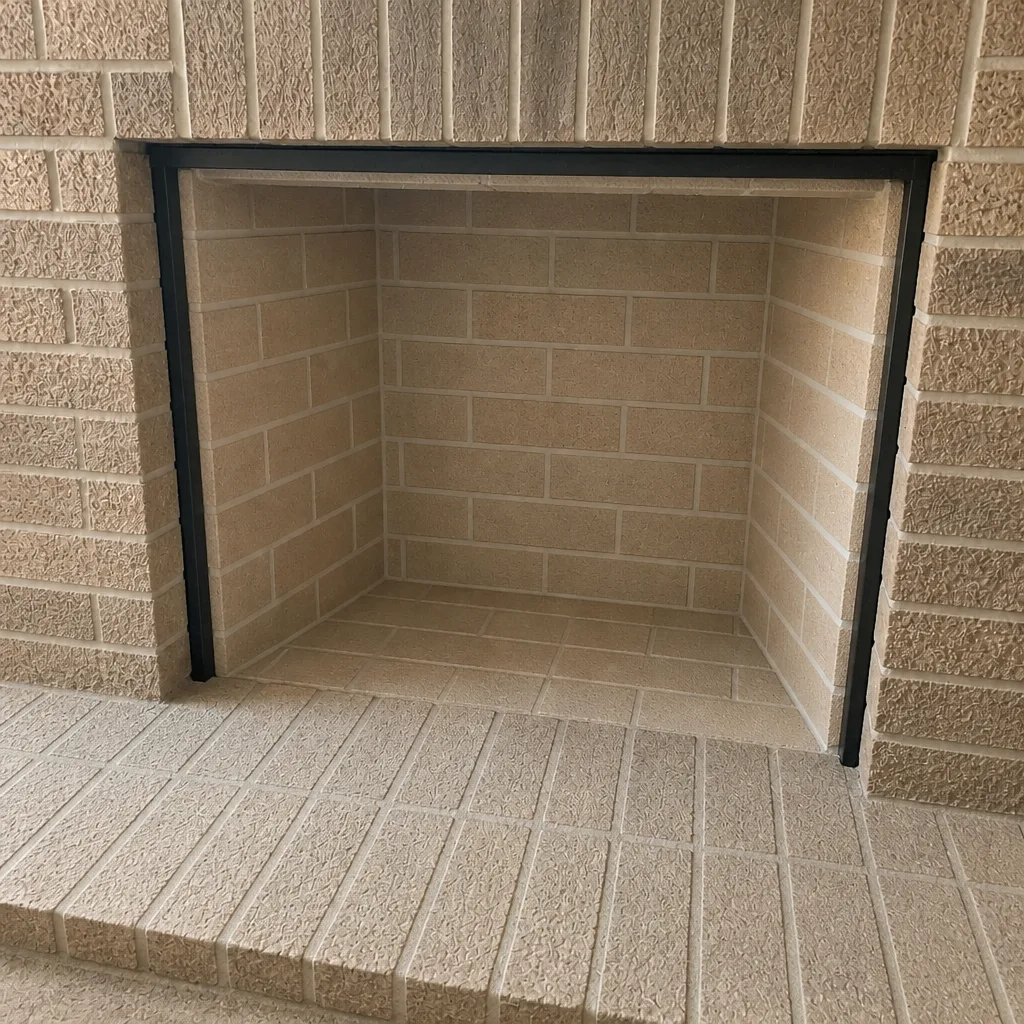 After
When to Call a Professional
Call a professional when the symptom matches a cause you can’t confirm from the ground. That includes smoke coming into the room while the fire burns, smoke smell that lingers after the fire dies down, any white staining alongside crumbling brick or receding mortar, rust on the damper or firebox, and a fire that suddenly becomes hard to light with no change in the wood. It also includes the annual sweep and inspection, which shouldn’t be skipped because the chimney “seems fine.” The height work is genuinely dangerous, and the flue interior is out of reach without a camera, so we recommend a trained specialist handle both.
Chimney Sweep Killeen offers free estimates in Killeen. Call (866) 942-9240 to book a sweep and inspection. We answer 24/7. Fast dispatch from 7am to 7pm, Sunday through Friday.
Frequently Asked Questions
Because cold air is sinking down the flue and pushing smoke smell into the room, usually from negative pressure, an oversized flue, or a damper that doesn’t seal. Sweeping won’t fix it. A smoke test and a flue inspection identify the cause, and the fix depends on what’s found: a properly sized liner, a damper repair, or a cap. Call (866) 942-9240 for an exact quote; estimates are free.
It’s set per job by a written estimate, and the estimate is free. The price depends on the flue length, how much creosote has built up, and whether the chimney is wood-burning or gas. A sweep with a camera inspection is worth booking together because the camera report tells you whether the flue has any structural issues, and we send the photos so you can see what we see. Call (866) 942-9240 for an exact quote; estimates are free.
Only when the camera shows the existing liner is cracked, offset, or structurally failing. If the tile is intact, you don’t need a liner, and a specialist should tell you that. If the tile has eroded but is still structurally present, a HeatShield resurfacing may be the candidate instead of a full relining. We don’t recommend a liner without camera evidence you can look at yourself. Call (866) 942-9240 for an exact quote; estimates are free.
At least once a year, and more often if you burn regularly through the cooler months. Gas fireplaces still need an annual inspection, even though the sweep interval differs from wood. The annual sweep and inspection together catch creosote buildup and liner damage before either becomes a bigger repair. Call (866) 942-9240 for an exact quote; estimates are free.
Creosote builds up in layers that get harder and more dangerous to remove, and a chimney fire can crack the flue liner and spread into the home’s structure. A skipped inspection can also mean a cracked tile or a rusted damper goes unnoticed until it causes a smoke problem or a carbon monoxide risk. The annual sweep is the cheap part of chimney ownership. Call (866) 942-9240 for an exact quote; estimates are free.
Yes. Killeen sits on clay-heavy soil that swells and shrinks with wet and dry cycles, and that foundation movement stresses the chimney. The weakest part of the structure is often the clay tile flue liner, and the stress can open the joints or crack the tile even when the chimney’s exterior looks fine. A camera inspection is how this gets caught before it becomes a safety issue. Call (866) 942-9240 for an exact quote; estimates are free.
The Bottom Line
Most chimney problems in Killeen aren’t fixed by a cleaning, and most aren’t as bad as the homeowner fears. The smoke smell, the white stains, the sticking damper, the fire that won’t light: each one points to a specific cause, and each cause has a specific fix. The camera inspection is what turns a guess into an answer, and the written estimate with photos attached is what lets you verify that the repair is warranted before you pay for it. When the flue is sound, we say so. When it needs resurfacing or relining, we show you why. One visit covers the sweep, the inspection, and the repair plan. A specialist does all three, and that’s the standard we hold on every Killeen job.
Call (866) 942-9240 for a free estimate. We answer 24/7. Fast dispatch from 7am to 7pm, Sunday through Friday.
Written by the team at Chimney Sweep Killeen.