
Last updated November 16, 2026
 Sweep & inspection
 Caps & crowns
 Flue relining
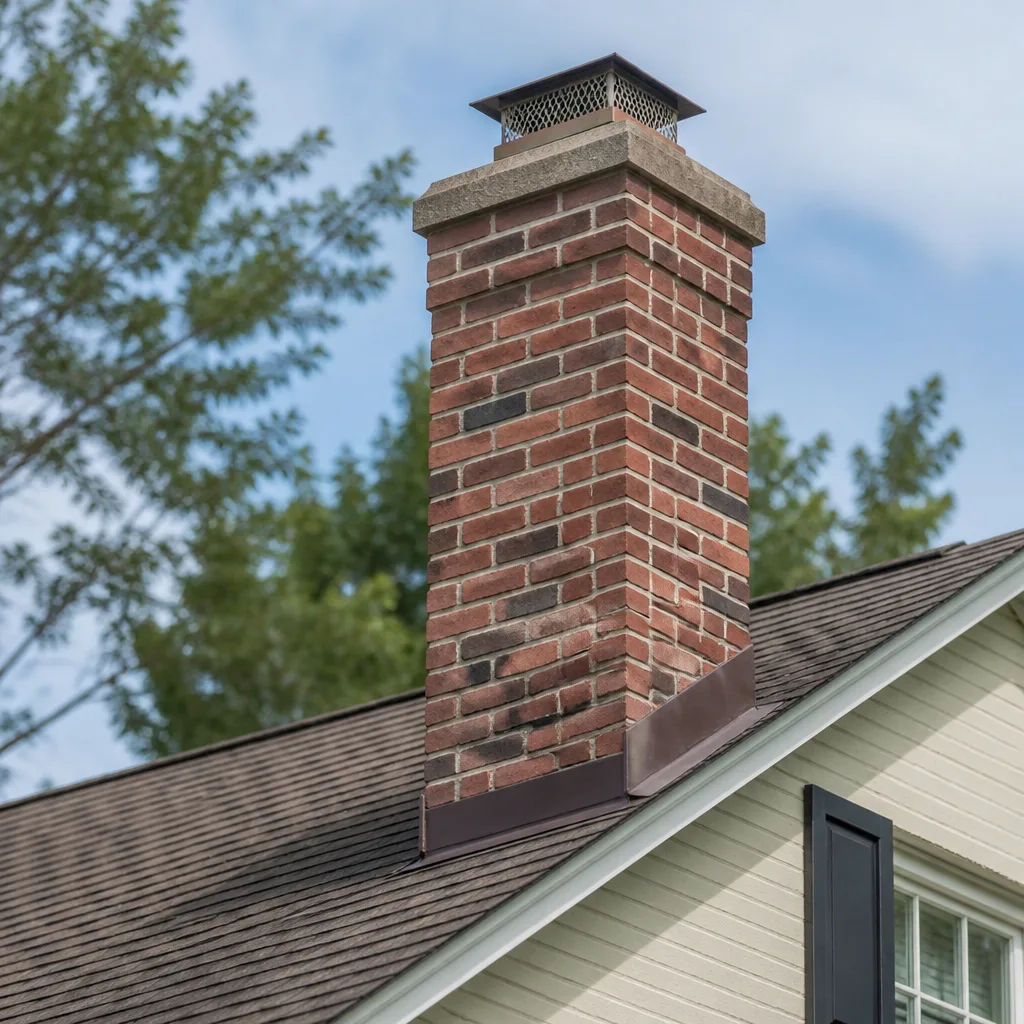 Masonry repair
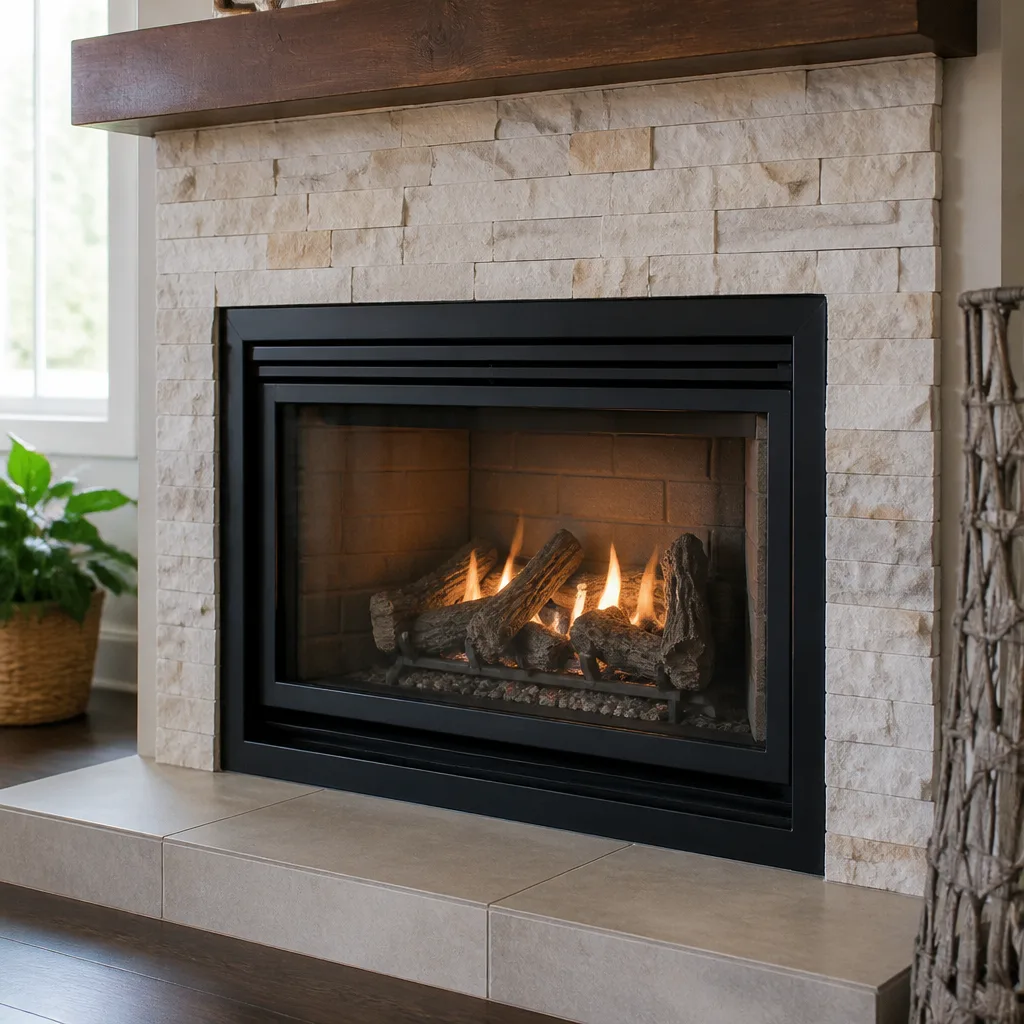 Gas fireplace service
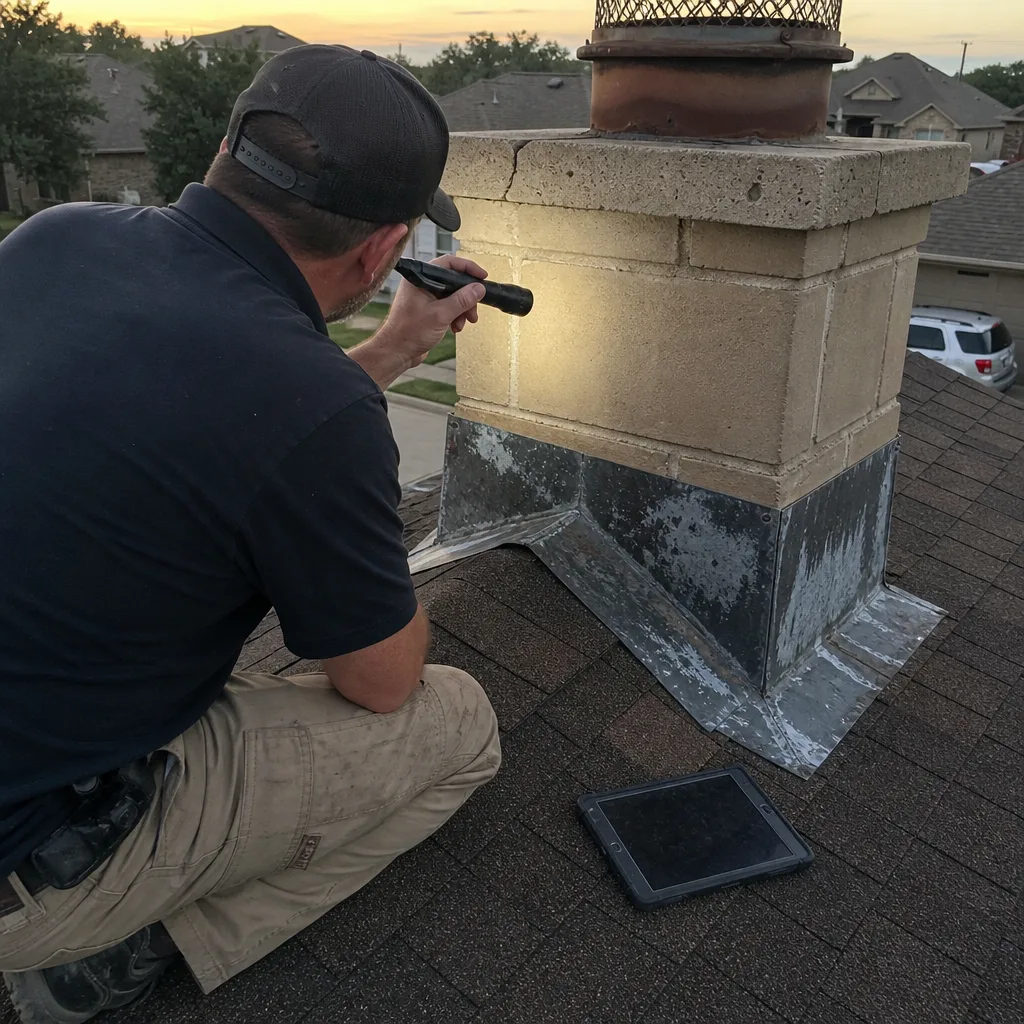
Level 1 sweep and inspection to the NFPA 211 annual standard - flue, crown, cap, and flashing checked and photographed
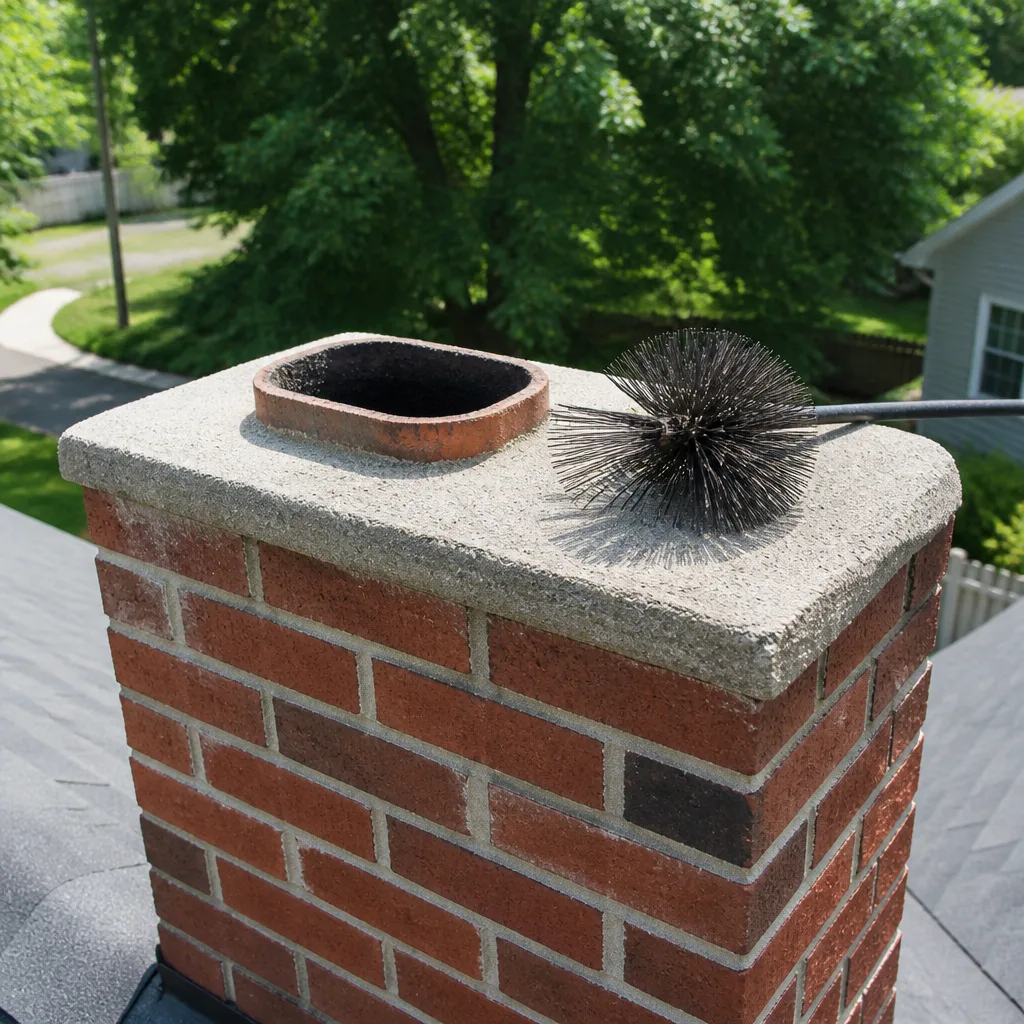
Chimney sweep logs do not sweep chimneys. They loosen some creosote - which then falls where a brush and vacuum still have to collect it.
Chimney Cleaning Warning Signs: A Killeen Homeowner’s Reference Guide
That white chalky bloom on your chimney’s exterior bricks isn’t a stain. It’s efflorescence – minerals pushed out of the masonry by moisture moving through it from the inside. By the time you can read that pattern from the driveway, water has been getting past your crown or liner for a while. The signs homeowners watch for – smoke rolling back into the room, a visible crack in the firebox – are late-stage signals. The problem was developing long before that. This guide covers the early indicators you can actually read from the ground, from the firebox, and from the smell of the chimney itself, so you can catch damage in Killeen before it compounds.
Quick Answer
The early warning signs of a chimney that needs cleaning or repair are efflorescence (white mineral staining) on exterior brick, spalling brick faces, recessed mortar joints, rust streaks below the cap, a musty or acrid smell, sluggish draft, and white haze or pitting inside the firebox. Any of these means it’s time for a proper inspection. Heavy smoke backup, a strong chemical smell while burning, or visible firebox cracks mean stop using the fireplace until a specialist evaluates it.
Styles & brands we work with
- Sweep & inspection
- Caps & crowns
- Flue relining
- Masonry repair
- Gas fireplace service
Table of Contents
- Warning Signs You Can Read From Ground Level
- What Your Nose Tells You Before Your Eyes Do
- Draft Changes: Blockage vs. Pressure Problems
- Interior Firebox Indicators Most Homeowners Miss
- Stop Use Now vs. Schedule Within 30 Days
- The Three Creosote Stages and What Each One Means
- The Right Time to Book in Killeen
- Common Mistakes to Avoid
- When to Call a Professional
- Frequently Asked Questions
Warning Signs You Can Read From Ground Level
Most of the damage inside a chimney telegraphs itself on the outside first. You don’t need a ladder or a camera to catch the early stages – you need to know what you’re looking at. Walk to the side of the house where the chimney rises and read the brickwork slowly.
Efflorescence appears as a white, powdery or crystalline deposit on brick faces and mortar. It’s not a cosmetic problem. Water is migrating through the masonry from the inside out, and as it evaporates at the surface it leaves dissolved salts behind. In a chimney, that moisture usually traces back to a failed crown, cracked mortar, or a compromised liner that’s letting water through. Efflorescence alone doesn’t tell you which – it tells you something is leaking.
Spalling brick faces are the next stage. As moisture moves through brick and evaporates repeatedly, the surface layers flake, peel, or pop off. You’ll find brick fragments on the roof or ground below. Spalling means the brick has been cycling wet and dry long enough to lose structural integrity at the face.
Mortar joint recession looks like the mortar between bricks has pulled back, leaving the brick edges proud. Rain and wind-driven moisture erode the mortar over time, and when joints recede past roughly a quarter inch you’re looking at a repointing job before water intrusion gets worse.
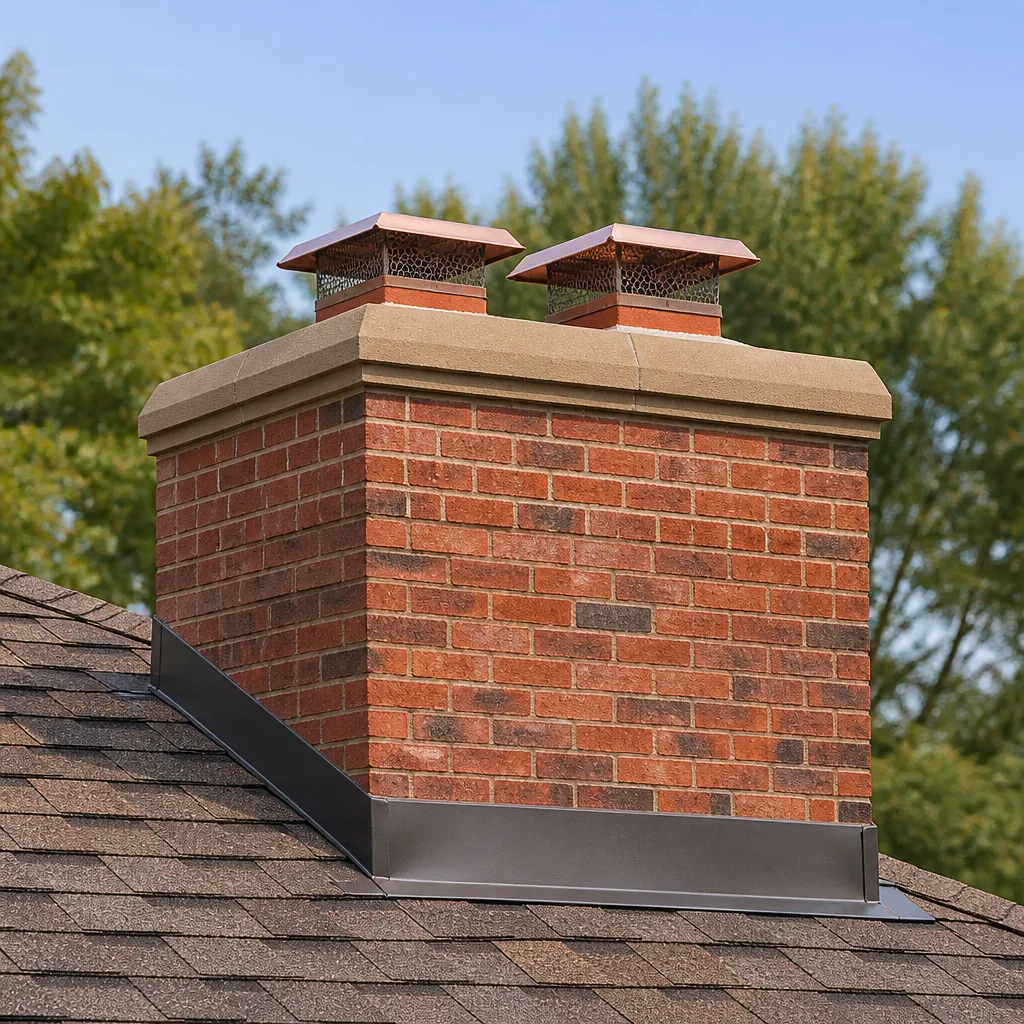
Rust streaks below the cap are the least obvious of the four and often the most telling. A rust line running down the exterior below the cap or chase cover means water is pooling where it shouldn’t – usually because the cap has failed or the chase cover has cracked. Once water is pooling near the top, it’s finding its way into the flue.
We see all four patterns regularly on Killeen chimneys, partly because the region’s warm-season storms can drive rain sideways into masonry against prevailing summer wind. That’s the mechanism to watch here – not snow or ice, but heavy summer rain hitting the wrong side of a chimney crown that’s already tired.
What Your Nose Tells You Before Your Eyes Do
Smell is the most underused diagnostic homeowners have. A chimney is a vent, and the smell that drifts out of it when it’s cold and not burning tells you what’s accumulated inside. The three distinct odors below point to three different problems.
- Musty, damp, or earthy odor: Moisture intrusion. Water has gotten into the masonry or flue, and the smell is what wet brick, mortar, and rusting metal produce. Pair this with efflorescence on the exterior and you have confirmation.
- Acrid, tar-like smell: Creosote at stage two or three. Stage one creosote is a light soot flake; stage two is a glossy, hardened deposit; stage three is a glazed, tar-like coating that’s the most combustible. The smell sharpens as the deposit thickens.
- Burning plastic or chemical odor, especially in warm weather: Animal nesting debris. Birds, squirrels, and raccoons build in flues, and what they leave behind (nest material, droppings, carcasses) produces a smell that’s nothing like wood smoke. If the odor appears in spring or summer with no fire burning, this is the most likely cause.
Your nose will sometimes pick up on something before smoke does. A smell that wasn’t there last season is a service call, not a wait-and-see. We’ve seen the acrid creosote smell treated as a passing nuisance when it’s actually the flue telling you it’s overdue for a sweep – which our chimney sweep service resolves in a single visit with a camera inspection included.
Draft Changes: Blockage vs. Pressure Problems
“The fireplace doesn’t draw as well as it used to” is one of the most common calls we get, and the fix depends almost entirely on which of two problems you’re actually facing. The symptoms feel similar but the diagnosis is different.
Blockage means the flue is physically obstructed. Debris, a bird nest, a fallen cap, or heavy stage three creosote is choking the flow. Signs of a blockage include:
- Smoke rolling back into the room when you first light a fire, even before the flue is warm
- A fire that lights, then dies or smolders instead of catching cleanly
- Visible debris or an animal sound inside the flue
- Draft that suddenly changed overnight or after a storm
Pressure problems are about the house, not the flue. Modern homes are tight, exhaust fans pull negative pressure, and a flue that’s sized slightly too short for the firebox can lose draft on certain days. Signs include:
- Draft is fine most of the time, poor on windy days or when the kitchen fan runs
- The fireplace smokes on start-up but settles once the fire is hot
- A gas water heater or furnace flue competing with the fireplace for air
Distinguishing the two matters because one needs a sweep and the other might need a cap adjustment, a liner upgrade, or air-pressure fixes. A camera inspection is how you tell them apart. Our chimney repair team starts every draft complaint with a camera scan for this reason.
Interior Firebox Indicators Most Homeowners Miss
The firebox is where early damage shows most clearly, and where homeowners look least often. Before you light the first fire of the season, look inside the firebox with a flashlight and check four things.
- White haze on firebox walls. Not efflorescence this time – inside the firebox, that pale haze is usually a sign that water has been tracking through the smoke chamber or that the firebox refractory has been weakened. It often appears with no visible crack yet.
- Pitting on the smoke shelf. The smoke shelf sits at the base of the damper. Pitting, small holes, or rough texture on its surface suggests acidic condensate has been eating at the metal – often because the flue cools too fast during long, slow burns.
- Damper corrosion. The damper should open and close smoothly. Seized or rusted dampers usually mean moisture has been sitting in the smoke chamber. A damper that doesn’t fully open is a firebox draft problem even when the flue is clean.
- Cracked or missing mortar in the firebox joints. Hairline cracks in the firebrick mortar widen into real gaps fast. Any gap that lets the tip of a flathead screwdriver enter is a stop-use condition.
When we find deteriorated flue tiles during an inspection, HeatShield resurfacing is often the right answer – it restores the flue lining without knocking out and replacing the entire tile system. That’s a repair generalists typically don’t offer, and it’s one of the reasons we stock HeatShield specifically. If the tile damage is too deep for resurfacing, DuraFlex flexible liner systems are the next step for full relining.
Stop Use Now vs. Schedule Within 30 Days
Not every warning sign means the same emergency. The table below splits the signs we see in Killeen into two categories: stop use immediately, and schedule a service call within 30 days.
Stop use immediately if you see or smell:
- Heavy smoke rolling back into the room on start-up
- A strong chemical or burning-plastic smell while a fire is burning
- Visible cracks in the firebox brick or mortar
- Visible gaps where smoke chamber meets damper
- Any suspicion of a creosote chimney fire (a roar like a freight train, glowing flue, or puffs of black smoke from the top)
- Carbon monoxide detector going off
Schedule within 30 days if you see or smell:
- Efflorescence, spalling brick, or recessed mortar on the exterior
- Rust streaks below the cap
- A musty odor when the chimney is cold
- Minor draft sluggishness on start-up but a fire that settles after a few minutes
- White haze on firebox walls without visible cracks
- A damper that’s stiff but still operates
The stop-use list reflects fire and carbon-monoxide risk. The 30-day list reflects water intrusion and performance inefficiency – real problems, but ones that have some runway before they compound into a rebuild. If you’re unsure which list applies to what you’re seeing, a free estimate settles it. Call (866) 942-9240 and describe what you see and smell, and we’ll tell you which is the safer read.
The Three Creosote Stages and What Each One Means
Creosote is the residue left behind when wood smoke condenses on a cool flue. It builds in three stages, and each stage calls for a different response.
Stage one: soot and flake. A light, dusty coating of soot. Usually removed with a standard sweep and brush. No immediate risk beyond the normal annual sweep cadence. If you have stage one and nothing else, the chimney is doing its job.
Stage two: hardened, glossy deposits. The creosote has bonded to the flue surface and feels like a hard, shiny coating. Standard brushes don’t remove it – it takes rotary tools and chemical sweeps. Stage two creosote is combustible, and stage two buildup is when draft problems start appearing. This is the stage most calls we get are sitting on, whether or not the homeowner knows it.
Stage three: glazed, tar-like coating. The most combustible and the hardest to remove. Stage three creosote looks like thick, black, glossy tar and can run down the flue. It’s the primary fuel for chimney fires. If you’re seeing stage three during an inspection, stop using the fireplace until the flue is fully cleaned.
Two habits drive creosote buildup: burning unseasoned wood and burning low and slow. Wet wood produces more smoke; cool flues condense more of it on the walls. In the Killeen area, where we get stretches of mild weather between cold snaps, fires often get built small and damped down for long evenings – which is exactly how stage two gets a foothold. Olympia Chimney and Gelco chimney liners we install are rated for the flue temperatures stage three creosote can produce, but the liner being rated for it doesn’t remove the creosote. Sweeping does.
The Right Time to Book in Killeen
The best window to book a sweep is before the first fire of the season, not after the first smoky evening. In Killeen, that means late summer through early autumn – before the switch flips from cooling to heating and the first cool evening has everyone reaching for a lighter. Chimneys serviced before the season have time to dry after rain-driven exposure, and any repair gets scheduled without the pressure of an active fire.
Booking in the off-season also gives you options. A summer inspection that finds a cracked crown or recessed mortar lets us schedule the repointing and cap work while there’s no fire to worry about. A first-cold-week inspection that finds the same thing forces a stop-use conversation that could have been avoided.
The actual cadence depends on use. A chimney with a wood fire several times a week through winter needs an annual sweep. A gas fireplace is different – gas produces little creosote, but the flue still needs an inspection for venting problems and for animal nesting in the warm months. Lightly used chimneys sometimes run on a two-year cadence after a clean inspection, but that call is best made after the inspection, not before. Chimney Sweep Killeen books sweeps and inspections for Killeen and the surrounding area; a good sweep includes a camera inspection and a photo report you can look at yourself.
Common Mistakes to Avoid
These are the patterns we see most often when we evaluate a chimney that’s behind on service.
- Treating efflorescence as a cosmetic issue and repainting over it. Paint traps the moisture inside the brick instead of letting it evaporate, and spalling accelerates. The stain is a symptom; the fix is finding the water source.
- Waiting for smoke backup to call. Smoke backing into the room means the flue is already blocked or compromised. Efflorescence, spalling, and the musty smell appear months earlier and give you far more options.
- Burning wet or “seasoned-in-name-only” wood because it’s what’s stacked in the yard. Wet wood produces more creosote and lowers flue temperatures, which is exactly the condition that drives stage two buildup. If the wood sizzles when it burns, it’s too wet.
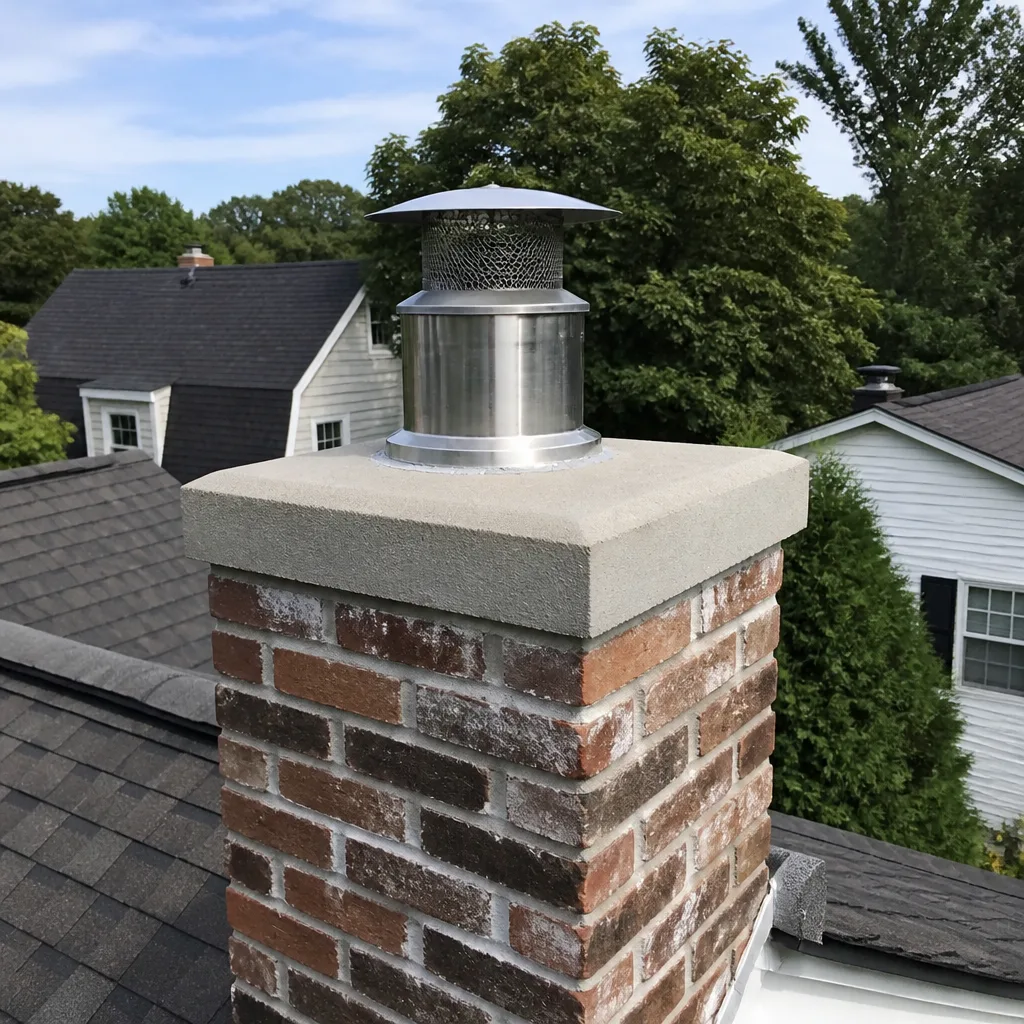
- Leaving the cap off after a repair, or never checking it at all. An uncapped flue is an open door for birds, squirrels, and rain. In Killeen we see animal nesting debris every warm season, and it’s a leading cause of the burning-plastic smell homeowners mistake for something electrical.
- Running a gas log set without the damper blocked open. If you have gas logs, the damper must be clipped or blocked to prevent it closing – a closed damper on a gas fire is a carbon-monoxide hazard. Check it each season.
- Trusting a visual look-from-the-couch inspection. Flue tiles and the smoke chamber aren’t visible from the firebox. Only a camera scan picks up cracked tiles, separation, and internal creosote buildup. The photo report is the whole point.
- Getting a sweep from someone whose day job is something else. A chimney is its own trade. Generalists miss flue-tile damage, misdiagnose draft as “just needs sweeping,” and can’t offer HeatShield resurfacing or DuraFlex relining when it’s actually needed.
When to Call a Professional
Any sign on the stop-use list is a call today, not a call next month. That means smoke rolling back, visible firebox cracks, a chemical smell while burning, a chimney-fire sound, or a carbon monoxide alarm. For the 30-day list – efflorescence, spalling brick, musty odor, sluggish draft, rust streaks, white haze in the firebox – a call this week is the right move, but the fireplace can wait for the inspection before you light another fire.
There’s a third category that matters: any chimney you haven’t had inspected in over a year, or any chimney in a house you just bought. You can’t judge what you can’t see, and a first inspection sets the baseline that every future inspection is measured against. Chimney Sweep Killeen offers free estimates in Killeen – call (866) 942-9240 and describe what you’re seeing or smelling. We’ll tell you which list you’re on before we come out, and we’ll tell you plainly when work can safely wait.
Frequently Asked Questions
A chimney sweep in Killeen is priced per job by a free written estimate that’s set after we see the chimney, not before. We don’t quote over the phone because a stage one sweep and a stage two chemical sweep are different jobs. The estimate is free, and the price in writing is the price you pay. Call (866) 942-9240 for an exact quote.
Efflorescence means water is moving through the masonry and pushing dissolved salts to the surface as it evaporates. On a chimney, that water is getting in past the crown, the mortar, or the liner. It’s not cosmetic and it isn’t something to paint over – the water source needs to be found and closed off. A camera inspection locates where the intrusion is coming from.
Only if the inspection actually shows liner damage – cracked flue tiles, separation, or a liner that’s failed and is letting creosote through to the surrounding structure. Many chimneys that look like they need a full reline can be restored with HeatShield resurfacing instead, which is why we stock it. Nothing gets recommended without camera evidence you can look at in the photo report. Call (866) 942-9240 for an exact quote.
Once a year if you burn wood regularly through the season, and once a year as an inspection even if you burn gas. Lightly used wood chimneys sometimes run on a two-year cadence after a clean inspection shows nothing developing, but that call is made from an inspection, not from how often you used it. Book before the season, not after the first smoky evening.
A musty smell means moisture has gotten into the masonry or flue. The smell is the combination of damp brick, damp mortar, and rusting metal inside the chimney. It usually shows up alongside efflorescence on the exterior. The fix is finding the water source – often a failed crown or cracked chase cover – and sealing it. Call (866) 942-9240 to schedule an inspection.
The damage compounds. Stage one creosote that a sweep removes in an hour becomes stage two or three over a season or two, and stage three is the fuel for a chimney fire. Efflorescence becomes spalling, then recessed mortar, then a repointing job. Small flue tile cracks widen into gaps that need resurfacing or relining. The fire and carbon monoxide risks are real and they’re the reason to act – but the cost conversation is different when you catch a sign early.
A chimney fire typically sounds like a low roar, sometimes described as a distant train, and can send puffs of black smoke from the top of the chimney. A smoky fireplace has smoke backing up into the room at start-up with no roar or unusual smoke from the flue top. If you hear the roar or see unusual smoke from the top, get everyone out and call the fire department, then schedule an inspection before using the fireplace again.
Only if your signs are on the 30-day list and nothing on the stop-use list applies. If you see smoke backing up, cracks in the firebox, a chemical smell while burning, or a carbon monoxide alarm, stop use immediately. If it’s efflorescence, spalling brick, or a musty smell, you can light a fire while you wait to schedule – but we’d schedule sooner rather than later. Call (866) 942-9240 for an exact quote and a sanity check on what you’re seeing.
The Bottom Line
The early signs are readable from the driveway, the firebox, and your own nose – efflorescence, spalling brick, recessed mortar, rust streaks, musty or acrid smells, sluggish draft, white haze on firebox walls, pitting on the smoke shelf, and a stiff damper. Smoke backup and visible cracks are late-stage; the warning signs show up months before those. If your signs are on the 30-day list, book an inspection. If they’re on the stop-use list, stop now and call. Chimney Sweep Killeen handles sweeping, repair, and inspection under one roof, with a camera scan and photo report on every job so you see exactly what we see. Call (866) 942-9240 for a free estimate. We answer 24/7. Fast dispatch from 7am to 7pm, Sunday through Friday. Our technicians have up to 11 years of experience.
Written by the team at Chimney Sweep Killeen.
See the difference
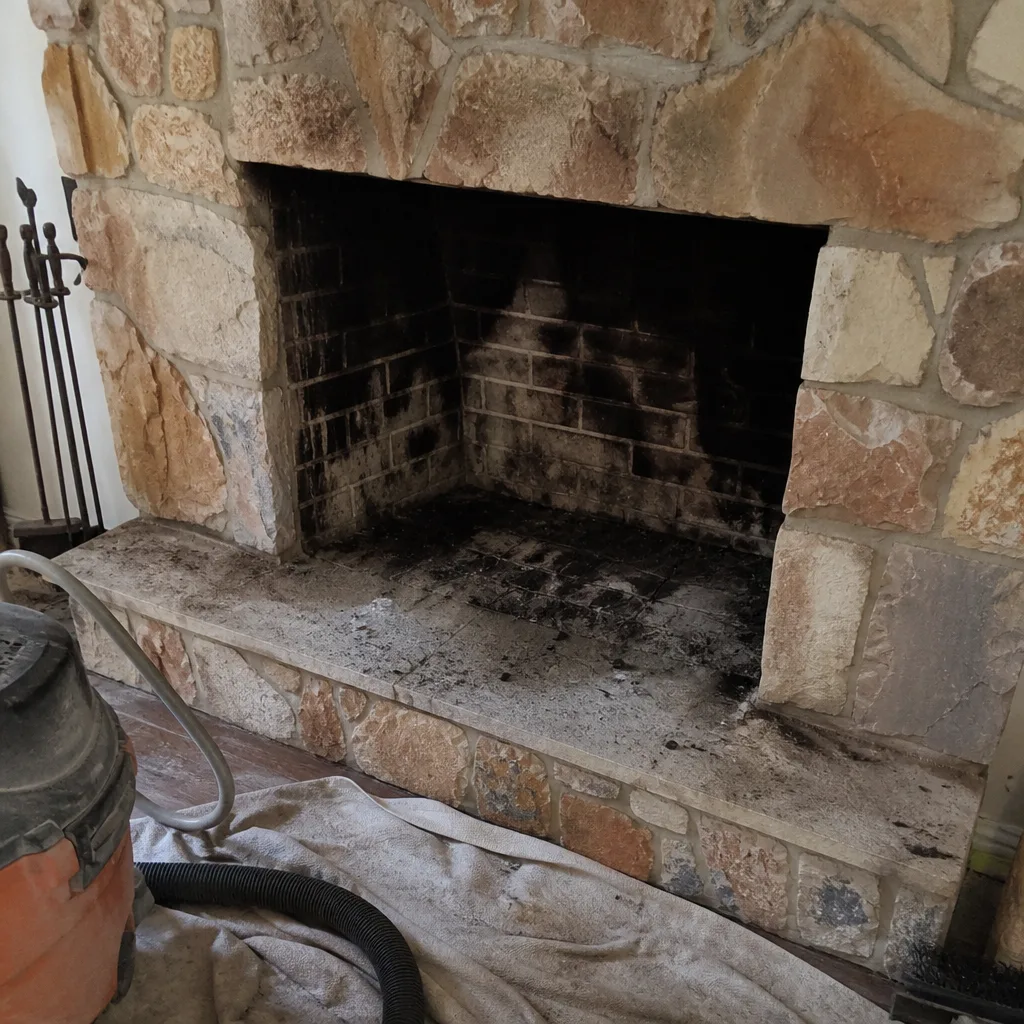 Before
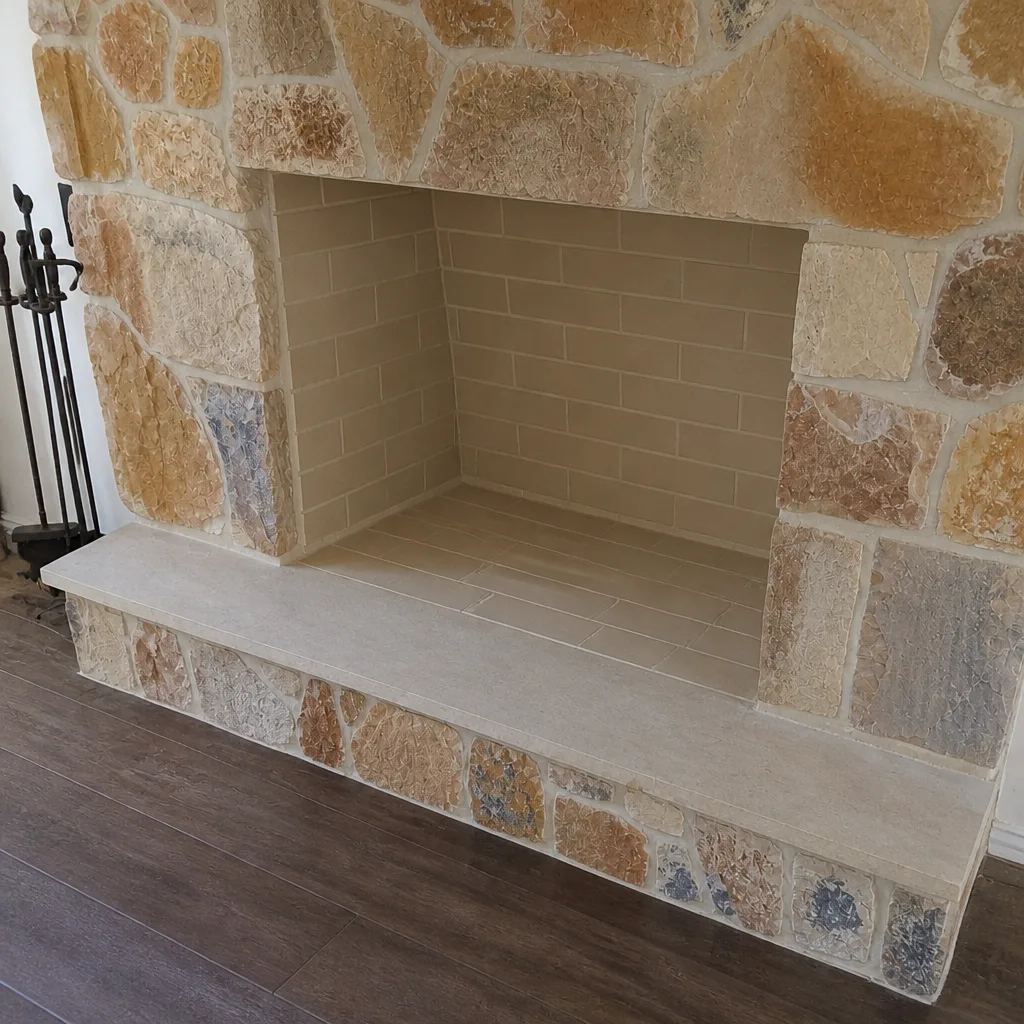 After
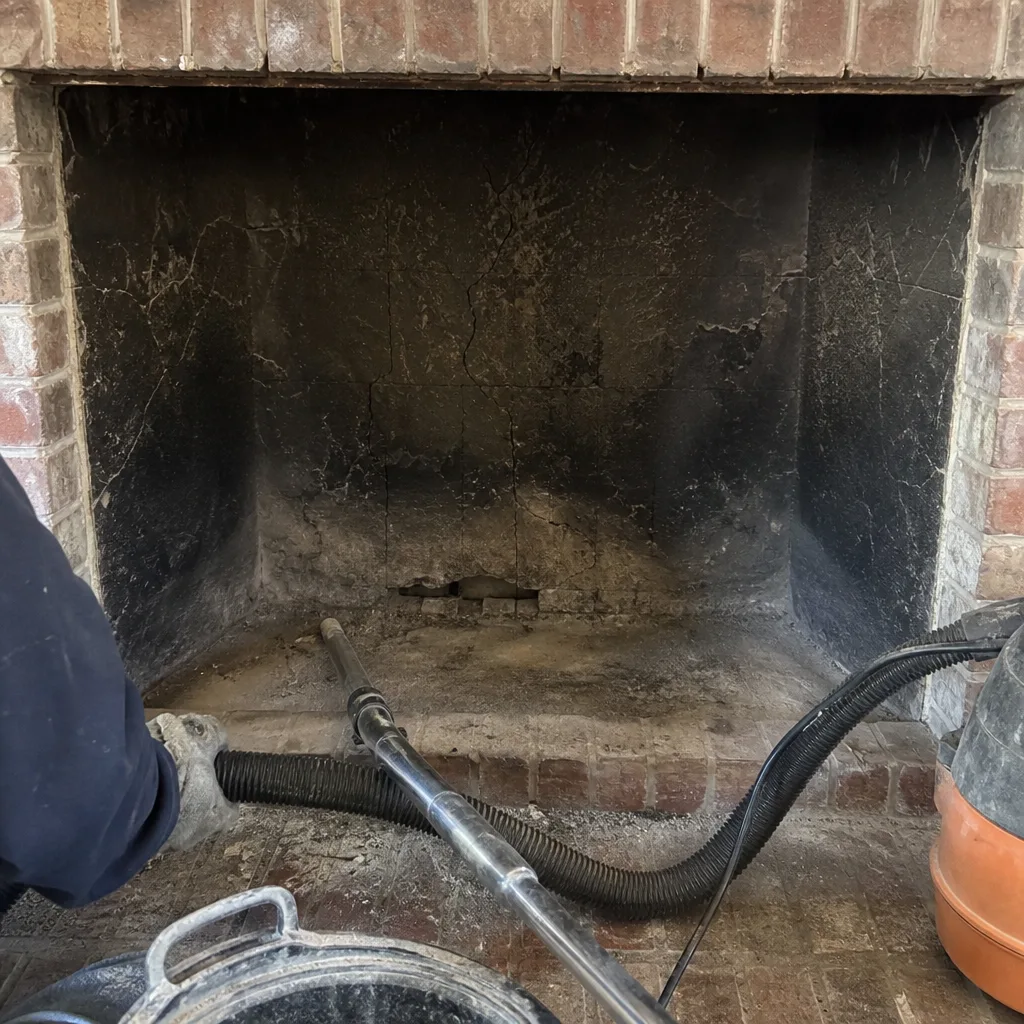 Before
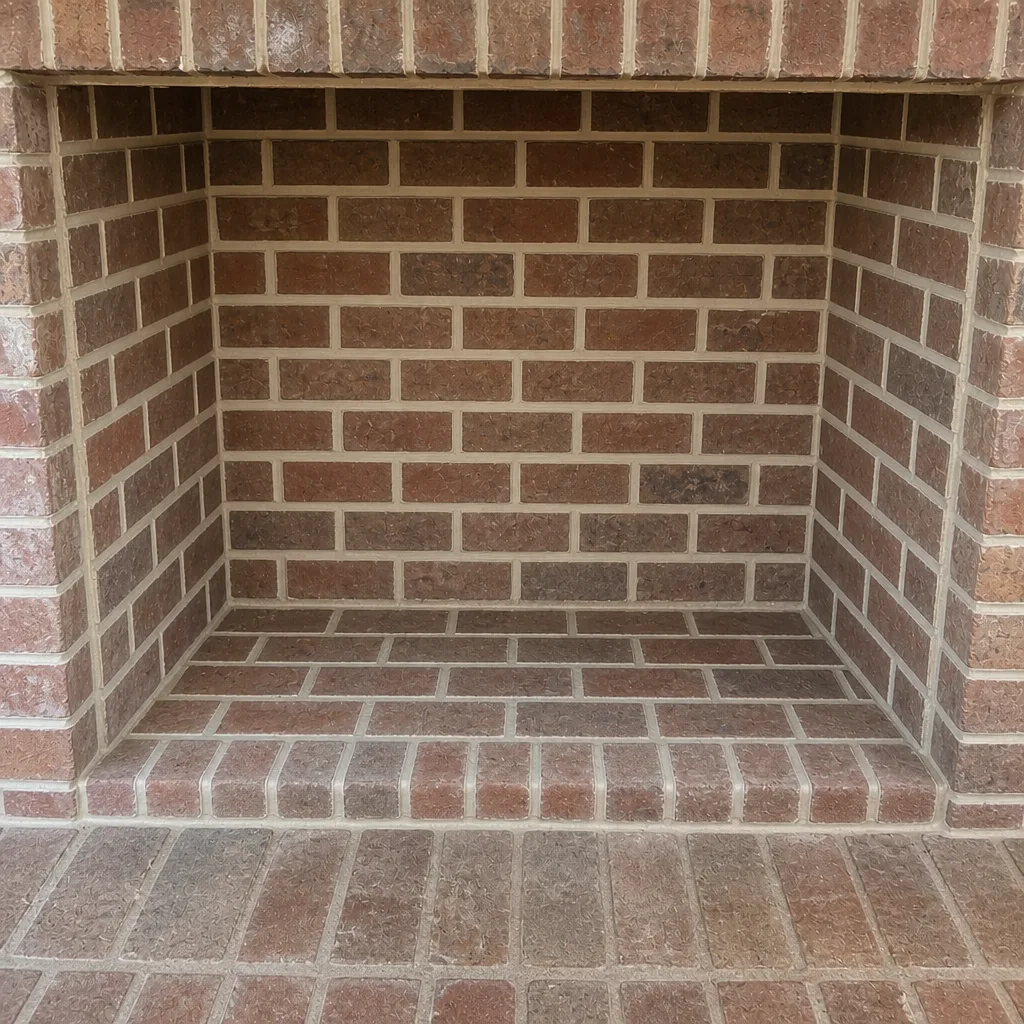 After
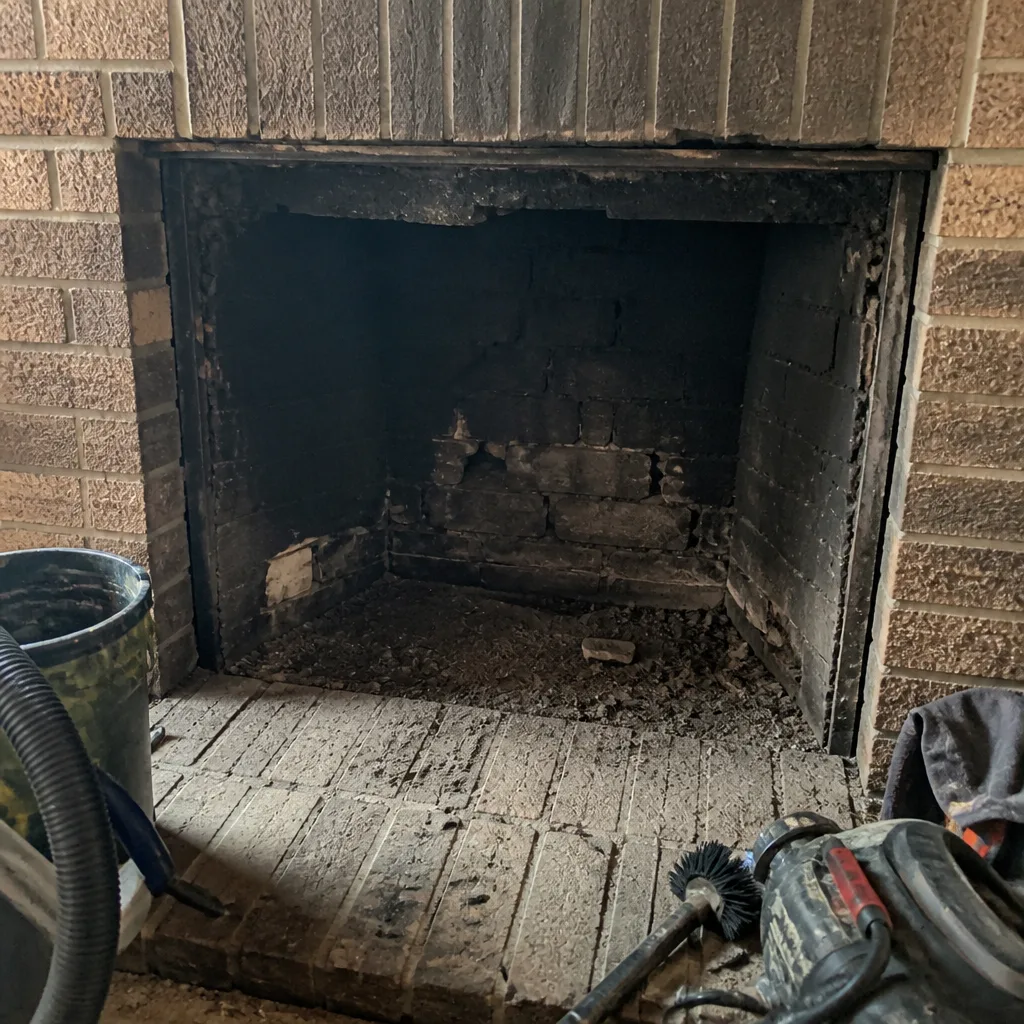 Before
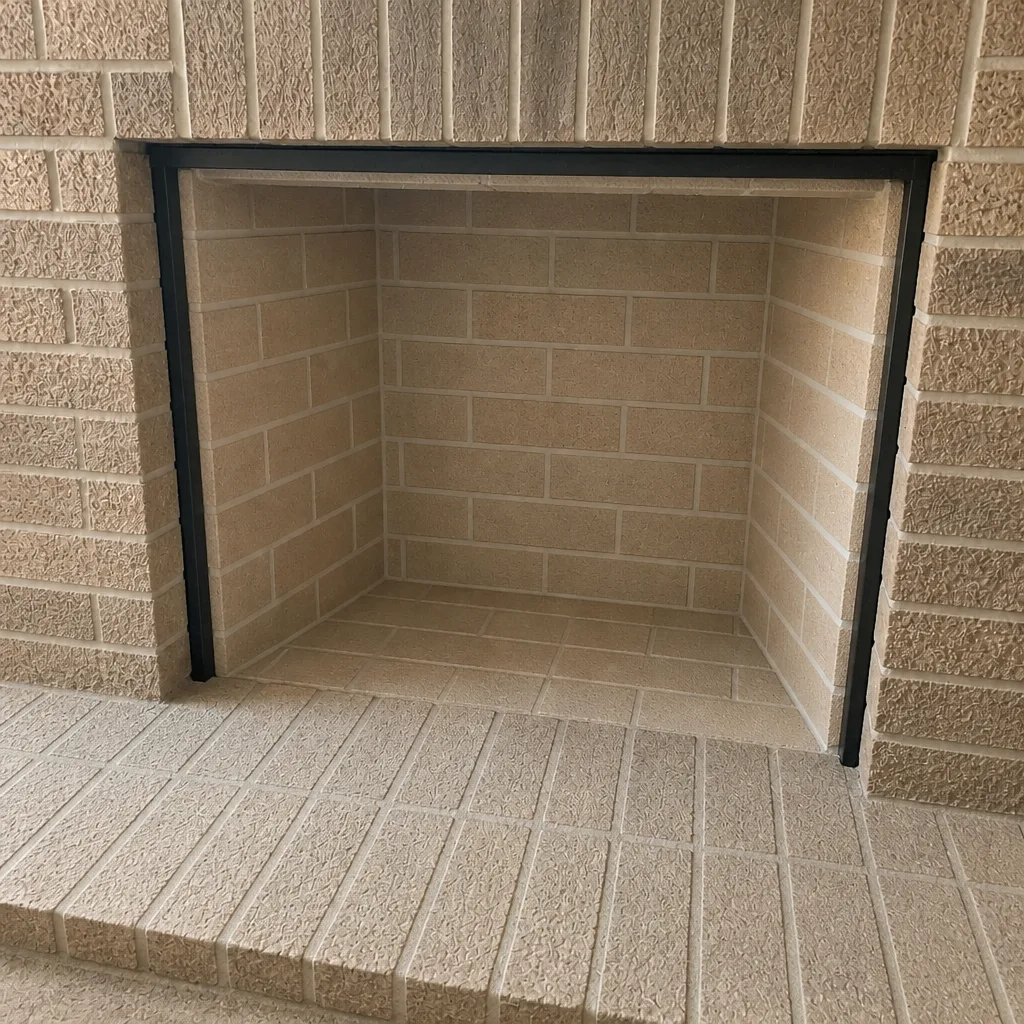 After