
Last updated November 16, 2026
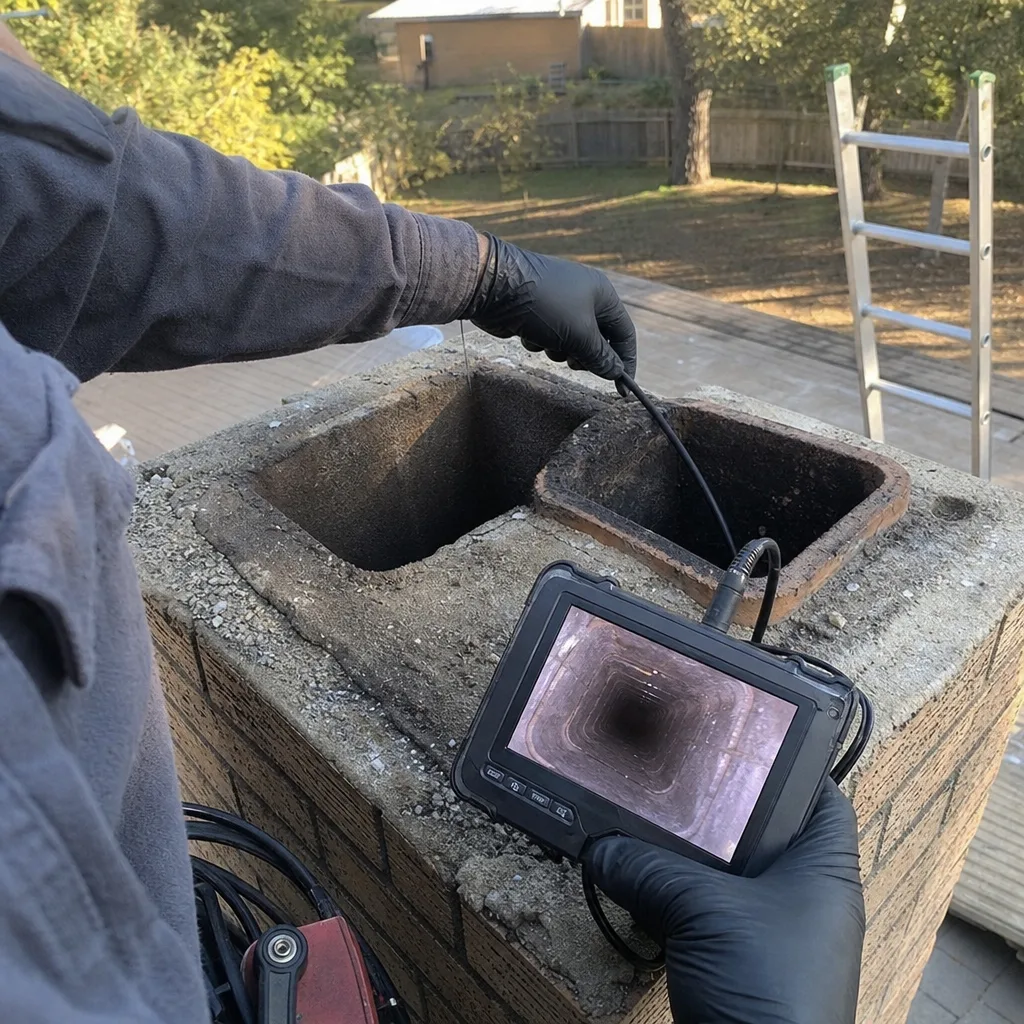
 Sweep & inspection
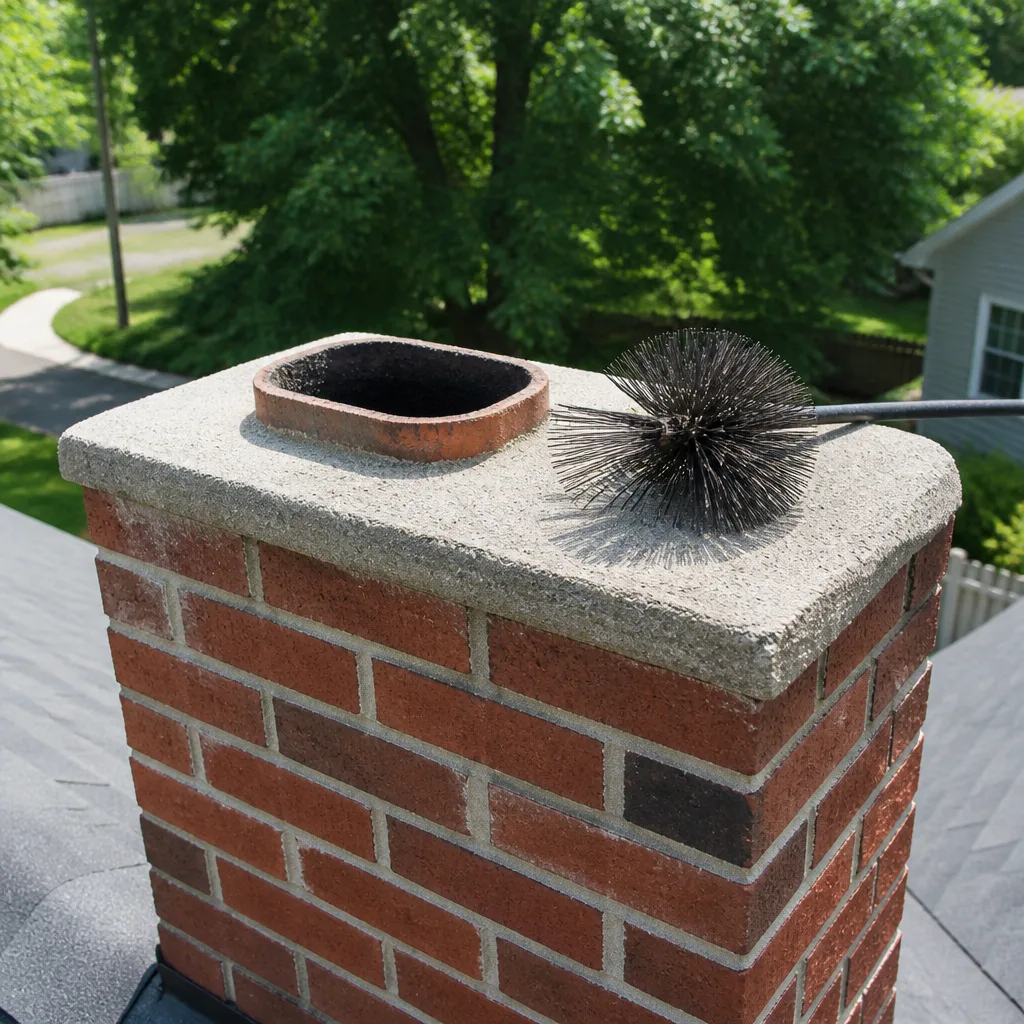
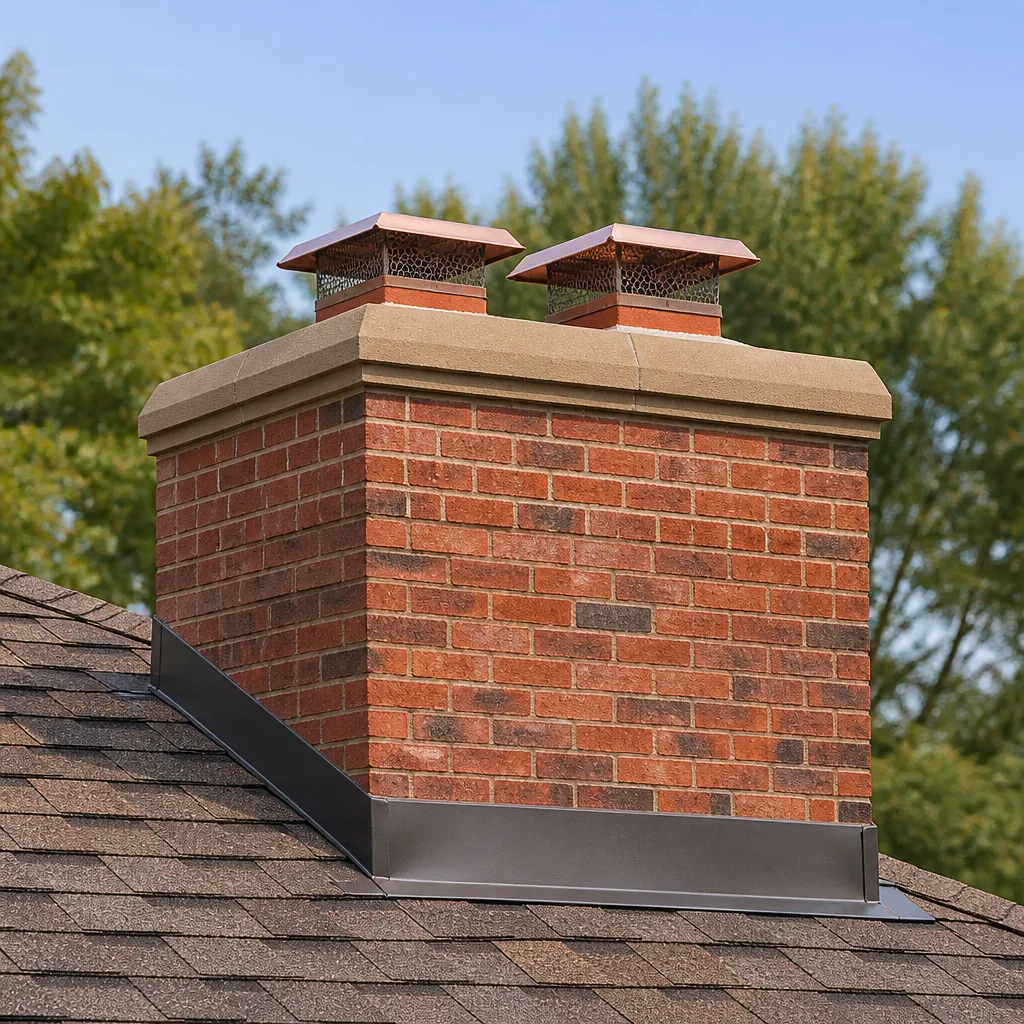 Caps & crowns
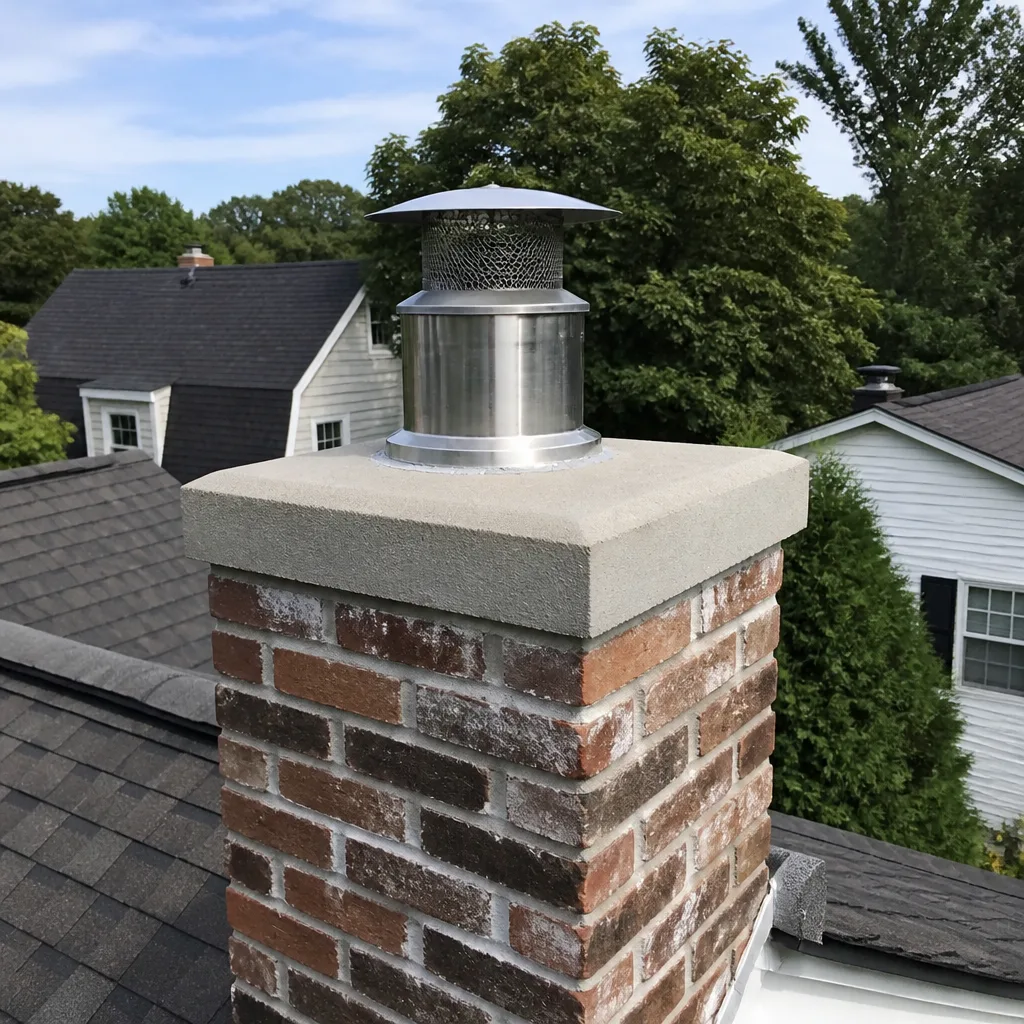 Flue relining
 Masonry repair
 Gas fireplace service
Level 1 sweep and inspection to the NFPA 211 annual standard - flue, crown, cap, and flashing checked and photographed
Chimney sweep logs do not sweep chimneys. They loosen some creosote - which then falls where a brush and vacuum still have to collect it.
Chimney Cleaning Permits, Codes & Inspections in Killeen, TX: What You Need to Know
Most homeowners assume chimney work lives outside the permit system entirely. A routine sweep doesn’t touch it, and that’s true – a standard cleaning is maintenance, not construction. But the moment a job crosses into relining, crown reconstruction, firebox rebuilding, or damper replacement, Texas mechanical and building codes activate, and an unpermitted alteration can complicate a homeowner’s insurance coverage at the worst possible moment. A HeatShield resurfacing job or a stainless liner installation is a mechanical alteration under Texas code, not a cleaning. This guide draws a clear line between what’s maintenance and what’s regulated, explains how permitting works in Killeen, and shows what a passing inspection on a liner system actually requires.
Quick Answer
A standard chimney sweep in Killeen, TX does not require a permit – it’s routine maintenance. Chimney liner replacement, relining, crown reconstruction, firebox rebuilding, and damper replacement are structural or mechanical alterations that typically require a permit and inspection under the International Mechanical Code and International Residential Code as adopted by Texas localities. Inspections should follow NFPA 211, the standard Texas insurers and fire marshals reference when evaluating a chimney system.
Styles & brands we work with
- Sweep & inspection
- Caps & crowns
- Flue relining
- Masonry repair
- Gas fireplace service
Table of Contents
- Where the Permit Line Falls: Maintenance vs. Regulated Work
- Texas Codes That Govern Chimney Work
- How the Killeen Permit Process Works for Liner Replacement
- NFPA 211: The Standard Your Insurer Actually Reads
- The Four Work Types That Cross Into Regulated Alteration
- What “Passing Inspection” Really Means for a Liner System
- Documentation Homeowners Should Keep
- Common Mistakes to Avoid
Where the Permit Line Falls: Maintenance vs. Regulated Work
The distinction between maintenance and alteration is where most confusion starts, and it’s the single most useful thing to understand before you hire anyone for chimney work in Killeen. Maintenance keeps a system in the condition it was built. Alteration changes the system itself – the flue, the firebox, the crown, the damper assembly. The first is exempt from permitting almost everywhere. The second is not.
A sweep removes creosote, soot, and debris from a flue that already exists in a configuration the original builder installed. No materials are added. No component is replaced. Nothing about the chimney’s mechanical properties changes. That’s why chimney sweep work is treated as homeowner maintenance, similar to changing a furnace filter or clearing a gutter.
Once the work involves cutting, installing, rebuilding, or replacing a component of the venting system, the scope shifts. A stainless liner installation changes the flue’s interior dimensions and material rating. A firebox rebuild restores refractory masonry, which is load-bearing and heat-rated. A crown reconstruction affects water shedding at the top of the chimney, which is structural. A damper replacement changes the mechanical function of the flue.
Here’s the practical rule we give homeowners:
- Maintenance (no permit): sweeping, creosote removal, cap cleaning, visual inspection, minor mortar touch-ups on the exterior.
- Regulated alteration (permit typically required): liner installation or relining, firebox rebuilding, crown reconstruction, damper replacement, flue resurfacing with a product like HeatShield that changes the interior profile of the flue.
If a contractor can’t tell you which category a proposal falls into before they hand you an estimate, that’s a warning sign. Our technicians have up to 11 years of experience and can speak to this distinction in plain terms on the first visit.
Texas Codes That Govern Chimney Work
Texas doesn’t publish a single statewide chimney code. Instead, most municipalities – Killeen included – adopt model codes with local amendments. The two that matter for chimneys are the International Residential Code (IRC) and the International Mechanical Code (IMC).
The IRC governs one- and two-family dwellings, which covers most of the housing stock in Killeen. Chapter 18 of the IRC addresses chimneys and vents specifically – construction, clearances, materials, and hearth requirements. If a home has a masonry fireplace with a chimney, the IRC applies to how that chimney is built and, by extension, how repairs to it should be evaluated.
The IMC governs mechanical systems, including venting of appliances. If your chimney serves a gas furnace, water heater, or gas fireplace insert, the IMC governs the venting configuration and flue sizing. A stainless liner sized for a wood-burning appliance may not satisfy the draft requirements for a gas appliance, and vice versa.
Beyond the model codes, Texas follows the International Fire Code (IFC) locally, and fire marshals reference NFPA 211 as the technical standard for chimney and vent inspection. That matters because insurers can request documentation that a chimney met NFPA 211 at the time of a loss.
What this means for you in Killeen: the code isn’t a single page you can look up. It’s a stack of adopted standards, and the combination determines what a permit inspection will actually check. When in doubt, ask Killeen’s building department directly, and ask any contractor you hire which code sections their proposed scope responds to.
How the Killeen Permit Process Works for Liner Replacement
Chimney liner replacement is a mechanical alteration, and in most Texas jurisdictions it falls under the permitting umbrella. The exact steps vary by city, but the Killeen process for a liner replacement generally runs through the same pipeline as other residential mechanical permits.
Here’s the typical sequence, described in general terms so you can ask the right questions of your contractor and the city:
- Scope documentation. The contractor prepares a written scope of work describing the existing flue condition, the proposed liner material and sizing, and the appliance the liner will serve. This document is what the permit application is built around.
- Application submittal. The contractor or homeowner submits an application to Killeen’s permitting office, typically with the scope, a drawing or description of the flue run, and material specifications. For a stainless liner, this means the manufacturer’s listing and UL classification for the liner and its insulation.
- Review and issuance. The city reviews the application. Straightforward liner exchanges on a like-for-like basis are usually reviewed quickly; conversions, appliance changes, or unusual configurations take longer because they may trigger a plan review.
- Installation. The install is completed per the approved scope. Brand choice matters here – professional-grade systems like DuraFlex, Olympia Chimney, and Famco come with manufacturer documentation that maps cleanly to permit submittals.
- Inspection. The city inspects the completed work. Passing depends on the liner meeting its listing, correct clearances, proper termination at the top, and correct connection at the appliance.
- Final sign-off. The permit closes. This is the document your insurer may ask for later.
What the city asks for specifically can change, so verify current requirements with Killeen’s building department before work starts. What doesn’t change is the pattern: no documentation, no permit, no inspection, no paper trail.
One thing homeowners ask us often: does a contractor need to be the one to pull the permit? Generally, either the homeowner or the contractor can apply, but contractors who perform liner work regularly know the application format and what the inspector will look for. That’s usually worth leaning on. Our chimney repair work on liner replacements in Killeen always includes scope documentation for this reason.
NFPA 211: The Standard Your Insurer Actually Reads
NFPA 211 is the Standard for Chimneys, Fireplaces, Vents, and Solid Fuel-Burning Appliances. It’s the technical standard fire marshals reference when evaluating a chimney system, and it’s what most insurers mean when they say a chimney system was “in good working order” at the time of a loss. It’s also the standard a Level 2 or Level 3 chimney inspection is scored against.
Why this matters beyond code compliance: NFPA 211 outlines what a chimney must accomplish – proper venting, adequate clearances to combustibles, appropriate material ratings for the fuel being burned, and structural integrity of the flue. If a claim is filed after a chimney fire, an adjuster may request documentation that the system met NFPA 211, either at installation or at the last inspection. A system that was relined without a permit, without a documented inspection, or with a liner that doesn’t carry the right UL listing can become a coverage question.
The three inspection levels NFPA 211 defines are worth knowing:
- Level 1: visual check of accessible portions of the chimney, done during a routine sweep. Adequate when the system is unchanged and operating normally.
- Level 2: the standard inspection whenever a change occurs – a new appliance, a reline, a property sale, or a chimney fire. Includes a video scan of the flue interior.
- Level 3: the most detailed inspection, used when a Level 2 identifies a concealed hazard that requires opening part of the chimney structure to evaluate.
If you’re being told you need a liner, the reason should come from a Level 2 inspection – not a sales conversation. A confirmed camera inspection with photos is the baseline. That’s the standard we work to on every chimney inspection in Killeen.
If you’re buying a home in Killeen with a wood-burning fireplace, budget for a Level 2 inspection before closing. It’s the one moment where a documented NFPA 211 inspection meaningfully changes your negotiating position and your insurance posture.
The Four Work Types That Cross Into Regulated Alteration
Not every repair is a permit event. These four specific work types are the ones that consistently cross the line into a regulated alteration in Texas jurisdictions that have adopted the IRC and IMC.
1. Liner Installation and Relining
A stainless liner or a cast-in-place liner changes the interior geometry and material rating of the flue. It affects draft, appliance venting performance, and clearance requirements. Whether you’re installing a DuraFlex flexible liner system or any other listed product, this work is mechanical alteration. It typically requires a permit and a post-installation inspection.
2. Crown Reconstruction
The crown is the sloped masonry surface at the top of the chimney that sheds water away from the flue and the chimney walls. Rebuilding it is structural masonry work. When the crown is replaced rather than patched, the scope generally requires a permit because the work involves removing and re-forming a load-bearing element of the chimney top.
3. Firebox Rebuilding
The firebox is the refractory-lined chamber where the fire burns. It’s built from heat-rated materials and holds specific clearances to combustibles. A rebuild – not a mortar patch, an actual rebuild – is a structural and heat-rating alteration. That’s where HeatShield resurfacing comes in as a middle path: it restores deteriorated flue tiles without demolishing the firebox, but the classification of the work still depends on how much of the original material is being retained.
4. Damper Replacement
The damper is a mechanical component of the flue. Replacing a damaged or missing damper – or installing a top-sealing damper – alters the mechanical operation of the chimney and typically falls under IMC or IRC mechanical provisions. A damper swap on the same opening size may be treated as a repair; a change in damper type often requires a permit.
What separates these from a sweep: every one of them changes the chimney system. A sweep returns the existing system to a cleaner working condition. If a contractor can’t explain the difference between a repair and an alteration on their proposal, that’s the moment to ask.
What “Passing Inspection” Really Means for a Liner System
“Passing inspection” is often mistaken for “nothing went obviously wrong.” In practice, a liner inspection is a specific list of checks, and each one can be documented. Here’s what an inspector – city, private, or insurer-driven – is actually verifying:
- Listing and material rating. The liner has a UL listing appropriate to the fuel being burned (wood vs. gas vs. oil) and the temperature it will see.
- Sizing and draft. The liner is correctly sized for the appliance’s output and flue diameter. An undersized liner reduces draft and can cause backdraft. An oversized liner cools the exhaust too quickly and can cause creosote accumulation.
- Clearances. The liner meets required clearances to combustibles through the entire run, including at penetrations through floors, ceilings, and the roof.
- Insulation and wrap. The liner is insulated per listing and per code when the chimney passes through unconditioned space or adjacent to combustible framing.
- Termination. The top of the liner terminates correctly at the chimney crown with the right cap or top plate. No gaps, no improper terminations.
- Appliance connection. The bottom connection to the appliance is correct, sealed, and matches the appliance’s venting requirements.
- Documentation. The permit, the scope of work, the inspection report, the liner manufacturer’s listing, and photos of the installation.
The documentation piece is what often gets skipped, and it’s the one that matters most during an insurance claim. A liner that was installed correctly but with no paper trail is harder to defend than a liner that was permitted, inspected, and documented.
This is one of the reasons we work primarily with professional supply chains for brands like HeatShield, Gelco, and Olympia Chimney – the manufacturer documentation ships with the product, so the permit submittal and the final inspection report have something concrete to cite.
Documentation Homeowners Should Keep
Paperwork is the least glamorous part of chimney work and the most valuable during a claim, a sale, or a code question. Here’s what we recommend every Killeen homeowner keeps on file after any chimney work beyond a routine sweep.
- The inspection report. A Level 2 inspection report with photos of the flue interior, including any deficiencies noted and any work recommended.
- The permit number. Even after the permit is closed, keep the number and the final inspection sign-off. Your insurer may ask for it.
- The scope of work. The written description of what was installed or repaired, including brand and product line.
- Manufacturer documentation. The liner’s listing or specification sheet, the product warranty if applicable, and any installation instructions provided by the manufacturer.
- Installation photos. Photos of the liner before it was fully set, of the termination at the top, and of the appliance connection at the bottom.
- Sweep records. Dates of annual or biennial sweeps, with notes on creosote levels and any changes to the system.
A simple folder – physical or digital – handles this. When you sell the home, the folder becomes a genuine asset. When you have a chimney fire, it becomes the difference between a smooth claim and a contested one. When the city asks a code question, it’s the answer.
Common Mistakes to Avoid
- Assuming all chimney work is permit-exempt. A sweep is exempt. A liner is not. Homeowners who conflate the two end up with unpermitted alterations and insurance complications down the line.
- Skipping the Level 2 inspection before a reline. Liner sizing depends on the flue’s actual condition and dimensions. A Level 1 visual isn’t enough to justify a reline in Killeen – a camera scan and documented report are the baseline.
- Hiring a generalist for liner work. Liner installation requires specific training and tooling. A handyman who also cleans chimneys is not the same trade as a dedicated chimney specialist, and the permit submittal often surfaces the gap.
- Not asking for the permit number. If a contractor says “we don’t need a permit for this,” ask them to show you, in writing, why. If they can’t, get a second opinion.
- Using a liner rated for the wrong fuel. A liner rated for wood service is not automatically appropriate for gas. The listing has to match the appliance, and mismatched liners can fail inspection and create safety risk.
- Losing the documentation. Every year, homeowners call us trying to reconstruct a liner installation from a decade ago. If the paperwork isn’t kept, it usually can’t be recovered.
- Treating a HeatShield resurfacing quote as a maintenance item. Flue resurfacing changes the interior profile of the flue. It’s a repair with code implications, not a cleaning, and it should be evaluated as a mechanical alteration.
When to Call a Professional
Call a chimney specialist when the work crosses from maintenance into anything that touches the flue, firebox, crown, or damper. If you’re being told you need a liner, a resurface, a crown rebuild, or a damper replacement, the next conversation should involve a documented inspection, a written scope of work, and an honest answer about what permit applies. Call a professional before your first fire of the season if you’ve never had a Level 2 inspection on the current system, and call before closing if you’re buying a home with a fireplace in Killeen.
We’re a dedicated chimney specialist – sweep, repair, and inspection under one roof – and we work with professional-grade brands like DuraFlex, HeatShield, and Gelco that generalists rarely carry. Chimney Sweep Killeen offers free estimates in Killeen – call (866) 942-9240. We answer 24/7. Fast dispatch from 7am to 7pm, Sunday through Friday.
See the difference
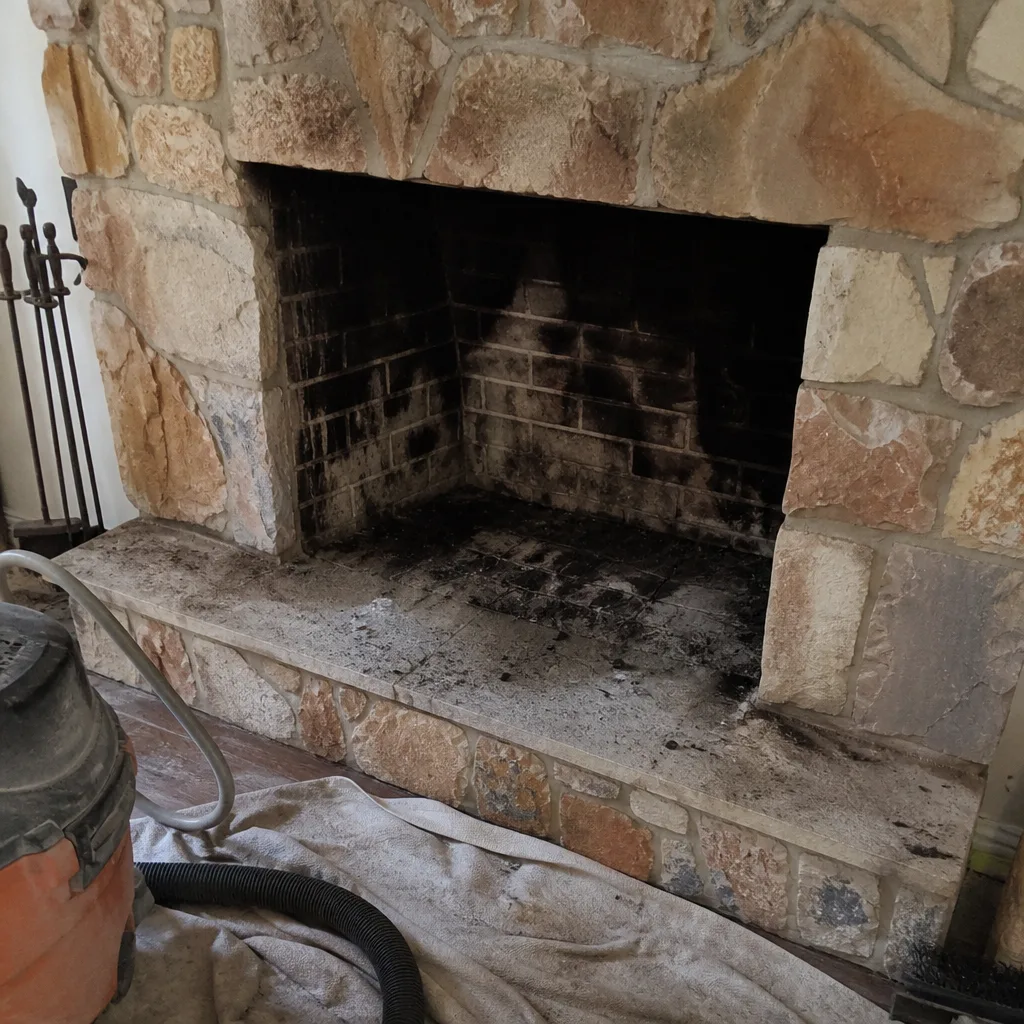 Before
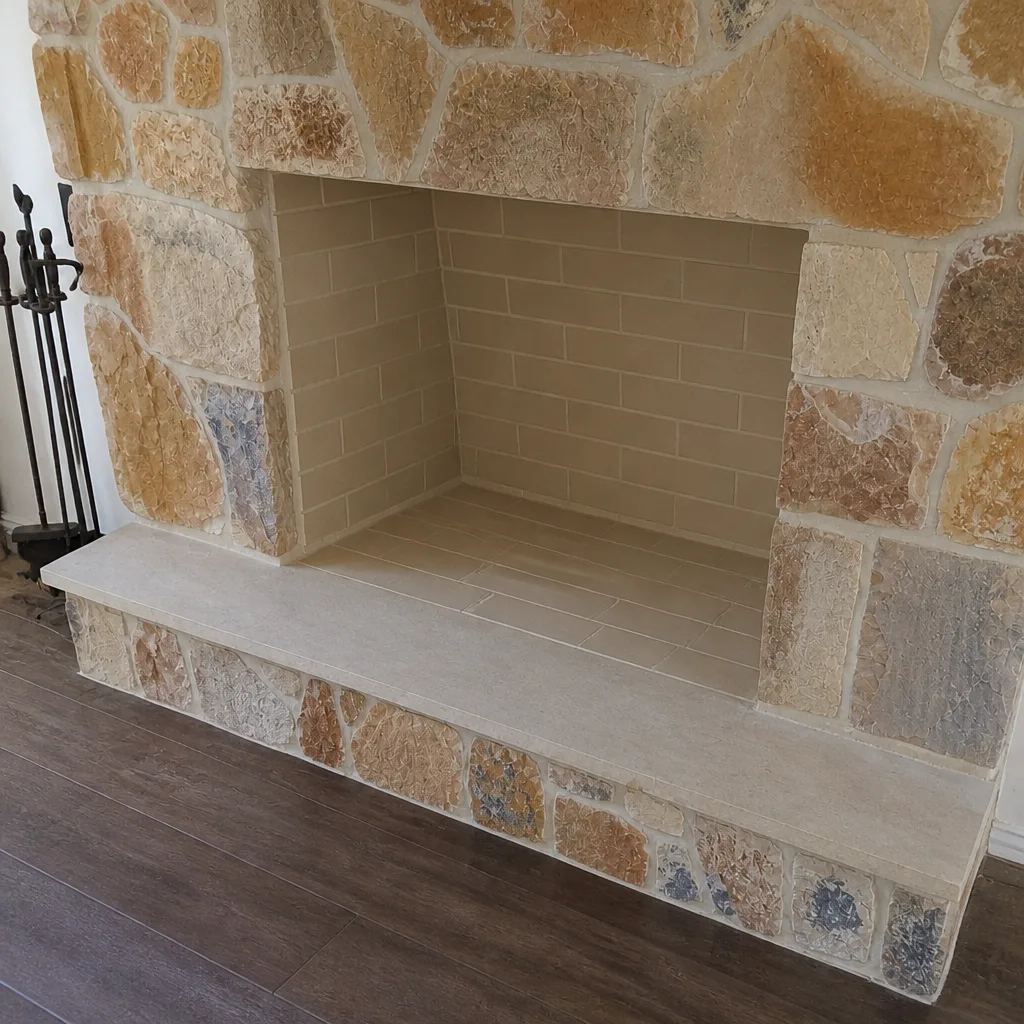 After
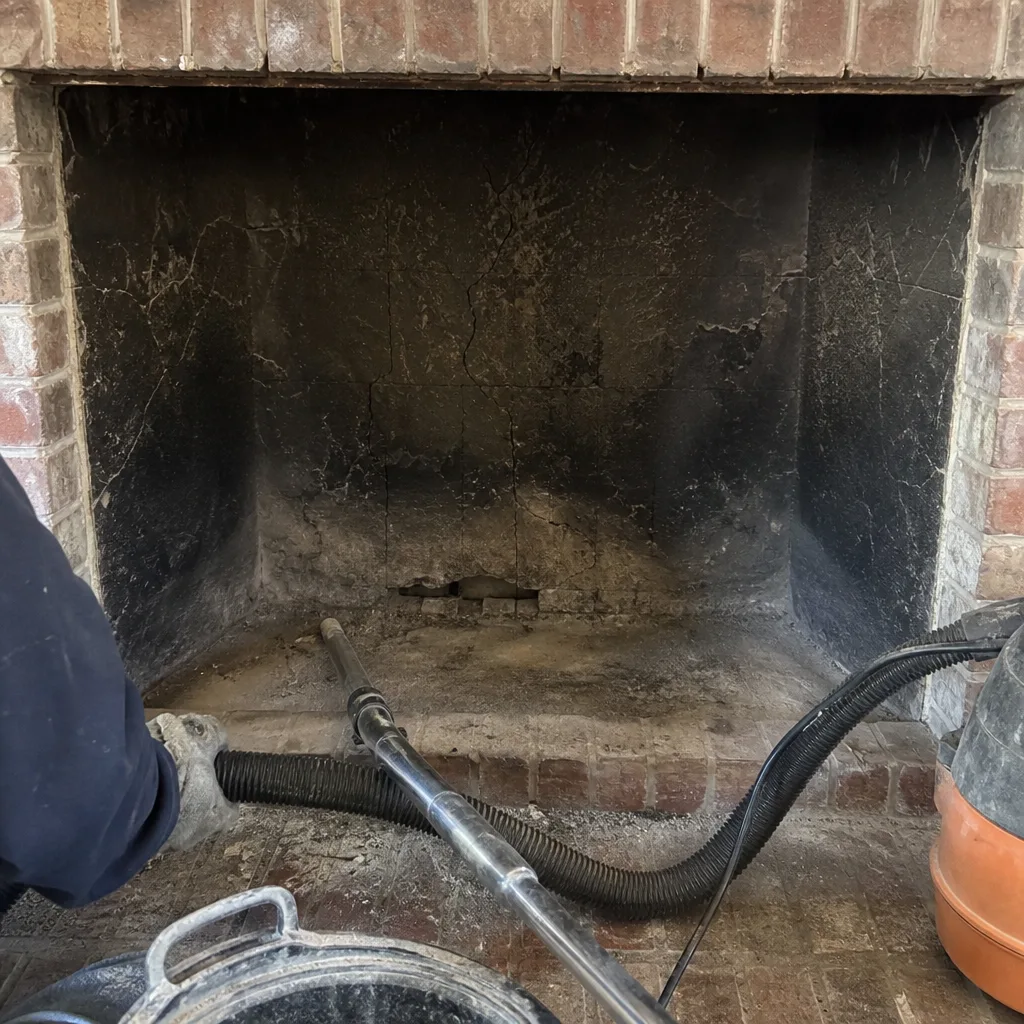 Before
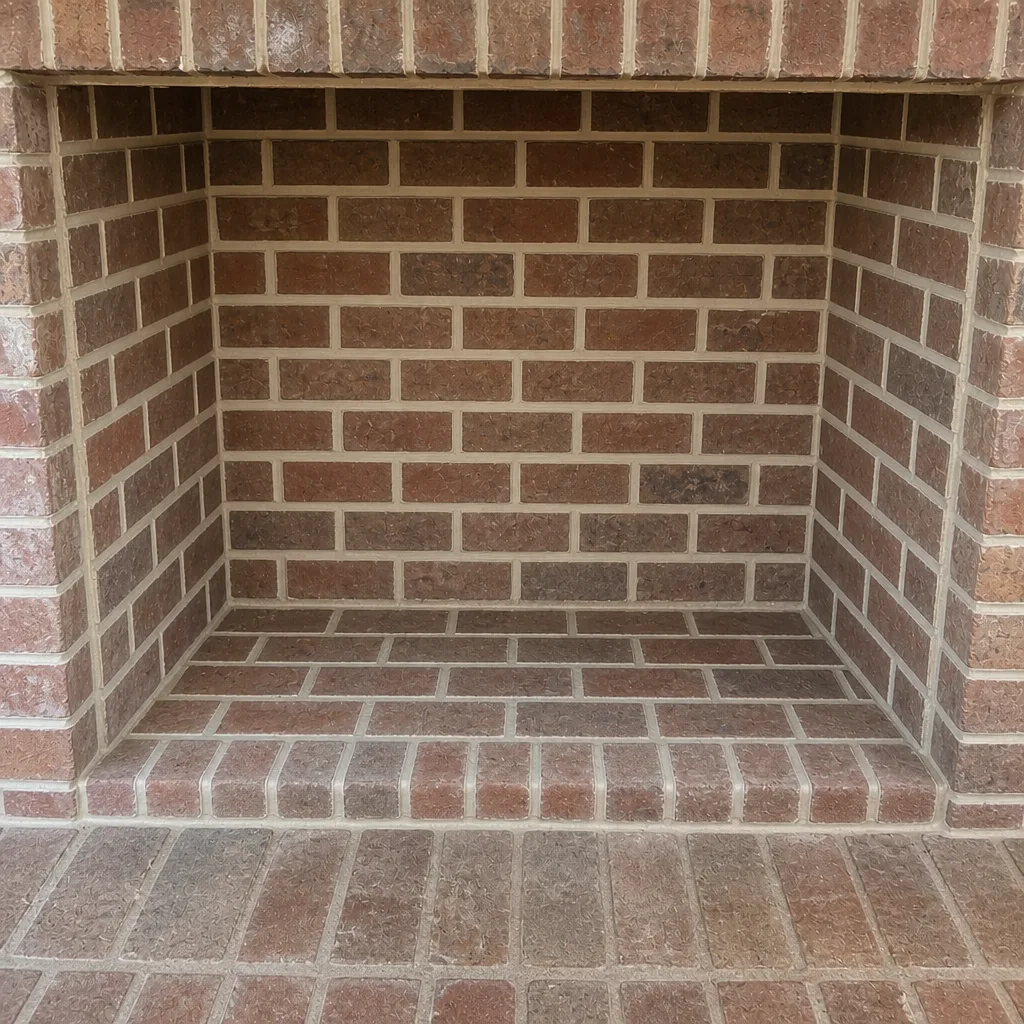 After
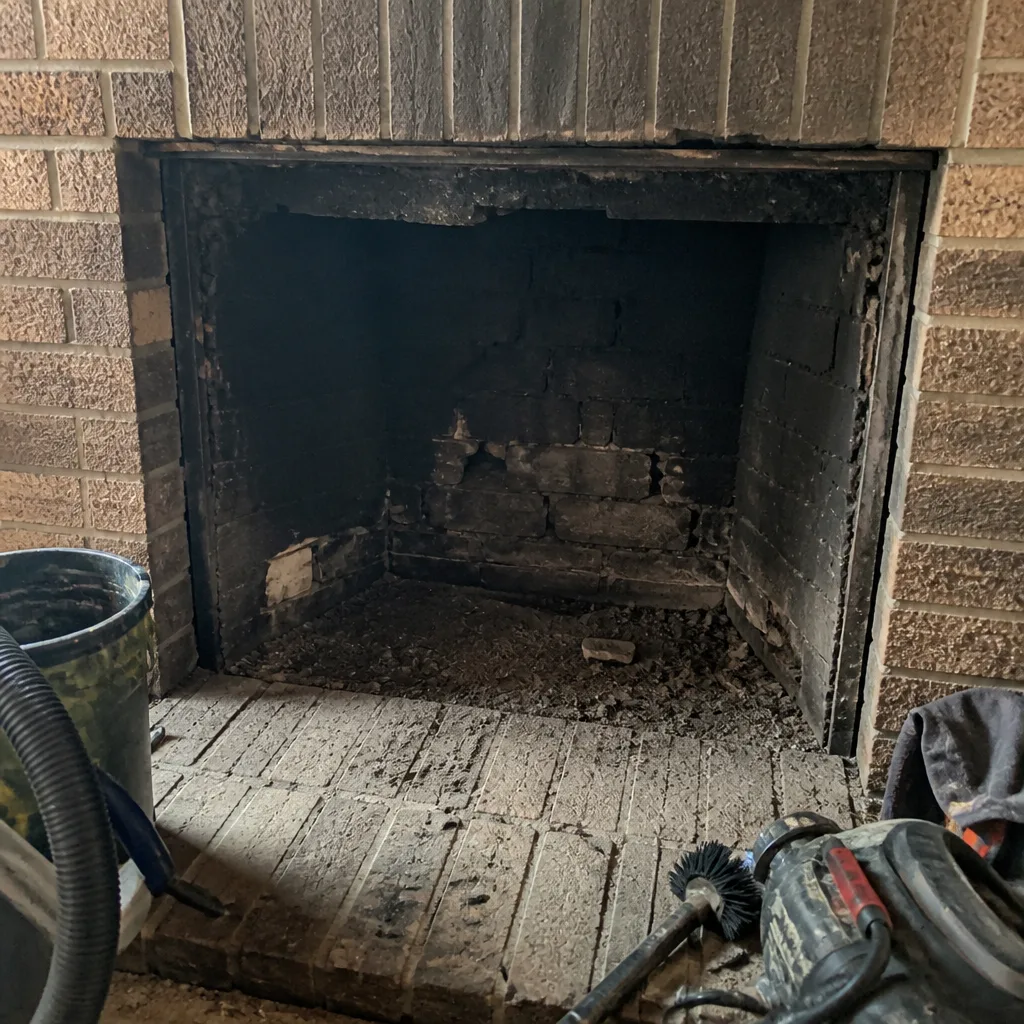 Before
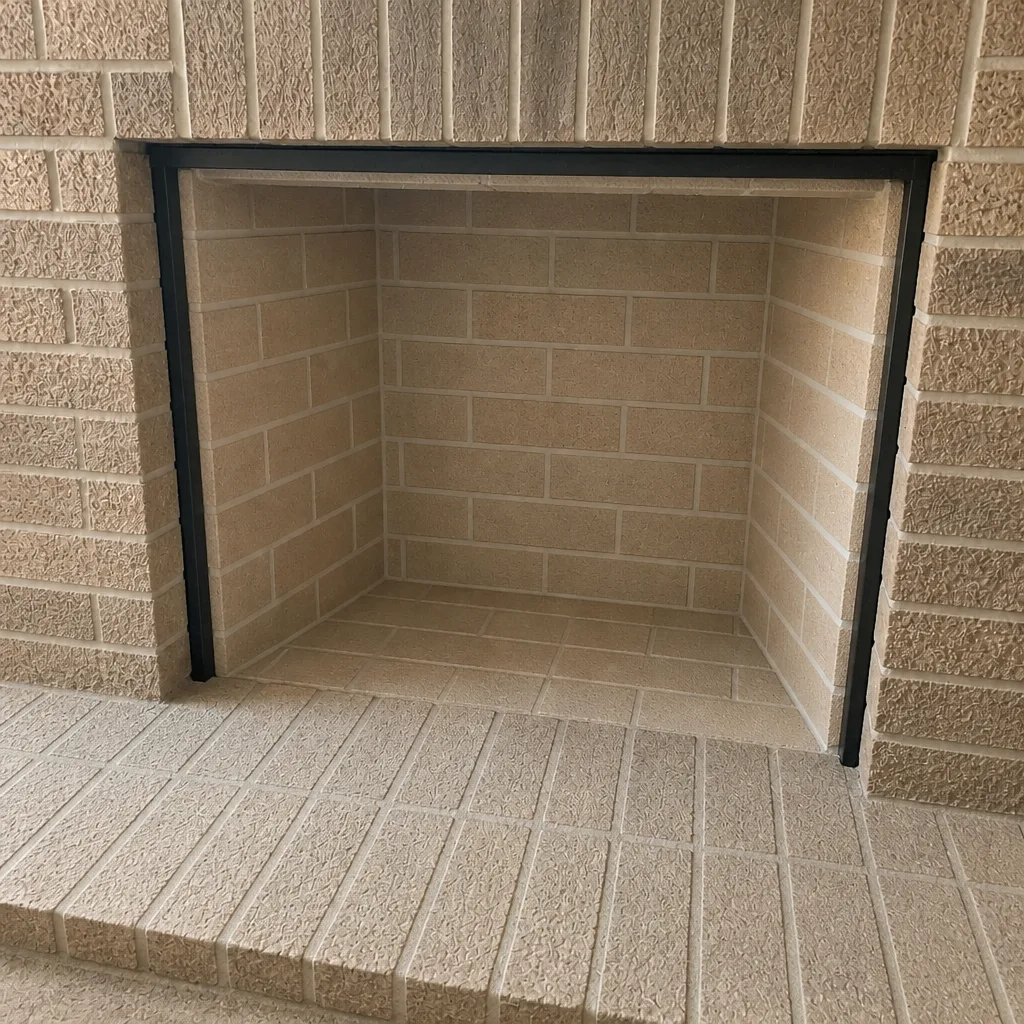 After
Frequently Asked Questions
No. A standard chimney sweep is routine maintenance and does not require a permit in Killeen. Permits become relevant when the work changes the chimney system – liner installation, relining, firebox rebuilding, crown reconstruction, or damper replacement. If you’re unsure which category your work falls into, call (866) 942-9240 for an exact answer – estimates are free.
In most Texas jurisdictions that have adopted the IRC and IMC, yes. Liner replacement is a mechanical alteration and typically requires a permit and post-installation inspection. Requirements vary by city, so verify current specifics with Killeen’s building department before work starts. Call (866) 942-9240 and we’ll walk you through what documentation the permit needs.
NFPA 211 is the national standard for chimneys, fireplaces, and venting systems, and it’s the reference fire marshals and insurers use to evaluate whether a chimney was in proper working order. An inspection scored against NFPA 211, with documentation, is much easier to defend during a claim than an undocumented installation. Call (866) 942-9240 to book a documented inspection – estimates are free.
Once per year for a wood-burning fireplace in regular use, and before the first fire of the season if you haven’t had a sweep in over a year. If you burn heavily, the interval may need to be shorter. Call (866) 942-9240 to book a sweep before burning season – the appointment is booked in advance, and free estimates come with a camera inspection.
Skipping a needed liner or firebox repair means the chimney continues to vent through a compromised system. Cracks in flue tiles can allow heat or embers to reach framing, and a mis-sized or unlisted liner can create draft problems and carbon monoxide risk. Insurance coverage can also become a question if a claim is filed on an undocumented alteration. Call (866) 942-9240 – we’ll tell you what an inspection actually shows and whether the work can safely wait.
Ask three questions: what liner brand and listing they propose, whether a permit will be pulled, and whether a Level 2 inspection with photos will accompany the scope. A dedicated chimney specialist answers all three without hesitation. Call (866) 942-9240 for a free second opinion on any liner proposal.
The Bottom Line
Chimney cleaning is permit-free maintenance. Chimney alteration – relining, firebox rebuilding, crown reconstruction, damper replacement, HeatShield resurfacing – is regulated work under Texas’s adopted mechanical and residential codes, and the paperwork matters as much as the installation. NFPA 211 is the standard insurers reference when a claim lands. A passing inspection is defined by listing, sizing, clearances, termination, appliance connection, and documentation. And the piece that separates a defensible installation from an indefensible one is usually a permit number and a folder of photos. If you own a fireplace in Killeen, get the line between maintenance and alteration clear in your mind before the next estimate.
Contact
Chimney Sweep Killeen is a dedicated chimney specialist offering sweeping, repair, and inspection – with DuraFlex liner capability and HeatShield resurfacing as part of the core scope. Our technicians have up to 11 years of experience, and every job starts with a documented inspection. Call (866) 942-9240 for a free estimate. We answer 24/7. Fast dispatch from 7am to 7pm, Sunday through Friday. Serving Killeen and the surrounding area – see our main page for our full scope of Chimney Sweep Killeen.
Written by the team at Chimney Sweep Killeen.