
Last updated November 16, 2026
 Sweep & inspection
 Caps & crowns
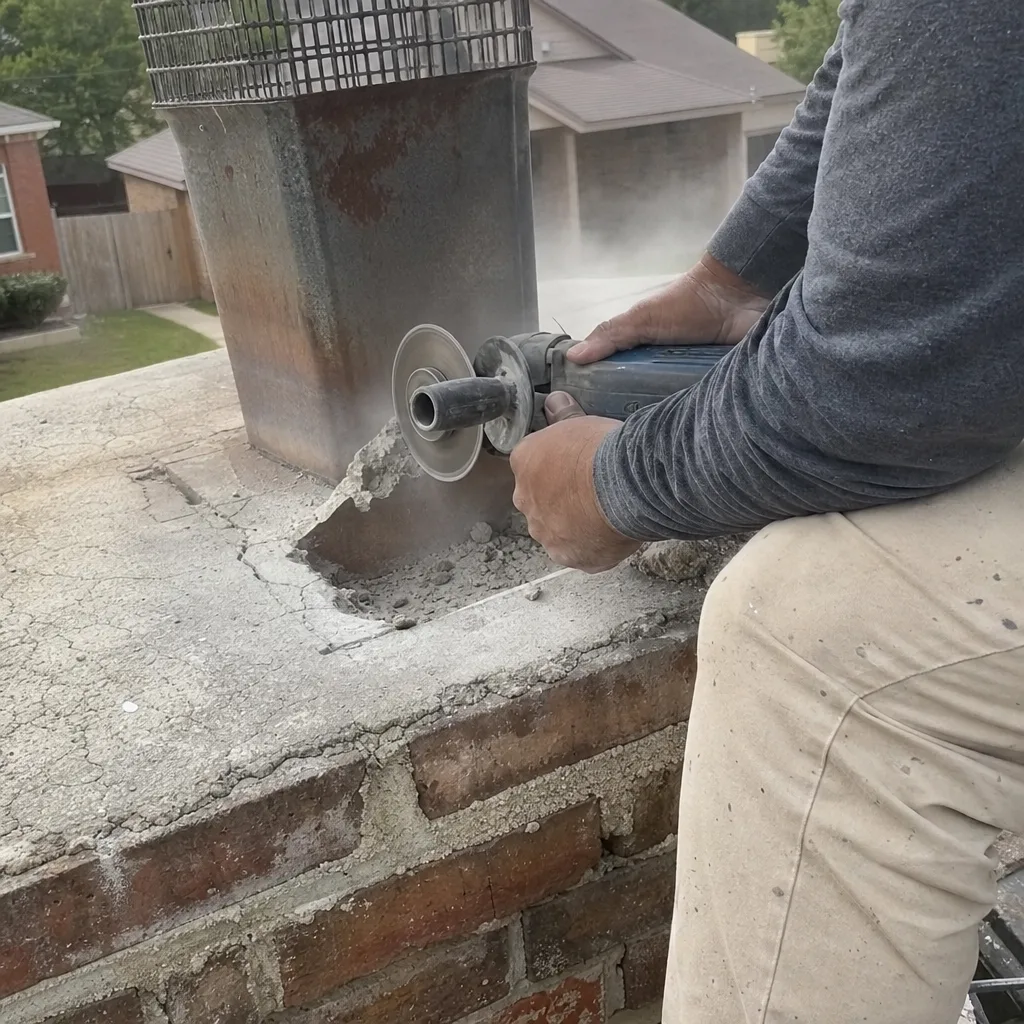
 Flue relining
 Masonry repair
 Gas fireplace service
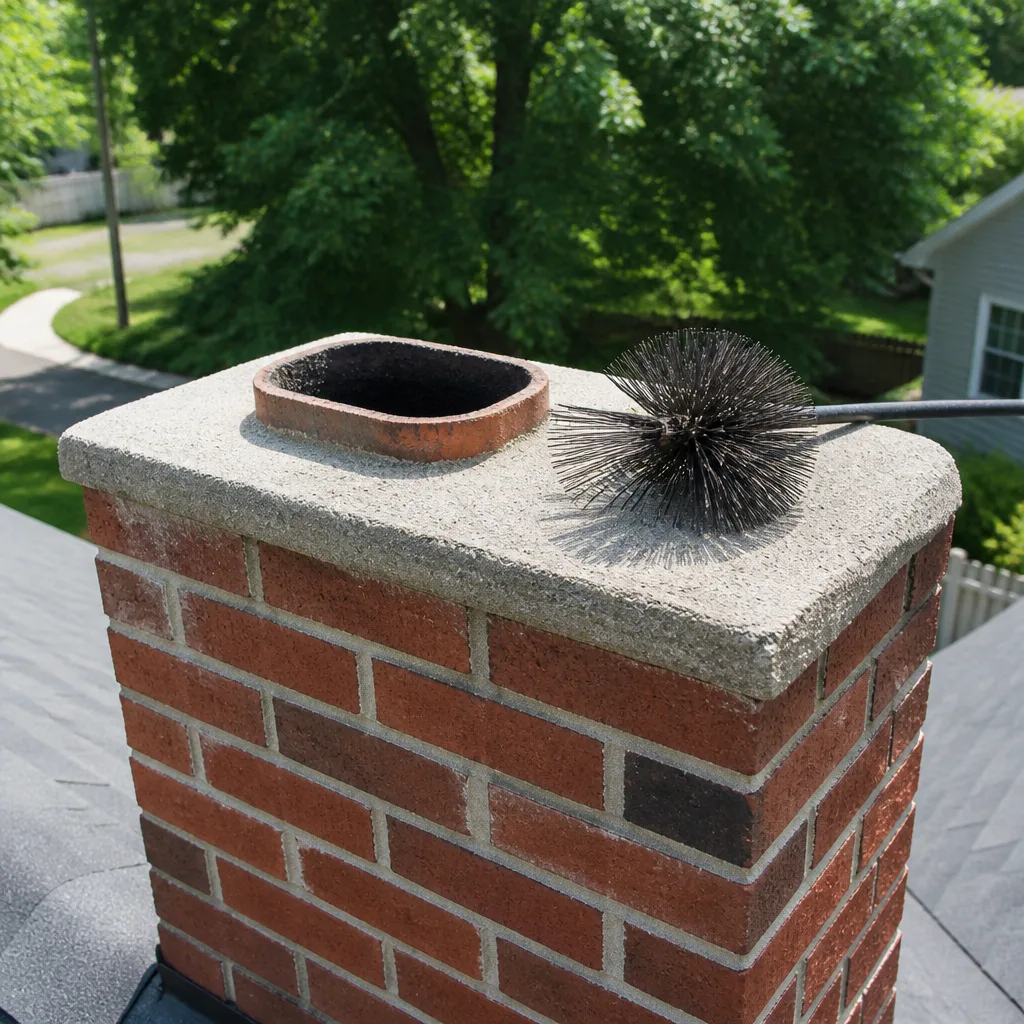
Level 1 sweep and inspection to the NFPA 211 annual standard - flue, crown, cap, and flashing checked and photographed
Chimney sweep logs do not sweep chimneys. They loosen some creosote - which then falls where a brush and vacuum still have to collect it.
Chimney Cleaning Cost Breakdown: The Killeen Homeowner’s Reference for 2026
A low cleaning price usually means less work got priced, not more work got done. The coupon-style sweep you see advertised around Killeen covers brushing the flue and little else. No camera pass up the flue. No smoke shelf scraping. No firebox assessment. No written report you can keep. That missing scope is roughly 40% of what a genuinely complete cleaning involves, which is why two quotes for “a chimney cleaning” can differ by a few hundred dollars and still both be honest numbers. This guide breaks the job into its actual line items, shows what each one should cost in the 2026 Killeen market, and explains how to tell a fair quote from a cheap one that leaves the important parts untouched.
Quick Answer
Quick Answer: A standard chimney cleaning in Killeen typically costs $150 to $300 for a wood-burning fireplace, and $250 to $450 once you add a Level 2 camera inspection and written report. Budget sweeps advertised around $89 to $120 cover only a flue brushing. The written estimate you receive before any work begins sets the final price, and a professional will show you camera footage of anything they recommend beyond the cleaning.
Styles & brands we work with
- Sweep & inspection
- Caps & crowns
- Flue relining
- Masonry repair
- Gas fireplace service
Table of Contents
- What a full-scope chimney cleaning actually includes
- Line-item pricing for Killeen in 2026
- Why liner condition drives cost variance more than anything else
- HeatShield resurfacing versus full relining
- Upsell red flags and how to protect yourself
- How cleaning frequency changes your ten-year cost
- When a Level 2 inspection adds to or replaces a cleaning
- What makes chimney work in Killeen different
What a full-scope chimney cleaning actually includes
A complete chimney cleaning is five distinct tasks, and a fair quote itemizes them. When a price is quoted as one flat number with no breakdown, ask which of these are included. The answer tells you more about the quote than the number itself.
- Flue brushing. A rotary or hand brush sized to the flue removes creosote and soot from the flue walls. This is the task everyone thinks of as “the chimney sweep” and it’s the one the budget coupons actually cover.
- Smoke shelf and smoke chamber cleaning. The smoke shelf sits behind the damper and collects debris that a straight flue brushing misses. The smoke chamber above the damper has angled walls that trap creosote. Both need separate attention.
- Firebox assessment. The firebox takes direct heat and is where cracked brick, deteriorated mortar joints, and damaged refractory panels show up first. Cleaning without looking at the firebox is cleaning half a system.
- Camera inspection of the flue. A camera run up the flue reveals cracked or missing flue tiles, gaps at joints, and heavy creosote glazing that a brush alone won’t remove. Without the camera, nobody knows what the flue interior looks like.
- Written report. A documented summary of what was found, what was cleaned, and what needs attention later. This is the piece that lets a homeowner make decisions on their own timeline instead of on the spot.
When you book a chimney sweep, ask up front whether all five are part of the quoted price. The honest answer to that question separates a thorough service from a quick brush-and-go visit.
Line-item pricing for Killeen in 2026
These are typical 2026 ranges for Killeen, not fixed prices. Every chimney is different, and the written estimate you receive after the technician looks at your system is the number that governs the job.
- Flue brushing only: $89 to $150. Covers the flue and a basic visual check. This is what the coupon price buys.
- Standard full-scope cleaning (flue, smoke shelf, smoke chamber, firebox): $150 to $300 for a wood-burning fireplace. Add roughly $40 to $80 for a gas appliance cleaning, which involves different components.
- Camera inspection of the flue: $80 to $150 when added to a cleaning. A Level 2 inspection as a standalone service runs $200 to $350.
- Written report and photo documentation: usually included with a full-scope cleaning. If a company charges separately for documentation, ask why.
- Creosote removal beyond standard brushing (glazed, third-degree creosote): $200 to $500 depending on how much of the flue is affected. Heavy glazing takes different tools and more time than a routine brushing.
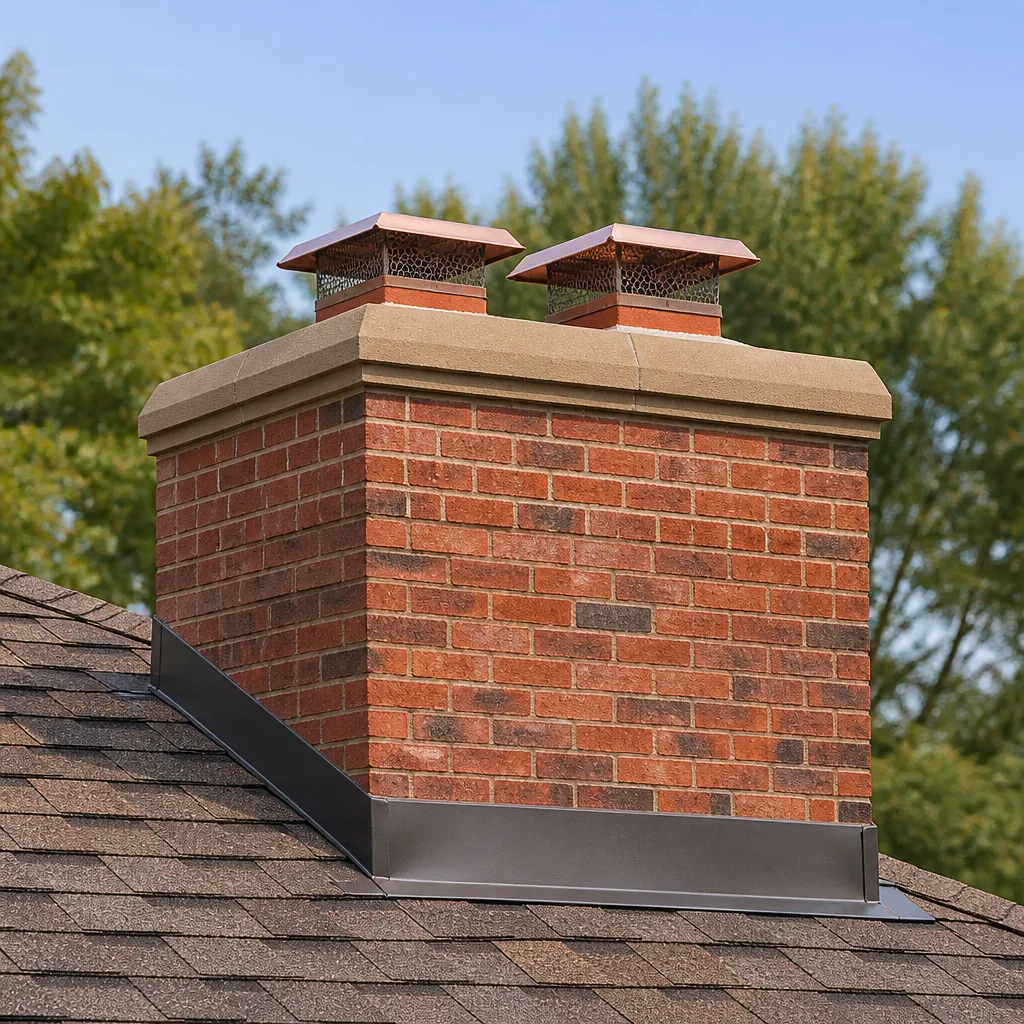
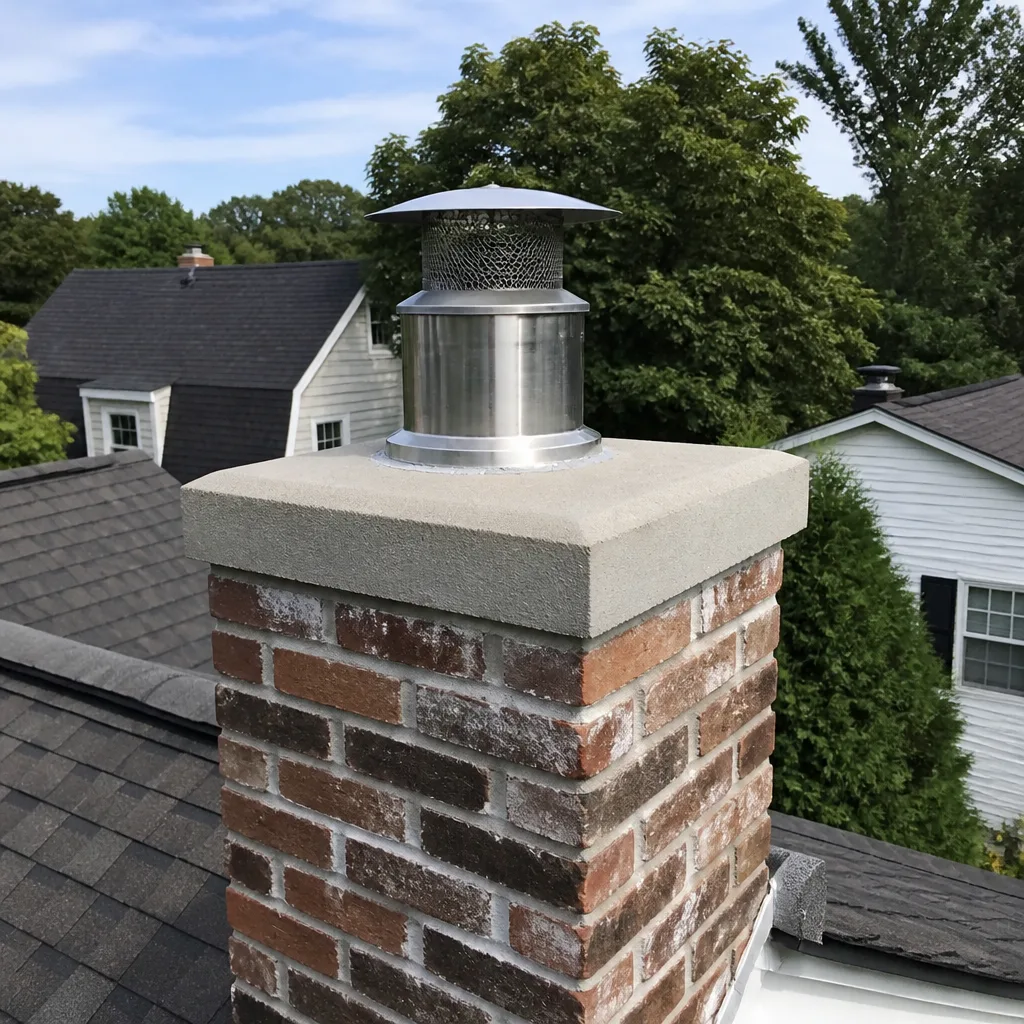
- Chimney cap or chase cover installation: $150 to $400 for the part and labor, depending on the size and material.
- Crown repair or rebuild: $300 to $800 for a repair, more if the crown has to come off and be recast.
- Flue resurfacing with HeatShield: $400 to $1,200 for a typical single-flue fireplace chimney, depending on how much of the flue needs treatment.
- Full liner replacement with a DuraFlex flexible liner system: $2,000 to $4,500 depending on flue height, liner diameter, and whether insulation is added.
One number to keep in mind: a chimney system cleaned on schedule costs less per decade than one serviced only after damage shows up. The repair line items above are where the reactive approach gets expensive. Our technicians have up to 11 years of experience reading exactly this difference during an inspection, and our estimates are free. Call (866) 942-9240 to book one.
Why liner condition drives cost variance more than anything else
The flue liner is the component that decides whether you’re paying for a cleaning or a repair. A clay tile liner in good shape means the job stays in the $150 to $300 range. A liner with cracked tiles, gaps at the joints, or heavy glazed creosote pushes the job into the thousands. That single variable explains more of the price spread between quotes than any other factor.
Here’s why the liner dominates. Clay tile liners are common in Killeen’s older housing stock, and they crack from heat cycling over time. When a tile cracks, the flue no longer contains combustion gases and creosote the way it should. Creosote can work into the gap behind the tiles and reach the surrounding masonry. An inspection catches this. A brush sweep never will, because the brush passes right over a cracked tile without telling anyone.
Three liner conditions and what they mean for cost:
- Sound liner, normal soot and creosote: cleaning only. The $150 to $300 range applies.
- Sound liner structure, but deteriorated interior surface: resurfacing territory. This is where HeatShield comes in.
- Cracked, shifted, or missing tiles, or a flue with no liner at all: relining territory. A DuraFlex flexible liner system is the standard approach.
The point of camera documentation is to show you which of these three categories your chimney falls into, with footage you can see yourself. You shouldn’t have to take anyone’s word for a $3,000 recommendation. For structural repairs beyond the flue, our chimney repair service covers the masonry and crown work that goes with it.
HeatShield resurfacing versus full relining
HeatShield resurfacing restores a deteriorated flue interior without demolition. A specially formulated compound is applied to the inside of the flue, filling cracks and sealing the surface to restore a smooth, continuous barrier. It’s designed for flues whose tile structure is sound but whose interior has broken down. Most generalist chimney companies can’t offer it because it requires specific tooling and product access.
Full relining is a different job. When the existing liner is structurally compromised, or there is no liner at all, a new liner goes in. We install DuraFlex flexible liner systems, which are designed to be pulled down an existing flue and connected to the appliance. Relining is the more invasive and more expensive option, and it’s the right one when the structure itself has failed.
How the two compare on cost and scope:
- HeatShield resurfacing: typically $400 to $1,200 for a single-flue fireplace. Restores the flue surface. Leaves the existing tile structure in place.
- DuraFlex liner installation: typically $2,000 to $4,500. Installs a new liner inside the flue. Required when the tile structure has failed or the flue is unlined.
The decision between them comes down to what the camera shows. Resurfacing a flue with cracked, shifted tiles is putting a good surface over a failing structure. Relining a flue that only needs resurfacing is spending money you don’t need to spend. Both brands sit in a professional supply chain, and we work with HeatShield, DuraFlex, Gelco, and Olympia Chimney because those products have earned their place in the trade, not because they’re the easiest to source. If you’re in a home where the flue liner question is live, call (866) 942-9240 and we’ll walk you through what the inspection found before you commit to anything.
Upsell red flags and how to protect yourself
The most common complaint about chimney work isn’t the price. It’s being told on-site that the flue needs thousands of dollars of work nobody warned them about, with no documentation to justify it. A chimney technician who quotes low and then “discovers” major problems during the visit is running a sales model, not a service model. Here’s how to tell the difference before you book.
- Ask for the scope in writing before booking. A legitimate quote lists what’s included: flue brushing, smoke shelf, firebox, camera inspection, written report. If the quote is one line, the scope is probably one task.
- Ask whether camera footage is provided. Any repair recommendation should come with footage you can watch and a report you can keep. “Trust me, it’s cracked” is not documentation.
- Be wary of a price that changes significantly after the technician arrives. A small adjustment after seeing the actual system is normal. A quote that triples on-site without camera evidence is a red flag.
- Don’t accept a liner replacement recommendation without seeing the flue interior. Liner replacement is a real and sometimes necessary job, but it should be justified by visible evidence of failed tiles or an unlined flue, not by pressure.
- Ask what can safely wait. A good technician will tell you when a repair is urgent and when it can be scheduled for later. If everything is urgent, nothing is.
- Check that the company specializes in chimneys. A generalist adding chimney cleaning to a menu of other trades doesn’t carry the tooling or the product access for liner and resurfacing work.
Our approach is simple: nothing gets recommended without camera evidence you can see, and we’ll tell you plainly when work can wait. That’s the standard we hold to for every job in Killeen.
How cleaning frequency changes your ten-year cost
Annual cleaning is the cheaper path over a decade, and the math isn’t close. A system cleaned once a year stays in the $150 to $300 range each visit. A system left to run until something fails eventually needs the repair line items, and creosote accumulation is the mechanism that makes it happen. Glazed creosote builds up faster than most homeowners expect, and once it’s glazed, standard brushing won’t remove it.
How often should a chimney be cleaned? The trade standard is based on how much you burn, not the calendar alone. A rough guide for Killeen homeowners:
- Regular wood burning (several fires a week through the cooler months): clean annually.
- Occasional wood burning (a fire here and there): clean every one to two years, with an inspection in between.
- Gas fireplace: clean every one to two years. Gas produces less creosote but still deposits debris, and the appliance and venting still need inspection.
- Any system with a known liner issue: clean and inspect annually until the liner is addressed.
The cumulative picture: ten years of annual cleanings at the typical rate runs $1,500 to $3,000. One reactive decade that ends in a liner replacement plus a heavy creosote removal plus a crown repair lands well past $5,000. Cleaning on schedule isn’t a maintenance chore; it’s the cheapest form of repair prevention there is. To get on a schedule in Killeen, call (866) 942-9240. We answer 24/7, with fast dispatch from 7am to 7pm, Sunday through Friday.
When a Level 2 inspection adds to or replaces a cleaning
A Level 2 inspection is the standard inspection required when a home changes hands, when a chimney has been through a chimney fire or other event, or when a change is made to the appliance or fuel type. It goes beyond the visual check included with a cleaning. It includes camera inspection of the flue interior and a documented report on the condition of every accessible component.
Whether a Level 2 adds to or replaces the cleaning cost depends on what’s already booked:
- If you’re booking a cleaning and want the inspection too: the camera pass usually adds $80 to $150 to the cleaning price. This is the most cost-effective way to get both, since the technician is already on site.
- If you’re buying or selling a home and need a Level 2 on its own: expect $200 to $350, and the cleaning is often done separately or bundled into the same visit depending on the condition of the flue.
- If a cleaning was done recently and the inspection is the only thing needed: the standalone Level 2 price applies. There’s no reason to re-clean a flue that was just cleaned.
For a home sale in Killeen, the inspection report is often the document that keeps the transaction moving. A buyer’s inspector who flags the chimney without a camera inspection is guessing. A Level 2 report with footage settles the question. If you’re in that situation, call (866) 942-9240 and tell us the timeline; free estimates are standard.
What makes chimney work in Killeen different
Killeen’s climate is mild through most of the year, which changes how chimneys here age compared with colder parts of the country. The burning season is shorter, but the shoulder seasons bring cool nights when a fire gets lit after months of sitting idle. A flue that sat unused through a long warm stretch can have debris, animal nesting, or a cracked tile that nobody noticed until the first fire of the season.
Housing stock matters too. Older homes around Killeen often have clay tile liners that have been through years of heat cycling. Newer construction may have factory-built fireplaces with their own venting requirements. Neither is a problem in itself, but each needs the right inspection approach. A technician who mostly works on one type of system may not read the other the way it needs to be read.
The practical takeaway for a Killeen homeowner: get the system inspected and cleaned before the burning season, not during it. Booking ahead means the technician has time to document what they find, and you have time to schedule any repair on your own terms instead of mid-season. That’s the whole reason a Killeen homeowner benefits from a specialist rather than whoever answers the phone first.
Common Mistakes to Avoid
- Booking on price alone. The $89 coupon covers one task out of five. If a quote is dramatically lower than the others, ask what it excludes before you book.
- Accepting a liner replacement recommendation with no camera footage. Liner work is sometimes necessary, but it should be justified by evidence you can see, not by a technician’s word on the spot.
- Skipping the inspection because the cleaning was done. A cleaning removes creosote. An inspection finds cracked tiles and failed joints. They’re different jobs.
- Waiting until the flue smells or smokes to call anyone. By the time a flue backdrafts or smells, the problem has usually been building for a while. Annual cleaning catches it earlier.
- Hiring a generalist for liner work. Liner installation requires specific tooling and product access. A company that mostly does other trades may not carry DuraFlex or offer HeatShield resurfacing at all.
- Assuming a gas fireplace needs no service. Gas fireplaces still need cleaning and inspection. The venting and appliance need to be checked just like a wood-burning system.
- Scheduling a home-sale inspection too late. A Level 2 report takes time to schedule and document. Build it into the transaction timeline instead of scrambling at the end.
See the difference
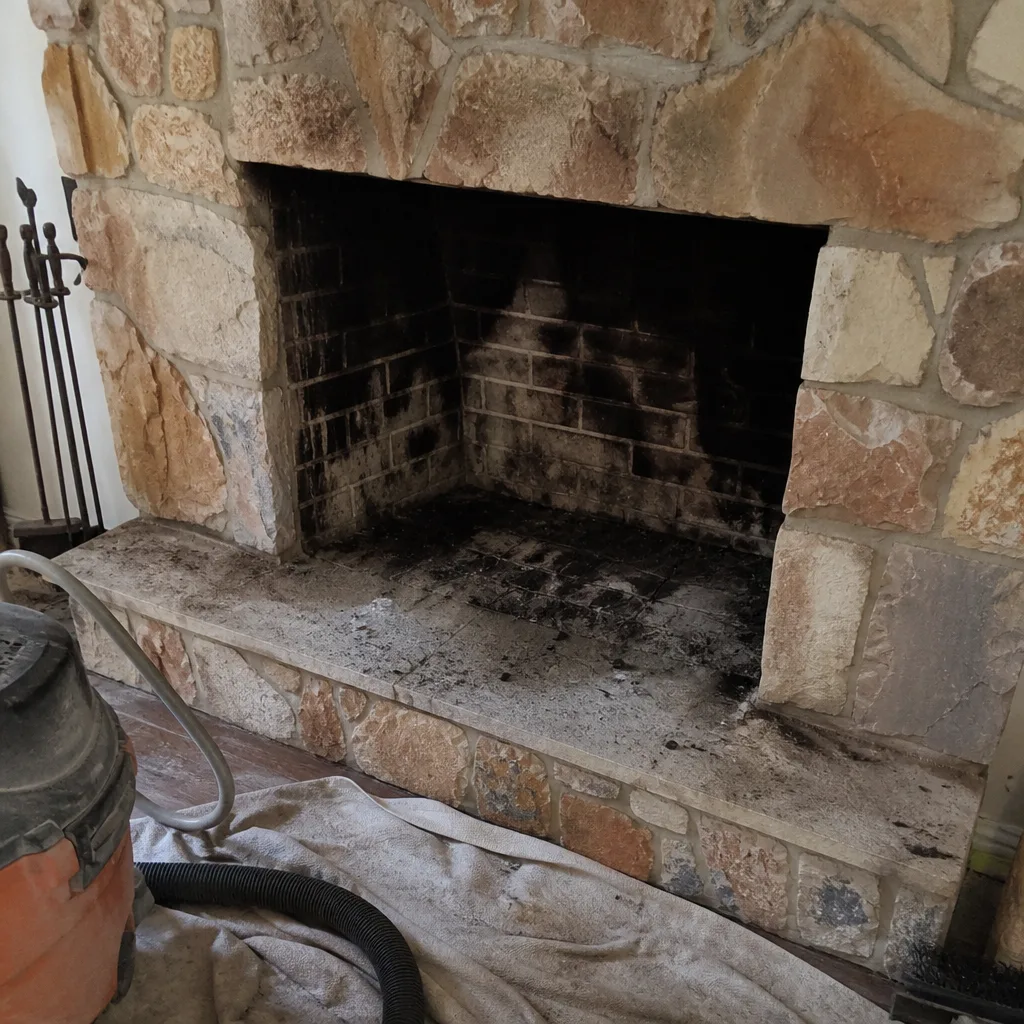 Before
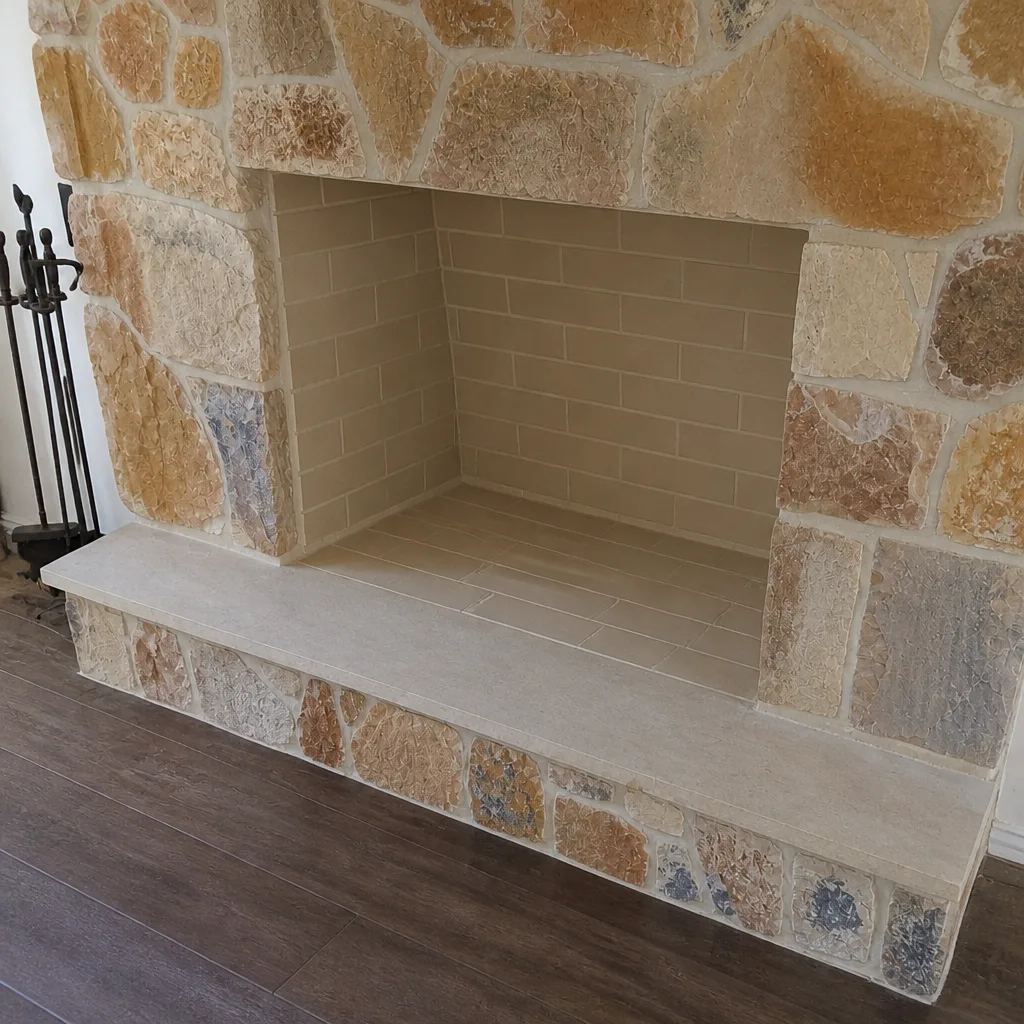 After
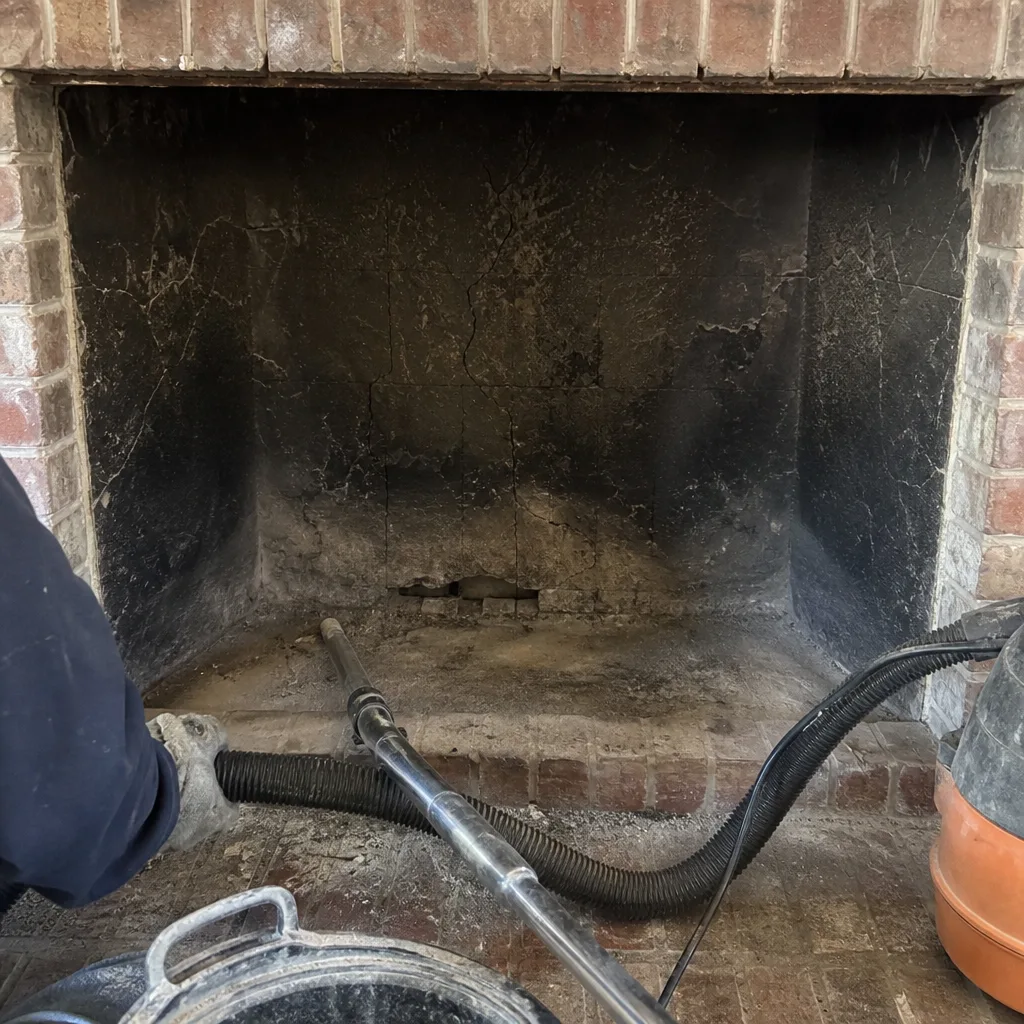 Before
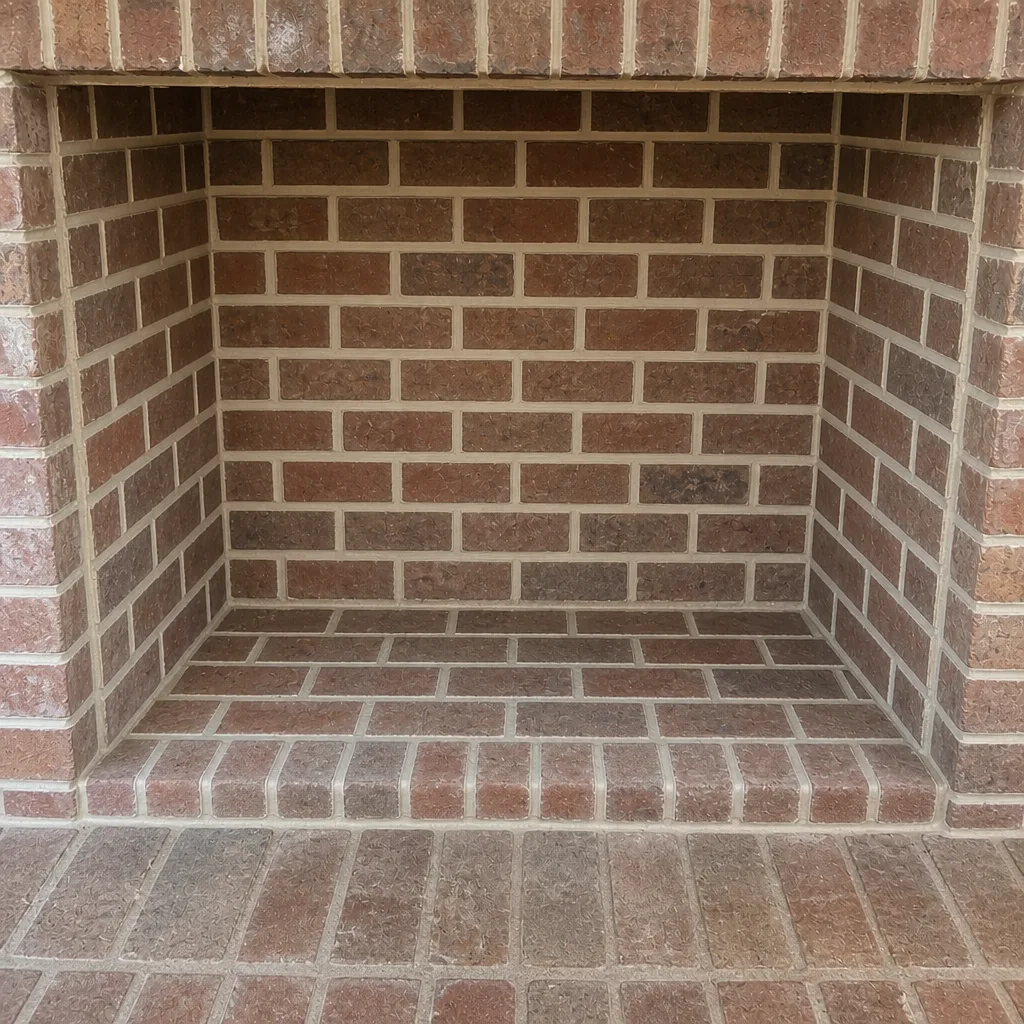 After
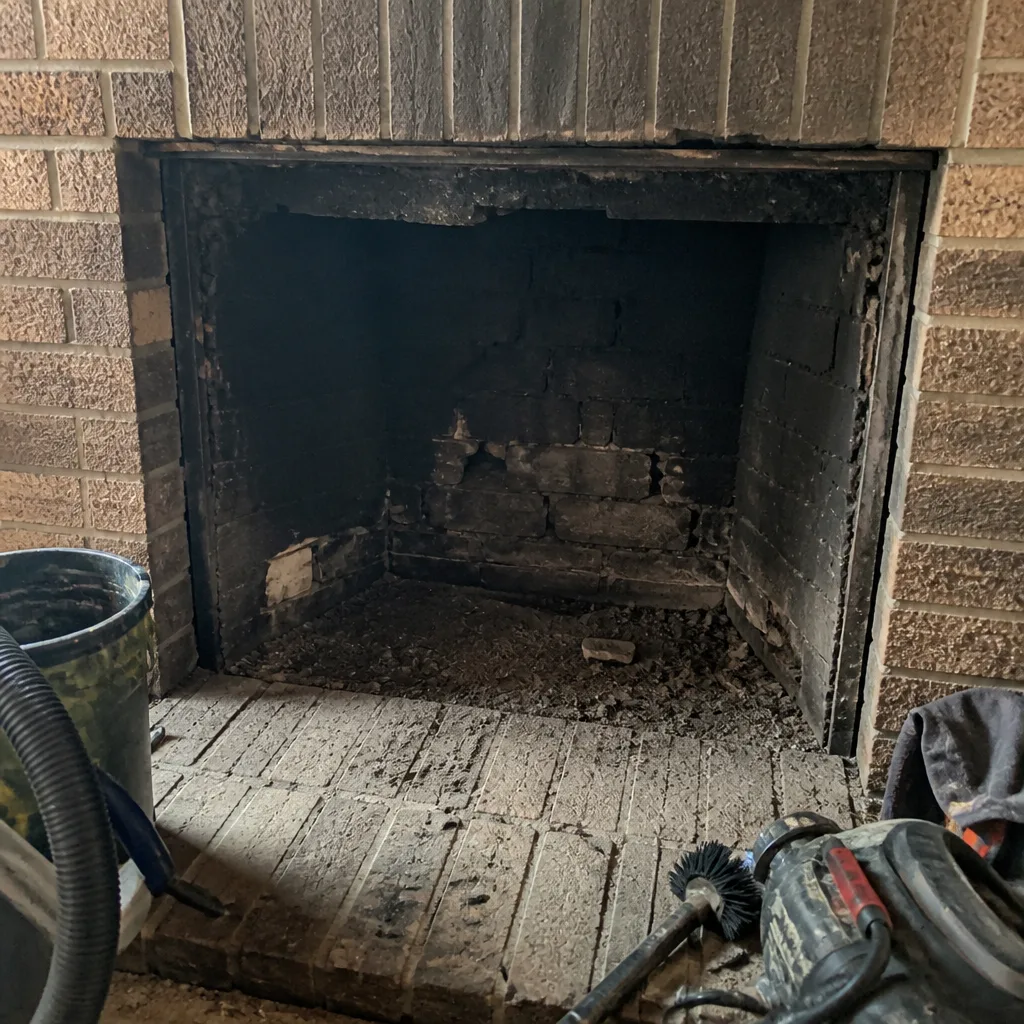 Before
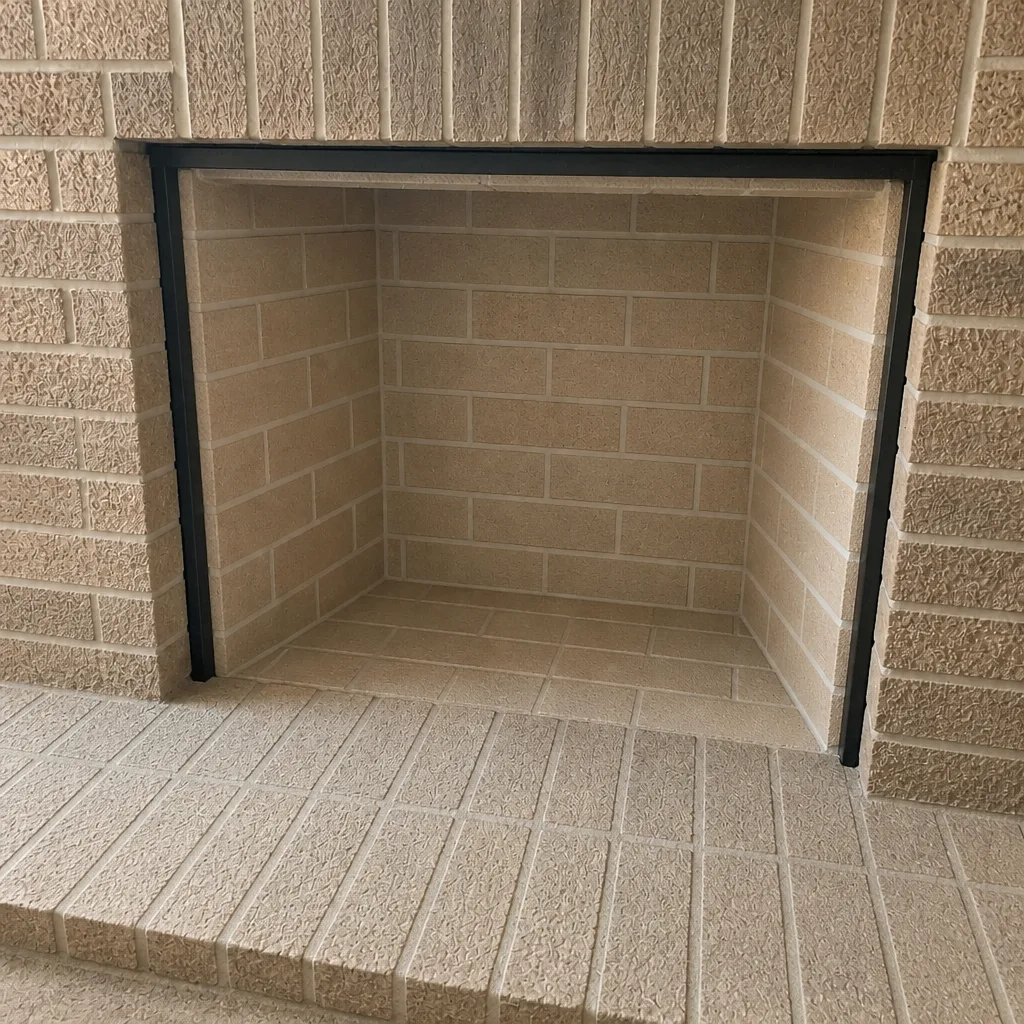 After
When to Call a Professional
Call a professional when you haven’t had the chimney cleaned in over a year of regular burning, when you notice a strong creosote smell or smoke backing into the room, when you’ve had a chimney fire even if it seemed to go out on its own, when you’re buying or selling a home and need a Level 2 inspection, or when a previous company recommended liner work with no documentation to back it up. Those are the moments when the cost of skipping the call is higher than the cost of the call itself.
Chimney Sweep Killeen offers free estimates in Killeen. Call (866) 942-9240. We answer 24/7, with fast dispatch from 7am to 7pm, Sunday through Friday.
Frequently Asked Questions
A standard full-scope chimney cleaning in Killeen typically runs $150 to $300 for a wood-burning fireplace. Adding a camera inspection and written report brings it to $250 to $450. Budget sweeps at $89 to $150 cover the flue brushing only. Call (866) 942-9240 for an exact quote; estimates are free.
You need a new liner when the existing liner is structurally failed: cracked or shifted tiles, gaps at the joints, or no liner at all. Those conditions can’t be fixed by cleaning. If the tile structure is sound but the interior surface has deteriorated, HeatShield resurfacing may restore it for a fraction of the cost of relining. Ask to see the camera footage before you decide. Call (866) 942-9240 to schedule an inspection.
Annually for regular wood burning, and every one to two years for occasional use or a gas fireplace. Heavy creosote buildup can happen faster than people expect, especially in a system that sees regular fires through the cooler months. Annual cleaning is also the cheapest way to catch a liner problem early. Call (866) 942-9240 to book a sweep.
Creosote accumulates in the flue and can reach a glazed state that standard brushing won’t remove. Cracked flue tiles go unnoticed because nothing is inspecting them. The result is a system that costs more to restore later than it would have cost to maintain. Skipping cleaning doesn’t save money; it defers the cost to a worse moment. Call (866) 942-9240 for a free estimate on getting back on schedule.
The difference is scope, not margin. A quote that covers flue brushing only and a quote that covers flue, smoke shelf, smoke chamber, firebox, camera inspection, and written report are pricing different jobs. Ask each company to itemize what’s included before you compare the numbers. Call (866) 942-9240 and we’ll walk you through our scope line by line.
No. A Level 2 inspection documents condition with camera footage and a written report; it doesn’t clean the flue. The two are often done in the same visit, and when they are, the camera pass typically adds $80 to $150 to the cleaning price. A standalone Level 2 runs $200 to $350. Call (866) 942-9240 to book both together.
The Bottom Line
The spread between an $89 sweep and a $400+ cleaning in Killeen isn’t a profit margin story. It’s a scope story. A full-scope cleaning covers five tasks; a budget coupon covers one. The line items that matter most are the camera inspection and the written report, because those are what tell you whether your flue liner is sound or heading toward a $2,000 to $4,500 relining job. Resurfacing with HeatShield sits in the middle when the tile structure is sound but the interior surface has broken down. Cleaning on schedule costs far less per decade than repairing reactively, and a Level 2 inspection at a home sale is the document that settles the flue question for good. If you want the scope spelled out before you commit, call (866) 942-9240 for a free estimate.
Written by the team at Chimney Sweep Killeen.